
An 8-inch foam mattress can provide excellent pressure relief and body contouring, making it a popular choice for bedrooms across the Philippines. However, the tropical climate—characterized by high temperatures and intense relative humidity—presents unique challenges for solid foam structures. Because foam is inherently dense and lacks the open, hollow interior of traditional innerspring systems, it can act as an insulator, trapping body heat and moisture. To determine if an 8-inch foam mattress is suitable for your bedroom, you must look beyond basic marketing terms and evaluate specific structural features, material compositions, and ventilation options.
When shopping for a new bed, it is easy to get caught up in generic material names like “memory foam” or “comfort foam.” In a tropical environment, however, the physical design of the mattress dictates how well it manages heat and moisture. An 8-inch profile offers a substantial core of material that requires careful evaluation. By understanding how foam density, cover fabrics, and bed bases interact with the local climate, you can make an informed decision that ensures a cool, dry, and comfortable night’s sleep.
Understanding How Foam Density and Thickness Trap Heat
The thickness and density of a foam mattress play a fundamental role in how it manages temperature. An 8-inch profile is generally composed of multiple layers, typically featuring a high-density support core at the bottom and a softer comfort layer on top. While this thickness provides a great balance of support and pressure relief, the solid mass of foam naturally restricts air circulation compared to open coil systems. Without space for air to flow, the heat radiating from your body has nowhere to go, causing the mattress surface to warm up over the course of the night.
Products mentioned in this guide
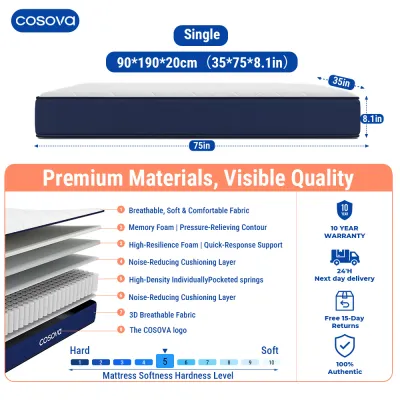
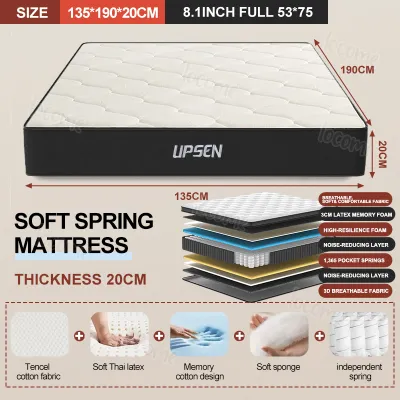
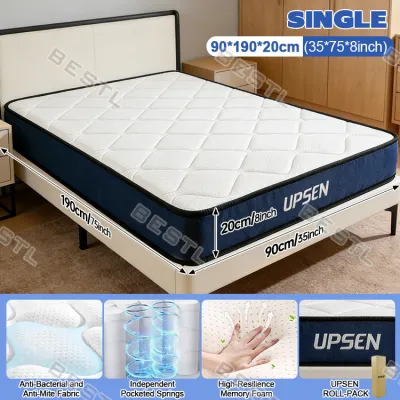
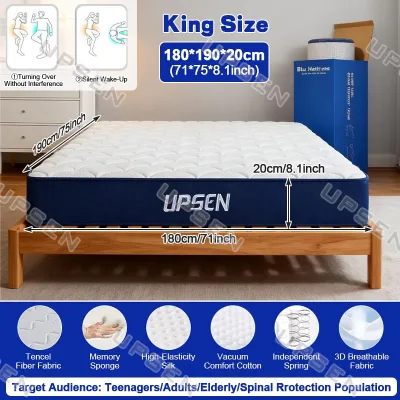
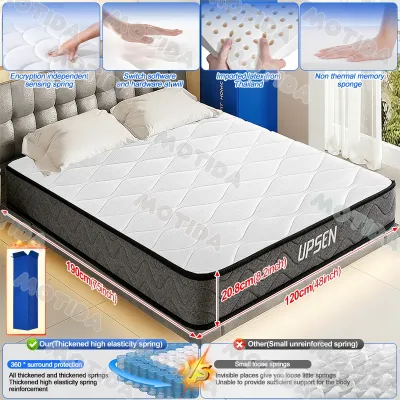
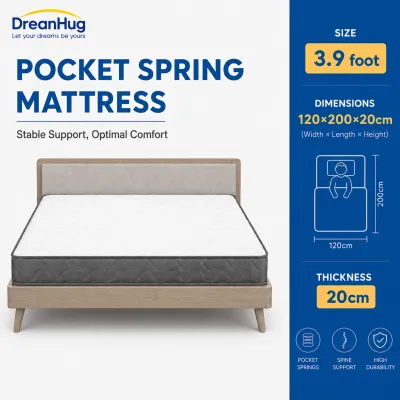
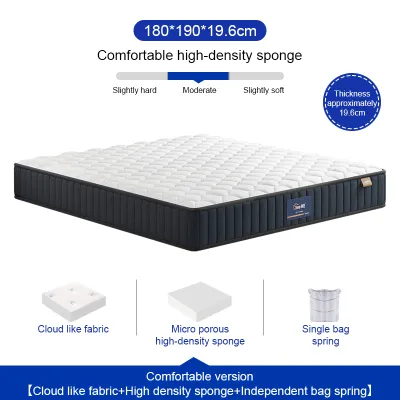
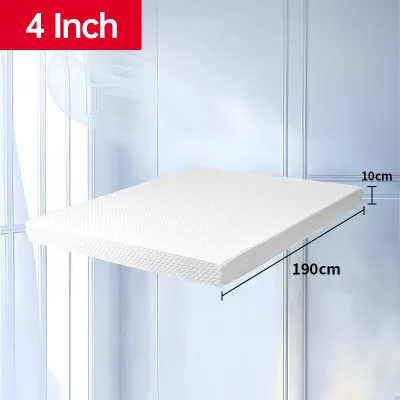
Prices are valid at publication and may change. Please refer to the product page for the latest price.
To understand how a specific mattress will perform, you must check the manufacturer’s specifications for foam density. Density is typically measured in kilograms per cubic meter (kg/m³). High-density foams are highly durable and offer excellent contouring, but their tightly packed cell structures tend to trap more heat. Conversely, low-density foams have more air pockets, which can make them slightly more breathable, though they may sag faster under continuous use and tropical humidity. When evaluating a mattress, look for specification sheets or law tags that detail the density of each layer, and prioritize brands that openly share this information.
It is important to recognize that basic material names do not guarantee cooling performance. A mattress labeled simply as “memory foam” or “polyurethane foam” without any structural modifications is highly likely to sleep hot in warm weather. The thermal retention of a mattress is dictated by its chemical composition and physical structure, not just its category name. Therefore, buyers should look for explicit indications of open-cell technology or structural ventilation rather than relying on broad marketing claims.
Breathability Features to Verify on Product Labels
When reviewing product labels and specifications, the first line of defense against heat is the mattress cover. Standard synthetic blends, such as polyester, tend to trap moisture and heat against the skin, leading to a sweaty sleeping experience. Instead, look for covers woven with breathable, moisture-wicking fibers. Materials like bamboo-derived rayon, tencel, or organic cotton are excellent for promoting airflow and pulling sweat away from the body. Some advanced covers incorporate phase-change materials designed to absorb and release heat, keeping the surface temperature more consistent.

Beneath the cover, the internal structure of the foam must be engineered to facilitate airflow. Look for terms like “open-cell foam,” which refers to a manufacturing process that leaves the microscopic cells of the foam popped or interconnected, allowing air to pass through the material rather than getting trapped. Additionally, look for physical modifications such as convoluted (egg-crate) foam layers, which create physical air channels within the mattress core. Gel-infused or copper-infused foams are also common; these additives are designed to conduct heat away from the body, though their effectiveness is greatly enhanced when paired with an open-cell structure.
To verify these cooling claims, do not rely solely on the bold text on the front of the packaging. Dig into the detailed product specifications, user manuals, and warranty terms. A reliable manufacturer will provide clear details about the breathability of their materials and offer care instructions that preserve these features. For instance, check if the cooling properties are integrated into the fiber of the cover or if they are a temporary surface treatment that might wash out over time. Understanding these details ensures you are investing in long-term cooling performance.
Protecting Your Mattress from Tropical Humidity and Moisture
In the Philippines, high relative humidity is just as much of a challenge as the heat. When warm, humid air meets a mattress that is absorbing body heat, condensation can form within the foam layers. Over time, this trapped moisture can lead to the growth of mold, mildew, and dust mites, which compromise both the mattress’s structural integrity and your indoor air quality. To prevent this, proper setup and maintenance are essential.
The foundation you choose for your 8-inch foam mattress is critical for moisture management. Solid platform bases or solid wood sheets block airflow completely, trapping moisture at the bottom of the mattress. Instead, opt for a sturdy, slatted bed frame. Ensure the slats are spaced close enough to support the foam without sagging—typically between 2 to 3 inches apart—while still allowing crucial underside airflow. This continuous circulation helps evaporate any moisture that filters down through the mattress during the night.
In addition to a slatted base, routine care protocols are vital. Always use a breathable, waterproof mattress protector. A high-quality protector shields the foam from sweat and spills without creating a plastic-like heat barrier. Furthermore, strictly avoid placing your foam mattress directly on the floor. The floor lacks ventilation, and the temperature differential between the cool floor and your warm body creates a perfect breeding ground for mold underneath the bed.
Managing your bedroom environment also plays a key role. Utilizing a dehumidifier or running an air conditioner can significantly reduce the moisture levels in your room, protecting the foam from dampness. Establish clear stop-conditions for your mattress care: if you detect a musty odor, notice dampness on the underside of the foam, or see any dark spots, immediately remove the bedding, elevate the mattress to let it air out completely in a well-ventilated space, and inspect your bed frame for signs of mold.
Deciding if Foam Fits Your Bedroom Environment and Sleep Style
Choosing an 8-inch foam mattress ultimately depends on your specific bedroom setup and personal sleep preferences. If your bedroom is equipped with consistent air conditioning, a foam mattress can perform exceptionally well. The cool ambient air helps lower the temperature of the foam, allowing you to enjoy the pressure-relieving benefits of the material without experiencing excessive heat retention.
However, if your bedroom relies primarily on natural cross-ventilation, ceiling fans, or open windows, an 8-inch foam mattress may feel uncomfortably warm during the hottest months of the year. In these conditions, the foam will absorb the warm ambient air and your body heat, making it difficult for the mattress to cool down. Additionally, personal sleep styles matter; if you are a naturally hot sleeper or tend to sweat heavily, the contouring “hug” of foam can restrict air movement around your body, intensifying the feeling of heat.
To make your final decision, use this simple framework:
- Proceed with an 8-inch foam mattress if: You sleep in an air-conditioned room, plan to use a slatted bed frame, prefer a contouring and pressure-relieving feel, and have verified that the mattress features open-cell foam, a breathable cover, or physical ventilation channels. Additionally, foam mattresses are highly convenient if you have tight doorways, narrow stairwells, or small elevators, as they often ship compressed in a box and are easy to maneuver during installation.
- Pivot to a hybrid or innerspring mattress if: You rely solely on fans for cooling, live in an exceptionally humid or poorly ventilated area, prefer a highly responsive and bouncy surface, or are a very hot sleeper who dislikes the contouring sensation of foam.
By carefully evaluating your sleeping environment and verifying the structural specifications of the mattress, you can select a bed that provides the perfect balance of comfort, support, and tropical climate compatibility.
Frequently Asked Questions (FAQ)
Is it safe to place a foam mattress directly on the floor?
No, placing an 8-inch foam mattress directly on the floor is not recommended in the humid Philippine climate. Without a raised, ventilated base, moisture from body heat and ambient humidity becomes trapped between the bottom of the mattress and the floor surface. This lack of airflow quickly leads to condensation, mold growth, and musty odors, which can ruin the foam and void your manufacturer’s warranty. Always use a slatted or breathable bed frame to ensure continuous air circulation.
Will a cooling mattress topper fix a hot foam bed?
A cooling mattress topper can provide temporary surface relief, but it cannot fully resolve the heat retention of a dense, unventilated 8-inch foam core. If the base mattress lacks airflow, heat will eventually build up and warm the topper as well. Toppers made of gel-infused memory foam or breathable latex can help mitigate surface heat, but they work best when paired with a mattress that already has some level of structural breathability and a supportive, slatted foundation.
Community discussion
Share your experience or ask a question. Comments are reviewed before publication.