
Choosing between a traditional wood bed frame and a tatami bed frame is a decision that shapes both the visual character of your bedroom and the quality of your daily rest. In tropical climates like the Philippines, where indoor humidity, airflow, and space optimization are constant considerations, this choice carries practical implications for home comfort. Traditional wood frames offer a familiar, elevated sleeping platform with generous under-bed clearance, making them a versatile option for various room sizes. On the other hand, Japanese-inspired tatami bed frames introduce a low-profile, minimalist aesthetic that can make compact spaces feel significantly more open and grounded.
Your ultimate preference will depend on a combination of aesthetic tastes, physical mobility needs, and the specific type of mattress you plan to use. While wood frames provide classic structural support and easy access, tatami bases offer a unique, close-to-the-floor sleeping experience that appeals to fans of minimalist design. By evaluating how each style handles daily wear, local climate conditions, and room layout constraints, you can select a bed base that supports both your sleep quality and your lifestyle. This guide explores the essential differences to help you make an informed investment for your home.
Core Differences in Design and Bedroom Aesthetics
Traditional wood bed frames carry a distinct visual weight that often makes them the central focal point of a bedroom. Featuring prominent headboards, footboards, and robust legs, these frames establish a sense of structure and permanence. The design language of wood frames can range from ornate, classic carvings to sleek, mid-century modern lines. Because they stand at a standard height, they balance the proportions of rooms with average to high ceilings, filling the vertical space of the room in a balanced manner.
Products mentioned in this guide
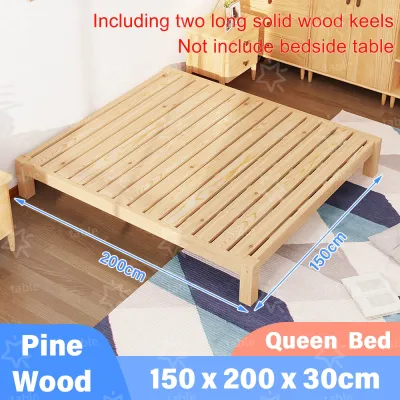
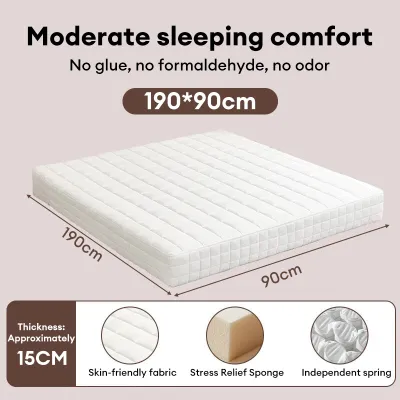
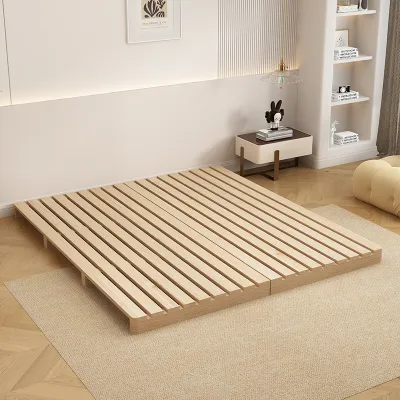
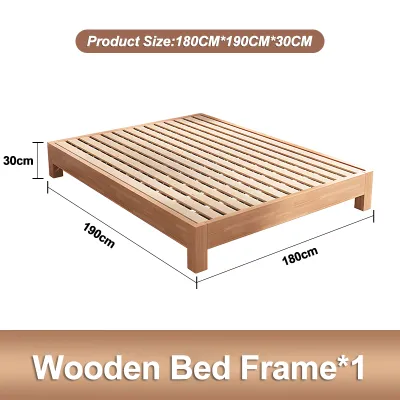
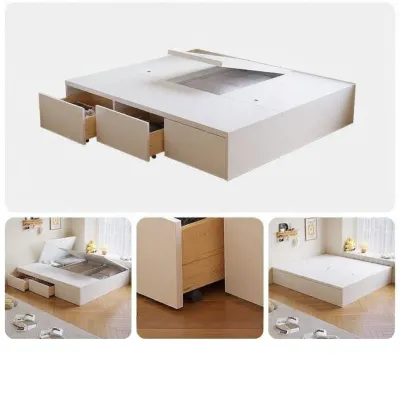
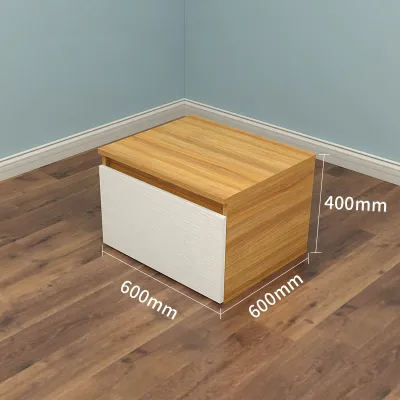
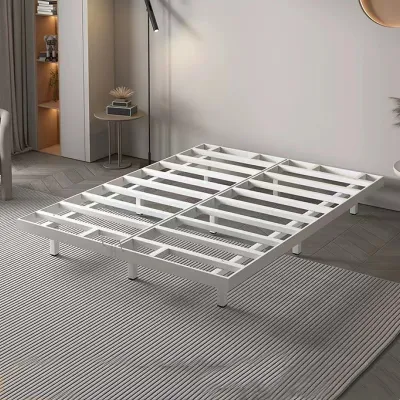
Prices are valid at publication and may change. Please refer to the product page for the latest price.
In contrast, tatami bed frames draw the eye downward with their ultra-low platforms and clean, horizontal lines. Inspired by traditional Japanese interior design, these frames prioritize simplicity and organic textures. Many tatami bases incorporate woven rush-grass mats (tatami) within a low wooden border, introducing a natural, earthy element to the room. This low-profile silhouette creates an illusion of height and airiness, making it an excellent match for modern, minimalist, or loft-style spaces where open vertical space is highly valued.
When selecting a style, consider your existing decor and the overall atmosphere you want to cultivate. A traditional wood frame easily complements rustic, transitional, or classic interiors, providing a cozy and enclosed feel. A tatami base aligns beautifully with Scandinavian, Japanese-minimalist (Japandi), or contemporary aesthetics, promoting an uncluttered, serene environment. Think about whether you prefer the grand, structured presence of an elevated bed or the calm, expansive feel of a grounded sleeping area.
Comfort, Mattress Compatibility, and Daily Use
Daily physical routines and comfort preferences should heavily influence your choice of bed frame. Getting in and out of a low-profile tatami bed requires more knee and hip flexion than rising from a standard-height wood frame. For individuals with joint sensitivity, back pain, or mobility challenges, an elevated wood frame is generally much easier to navigate. The standard height allows you to sit on the edge of the bed with your feet flat on the floor, facilitating a smoother transition to standing.

Mattress compatibility is another critical factor that affects your long-term comfort. Traditional wood frames typically utilize a slatted system or a box spring, which provides excellent bottom-up ventilation. Tatami frames, however, often feature solid platforms or tightly woven mats. If you use a heavy memory foam or latex mattress, you must verify the manufacturer’s ventilation requirements. Some mattresses require continuous airflow from underneath to prevent heat retention and moisture buildup—a vital consideration in warm, humid regions.
Before finalizing your purchase, always check the bed frame’s product specifications for weight limits and support structures. Ensure the frame can safely bear the combined weight of your mattress and the sleepers. While solid wood frames are known for their robust load capacity, tatami platforms also offer exceptional stability due to their low center of gravity. Verifying these structural details prevents premature wear on both the frame and your mattress.
Space Planning and Room Layout Considerations
Room dimensions and spatial footprint are practical realities when furnishing a bedroom. Traditional wood frames, with their elevated designs, offer valuable under-bed storage space. This clearance is ideal for storing seasonal items, extra linens, or storage bins, helping you maximize a limited floor plan. If your home lacks built-in closet space, the under-bed area of a traditional frame serves as a highly functional storage zone.
Tatami frames, because they sit close to or directly on the floor, eliminate under-bed storage entirely. However, their low height can make a small bedroom feel less cramped by leaving more open wall space. This visual “breathing room” is particularly beneficial in compact apartments or condominiums where high-profile furniture can easily overwhelm the space. The absence of under-bed clearance also means there is no space for clutter to accumulate out of sight, encouraging a tidier lifestyle.
Before purchasing either style, measure your room carefully to ensure a comfortable layout. Create a plan that allows at least 60 to 75 centimeters of walking clearance around the sides and foot of the bed. Additionally, compile a measurement checklist for your home’s entry points. Ensure the frame’s packaging or individual components can easily clear tight doorways, narrow hallways, and staircase turns during delivery and assembly.
Maintenance, Durability, and Climate Checks
The tropical climate of the Philippines introduces unique challenges for bedroom furniture, particularly regarding humidity and moisture control. When choosing between these frames, consult the manufacturer’s labels for surface treatments and moisture-resistance ratings. Solid wood frames require high-quality sealants, varnishes, or oils to prevent warping, cracking, or pest infestation in high-humidity environments. Regular inspections of the wood finish help maintain its protective barrier over time.
Tatami frames, especially those incorporating traditional woven rush-grass mats, require active environmental monitoring. Woven materials can trap moisture if the room is not well-ventilated, making regular dehumidification or air conditioning highly beneficial. If you choose a tatami frame with removable mats, it is wise to periodically lift and air them out in a dry, shaded area to prevent mustiness. This extra step ensures the natural fibers remain fresh and durable.
Cleaning routines also differ based on the structural design of each frame. Standard wood frames allow easy access for sweeping or vacuuming underneath, though dust can accumulate quickly in the open space. Tatami frames minimize under-bed dust buildup because they sit flush with the floor, but the platform surfaces and low edges require regular wiping and dusting to maintain a pristine appearance. Always follow the manufacturer’s specific care instructions to preserve the integrity of the materials.
Cost and Value Evaluation
Budgeting for a new bed frame involves looking beyond the initial purchase price to evaluate long-term value. In the local market, prices can range from accessible engineered wood options to premium solid hardwood pieces costing upwards of ₱20,000, depending on the wood species, joinery techniques, and craftsmanship. Investing in a high-quality wood frame often yields decades of use, as solid wood is highly durable and can be refinished if your style preferences change.
Tatami bed frames also vary widely in price. Basic low-profile platform designs are relatively affordable, but authentic models featuring imported rush-grass mats or intricate Japanese joinery can command a premium. When calculating your total investment, factor in potential secondary costs. For instance, a tatami frame might require a specific low-profile mattress to maintain its aesthetic, or specialized cleaning tools to care for woven surfaces without damaging the fibers.
Protect your investment by thoroughly reviewing the manufacturer’s warranty terms and return policies. A robust warranty serves as a key indicator of product durability and brand confidence. Look for warranties that cover structural defects, joint stability, and wood splitting. Understanding the return policy is equally important, especially if you find the low-profile sleeping height uncomfortable after a few nights of trial.
Decision Framework: Which Bed Frame Fits Your Lifestyle?
To finalize your choice, use this practical decision framework based on your daily habits, physical needs, and bedroom goals.
Choose a wood bed frame if:
- You prefer a classic, elevated sleeping position that makes getting in and out of bed effortless.
- You rely on under-bed clearance for extra storage space to keep your bedroom organized and clutter-free.
- Your bedroom decor leans toward traditional, rustic, or transitional styles with standard to high ceilings.
- You want a low-maintenance frame that is easy to sweep under and requires standard dusting.
Choose a tatami bed frame if:
- You want to create a serene, minimalist, or Japandi-inspired bedroom aesthetic that emphasizes natural textures.
- You have a compact room or low ceilings and want to maximize the visual sense of open space.
- You enjoy low-profile living and are comfortable sleeping closer to the floor.
- You are willing to perform regular moisture checks and care for woven natural fibers.
Verify first if:
- You have existing joint or mobility concerns that make low-profile furniture physically challenging.
- Your current mattress requires specific slatted ventilation to maintain its warranty and prevent moisture retention.
- Your bedroom is prone to high humidity without consistent climate control, which may require extra care for woven materials.
Frequently Asked Questions (FAQ)
Can I use a standard spring mattress on a tatami bed frame?
Yes, but you must verify the frame’s support structure and the mattress manufacturer’s guidelines first. Standard spring mattresses require a flat, stable foundation. If the tatami frame features a solid platform or woven mats, ensure it provides adequate support without causing the mattress to sag. Additionally, check the mattress warranty; some manufacturers require specific slatted spacing to ensure proper airflow and prevent moisture buildup, which is especially important in humid climates.
Do wood bed frames require more maintenance than tatami styles?
Not necessarily, but the maintenance tasks differ. Standard-height wood frames require regular dusting and occasional polishing, along with vacuuming the open space underneath to prevent dust accumulation. Tatami frames, particularly those with woven rush-grass elements, require active moisture management to prevent mold in humid environments. While they eliminate under-bed dust bunnies, you must wipe down the low-profile edges and ensure the room remains well-ventilated. Always follow the manufacturer’s care instructions for your specific frame’s finishes.
Community discussion
Share your experience or ask a question. Comments are reviewed before publication.