
A wood pallet bed frame can be a highly appealing DIY project for a child’s bedroom. The rustic, minimalist aesthetic fits perfectly with modern home decor, and the low-profile design seems ideal for toddlers transitioning out of a crib. However, when it comes to children’s furniture, safety must always take precedence over style and budget. The reality is that most wood pallets are manufactured for industrial shipping, not for close, prolonged contact with developing children.
Whether a wood pallet bed frame is safe for your child depends entirely on the history, treatment, and physical condition of the specific pallets you use. Repurposed pallets can harbor hidden dangers, ranging from toxic chemical treatments and industrial residues to physical hazards like splinters, mold, and structural instability. Because children spend up to twelve hours a day sleeping, breathing, and playing on their beds, their exposure to these risks is significantly higher than that of an adult. Before you decide to build or buy a pallet bed, you must understand how to thoroughly evaluate these materials to ensure they do not compromise your child’s health.
Identifying Chemical Risks and Reading Pallet Stamps
To determine if a wood pallet is safe for indoor use, you must first understand how it was treated. International shipping regulations require pallets to be treated to prevent the spread of pests across borders. This treatment history is recorded on a standardized stamp, usually featuring the International Plant Protection Convention (IPPC) logo, along with specific country and treatment codes. Locating and correctly reading this stamp is your first and most critical line of defense.
Products mentioned in this guide
Prices are valid at publication and may change. Please refer to the product page for the latest price.
When inspecting a pallet stamp, look closely at the treatment acronym. The safest option for indoor furniture is “HT,” which stands for Heat Treated. This indicates the wood was heated to a specific core temperature in a kiln to kill pests without the use of chemicals. Conversely, you must absolutely avoid any pallet stamped with “MB,” which stands for Methyl Bromide. Methyl Bromide is a highly toxic chemical fumigant linked to severe neurological and respiratory issues. While its use has been heavily restricted globally, older pallets or those from certain regions still carry this treatment, and the chemical residues can off-gas into your child’s bedroom for years.
Other codes to watch out for include “SF” (Sulfuryl Fluoride), another chemical fumigant, and “KD” (Kiln Dried), which is generally safe but should ideally be paired with an “HT” stamp to guarantee pest eradication. If you encounter a pallet with no stamp at all, do not assume it is safe. Unmarked pallets are often domestic utility pallets that may have been treated with unregulated chemical preservatives, or they may have been manufactured under lax safety standards.
Beyond the manufacturing treatments, you must consider the pallet’s operational history. Pallets are designed to transport goods, which means they spend their lifespans on dirty warehouse floors, in shipping containers, and on the backs of open trucks. They are frequently exposed to chemical spills, pesticide runoff, bird droppings, and bacterial contamination. In tropical climates with high humidity, like the Philippines, wood easily absorbs these liquid contaminants, creating a breeding ground for deep-seated mold and bacteria that cannot be simply washed away. If you cannot verify the exact origin and clean history of a pallet, the safest decision is to reject it entirely for a child’s sleeping area.
Inspecting for Physical Hazards and Structural Stability
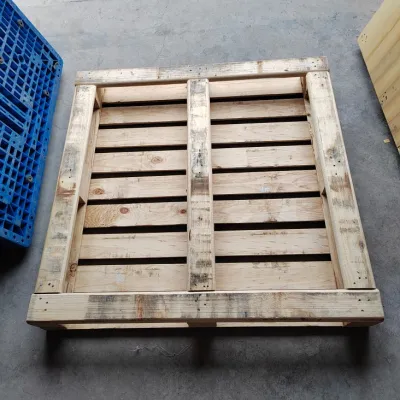
Once you have verified that a pallet is chemically safe, you must conduct a rigorous physical inspection. Industrial pallets are built for utility and heavy loads, not for the delicate skin and active movements of children. The wood used is typically rough-sawn, low-grade lumber that is highly prone to splintering. Running a hand along an unfinished pallet can result in deep, painful splinters that can easily become infected, especially on a child’s sensitive skin.

You must also inspect the fasteners holding the pallet together. Pallets are assembled using heavy-duty spiral nails, staples, or screws designed to withstand immense pressure. Over time, as the wood dries, warps, or shifts, these metal fasteners can back out of the wood. A protruding nail or staple can cause serious cuts, puncture wounds, or snag your child’s bedding and clothing. You will need to examine every joint, underside, and corner, removing or countersinking any exposed metal.
Another critical safety dimension is the spacing between the pallet slats. Standard children’s beds are subject to strict safety regulations regarding gap dimensions to prevent entrapment. If the gaps between the slats on your pallet frame are too wide, a child’s arm, leg, or even head could slip through and become trapped. Generally, gaps should be narrow enough to prevent a child’s limbs from slipping through, or you should cover the entire top surface of the pallet with a solid, sanded sheet of plywood before placing the mattress on top.
Finally, evaluate the overall stability and weight capacity of the structure. Children do not just sleep on their beds; they jump, play, and climb. A single pallet is not designed to distribute dynamic, localized weight safely. If you stack pallets to create a taller bed, they must be securely fastened together with heavy-duty steel brackets and screws, rather than simply piled on top of one another. Additionally, ensure the bed frame is low enough to the ground so that if your child accidentally rolls out of bed, the risk of injury from a fall is minimized.
Preparing, Sealing, and Maintaining the Bed Safely
If you have sourced certified heat-treated pallets with a clean history, you must still undergo a rigorous preparation process to make them suitable for a child’s room. The first step is extensive sanding. You cannot achieve a safe surface with a quick hand-sanding. You will need a power sander, starting with a coarse 80-grit sandpaper to level out the rough grain, transitioning to a medium 120-grit, and finishing with a fine 220-grit sandpaper. Every edge and corner must be rounded off to eliminate sharp points that could cause injury during play.
Sanding alone is not enough, as raw wood fibers can still lift and splinter over time due to friction and humidity. To prevent this, you must apply a high-quality, non-toxic sealant. Look for water-based polyurethanes, zero-VOC (Volatile Organic Compound) paints, or natural, food-safe oils like pure tung oil. Avoid solvent-based varnishes that release strong chemical fumes. Apply at least three coats of your chosen finish, allowing ample drying and curing time between coats. Once finished, let the bed frame cure in a well-ventilated space outside the child’s room for at least a week, or until there is absolutely no detectable odor.
Maintaining a DIY pallet bed requires ongoing vigilance. Wood is a natural, dynamic material that responds to environmental changes. In humid tropical regions, wood expands and contracts significantly, which can loosen joints, back out screws, or cause new splinters to emerge. Establish a monthly maintenance schedule to inspect the bed frame. Tighten any loose hardware, check for structural shifting, and run your hand over the wood to feel for any newly raised grain that requires touch-up sanding and sealing.
You must also establish clear stopping conditions for the bed’s use. If you notice signs of mold growth, wood rot, or a persistent musty smell, you must dismantle and discard the frame immediately. Mold spores can severely impact a child’s respiratory health, triggering allergies or asthma. Similarly, if you detect any signs of wood-boring insects, such as fine wood dust or small holes, remove the bed from the home to prevent an infestation from spreading to your floors and other furniture.
Choosing Safer Alternatives if Pallets Fail Your Check
The time, effort, and specialized tools required to safely prepare a recycled pallet bed can be overwhelming. When you calculate the cost of safety gear, power sanders, sandpaper, high-quality non-toxic sealants, and the hours spent sourcing and scrubbing the wood, a DIY project may not actually be the most economical choice. If the pallets you have access to do not meet every single safety check, it is far better to invest in a purpose-built alternative.
Standard children’s bed frames are engineered specifically for safety, durability, and health. They are constructed from clean, virgin timber or high-quality manufactured wood that has never been exposed to industrial chemicals, outdoor elements, or hazardous cargo. These commercial beds are designed to meet strict safety standards, ensuring that slat spacing, guardrail heights, and weight capacities are thoroughly tested and certified.
When shopping for a new children’s bed frame, prioritize models that feature rounded edges, sturdy solid-wood slats, and non-toxic, certified low-emission finishes. Many reputable manufacturers provide detailed specifications online, allowing you to verify the materials used and the weight limits of the frame. Choosing a certified, purpose-built bed frame eliminates the guesswork and hidden risks of DIY pallets, giving you peace of mind that your child is sleeping in a truly safe and healthy environment.
Frequently Asked Questions (FAQ)
Is it safe to use pallets sourced from local retail stores?
Generally, no. Pallets sourced from local grocery stores, supermarkets, or hardware stores carry a high risk of contamination. These pallets are frequently exposed to organic food spills, which can rot and breed bacteria deep within the wood fibers. They are also subject to chemical leaks from household cleaners or fertilizers, and rough handling by forklifts can cause internal structural damage that is not visible to the naked eye. Unless you can verify the pallet’s exact origin and treatment stamp, it is safer to avoid retail-sourced pallets for a child’s bed.
How should I protect the wood from moisture and pests?
In humid tropical environments, protecting wood from moisture and pests like termites is a major challenge. To protect a child’s bed frame safely, never use commercial chemical pesticides or wood preservatives, as these release toxic fumes that are unsafe for a child to breathe. Instead, ensure the wood is completely dry before you begin building, and seal it thoroughly on all sides with a water-resistant, non-toxic sealant. Keep the bed elevated slightly off the floor to promote airflow, maintain good ventilation in the bedroom, and perform regular visual inspections for any signs of pest activity or moisture buildup.
Community discussion
Share your experience or ask a question. Comments are reviewed before publication.