
Choosing the right wood for your bookcases and shelves depends on what you plan to store, your budget, and the environmental conditions of your home. While solid wood offers classic beauty and long-term durability, engineered wood options like plywood, medium-density fiberboard (MDF), and particleboard provide cost-effective and highly stable alternatives. In a tropical climate like the Philippines, factors such as high humidity and moisture levels play a critical role in how different wood materials perform over time. Understanding these material characteristics allows you to select shelving that remains sturdy, level, and visually appealing for years to come.
Solid Wood vs. Engineered Wood: Core Differences for Shelving
Solid wood and engineered wood represent two distinct approaches to furniture construction, each with its own structural behavior and aesthetic appeal. Solid wood is sourced directly from timber, retaining the natural grain patterns, knots, and unique textures of the tree. This material is highly prized for its organic look and the ability to be sanded down and refinished multiple times. However, solid wood is naturally porous, meaning it can expand and contract in response to seasonal humidity changes, which is a vital consideration in warm, humid environments.
Engineered wood, on the other hand, consists of wood fibers, veneers, or particles bonded together with adhesives under high pressure. Common examples include plywood, which features layered wood veneers glued in alternating directions for high cross-grain strength. Medium-density fiberboard (MDF) is made from fine wood fibers, resulting in a highly smooth, uniform surface that resists warping but lacks a natural grain. Particleboard, constructed from coarser wood chips, is a lightweight and budget-friendly option often finished with a laminate or paper foil veneer.
Products mentioned in this guide
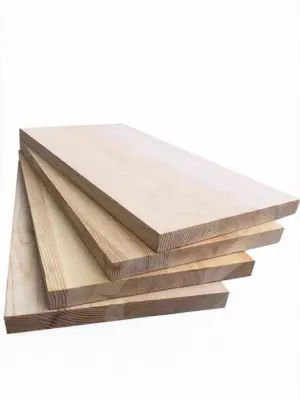

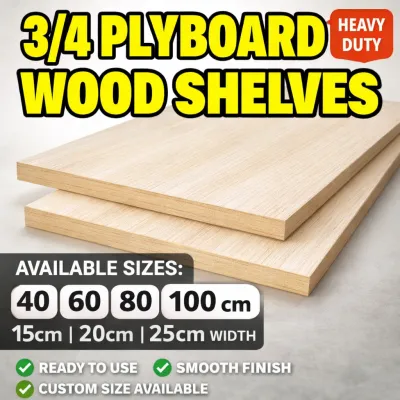

Prices are valid at publication and may change. Please refer to the product page for the latest price.
When browsing shelves, you should carefully inspect product labels and manufacturer specifications to identify the exact material composition. Look for details regarding the core material and the surface treatment, such as whether a piece uses a natural wood veneer, a melamine laminate, or a paper wrap. Checking these specifications helps you understand how the shelf will react to daily wear, cleaning, and ambient moisture.
Matching Wood Materials to Your Storage Needs
To choose the right material, you must first assess what items will sit on your shelves. Heavy items like encyclopedias, textbooks, ceramic pots, or dense collectibles place continuous stress on a shelf, which can lead to a visible downward curve known as sagging. If you notice existing shelves bowing in the middle or pulling away from their side supports, these are clear signs that the material or the span length is inadequate for the load.

For heavy-duty storage, thicker solid wood or high-grade plywood is generally the most reliable choice. Plywood, with its cross-laminated structure, resists bending under heavy loads and holds screws securely, making it highly suitable for wide spans. Solid hardwoods also offer high structural stiffness, allowing them to support substantial weight without bowing, provided the shelf thickness is sufficient. When planning a home library or a pantry for heavy kitchen appliances, prioritizing these robust materials prevents structural failure.
Conversely, lighter engineered materials like MDF and particleboard are highly suitable for decorative displays, lightweight novels, framed photos, and small ornaments. Because MDF has a flat surface, it is a suitable canvas for sleek, painted finishes in modern living rooms or home offices. Particleboard works well for budget-conscious setups or temporary storage solutions, provided the shelves are not overloaded or exposed to direct moisture.
Rather than relying solely on the material name, always verify the manufacturer’s specified weight limits and recommended span lengths. A thin solid wood shelf can sag if it is too long without intermediate support, while a well-engineered MDF shelf with a shorter span might perform beautifully. Matching the shelf’s physical dimensions and material grade to your specific storage inventory ensures long-term stability.
Evaluating Weight Capacity and Shelf Stability
Determining whether a bookcase can safely support your belongings requires looking beyond aesthetics to evaluate its physical construction and hardware. Start by locating the load capacity ratings in the product manual, assembly instructions, or manufacturer specification sheets. These ratings are typically expressed as a maximum weight per shelf, assuming the load is distributed evenly across the entire surface rather than concentrated in one spot.
Next, perform a physical check of the shelf’s thickness and its supporting components. Thicker shelves, typically starting at 18 millimeters or more, offer significantly greater resistance to bending than thinner options. Examine how the shelves are supported; sturdy metal shelf pins, heavy-duty brackets, or dado joints (where the shelf slides into a groove in the side panel) provide greater stability compared to flimsy plastic pegs. Additionally, a solid, securely attached backing board adds immense structural rigidity to a bookcase, preventing it from swaying or leaning sideways under a load.
If a product does not state its weight limits, or if the included brackets and support pins appear thin and fragile, it is best to pause and reconsider. In such cases, you should consult the manufacturer for clarification or choose a different product that explicitly details its load-bearing capacity. Relying on a material name alone does not guarantee safety, as the overall structural design, joint quality, and mounting hardware play an equally critical role in shelf stability.
Balancing Aesthetics, Maintenance, and Budget
Your choice of shelving material will inevitably influence your upfront costs, long-term maintenance routine, and the overall look of your space. Solid wood furniture generally sits at a higher price tier due to the cost of raw timber and the craftsmanship required for construction. However, this initial investment is often offset by the material’s longevity, as solid wood can be repaired, sanded, and refinished to match changing decor styles over decades.
When comparing price tags in ₱, engineered wood options offer a highly accessible entry point, with particleboard and MDF occupying the more budget-friendly tiers. When evaluating engineered wood, pay close attention to the quality of the edge banding and the thickness of the surface veneer or laminate. High-quality edge banding seals the inner core from moisture and prevents peeling, which is especially important in tropical climates where high humidity can cause unprotected engineered wood to swell or degrade.
Routine maintenance for all wood shelves involves regular dusting with a dry or slightly damp microfiber cloth. For engineered wood, it is crucial to avoid excess moisture and never allow standing water to pool on the surface, as this can cause the fibers to swell and ruin the finish. When purchasing new shelving, always check the warranty terms and return policies specifically for clauses regarding surface defects, finish peeling, or structural warping to ensure your investment is protected.
Frequently Asked Questions (FAQ)
Can I paint or stain engineered wood shelves?
Yes, but the preparation process depends entirely on the surface finish of your engineered wood. If your shelves have a raw wood veneer, you can lightly sand them and apply a wood stain or paint to highlight the grain. However, if the shelves are finished with a smooth melamine laminate or plastic foil, standard wood stains will not penetrate the surface. For these non-porous laminated surfaces, you must use a high-quality bonding primer designed for laminate before applying your choice of paint. Always consult the manufacturer’s care guide first, as modifying the finish can void any active product warranties.
How do I prevent wooden shelves from sagging over time?
To prevent sagging, distribute the weight of your items evenly across the shelf, placing the heaviest books or objects closest to the vertical support sides or brackets rather than in the center. Periodically check and tighten all assembly hardware, screws, and support brackets to ensure the structure remains rigid. Additionally, never exceed the manufacturer’s stated weight limits or attempt to span a wide distance without installing intermediate support brackets. If you notice a shelf beginning to bow, reducing the load immediately or adding a center support can prevent permanent warping.
Community discussion
Share your experience or ask a question. Comments are reviewed before publication.