
When shopping for a child’s bed, the type of bed wood you choose directly impacts how long the furniture will last, how safe it is, and whether it can survive years of active play. If absolute durability and structural longevity are your primary goals, solid hardwoods like mahogany or oak are the gold standard. These dense woods resist dents and structural wear better than any other material.
For most families, however, the ideal balance of safety, durability, and value lies in medium-density hardwoods like rubberwood, or resilient softwoods like pine. These materials provide excellent structural integrity at a more accessible price point.
Engineered wood options, such as Medium-Density Fiberboard (MDF) or plywood, serve as budget-friendly alternatives. While they are highly practical for short-term use, they generally lack the long-term structural resilience and multi-assembly durability of solid wood.
Products mentioned in this guide
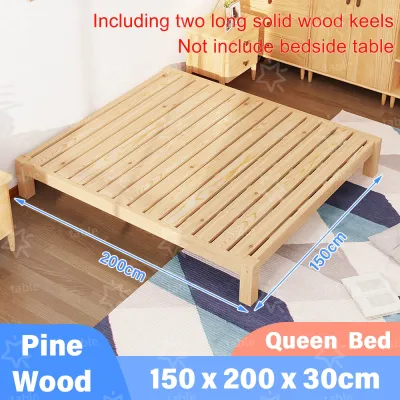
![[Really To Ship] 36-70 Inch Solid Wood Bed Width Modern Simple Family Single Double Bed Economy Bedroom Furniture Bed 2M Long Bed Queen Bed King Bed Full Double Bed](https://img.lazcdn.com/g/p/9204adc358463926f3edad92be4da2d7.jpg_400x400q80.jpg_.webp)
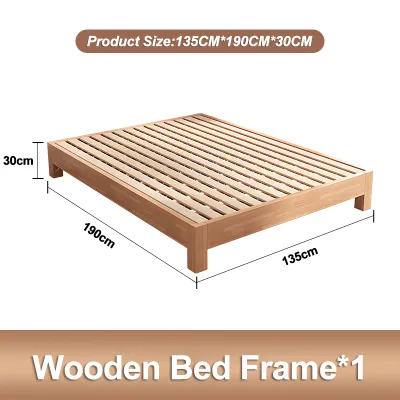
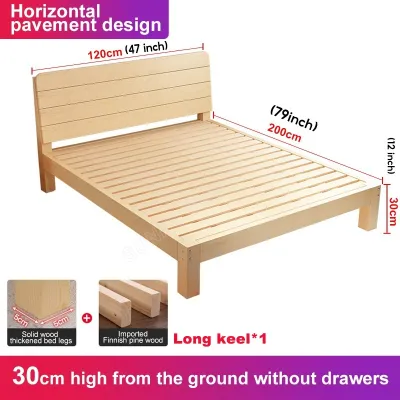
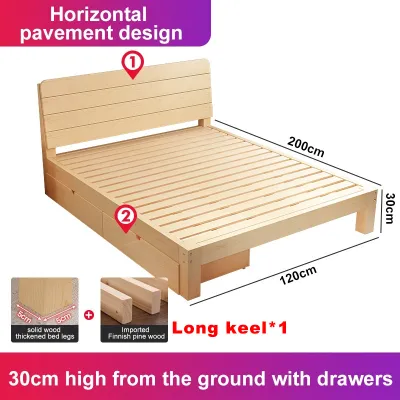
Prices are valid at publication and may change. Please refer to the product page for the latest price.
Ultimately, selecting the best wood involves balancing your family’s budget, the expected lifespan of the bed—such as whether you plan to pass it down to younger siblings—and verifying that the finishes used on the frame are completely safe for children.
Solid Wood vs. Engineered Wood: The Core Decision
Before exploring specific wood species, it is essential to understand the fundamental differences between the two primary material categories: solid wood and engineered wood. This distinction forms the basis of your bed wood purchase decision, affecting everything from daily wear to assembly.
Solid wood is milled directly from single pieces of timber, preserving the natural grain, density, and fiber structure of the tree. This organic composition gives solid wood outstanding structural strength. A solid wood bed can withstand the high-energy environment of a child’s bedroom, including jumping, roughhousing, and the physical stress of being disassembled and reassembled during home moves.
Engineered wood, on the other hand, consists of composite materials manufactured by binding wood fibers, particles, or thin veneers together with adhesives. Common types include MDF, particleboard, and plywood. While engineered wood provides a highly uniform, smooth surface that resists warping from temperature changes, it is structurally more vulnerable. Over time, screw holes in composite boards can strip, and heavy loads may cause the panels to sag or crack under sudden impacts.
Safety and chemical emissions represent another critical comparison point. Because engineered wood relies on resins and binders during manufacturing, there is a potential risk of chemical off-gassing. Rather than assuming all composite woods are hazardous, parents should carefully check product labels for low-VOC (volatile organic compounds) or formaldehyde-free certifications, such as CARB Phase 2 compliance, before buying.
From a value perspective, engineered wood features a lower upfront cost, making it highly attractive for temporary setups. However, solid wood offers superior long-term value. If you intend for the bed to survive childhood, transition to a younger sibling, or retain resale value, investing in solid wood is more cost-effective over its lifecycle.
Common Solid Wood Types for Kids Beds
Different tree species yield wood with distinct physical properties, weights, and price points. Understanding these characteristics allows you to select a bed wood that matches your child’s habits and your home’s environmental conditions.

Pine (Softwood)
Pine is a highly popular, widely available softwood that serves as an affordable entry point into solid wood furniture. It is lightweight, making it easy to move, rearrange, or transport during a move. Its natural light tone and prominent grain patterns offer a classic, warm, or rustic aesthetic that fits beautifully into many children’s bedroom designs.
However, because pine is classified as a softwood, its physical structure is relatively gentle. This means a pine bed frame is highly susceptible to superficial wear, such as dents, dings, and deep scratches from toys, shoes, or accidental impacts. While these marks do not necessarily compromise the bed’s structural safety, they will alter its appearance over time.
In the warm, highly humid tropical climate of the Philippines, wood is subjected to significant seasonal expansion and contraction. When purchasing a pine bed, it is vital to check the manufacturer’s specifications to ensure the timber has been kiln-dried. Properly kiln-dried pine has had its moisture content stabilized, which greatly minimizes the risk of the frame warping, cracking, or splitting in high-humidity environments.
Rubberwood (Medium-Density Hardwood)
Rubberwood has rapidly become one of the most popular materials for children’s furniture due to its exceptional sustainability and robust physical properties. Sourced as a byproduct of the latex-producing industry, rubberwood trees are harvested for furniture only after they reach the end of their rubber-producing lifecycle. This makes it an eco-friendly, highly renewable choice for environmentally conscious parents.
As a medium-density hardwood, rubberwood boasts a dense grain structure that provides excellent natural resistance to warping and shrinkage. It is significantly harder than pine, meaning it can withstand the daily bumps and scrapes of a child’s room without showing immediate wear. Its tight grain also takes stains and protective finishes beautifully, resulting in a smooth, uniform appearance.
For the majority of families, rubberwood represents the ideal “sweet spot” in children’s furniture. It delivers the structural durability, weight capacity, and resilience of traditional hardwoods, but at a price point that is much closer to softwood or high-end engineered options. This balance of performance and value makes it a highly practical investment.
Mahogany and Other Hardwoods
For parents seeking maximum longevity, premium hardwoods like mahogany, oak, or maple offer unmatched durability. Mahogany, which is widely harvested and expertly crafted by local artisans in the Philippines, is particularly renowned for its deep, rich coloration and exceptional strength. These dense hardwoods are highly resistant to deep dents, scratches, and structural fatigue.
The primary benefit of a premium hardwood bed is its heirloom quality. These frames are built to last for decades, easily surviving the transition from toddlerhood to the teenage years, and can be passed down through multiple generations without losing structural integrity. They provide a rock-solid foundation that remains stable even under heavy, active use.
However, these premium materials come with clear trade-offs. Hardwood beds carry a significantly higher price tag, reflecting the slow growth rate of the trees and the labor-intensive crafting process. Additionally, these woods are incredibly heavy. This weight makes moving, assembling, or rearranging the bedroom a challenging task that typically requires multiple people.
When investing in premium hardwood, always verify the wood’s origin and treatment process. Ensure the manufacturer uses legally sourced timber and non-toxic, child-safe preservation treatments to guarantee that the bed is as safe for your home’s indoor air quality as it is structurally secure.
Crucial Safety and Construction Checks Beyond Wood Type
While the choice of bed wood is a fundamental factor in durability, the material itself does not guarantee a safe or long-lasting bed. The overall construction quality, assembly hardware, and surface treatments play an equally critical role in ensuring your child’s safety.
Beyond the wood type, practical logistics are vital when purchasing a bed. Always measure your child’s bedroom to ensure the finished dimensions fit comfortably with adequate clearance. Consider doorway, hallway, and lift access in your home to avoid delivery bottlenecks, and verify the frame’s load capacity and stability. If you live in a high-rise condominium in the Philippines, checking assembly conditions and anchoring options for bunk beds is a key safety practice.
Finishes and Paints: Children frequently touch, lean against, or even bite their bed frames, especially during toddlerhood. It is crucial to verify that all paints, stains, and protective sealants applied to the wood are non-toxic, lead-free, and water-based. Look for explicit compliance with international safety standards, such as EN71-3 (the European standard for toy safety) or local regulatory certifications, on the product packaging or manufacturer’s specifications.
Joinery and Hardware: The joints of a bed frame bear the brunt of a child’s movement. High-quality wooden joints—such as mortise-and-tenon connections or heavy-duty wooden dowels—provide superior structural stability compared to frames held together solely by glue, nails, or staples. Additionally, inspect the metal hardware; look for thick, recessed steel bolts that can be tightened periodically to prevent the frame from wobbling or squeaking over time.
Slat Support: The mattress support system is vital for safety and comfort. Examine the bed slats to ensure they are thick, wide, and spaced closely together (typically no more than 7 to 8 centimeters apart). Weak or widely spaced slats can bow, crack, or slip out of place under sudden weight, potentially causing the mattress to fall through and injuring your child.
Guardrails and Edges: For younger children, toddler beds, or bunk beds, safety guardrails are essential to prevent falls. Ensure that any guardrails are securely integrated into the main frame design rather than held by weak, temporary brackets. Additionally, run your hand along the entire frame to check for smoothly rounded edges and corners, which significantly reduce the risk of painful bumps or cuts during active play.
How to Choose the Right Bed Wood for Your Child's Needs
Selecting the perfect bed wood requires matching the material’s properties with your child’s current developmental stage, your long-term family plans, and your local living environment.
For Toddlers (Short-term use): If you are purchasing a transitional toddler bed that your child will outgrow in two to four years, engineered wood or pine is often the most practical choice. Because the bed has a limited utility window, the lower cost of these materials allows you to save your furniture budget for a larger, long-term bed when they reach school age.
For School-Aged Kids (Long-term use): For children aged six and up, a bed must accommodate rapid physical growth, heavier weight, and more active bedroom play. In this scenario, rubberwood or premium hardwoods are highly recommended. These materials offer the necessary load capacity and structural durability to support your child comfortably through their teenage years.
For Hand-Me-Downs: If you plan to pass the bed down to younger siblings or eventually resell it, prioritize solid hardwood frames. The wear and tear of being disassembled, moved to a different room, and reassembled can destroy weak joint tracks in engineered wood, whereas solid wood frames maintain their structural integrity through multiple setups.
Maintenance in Humid Climates: Living in a tropical environment like the Philippines requires specific care to protect wooden furniture from mold, mildew, and wood rot. Always consult the manufacturer’s care instructions before applying any cleaning agents. To maintain your bed wood, keep the frame away from direct sunlight to prevent fading and warping, and manage indoor humidity by ensuring proper ventilation or using a dehumidifier in damp rooms.
Frequently Asked Questions (FAQ)
Is MDF safe for kids' beds?
Yes, MDF can be completely safe for children’s beds, provided it is manufactured to meet strict low-emission standards. When shopping, look for certifications such as CARB Phase 2 or EPA TSCA Title VI compliance on the product label, which guarantee extremely low formaldehyde emissions. To ensure maximum safety, assemble the bed in a well-ventilated space and allow it to air out for a few days before your child begins sleeping in it.
How can I protect a pine bed from getting scratched?
Because pine is a soft wood, protecting it requires minimizing hard impacts. Keep hard plastic or metal toys away from direct contact with the frame, and apply protective felt pads to any areas where the bed might rub against walls or other furniture. Always review the manufacturer’s care guide and warranty before applying any aftermarket protective sealants or polyurethane coats, as unauthorized modifications can void your warranty or introduce unwanted chemical fumes.
Community discussion
Share your experience or ask a question. Comments are reviewed before publication.