
Choosing a wrought iron sideboard is an excellent way to introduce structural stability, timeless character, and a striking focal point into your dining space. However, before committing to this heavy-duty material, you must understand how its physical properties will interact with your home’s layout, daily habits, and local climate. While iron offers exceptional longevity, its substantial weight and susceptibility to moisture require careful planning.
A high-quality wrought iron sideboard serves as more than just storage; it acts as an anchor for your dining room design. Deciding whether this material fits your lifestyle involves evaluating its physical weight, structural composition, and maintenance needs. By understanding these factors, you can select a piece that remains both beautiful and functional for decades.
What Makes Wrought Iron Unique for Dining Furniture?
Historically, genuine wrought iron is a highly malleable material produced through a traditional forging process. This hand-worked metal features a low carbon content and fibrous slag inclusions, giving it a distinctive textured grain and remarkable tensile strength. Blacksmiths historically hammered and bent this heated iron into intricate, organic shapes, making each piece unique.
Products mentioned in this guide
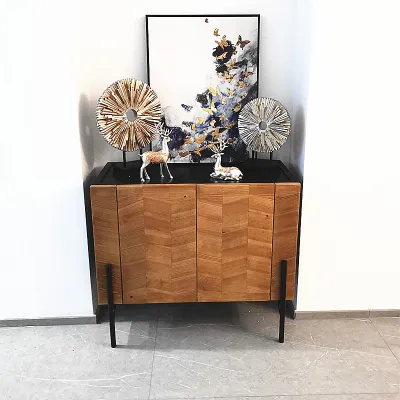
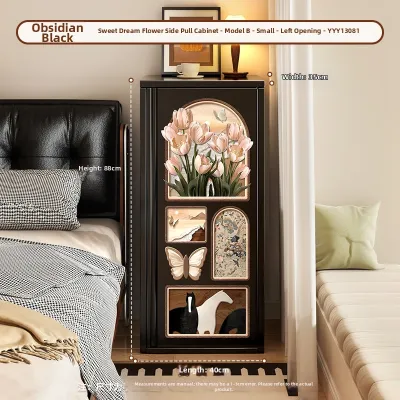
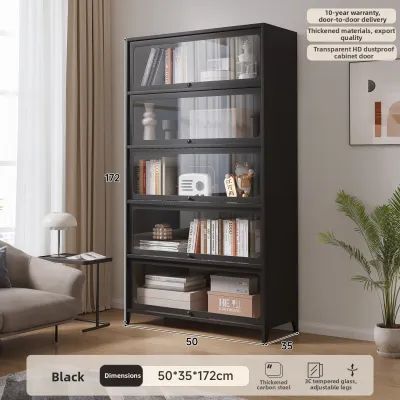
Prices are valid at publication and may change. Please refer to the product page for the latest price.
In modern furniture manufacturing, however, the term “wrought iron” is frequently used as a stylistic descriptor rather than a literal material classification. Much of the contemporary furniture marketed under this name is actually crafted from mild steel or cast iron. These metals are shaped, welded, and finished to replicate the classic, hand-forged aesthetic of traditional ironwork at a more accessible scale.
Because of this variation in production, you should always check the manufacturer’s exact material specifications and product labels before buying. Understanding whether a sideboard is made of solid forged iron, hollow steel tubing, or cast iron will directly impact your expectations for its weight, cost, and long-term durability. Knowing the true composition helps you make an informed investment.
Evaluating the Durability, Weight, and Stability of a Wrought Iron Sideboard
The sheer weight of iron is one of its most defining characteristics, presenting both benefits and logistical challenges. A solid iron frame provides unmatched stability, ensuring the sideboard will not tip over or wobble under a heavy load. However, this weight makes delivery and installation a complex task that requires careful preparation.

Before finalizing your purchase, measure your home’s entryways, hallways, stairwells, and elevator doors to ensure the piece can be safely maneuvered. If you live in a multi-story home or a high-rise condominium, you must also verify the load-bearing capacity of your floors. Extremely heavy iron furniture can place concentrated stress on suspended timber floors or delicate ceramic tiles, sometimes requiring protective floor pads to distribute the weight.
In terms of structural stability, a wrought iron sideboard easily outperforms solid wood or engineered wood when resisting daily wear and tear. It is virtually immune to the deep dents, warping, and structural bowing that can affect wood when subjected to heavy dining storage. This resilience makes it ideal for supporting heavy ceramic dinnerware, serving platters, and glassware collections.
Despite the durability of the metal frame, many wrought iron sideboards feature mixed-material designs. The shelves, cabinet doors, and top surfaces are often constructed from secondary materials such as tempered glass, solid wood, or natural stone. Each of these materials introduces its own weight limits and care requirements, which you must evaluate alongside the iron frame to ensure the entire piece suits your lifestyle.
Aesthetic Appeal and Design Versatility
Wrought iron brings a distinctive visual texture to a dining room, making it highly versatile across several interior design styles. Its dark, matte qualities naturally complement industrial, rustic, Mediterranean, and modern farmhouse aesthetics. The exposed joints and textured surfaces evoke a sense of craftsmanship that softens the clean, sterile lines of contemporary spaces.
The final appearance of your sideboard depends heavily on its factory finish. Common options include matte black powder coating, antique bronze, and hand-distressed finishes that mimic natural aging. These finishes interact dynamically with your dining room lighting, absorbing or softly reflecting light to create a warm, inviting atmosphere during evening meals.
Because iron is visually dense, a solid metal sideboard can easily dominate a small or poorly lit dining area. To prevent the piece from feeling too imposing, look for designs that incorporate open shelving, glass door panels, or light-colored wood tops. Placing the sideboard against a lighter accent wall also helps balance the room’s visual weight, keeping the space feeling open and airy.
Maintenance and Rust Prevention in Humid Climates
While iron is incredibly tough, it is inherently vulnerable to oxidation when exposed to moisture. In tropical or highly humid environments, such as during the wet season in the Philippines, ambient moisture in the air can react with the metal. This reaction can lead to rust if the furniture is not properly maintained or if its protective coating is compromised.
Routine cleaning is your first line of defense against oxidation. Use a soft, dry, or slightly damp microfiber cloth to dust the frame regularly, ensuring you reach into any intricate scrolls or crevices where dust and moisture tend to accumulate. Never use abrasive scrubbing pads, steel wool, or harsh chemical solvents, as these can easily scratch and strip away the protective factory coatings.
To safeguard your investment, always consult the manufacturer’s care label before applying any maintenance products. Some brands recommend periodic applications of specialized furniture wax or clear protective sealants to maintain a barrier against humidity. Additionally, using coasters, placemats, and hot pads on the sideboard’s surfaces will protect both the metal and any secondary materials from liquid spills and heat damage.
Managing the indoor environment of your dining room also plays a significant role in preventing rust. Ensure the room has consistent ventilation, especially during humid months. Running ceiling fans, utilizing air conditioning, or placing a dehumidifier near the dining area will significantly reduce ambient moisture, keeping your sideboard dry and rust-free.
How to Inspect and Choose a Quality Wrought Iron Sideboard
When shopping for a sideboard, a close physical inspection is essential to verify that the piece is built to last. Begin by examining the joints and welds where the metal pieces meet. High-quality craftsmanship is characterized by smooth, continuous welds that are free of sharp burrs, rough splatter, or visible hairline cracks.
Next, inspect the quality of the protective coating across the entire frame. The paint or powder coat should be completely uniform, with no signs of bubbling, peeling, or thin spots. Areas where the coating is uneven or chipped are highly vulnerable to moisture penetration, which can cause rust to develop underneath the finish.
You should also test all moving parts, including drawers, hinges, and cabinet doors. Because iron frames are heavy and rigid, any slight misalignment during manufacturing or assembly can cause doors to drag or drawers to bind. Ensure that all hardware operates smoothly and that doors align perfectly when closed, indicating a square and stable frame.
Finally, check the base of the sideboard to ensure it sits flat on the floor. Quality iron furniture should feature adjustable leveling feet, which allow you to compensate for uneven flooring surfaces like rustic tiles or settled wooden planks. These levelers prevent structural twisting and eliminate wobbling, while non-marking rubber or felt pads on the feet protect your floors from scratches.
Frequently Asked Questions (FAQ)
Can I use a wrought iron sideboard outdoors or on a balcony?
Unless the manufacturer explicitly rates and seals the sideboard for outdoor use, you should keep it strictly indoors. Standard indoor wrought iron lacks the specialized, weather-resistant coatings required to withstand direct rain, intense sunlight, and high outdoor humidity, which will cause rapid rusting and structural degradation.
How do I fix minor scratches or rust spots on my iron sideboard?
To address minor surface damage, first check the manufacturer’s care guidelines for recommended touch-up procedures. Generally, you can gently sand the affected spot with fine-grit sandpaper to remove surface rust or loose paint, wipe the area clean of dust, and apply a matching, manufacturer-approved touch-up paint. For deep structural rust or extensive damage, consult a professional furniture refinisher.
Community discussion
Share your experience or ask a question. Comments are reviewed before publication.