
Finding the right seating solution for your workspace is a critical decision, especially when balancing comfort, physical health, and budget. In the Philippine market, the mid-range office seating category has become highly competitive, with prices ranging from ₱3,000 to ₱15,000. Among the notable contenders in this segment is the xpanse ergonomic chair t10, a model designed to bridge the gap between basic utility and premium ergonomic support.
To determine whether this chair is the right investment, you must evaluate how its specific features align with your daily physical demands, your workspace layout, and your budget constraints. This comparison analyzes the Xpanse T10 alongside common market alternatives to help you make an informed, practical decision.
Quick Answer: Is the Xpanse Ergonomic Chair T10 the Best Value?
The value of the xpanse ergonomic chair t10 is not absolute; instead, it depends heavily on your specific physical requirements and how many hours you spend at your desk daily. Positioned in the middle of the ₱3,000 to ₱15,000 price bracket, the T10 serves as a transitional model. It offers more robust lumbar support and better structural adjustments than entry-level utility chairs, without reaching the premium price point of high-end commercial office furniture.
Products mentioned in this guide
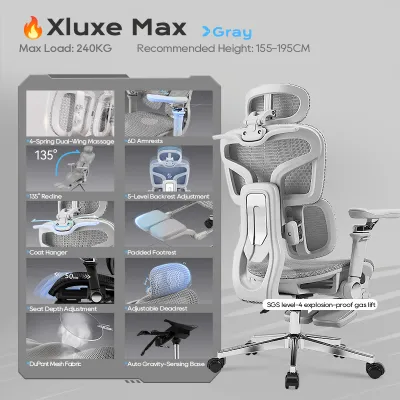
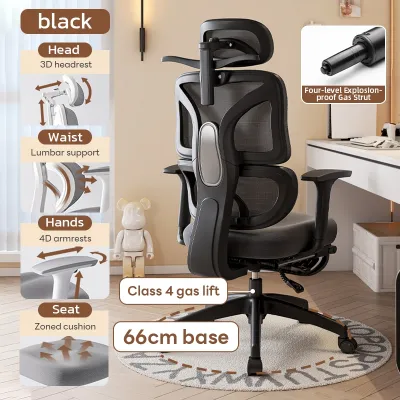
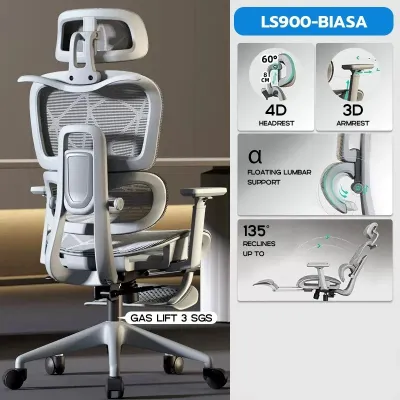
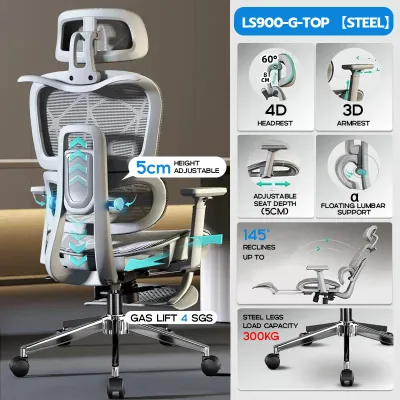
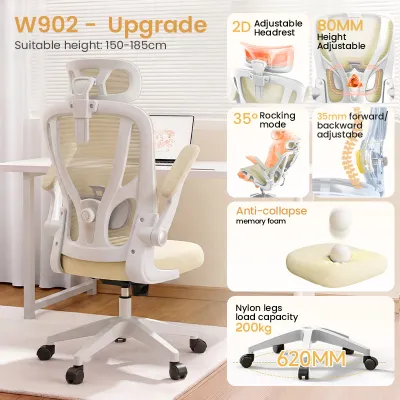
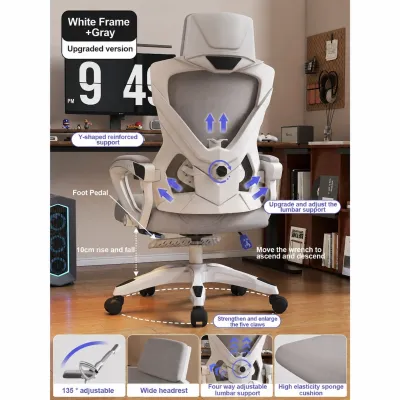
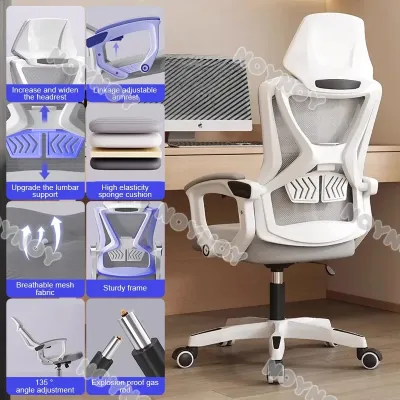
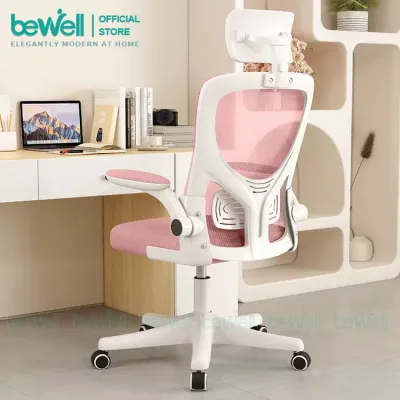
Prices are valid at publication and may change. Please refer to the product page for the latest price.
For users seeking reliable lumbar targeting and a highly breathable mesh design suitable for warm environments, the Xpanse T10 presents a highly competitive option. It delivers essential ergonomic adjustments that prevent standard slouching and reduce lower back strain during typical work sessions.
However, if your daily routine demands advanced features such as independent seat depth sliding, highly adjustable 3D or 4D armrests, or a heavy-duty aluminum alloy base, you may need to look toward the upper limit of the ₱15,000 range. Conversely, if you only require a chair for casual, short-duration use of two to three hours per day, a simpler model in the ₱3,000 to ₱7,000 range may be more financially practical.
What to Expect from Ergonomic Chairs Priced ₱3K to ₱15K
Navigating the ₱3,000 to ₱15,000 price range requires an understanding of what features are standard at different price tiers. This knowledge prevents unrealistic expectations and helps you identify where manufacturers might have cut corners to meet a specific price point.

In the entry-level tier (₱3,000 to ₱7,000), ergonomic chairs generally offer basic, fixed lumbar support or simple height-adjustable lumbar bands. The armrests are typically fixed or offer basic 1D vertical adjustment. You will usually find standard nylon mesh on the backrest and a medium-density foam seat cushion covered in fabric. The recline mechanism is often a basic tilt-and-lock system that only secures the chair in an upright position.
Moving up to the mid-tier bracket of ₱8,000 to ₱15,000, the level of adjustability increases significantly. Chairs in this range frequently feature adjustable lumbar depth, multi-directional armrests (2D or 3D), and higher-density mesh that resists sagging. The tilt mechanisms are more sophisticated, offering multi-lock recline positions and adjustable tension controls based on your body weight.
Certain premium features remain largely unavailable even at the ₱15,000 mark. Fully adaptive auto-weight-sensing chassis designs, 4D armrests, and dynamic headrests are typically reserved for premium chairs costing well over ₱20,000. When shopping within this range, prioritize structural safety and essential support over an exhaustive list of low-quality features. Remember that material names alone do not guarantee durability; a ‘nylon base’ or ‘breathable mesh’ can vary wildly in thickness, weave density, and structural reinforcement.
Core Comparison Dimensions: Xpanse T10 vs. Market Alternatives
To understand where the xpanse ergonomic chair t10 fits in the market, it is helpful to compare its technical specifications directly against typical models from both the lower and upper ends of this price spectrum. This comparison highlights the physical trade-offs you make when choosing between different price points.
Below is a specification comparison table outlining the typical differences you will encounter. Please note that exact specifications can vary by production batch and specific retailer imports, so you should always verify these details with the seller before finalizing your purchase.
| Feature | Typical ₱3K–₱7K Competitor | Xpanse T10 | Typical ₱8K–₱15K Competitor |
|---|---|---|---|
| Lumbar Support Type | Fixed or basic height-only band | Adjustable lumbar support | Multi-point adjustable (height & depth) |
| Armrest Adjustability | Fixed or 1D (height only) | 2D or 3D adjustable armrests | 3D or 4D adjustable armrests |
| Seat Material | Medium-density foam with fabric | High-density foam or mesh | High-density molded foam or premium mesh |
| Recline Angle & Lock | Single upright lock (90 degrees) | Multi-angle tilt lock | Multi-lock synchro-tilt (up to 135 degrees) |
| Max Weight Capacity | 90 kg to 100 kg | 120 kg (Verify with seller) | 120 kg to 150 kg |
| Base Material | Standard nylon or thin steel | Reinforced nylon or metal | Heavy-duty nylon or aluminum alloy |
| Warranty Terms | 6 months to 1 year (limited) | 1 to 2 years (Verify with seller) | 2 to 5 years (structured parts) |
Adjustability and Ergonomic Support
The primary purpose of an ergonomic chair is to maintain the natural S-curve of your spine and minimize muscle fatigue. The xpanse ergonomic chair t10 addresses this through its adjustable lumbar support system, which allows you to position the support pressure where your lower back requires it most. In contrast, cheaper alternatives in the ₱3,000 to ₱7,000 range often feature rigid plastic lumbar bars that can press uncomfortably into your spine if your height does not perfectly match the chair’s default design.
Armrest adjustability is another critical area of comparison. The T10 typically features multi-dimensional armrests that allow you to adjust the height and angle to support your forearms while typing. This adjustability is crucial for preventing shoulder elevation and wrist strain. Many lower-priced chairs offer only fixed armrests that can prevent you from pulling your chair close to your desk, forcing you to lean forward and strain your neck.
Seat depth adjustment and recline tension control are also vital for long-term comfort. While the T10 provides a reliable tilt mechanism with tension adjustment, some high-end competitors in the ₱12,000 to ₱15,000 range offer advanced seat-sliding mechanisms. A seat slider allows you to adjust the depth of the seat pan forward or backward, ensuring proper thigh support without putting pressure on the back of your knees—a feature that taller or shorter users should look for specifically.
Build Quality, Materials, and Breathability
In the tropical climate of the Philippines, heat dissipation is a major factor in seating comfort. Mesh backrests are highly favored for their breathability, but the quality of the mesh varies significantly across price points. The xpanse ergonomic chair t10 utilizes a high-tensile mesh designed to provide flexible support while allowing consistent airflow, helping you stay cool during long working hours in humid conditions.
Cheaper chairs often use low-grade polyester mesh that stretches out and sags within a few months of continuous use, leading to a loss of back support. On the other hand, premium models in the upper-mid range may feature specialized elastomeric mesh that offers zoned tension support, adapting dynamically to your movements.
When evaluating the seat cushion, you must choose between mesh and foam. The T10 often comes with a high-density foam seat cushion, which provides a plush, supportive feel that distributes weight evenly. While foam cushions offer excellent initial comfort, they must be made of high-resiliency molded foam to prevent flattening over time. If you prefer a full-mesh seat, ensure the frame is well-padded at the front edge; otherwise, the hard plastic rim of the seat pan can restrict blood circulation in your legs. You should physically inspect the plastic molding and chassis joints of any chair you purchase, looking for clean seams and thick structural ribs rather than thin, brittle plastic.
Weight Capacity, Base Stability, and Casters
A chair’s structural integrity rests entirely on its base, gas lift, and casters. The xpanse ergonomic chair t10 is typically rated for a maximum weight capacity of around 120 kg, which fits standard residential and light commercial use. As a general safety rule, you should select a chair with a rated weight capacity that is at least 20% higher than your actual body weight to account for the dynamic forces applied when sitting down or reclining.
The base material plays a significant role in long-term stability. While reinforced nylon bases are common and highly durable if engineered with internal ribbing, aluminum alloy bases found on higher-end models offer superior rigidity and a lower center of gravity. If you are close to the upper weight limit of the chair, prioritizing a metal base is a sensible safety choice.
Caster selection is equally important for protecting your flooring and ensuring smooth movement. Standard hard nylon casters are suitable for carpeted floors but can scratch and wear down hardwood, laminate, or delicate tile surfaces common in Philippine homes. If you plan to use the chair on hard floors, look for polyurethane (PU) coated casters, which provide a softer grip and quieter rolling. If the chair you select does not come with PU casters, you can easily purchase compatible aftermarket stem casters to protect your floors.
Decision Framework: Which Chair Fits Your Workflow?
To make the final decision easier, you can use this structured conditional framework to match your daily habits, physical requirements, and budget to the right seating category.
Choose the Xpanse T10 if…
- You work or study for five to eight hours daily and require reliable, adjustable lumbar support.
- You want a balanced mid-range option with better build quality and more adjustability than entry-level models without spending over ₱10,000.
- You live or work in a warm environment where a breathable mesh backrest is essential.
- Your body weight falls safely below the 120 kg limit, and you prefer a high-density foam seat cushion.
Choose a lower-priced alternative (₱3K–₱7K) if…
- Your daily desk usage is limited to two or three hours of casual browsing or gaming.
- You have a strict budget and are willing to accept fixed armrests and a basic upright-only tilt lock.
- You do not suffer from chronic back pain that requires precise lumbar depth adjustments.
Choose a higher-priced alternative (₱8K–₱15K) if…
- You spend more than eight hours a day at your desk and require advanced ergonomic features like a seat slider or 3D/4D armrests.
- You require a heavy-duty aluminum alloy base and a higher weight capacity (up to 150 kg) for long-term structural peace of mind.
- You want an extended manufacturer warranty of three to five years that covers both structural frames and moving mechanisms.
Verify first if…
- You are exceptionally tall (above 185 cm) or short (below 150 cm), as you must verify the seat height range and depth dimensions to ensure your feet rest flat.
- You have an existing medical condition, such as herniated discs, in which case you should consult a medical professional before relying on any standard office chair.
- Your desk has a low drawer, which requires measuring the armrest clearance height to ensure the chair slides fully underneath.
Purchasing Channels and Assembly Safety Checks
When you are ready to purchase your ergonomic chair, selecting the right buying channel is crucial for securing authentic products and reliable warranty support. It is highly recommended to purchase through official brand stores, authorized local distributors, or reputable online marketplaces that offer buyer protection. Buying from unauthorized third-party sellers may save you a small amount upfront, but it often leaves you without recourse if a critical component fails early.
Before you begin assembling your new chair, perform a thorough pre-assembly inspection to ensure your safety and avoid wasting time on a defective product:
- Check the Gas Lift Cylinder: Look closely at the metal casing. Safe, high-quality cylinders will have safety certification stamps such as SGS, BIFMA, or TÜV engraved directly into the metal. If the cylinder is completely blank, contact the seller for verification before proceeding.
- Inspect the Base: Check the nylon or metal star base for any hairline cracks, molding defects, or bent legs. A compromised base can fail suddenly under weight, leading to falls.
- Verify Hardware and Alignment: Lay out all screws, washers, and the assembly wrench. Inspect the pre-drilled screw holes on the underside of the seat pan and the backrest frame to ensure the threads are clean and aligned.
During assembly, follow safe mechanical practices. Insert the gas lift cylinder firmly into the center of the base, making sure it is fully seated before placing the seat chassis on top. When securing the metal mechanism to the seat pan, insert all screws by hand first to avoid cross-threading. Tighten the screws gradually in a diagonal, star-shaped pattern to distribute tension evenly.
Finally, avoid modifying the chair or using non-standard replacement parts, such as third-party cylinders, unless they are explicitly approved by the manufacturer. Unauthorized modifications can alter the chair’s center of gravity, compromise safety, and void your warranty.
Frequently Asked Questions (FAQ)
Is the Xpanse T10 suitable for long hours of gaming or working?
Yes, the Xpanse T10 is designed to support moderate to long sessions of desk work or gaming, typically ranging from five to eight hours. Its adjustable lumbar support and breathable mesh backrest help reduce fatigue and heat buildup, which are common issues during extended sitting. However, individual comfort depends heavily on proper adjustment. Regardless of how ergonomic your chair is, sitting in a static position for hours is unhealthy. You should make it a habit to stand up, stretch, and move around for at least five minutes every hour to maintain healthy circulation and reduce spinal compression.
How do I check if the gas lift cylinder is safe?
To verify the safety of your gas lift cylinder, look for clear, laser-engraved certification markings on the outer metal tube. Reputable manufacturers use cylinders certified to Class 3 or Class 4 standards by international testing bodies like SGS, TÜV, or BIFMA. These markings indicate that the cylinder has undergone rigorous pressure and durability testing. If your gas lift cylinder has no markings, feels unusually light, or begins to sink slowly when you sit down during the first few days of use, you should stop using the chair and request a replacement cylinder from the manufacturer or seller.
What is the typical warranty coverage for chairs in this price range?
In the ₱3,000 to ₱15,000 price range, warranty coverage typically spans from one to three years, though it varies widely by manufacturer and retailer. Generally, these warranties cover major structural components and mechanical parts, such as the gas lift cylinder, the tilt mechanism, the star base, and the casters. Wear-and-tear items, such as the mesh fabric, seat foam, and armrest pads, are often excluded or covered under a much shorter period, such as six months. Always keep your original sales invoice or digital receipt, and register your purchase on the manufacturer’s official website if required to secure your warranty rights.
Community discussion
Share your experience or ask a question. Comments are reviewed before publication.