
Quick Answer: Which Zippered Storage Fits Your Wardrobe?
Finding the perfect zippered clothes storage—often referred to locally as a lalagyan ng damit with zipper—depends entirely on your wardrobe’s physical layout, the types of garments you need to organize, and your local climate. There is no single best option for every home, as different designs serve distinct organizational purposes.
To make the right choice, align your storage type with your specific wardrobe needs:
- Garment Bags: These are the ideal choice for protecting hanging formal wear, delicate fabrics, suits, and dresses from dust, friction, and insect damage while utilizing your closet's hanging rod.
- Fabric Storage Boxes: These work best for stacking seasonal clothing, extra bedding, or bulky garments on deep shelves, in top cabinets, or in under-bed spaces where vertical space is otherwise wasted.
- Hanging Organizers: These units maximize unused vertical rod space, converting hanging areas into structured shelves with zippered compartments that securely hold smaller folded items, activewear, and accessories.
Assessing Your Wardrobe Space and Storage Needs
Before purchasing any zippered storage system, you must evaluate the physical dimensions and structural limits of your current wardrobe. Start by taking accurate measurements of your available space. Measure the depth of your shelves, the vertical clearance from your hanging rod to the floor or lower shelves, and any available floor or under-bed clearance. Standard closet shelves are often 30 to 45 centimeters deep, while deep wardrobes can measure up to 60 centimeters. Choosing containers that exceed these dimensions leads to overhang, which compromises stability and ruins the visual alignment of your closet.
Products mentioned in this guide
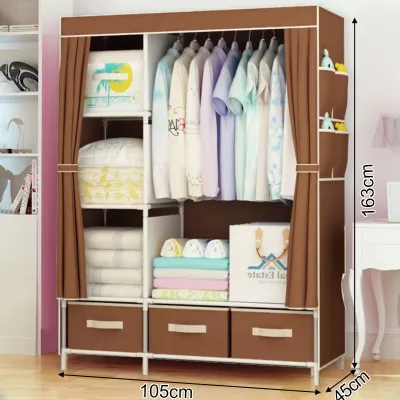
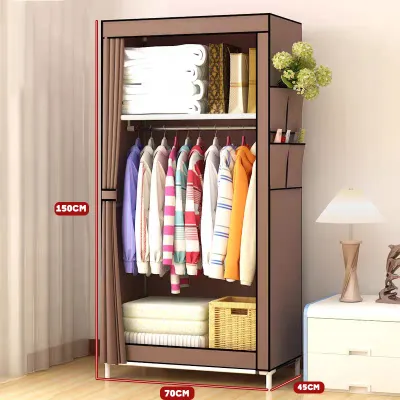
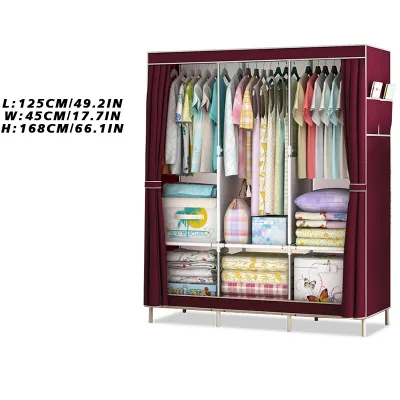
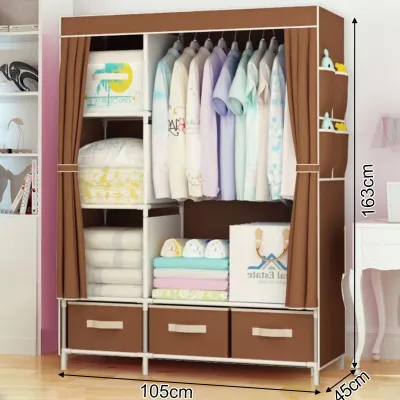
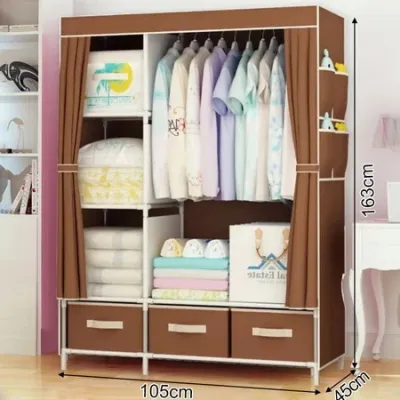
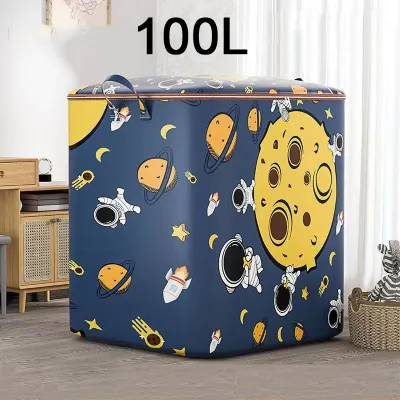
Prices are valid at publication and may change. Please refer to the product page for the latest price.

Next, consider the types of clothing you plan to store. Heavy textiles like denim, thick jackets, and heavy bedding require rigid storage options with structural reinforcement. Conversely, lightweight summer wear, activewear, and t-shirts can easily be accommodated in soft-sided fabric enclosures. Storing heavy items in soft, unreinforced bags leads to sagging, making stacking impossible and causing the bags to slide off shelves.
Environmental factors also play a critical role in your decision, particularly in the tropical climate of the Philippines. High relative humidity, especially during the monsoon season, creates an environment where mold, mildew, and pests like silverfish, dust mites, and clothes moths thrive. Standard open shelves, wire baskets, or plastic bins without lids leave garments completely exposed to dust and airborne moisture. A fully enclosed, zippered storage solution acts as a physical barrier, keeping airborne dust out and providing a protective micro-environment for your textiles.
Comparing the Top Options for a Lalagyan ng Damit with Zipper
To build an efficient wardrobe system, you must understand the design trade-offs, material characteristics, and structural requirements of each zippered storage type. Selecting the wrong material or form factor can lead to damaged garments or structural failure of your closet components.
Garment Bags for Hanging Protection
Garment bags are specialized vertical covers designed to protect individual garments or small groups of clothes that must remain on hangers. They are essential for preserving structured clothing, formal wear, and delicate fabrics that would crease, lose shape, or suffer damage if folded and stacked.
When choosing garment bags, you must strike a balance between dust protection and breathability. Common materials include PEVA (polyethylene vinyl acetate), non-woven fabric, and canvas:
- PEVA: This is a lightweight, waterproof, and PVC-free plastic material. While PEVA is highly effective at blocking external moisture and dust, and is easy to wipe clean, it is entirely non-porous. If you seal garments inside PEVA bags while they still hold ambient moisture, that moisture becomes trapped, creating a breeding ground for mold.
- Non-Woven Fabric: This synthetic material offers excellent breathability, allowing air to circulate while keeping dust out. However, non-woven fabrics can degrade and become brittle over several years when exposed to heat or direct sunlight.
- Canvas: Made from natural cotton fibers, canvas is highly durable, washable, and naturally breathable. It provides premium protection for high-value items like barongs, gowns, and woolen suits, though it generally comes at a higher price point.
Pay close attention to the zipper design and placement on garment bags. A full-length, center-front zipper is crucial for easy access. Short or partial zippers force you to bend or squeeze the garment to get it inside, which stresses the clothing seams and can damage delicate embellishments. Ensure the zipper has a smooth glide and a sturdy metal pull, as cheap plastic sliders are prone to splitting under tension.
Fabric Storage Boxes for Shelves and Under-Bed
Fabric storage boxes are rectangular containers designed to hold folded clothing, linens, and bulky items. They are highly efficient for seasonal rotation, such as storing heavy sweaters, travel jackets, extra bedsheets, or blankets that you do not need on a daily basis.
These boxes generally fall into two categories: soft-sided bags and rigid-frame boxes:
- Soft-Sided Fabric Bags: These are highly collapsible and easy to store when empty. However, they lack internal support. When partially filled, they sag, lose their shape, and cannot be stacked securely. If you stack soft-sided bags, the weight of the upper bags will crush the contents of the lower ones, causing deep wrinkles.
- Rigid-Frame Fabric Boxes: These feature internal metal wire frames or heavy-duty cardboard inserts that pop open to create a self-supporting structure. This rigid design allows you to stack multiple boxes on top of each other, maximizing the vertical space on deep shelves or inside closets without putting pressure on the clothes inside.
Before stacking heavy fabric boxes, verify the load capacity of your shelving. Built-in closets made of particle board or thin plywood can sag or warp under concentrated weight. Additionally, ensure the boxes fit fully within your shelf dimensions. An overhanging box is unstable and risks falling, which can damage both the storage container and your wardrobe structure.
Hanging Organizers with Zippered Compartments
Hanging organizers are multi-tiered fabric shelving units that suspend directly from your closet’s main hanging rod. They are designed to convert unused vertical hanging space into functional shelving, making them highly popular in compact living spaces, condominiums, and apartments where floor space is limited.
While traditional hanging shelves are open-faced, premium models feature zippered front covers or individual zippered drawers. These zippered compartments are highly beneficial for storing smaller, loose items such as undergarments, socks, folded t-shirts, activewear, and accessories. The zippered closure prevents these items from slipping out when you rustle nearby hanging clothes, and it keeps dust from settling on the folded edges of your garments.
Because hanging organizers suspend all their weight from a single point, you must verify the structural limits of both your closet rod and the organizer itself:
- Closet Rod Material: Ensure your closet rod is made of sturdy metal or solid wood. Thin aluminum, plastic, or tension rods are highly likely to bend, bow, or collapse under the weight of a fully loaded hanging organizer.
- Top Attachment Mechanism: Look for organizers that use wide, heavy-duty Velcro wraps or solid steel hooks that loop over the rod. Velcro wraps must have sufficient surface area to prevent peeling under load, while steel hooks should be securely riveted into the organizer's top frame.
- Load Distribution: Avoid overloading the organizer with exceptionally heavy items like heavy denim jeans or thick winter coats. Distribute the weight evenly, placing heavier items in the bottom compartments to maintain the organizer's balance and vertical alignment.
Feature Comparison at a Glance
The following table compares the three main types of zippered clothes storage across key decision dimensions to help you identify the right fit for your wardrobe configuration.
| Storage Type | Space Efficiency | Dust & Moisture Protection | Accessibility | Ideal Clothing Types | Structural Requirements |
|---|---|---|---|---|---|
| Garment Bags | Moderate; requires dedicated hanging rod length. | High; fully encloses hanging clothes to block dust and pests. | Moderate; requires unzipping and removing the hanger. | Suits, barongs, gowns, delicate dresses, jackets. | Requires a sturdy hanging rod with adequate vertical clearance. |
| Fabric Storage Boxes | High; stackable on shelves, in top cabinets, or under the bed. | High; zippered lids provide an excellent barrier against dust. | Moderate; may require unstacking upper boxes to access lower ones. | Folded t-shirts, jeans, sweaters, bed linens, blankets. | Requires deep shelves or floor space; check shelf load limits. |
| Hanging Organizers | High; utilizes empty vertical space below the hanging rod. | Moderate to High; zippered front flaps block dust effectively. | High; front-facing zippered compartments offer quick access. | Undergarments, socks, folded t-shirts, light accessories. | Requires a high-capacity metal or solid wood closet rod. |
Decision Framework: Choosing the Right Setup
To finalize your wardrobe organization plan, use this conditional decision framework to select the storage system that matches your physical space and clothing collection:
- Choose Garment Bags if:
- You have ample hanging rod space but limited shelf space.
- Your wardrobe contains formal wear, delicate silk dresses, barongs, or structured suits that will crease or lose their shape if folded.
- You want to protect high-value garments from friction against neighboring clothes.
- Choose Fabric Storage Boxes if:
- You have deep closet shelves, wide top cabinets, or open floor space under your bed frame.
- You need to store bulky items, seasonal wardrobe rotations, extra bedsheets, or heavy blankets.
- You want a stackable system that keeps folded clothes organized and dust-free over long periods.
- Choose Hanging Organizers if:
- Your closet lacks built-in drawers or shelves but has excess hanging rod space.
- You need to organize small, lightweight daily items like socks, undergarments, t-shirts, and activewear.
- You want to maximize vertical space in a compact wardrobe or studio apartment.
- Verify First if:
- You are planning to use hanging storage; always check your closet rod's material and weight limit, and measure the exact clearance between the rod and the floor to ensure the organizer does not drag.
- You are buying rigid fabric boxes; measure your shelf depth and height to ensure a flush fit with no overhang.
Maintaining Zippered Storage in a Tropical Climate
Operating zippered storage in a hot, humid tropical environment requires specific maintenance habits to protect both your storage containers and the garments inside. High humidity can quickly turn an enclosed fabric box into a trap for mold and mildew if proper precautions are not taken.
First, practice strict moisture control. Never place clothes that are damp from laundry, sweat, or high humidity directly into a zippered container. Ensure all garments are completely dry and have cooled down to room temperature before zipping them away. If you pack warm, freshly ironed clothes directly into a zippered bag, the temperature drop will cause condensation to form inside, rapidly leading to mold growth and musty odors.
Second, maintain the zipper tracks regularly. High humidity and salty coastal air can cause metal zipper slides to oxidize, stiffen, or corrode over time. If a zipper becomes difficult to slide, do not force it, as pulling too hard can rip the surrounding fabric, pull the teeth out of alignment, or break the zipper pull. Instead, apply a safe, dry lubricant directly to the zipper teeth. Running a wax candle, a piece of clean beeswax, or the tip of a graphite pencil along the tracks will lubricate the teeth safely without staining your clothes.
Finally, always consult the manufacturer’s care labels before cleaning your zippered storage units. Many fabric boxes contain internal structural supports made of heavy cardboard or compressed paperboard. Submerging these boxes in water or washing them in a machine will dissolve the glue and ruin the internal frames. For these items, clean the surface by wiping it down with a damp cloth and a mild soap solution, then allow the box to air dry completely in a well-ventilated, shaded area before packing it with clothes again.
Frequently Asked Questions (FAQ)
Can zippered fabric boxes prevent moisture damage in humid climates?
While zippered fabric boxes are highly effective at blocking dust, lint, and common household pests like silverfish, standard fabric materials are breathable and not completely airtight. In highly humid tropical environments, ambient moisture in the air can still slowly penetrate the fabric over time. To prevent moisture damage and musty smells, always place silica gel packets, activated charcoal bags, or hanging moisture absorbers inside your zippered boxes. Additionally, ensure your wardrobe is kept in a well-ventilated room, and occasionally open your closet doors during dry days to allow fresh air to circulate.
How do I fix a stuck zipper on a clothes storage bag without damaging it?
If a zipper on your storage bag becomes stuck, start by inspecting the track to see if any inner fabric lining or loose threads have become caught in the slider. If fabric is caught, gently pull the fabric backward out of the slider while slowly moving the zipper pull in the opposite direction; do not yank the zipper, as this will tear the fabric. If the teeth are clean but the slider is simply stiff, apply a safe, dry lubricant like a wax candle, beeswax, or the tip of a graphite pencil directly onto the zipper teeth on both sides of the slider. Gently wiggle the pull back and forth until it glides smoothly. Avoid using liquid oils or chemical lubricants, as these can easily seep through the fabric and permanently stain your stored garments.
Community discussion
Share your experience or ask a question. Comments are reviewed before publication.