
Choosing a 120×200 mattress for a hot and humid environment like the Philippines requires balancing comfort with heat dissipation and moisture control. There is no single material that works perfectly for everyone, as the ideal choice depends on your personal sleep habits, local climate conditions, and budget. Latex generally offers natural breathability and resistance to dust mites, while innerspring systems provide excellent baseline airflow but may lack contouring support. Memory foam excels at pressure relief but traditional formulations tend to trap body heat. By evaluating verifiable specifications and structural features, you can select a mattress that keeps you cool and comfortable throughout the night.
Verifying 120×200 Dimensions and Room Clearance
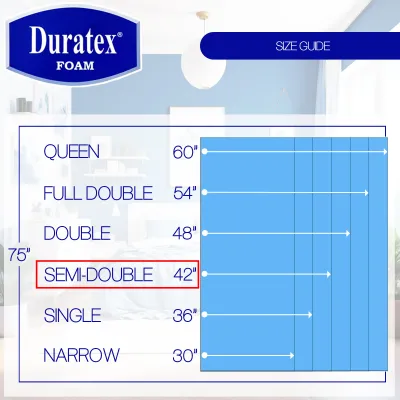
Before comparing mattress materials, you must ensure that a 120×200 cm mattress—often referred to as a semi-double or extra-wide single—will fit your existing bed frame and bedroom layout. Standard bed frames in the Philippines often follow traditional imperial measurements, such as a standard double (54×75 inches or approximately 137×190 cm). A 120×200 cm mattress requires a frame specifically built for metric dimensions, so always measure the inner width and length of your bed frame before purchasing.
Additionally, plan the delivery route within your home. Measure the clearance of your doorways, tight stairwells, and elevator cabins to ensure the delivery team can maneuver the mattress without damaging the internal structure. If you live in a high-rise condominium or a multi-story home, rigid innerspring or heavy latex mattresses can be challenging to transport through narrow spaces. Finally, account for the total height of your sleep setup; a thick mattress combined with a high bed base can make getting in and out of bed uncomfortable, especially in smaller rooms where space is limited.
Products mentioned in this guide
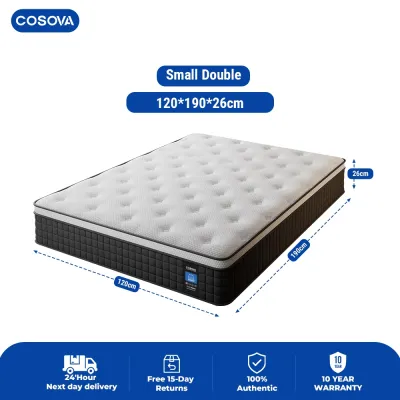

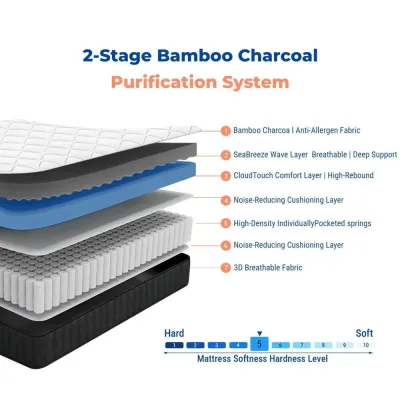
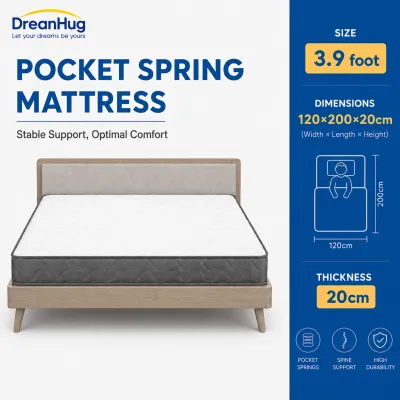
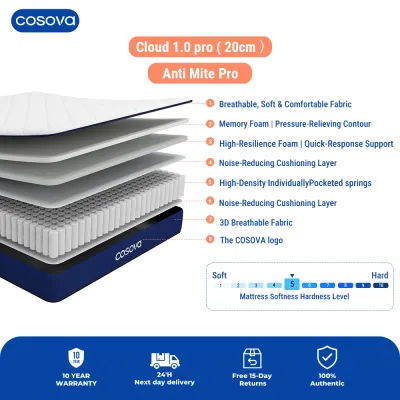
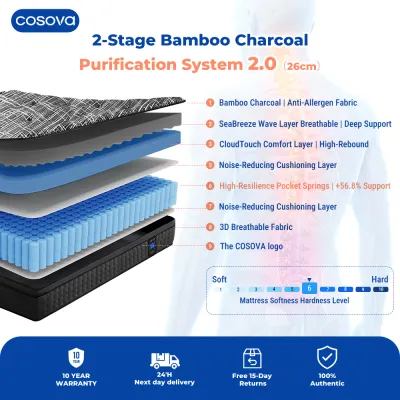

Prices are valid at publication and may change. Please refer to the product page for the latest price.
Evaluating Mattress Materials for Humid Conditions
The high relative humidity in tropical regions significantly impacts how mattress materials perform over time. When ambient moisture mixes with body heat, certain mattress structures can become warm, damp, and prone to degradation. Understanding how latex, innerspring, and memory foam handle these environmental factors is key to making an informed decision.

Latex: Checking Pinhole Patterns and Cover Fabrics
Latex mattresses are highly resilient and naturally supportive, making them a popular choice for tropical climates. However, their cooling performance depends heavily on their physical construction. When shopping, look for latex cores featuring aerated pinhole patterns. These small, molded channels are created during manufacturing to allow air to circulate freely through the core when you move, preventing heat from becoming trapped beneath your body.
The material composition of the latex also plays a role in its breathability and longevity. Natural latex, derived from rubber tree sap, generally offers better airflow and structural resilience than synthetic polyurethane-based latex. Always check the manufacturer’s label to verify the percentage of natural latex used. While synthetic blends are often more budget-friendly, they may retain slightly more heat over time.
Furthermore, pay close attention to the outer cover fabric. A highly breathable latex core will lose its cooling benefits if wrapped in a dense, synthetic polyester cover. Opt for covers made from natural cotton, bamboo-derived rayon, or specialized moisture-wicking fabrics. These materials help draw sweat away from your skin, allowing it to evaporate quickly in humid conditions.
Innerspring: Inspecting Coil Gauge and Padding Layers
Innerspring mattresses offer excellent baseline ventilation because their core consists of steel coils surrounded by open air. This open structure allows heat to escape easily from the bottom and sides of the bed. However, the overall temperature of the mattress is heavily influenced by the comfort layers stitched on top of the coils.
When evaluating an innerspring mattress, inspect the thickness and material of the top padding. A mattress with a thick, dense foam pillow-top can still trap body heat, offsetting the natural airflow of the underlying springs. Look for hybrid models that pair pocketed coils with thin, breathable comfort layers like latex or open-cell foam to maintain a cooler sleeping surface.
The coil design also affects support and durability. Pocketed coils are individually wrapped in fabric sleeves, which helps isolate motion and conform to your body shape, whereas traditional Bonnell coils are interconnected and offer a firmer, more traditional bounce. Check the coil gauge; a lower gauge number indicates thicker steel, which provides stronger edge support. Robust edge support is particularly important for a 120×200 cm mattress, as it allows you to use the entire width of the bed without feeling like you might roll off.
Memory Foam: Reading Density and Cooling Technology Labels
Traditional memory foam is known for its deep contouring and pressure relief, but it is also notorious for trapping body heat. Because the foam molds closely to your body, it restricts airflow around your skin, which can lead to uncomfortable, sweaty nights in a warm climate. To mitigate this, manufacturers use various technologies that you should verify on the product labels.
Look for memory foam that features gel-infusions, copper, or graphite. These additives are designed to conduct heat away from your body, delaying the warming effect. However, keep in mind that these cooling technologies generally delay heat buildup rather than eliminating it entirely. For long-term comfort, look for “open-cell” memory foam, which has a more porous structure that allows air to pass through more easily than traditional closed-cell foam.
Foam density is another critical specification to check. High-density memory foam offers excellent durability and pressure relief but tends to have a tighter cell structure that retains more heat. Lower-density foams sleep cooler because they are more porous, but they may soften and lose their supportive qualities faster in humid conditions. Balancing density with verified cooling features is essential when choosing a memory foam mattress for tropical use.
Managing Moisture, Hygiene, and Long-Term Care
Regardless of the mattress material you choose, managing moisture and maintaining hygiene is crucial in a humid climate. High humidity levels can encourage the growth of mold, mildew, and dust mites if the mattress is not properly cared for. Implementing a few simple maintenance routines will help protect your investment and ensure a clean sleeping environment.
First, establish a regular rotation schedule. Rotate your 120×200 cm mattress 180 degrees every three to six months. This practice ensures that body weight is distributed evenly across the surface, preventing localized sagging and allowing compressed comfort layers to air out and recover their shape.
Second, always use a breathable, waterproof mattress protector. A quality protector acts as a barrier against sweat, skin oils, and accidental spills, preventing them from seeping into the mattress core. Look for protectors that utilize a breathable polyurethane membrane rather than cheap, non-porous plastic backings. A breathable membrane keeps moisture out while allowing air to circulate, preventing the bed from feeling hot and crinkly.
Third, ensure your bed base allows for adequate cross-ventilation. Placing a mattress directly on the floor or on a solid, unvented wooden platform traps moisture underneath, creating an ideal environment for mold to develop. Use a slatted bed base or a ventilated foundation that allows air to flow freely beneath the mattress, helping to evaporate any moisture that filters down through the comfort layers.
Conditional Selection Framework for Your Sleep Needs
To make your final decision, align your specific sleep preferences and room conditions with the strengths of each material. This framework helps you choose the right 120×200 cm mattress based on your primary concerns.
Choose a latex mattress if you prefer a responsive, bouncy feel, value natural and durable materials, and want built-in ventilation through aerated pinholes. This option is ideal for those who dislike the sinking sensation of foam and want a naturally cool surface.
Choose an innerspring or hybrid mattress if your primary goal is maximum baseline airflow and you sleep in a room without consistent air conditioning. The open coil structure provides the best ventilation, while firm edge support ensures you can utilize the entire 120×200 cm surface comfortably.
Choose a memory foam mattress if you require deep pressure relief for joint pain or prefer a contouring, body-hugging sensation. If you select memory foam, ensure the product specifications explicitly list open-cell structures or active cooling covers to help manage heat retention.
Before finalizing your purchase, verify product certifications such as CertiPUR-US for foam safety or OEKO-TEX for textile safety. If you suffer from severe allergies, asthma, or chronic back pain, consult with a healthcare professional to determine the level of support and allergen resistance required for your specific condition.
Frequently Asked Questions (FAQ)
Does a 120×200 mattress require a specific type of bed base?
Yes, a 120×200 cm mattress requires a bed base that matches its exact metric dimensions. Always consult the manufacturer’s warranty guidelines before choosing a base, as using an unapproved foundation can void your warranty. For slatted bases, ensure the slats are spaced according to the manufacturer’s recommendations—typically no more than 5 to 7 centimeters apart—to prevent the mattress from sagging while still allowing sufficient airflow from underneath.
How can I prevent mold on my mattress in a humid climate?
To prevent mold, maintain consistent ventilation in your bedroom by using ceiling fans, opening windows during dry periods, or running an air conditioner. If your room is prone to high humidity, using a dehumidifier can help keep moisture levels in check. Additionally, avoid making your bed immediately after waking up; leave the sheets pulled back for at least an hour to allow body heat and moisture to evaporate from the mattress surface.

Community discussion
Share your experience or ask a question. Comments are reviewed before publication.