
A 15cm deep shelf is a highly efficient, space-saving storage solution designed to optimize compact home offices and study areas in the Philippines. This narrow depth is ideal for holding paperbacks, small potted plants, daily stationery, and routing cables without encroaching on valuable desk space or restricting movement in tight rooms. Before purchasing, you must verify wall compatibility, bracket spacing, and load limits to ensure a secure installation. By understanding the unique structural requirements of your walls and the environmental factors of a tropical climate, you can select a shelf that is both functional and durable.
Why a 15cm Depth Works for Home Offices
In many Philippine homes, dedicated office space is carved out of small bedrooms, narrow hallways, or quiet corners of the living room. Standard shelving units with depths of 30cm or more can quickly overwhelm these tight spaces, making the room feel cramped and restricting movement. A 15cm shelf offers a slim profile that maximizes vertical wall space without protruding excessively into your walking paths or work areas.
This shallow depth is particularly advantageous when mounted directly above a desk. It provides convenient, eye-level storage for frequently used items without creating a heavy visual overhang that can make your workspace feel claustrophobic. You can easily reach for a notebook, a pen holder, or a reference guide without needing to stand up or stretch across a deep surface.
Products mentioned in this guide
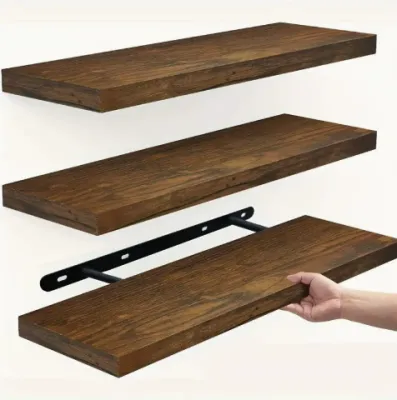
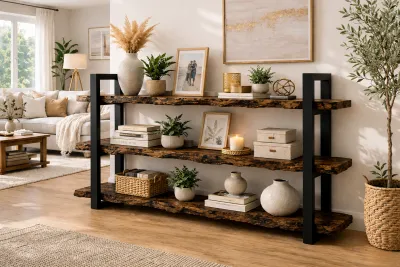
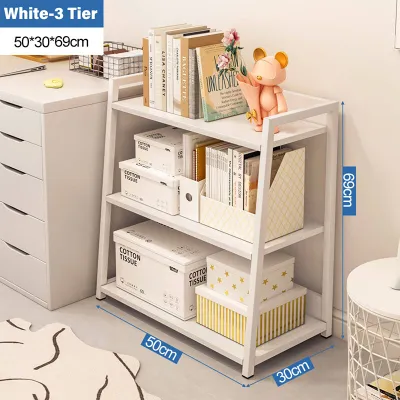
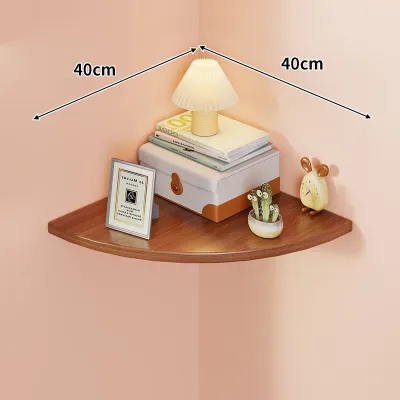
Prices are valid at publication and may change. Please refer to the product page for the latest price.
However, it is important to recognize the physical limitations of a 15cm depth. Standard A4 binders, large textbooks, and deep office equipment like printers or desktop scanners will overhang the edge significantly. Attempting to store these items on a narrow shelf poses a serious tipping hazard. For these larger items, you will need to consider deeper shelving options or alternative storage solutions.
Key Selection Criteria for 15cm Shelves
When browsing for shelves, the material composition and construction quality are critical factors that determine longevity. Many budget-friendly options use engineered woods like particleboard or medium-density fiberboard (MDF). While these materials are cost-effective, they are highly susceptible to moisture absorption in the humid tropical climate of the Philippines. If you choose engineered wood, check that all edges are sealed with high-quality edge banding to prevent swelling and warping over time.

Solid wood options, such as pine, rubberwood, or mahogany, offer excellent natural resistance to sagging and moisture when properly treated. Look for shelves with a polyurethane or lacquer finish that seals the wood against humidity. Metal shelves, typically made of powder-coated steel or aluminum, are exceptionally durable and completely immune to humidity-induced warping, making them an excellent choice for long-term use in tropical environments.
The quality of the mounting hardware is just as important as the shelf itself. Many imported flat-pack shelves come with low-grade plastic wall plugs and soft metal screws that easily strip or fail under load. For a secure installation, especially on the concrete or hollow block walls common in Philippine homes, plan to purchase high-quality masonry anchors and robust steel screws separately.
Weight Capacity and Structural Integrity
To ensure your shelf remains safe and level, you must carefully evaluate the manufacturer’s load specifications. Keep in mind that these ratings are typically based on ideal installation conditions, such as mounting directly into solid wood studs or solid concrete. If you are mounting onto hollow concrete blocks or drywall, the actual weight capacity will be significantly lower.
The length of the shelf also plays a major role in its structural integrity. A long, thin shelf supported only at the ends is highly prone to sagging in the middle, a phenomenon known as the “creep effect,” which is accelerated by high humidity. To prevent this, ensure that brackets are spaced no more than 60cm apart, or choose a thicker shelf board (at least 1.8cm to 2cm thick) to resist bending under load.
If you plan to store heavy items like a collection of hardbound books or small electronic devices, do not rely on standard floating shelf brackets. Instead, opt for heavy-duty visible brackets that transfer the load more effectively to the wall. If you are unsure about your wall’s load-bearing capacity or the correct anchoring method, it is highly recommended to stop and consult a professional carpenter or handyman.
Mounting Styles: Floating, Bracketed, and Freestanding
Floating shelves offer a clean, minimalist aesthetic with hidden mounting hardware, making them a popular choice for modern home offices. However, they require precise drilling and alignment. The internal metal rods must be perfectly level, and the wall itself must be structurally sound. Floating shelves are highly stable on solid concrete walls but can be difficult to secure properly on drywall without locating the underlying studs.
Visible brackets, while less minimalist, provide enhanced structural support and are much easier to install. They allow you to use a wider variety of wall anchors and are highly forgiving of minor drilling misalignments. Brackets come in various styles, from industrial black iron pipes to sleek modern steel loops, allowing you to match the hardware to your office decor while ensuring maximum weight capacity.
For renters who are prohibited from drilling holes into condo or apartment walls, freestanding desktop organizers or desk-attached clamp-on shelves are excellent alternatives. These options provide the same 15cm storage depth directly on your desktop surface or clamped securely to the back edge of your desk, completely avoiding wall damage while still expanding your vertical storage options.
Condition-Based Shelf Configurations for Workspace Needs
To help you choose the right setup, consider how different shelf configurations align with your specific storage and organizational needs.
Configuration 1: Heavy-Duty Bracketed Wood
- Suitable For: Reference books, small binders, and heavy desk organizers.
- Material: Solid wood (such as rubberwood or acacia) with a minimum thickness of 2cm.
- Hardware: Heavy-duty L-shaped steel brackets mounted with expansion anchors.
- Setup Advice: Install this configuration on a solid concrete wall. Ensure the brackets are secured with at least two screws into the wall and two into the underside of the shelf to prevent any shifting.
Configuration 2: Sleek Floating Metal or Acrylic
- Suitable For: Minimalist decor, small indoor plants, framed photos, and lightweight stationery.
- Material: Powder-coated aluminum, steel, or thick clear acrylic.
- Hardware: Hidden internal mounting brackets or integrated keyhole slots.
- Setup Advice: This configuration is ideal for creating a clean, uncluttered look directly above your monitor. Because metal and acrylic are impervious to moisture, this setup is highly durable and requires virtually no maintenance in humid environments.
Configuration 3: Multi-Tiered or Slatted Designs
- Suitable For: Tech accessories, internet routers, charging docks, and cable management.
- Material: Slatted wood panels or metal wire shelving.
- Hardware: Adjustable wall tracks or multi-tiered bracket systems.
- Setup Advice: The gaps in slatted or wire designs allow you to easily route USB cables, power cords, and charger lines behind the shelf. This keeps your desk surface completely free of cable clutter while keeping your essential devices within arm's reach.
How to Measure and Verify Before You Buy
Before finalizing your purchase, take precise measurements of your workspace to avoid installation headaches. Start by measuring the available wall clearance. If you plan to mount the shelf above your computer monitor, ensure there is at least 30cm of vertical clearance between the top of the monitor and the bottom of the shelf. This prevents the shelf from blocking your view and allows room for your hands when retrieving items.
Next, consider the physical path the shelf will take to reach your office. While a 15cm deep shelf is narrow, a long pre-assembled unit (such as a 1.5-meter solid wood board) can be difficult to maneuver through tight condo hallways, low-ceiling stairwells, or small elevator cabins. Measure these entry points beforehand to ensure you can safely transport the shelf into your home.
Finally, identify your wall material to select the correct installation hardware. In the Philippines, interior walls are commonly constructed from solid concrete, hollow concrete blocks (CHB), or drywall partitions.
- Solid Concrete: Requires a hammer drill, a masonry drill bit, and standard plastic or metal expansion plugs.
- Hollow Concrete Blocks: Requires specialized sleeve anchors or toggle bolts, as standard plastic plugs may slip into the hollow cavities of the block.
- Drywall: Requires a stud finder to locate wood or metal studs for secure mounting, or heavy-duty drywall toggle anchors if mounting between studs.
Shopping Checklist for Online Marketplaces and Stores
When searching for 15cm shelves on local e-commerce platforms or visiting physical furniture stores, use this checklist to filter your options and make an informed decision:
- Search Terms: Use specific keywords such as "15cm floating shelf," "6 inch wall shelf," "narrow wooden shelf," or "slim wall organizer" to bypass wider, bulkier options.
- Budget Expectations: Set a realistic budget based on materials. Basic laminated particleboard shelves typically range from ₱200 to ₱500, while high-quality solid wood or heavy-duty metal shelves with premium mounting hardware can cost between ₱800 and ₱2,500.
- Material Verification: Read the product description carefully. Avoid listings that use vague terms like "wood board" without specifying if it is solid wood, MDF, or particleboard. Look for explicit mentions of moisture-resistant coatings or edge banding.
- Hardware Completeness: Check if the mounting hardware is included in the package. If it is, read customer reviews to verify if the included wall plugs and screws are of sufficient quality, or if you should purchase sturdier hardware from a local home improvement center.
- Return and Warranty Policies: Ensure the seller offers a clear return policy in case the shelf arrives warped, chipped, or with missing components. This is especially important for flat-pack furniture shipped over long distances.
Frequently Asked Questions (FAQ)
Can a 15cm shelf hold a standard desktop monitor?
No, a 15cm shelf is generally not safe or suitable for holding a standard desktop monitor. Most modern monitor stands and bases have a depth footprint of 18cm to 25cm to ensure stability. Placing a monitor on a 15cm shelf will cause the base to overhang, shifting the center of gravity forward and creating a severe tipping hazard. Additionally, the weight of a monitor concentrated on a narrow shelf can cause the mounting hardware to pull away from the wall. For monitors, use a dedicated desk mount, an adjustable monitor arm, or a sturdy desk riser instead.
How do I prevent a floating 15cm shelf from sagging over time?
To prevent a floating 15cm shelf from sagging, you must ensure proper installation and weight distribution. Always mount the internal bracket rods directly into wall studs if installing on drywall, or use high-quality masonry expansion anchors if mounting on concrete. Avoid overloading the shelf beyond its rated capacity, and distribute the weight evenly across the surface. Place heavier items, such as books, closest to the wall where the support is strongest, and keep lightweight decorative items toward the outer edge. Regularly check the mounting screws for any signs of loosening or wall fatigue, and tighten them immediately if you notice any tilting.

Community discussion
Share your experience or ask a question. Comments are reviewed before publication.