
Choosing the right seating configuration is one of the most significant decisions you will make for your living room. Neither a standard 3 seater sofa nor an L-shaped configuration is universally better than the other; the most suitable choice depends entirely on your specific living room dimensions, household size, and daily lounging habits. For Filipino families, where the living room serves as a multi-functional hub for daily relaxation, children’s play, and weekend gatherings, this decision directly impacts both comfort and daily traffic flow. By evaluating space constraints, seating dynamics, and functional flexibility, you can select a configuration that harmonizes with your home’s layout and lifestyle.
In many Filipino households, the living room is not just a formal receiving area but a dynamic space where multiple generations interact. A sofa must withstand the demands of daily use while accommodating sudden influxes of relatives during family gatherings or casual salo-salo. Balancing these social needs with the physical limitations of your floor plan requires a careful comparison of how each sofa shape utilizes space and facilitates interaction.
Assessing Your Living Room Layout and Space Constraints
Before browsing online marketplaces or visiting local showrooms, you must accurately measure your available floor footprint. Use a metal measuring tape to record the length and width of the designated sofa area, noting how the shape of the room—whether rectangular, square, or open-concept—will interact with the furniture. A standard 3 seater sofa typically offers a linear footprint that aligns neatly against a single wall, making it highly compatible with narrow or rectangular rooms. Conversely, an L-shaped sofa requires a deeper corner or open area to accommodate the protruding chaise or return section without blocking essential pathways.
Products mentioned in this guide
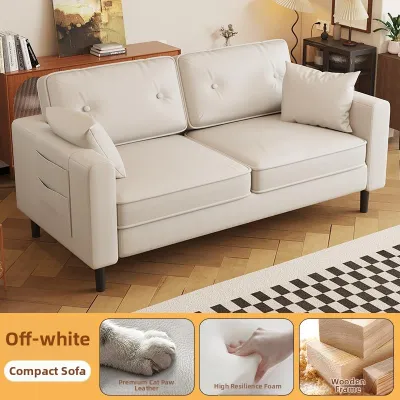
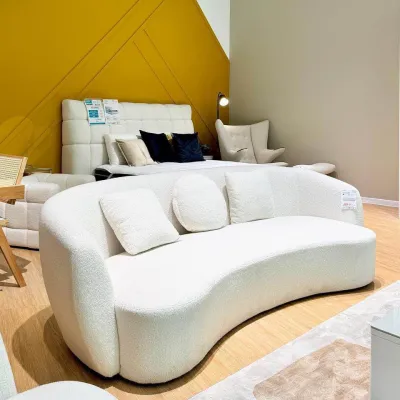
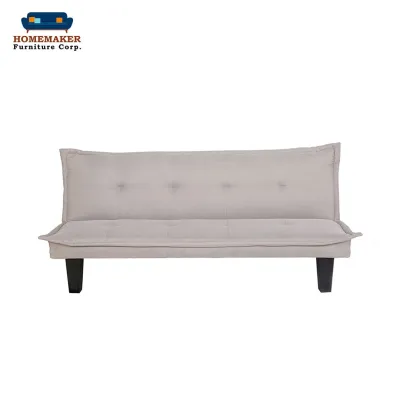
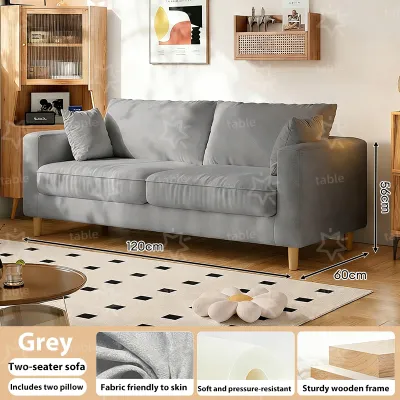
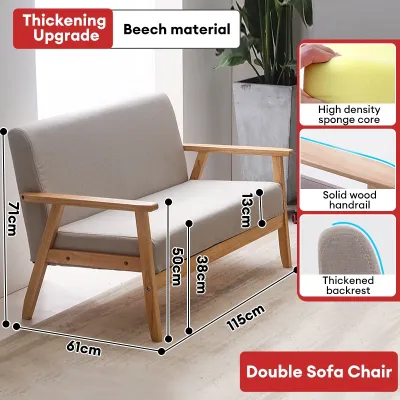
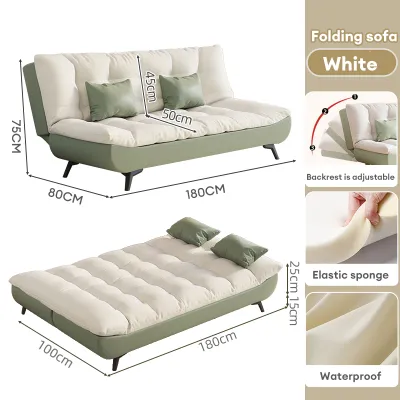
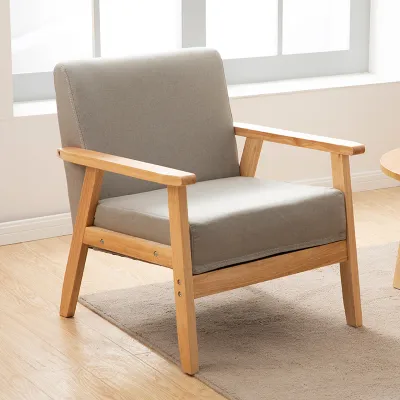
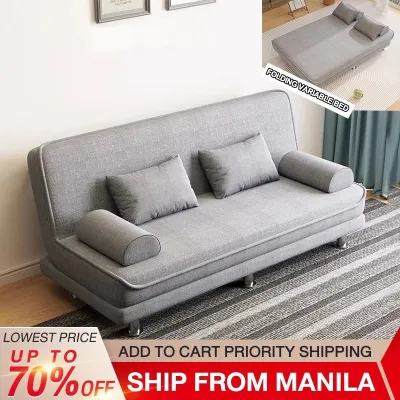
Prices are valid at publication and may change. Please refer to the product page for the latest price.
Evaluating traffic flow and walkway clearances is critical to maintaining a comfortable living environment. In tropical climates, keeping pathways clear is not just about aesthetics; it also ensures optimal air circulation from electric fans or air conditioning units. Ensure there is at least 60 to 90 centimeters of clearance between the sofa and other furniture pieces, such as coffee tables or television consoles. An L-shaped sofa placed incorrectly can easily cut off access to balcony doors, hallways, or dining areas, creating a cramped and frustrating bottleneck.
Always check the manufacturer’s specifications for overall dimensions, including depth, width, and height, and compare them against your room’s usable space. Do not rely on visual estimates from showroom floors, as high ceilings and vast display areas can make large L-shaped sectionals appear deceptively small. If you live in a high-rise condominium or a subdivision home with compact rooms, mapping out the sofa’s footprint on the floor using masking tape or newspaper can help you visualize the physical volume of the piece before making a purchase.
Comparing Seating Capacity and Family Dynamics
The way your family interacts daily should heavily influence your choice between linear and corner seating. A standard 3 seater sofa provides a traditional, side-by-side seating arrangement that is highly practical for watching television or viewing a media screen together. However, because everyone faces the same direction, it can make natural, face-to-face conversation slightly awkward without the addition of accent chairs. This linear setup is often well-suited for smaller families or households where the primary living room activity is media consumption.

An L-shaped sofa, with its corner or chaise section, naturally facilitates a more conversational and intimate seating dynamic. The perpendicular layout allows family members to face one another comfortably, making it highly suitable for lively discussions, board game nights, or casual hosting. This configuration is particularly beneficial for larger, multi-generational families who frequently gather in the living room to catch up, as it provides a cozy, semi-enclosed zone that encourages interaction.
Daily routines and lounging habits also dictate which configuration offers better support. If your family members love to stretch out, nap, or lounge with their feet up, the extended chaise of an L-shaped sofa provides a dedicated space for relaxation without occupying the seating space of others. On the other hand, if multiple family members prefer to sit upright or if you frequently host guests who value personal space, a 3 seater sofa paired with individual armchairs may prevent the awkwardness of guests having to share a continuous, corner-hugging cushion.
Evaluating Comfort, Functionality, and Daily Usage
When evaluating comfort, consider how your family prefers to lounge and whether you need built-in or modular support. The built-in chaise of an L-shaped sofa offers an immediate, comfortable spot for stretching out during afternoon naps or movie marathons. However, this configuration is fixed to one side (either left-facing or right-facing), which limits your ability to rearrange the room in the future. If you opt for a 3 seater sofa, you can achieve similar lounging comfort by pairing it with a separate, movable ottoman, giving you the freedom to shift the footrest to either side or use it as extra seating when guests arrive.
Modularity and flexibility are crucial considerations for families who anticipate moving houses or simply enjoy refreshing their interior layout. A standard 3 seater sofa offers exceptional versatility, as it can easily transition from a central living room piece to a study or bedroom couch if you decide to upgrade later. Pairing a 3 seater with lightweight, movable accent chairs allows you to adapt the seating arrangement instantly for different occasions. A large, fixed L-shaped sofa, however, is highly rigid and may not fit into a new home’s layout if you relocate.
Practical maintenance and cleaning are daily realities that should not be overlooked, especially in humid tropical environments where dust and moisture accumulate quickly. Verify the under-sofa clearance to ensure your cleaning appliances, such as vacuum cleaners or robotic sweepers, can easily reach underneath to prevent dust buildup. Additionally, always check the fabric care labels and material specifications. Look for removable, washable cushion covers or high-performance, moisture-resistant fabrics that can withstand sweat, spills, and the general wear and tear of a busy household.
3 Seater vs L-Shaped Sofa: Feature Comparison Matrix
| Feature | Standard 3 Seater Sofa | L-Shaped Sofa | Verification Checkpoint |
|---|---|---|---|
| Space Requirements | Compact, linear footprint; ideal for narrow walls. | Larger footprint; requires deep corner or open space. | Measure floor area and compare with manufacturer specs. |
| Seating Layout | Side-by-side linear seating; optimized for screen viewing. | Perpendicular corner seating; promotes face-to-face interaction. | Assess daily family interaction and hosting habits. |
| Flexibility | High; easy to rearrange, pair with accent chairs, or move. | Low; fixed left- or right-facing configuration. | Check if the layout is reversible or modular before buying. |
| Ideal Room Shape | Rectangular, narrow, or small square rooms. | Large square rooms or open-plan living-dining areas. | Map out the footprint with masking tape on your floor. |
| Typical Household Size | Well-suited for 2 to 3 people (expandable with extra chairs). | Well-suited for 4 or more people; accommodates larger groups. | Check the frame's load capacity and joint construction. |
Making the Final Decision: Which Configuration Suits You?
To finalize your decision, synthesize your space measurements, family size, and lifestyle preferences into a clear action plan. Choose a 3 seater sofa if your living room is narrow or compact, you enjoy frequently rearranging your furniture, or you prefer a modular setup with separate accent chairs to facilitate face-to-face conversation. This classic configuration offers a timeless, space-saving solution that adapts easily to changing household needs and smaller floor plans.
Opt for an L-shaped sofa if you have a spacious, open-plan living area, require a dedicated lounging zone for family movie nights, or want to use the sofa’s back to visually define the boundary between your living and dining spaces. The L-shape acts as an anchor, creating a cozy sanctuary within larger rooms. Whichever configuration you choose, always verify the frame construction—such as checking for sturdy joints and solid wood or metal supports—to ensure it can handle your family’s daily physical demands.
Finally, before clicking the purchase button or paying at the counter, perform a rigorous delivery path check. A sofa is only a practical addition to your home if it can actually get inside. Measure every doorway, hallway corner, staircase turn, and elevator door that the delivery team must navigate. Comparing these physical limits with the manufacturer’s packaged dimensions will save you from the frustration of a failed delivery and ensure a smooth transition for your new family centerpiece.
Frequently Asked Questions (FAQ)
Can I convert a standard 3 seater sofa into an L-shaped layout later?
Converting a standard 3 seater sofa into an L-shaped layout is possible, but it requires careful planning regarding fabric and frame alignment. If you purchase a separate ottoman or chaise extension later, matching the exact fabric dye lot can be extremely difficult, as textile batches often vary slightly during manufacturing. Additionally, check the manufacturer’s guidelines to see if they offer compatible modular pieces that can lock securely into your existing frame to prevent the extension from sliding away when in use.
How do I ensure the sofa will fit through my doors and staircases?
To guarantee a successful delivery, measure the height, width, and diagonal clearance of all entryways, including front doors, narrow hallways, and staircase landings. Compare these figures against the sofa’s packaged dimensions and its minimum tipping clearance, which is the minimum height required to pivot the sofa around tight corners. If your building has an elevator, measure the door opening and the interior cabin depth; if the packaged sofa exceeds these limits, consult the retailer or a professional moving service to discuss alternative delivery methods.

Community discussion
Share your experience or ask a question. Comments are reviewed before publication.