
Choosing between a fixed 4-seater dining table and an extendable table that expands to seat 6 to 10 people is a pivotal decision for your home. This choice directly impacts your daily comfort, your ability to host gatherings, and the overall flow of your living space.
If your primary goals are daily space optimization, structural simplicity, and keeping your budget in check, a fixed 4-seater is your best option. It provides a reliable, sturdy surface without taking up excess room in smaller dining areas.
Conversely, if you frequently host extended family gatherings but do not have the square footage for a permanently large piece of furniture, an extendable dining table offers the perfect compromise. It keeps your dining area open during the week and expands only when needed.
Products mentioned in this guide
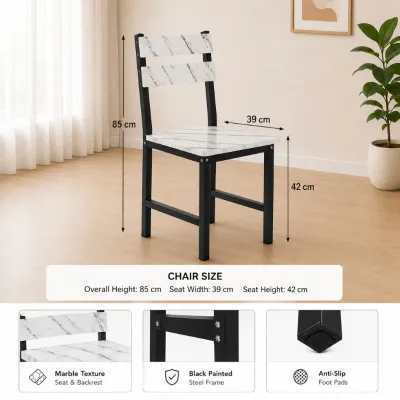
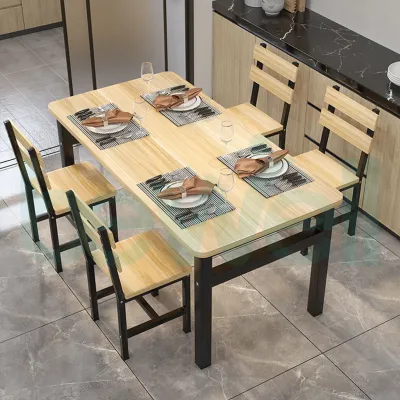
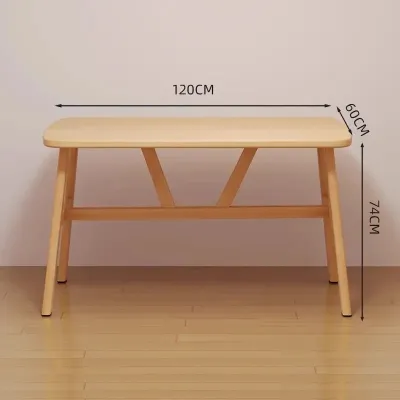
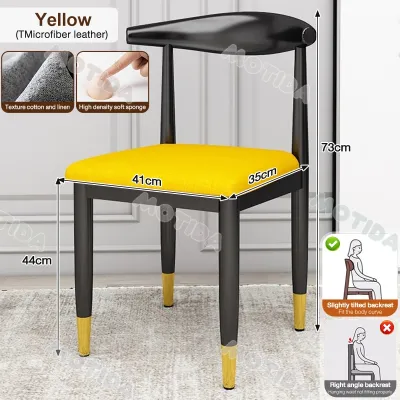
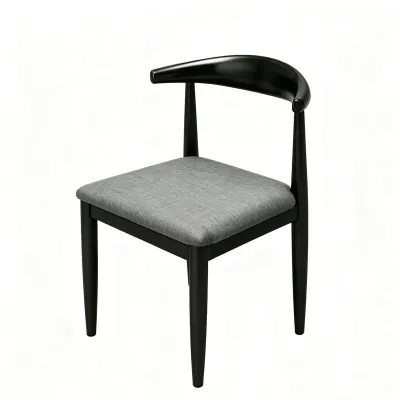
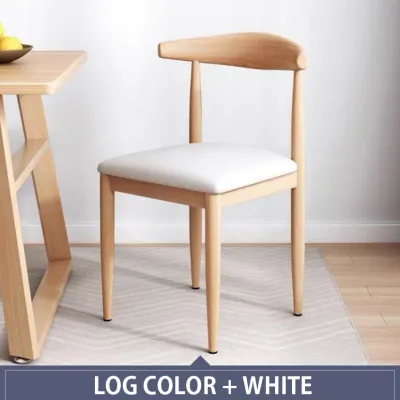
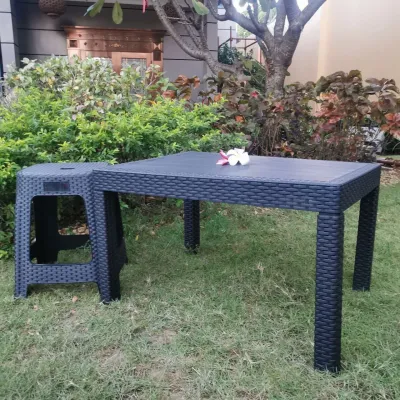
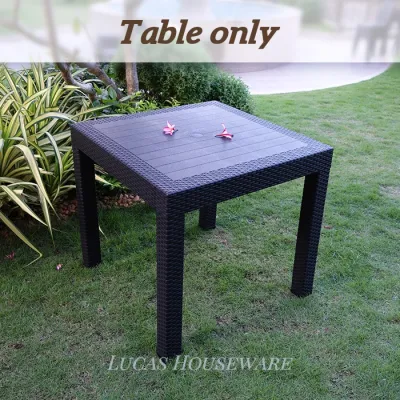
Prices are valid at publication and may change. Please refer to the product page for the latest price.
Before making a final decision, you must verify whether your dining room can physically accommodate the fully extended length of an expandable table, ensuring there is still enough clearance for chairs and walkways.
Measuring Your Space and Clearance Requirements
To avoid a cramped dining room, you must measure both the table footprint and the surrounding clearance. A standard fixed 4-seater table typically requires a dedicated footprint, but you must also account for the space needed to pull out chairs and allow people to walk behind seated guests.
As a general rule, aim for at least 90 centimeters of clearance between the edge of the table and the nearest wall or piece of furniture. This distance allows diners to sit down and rise comfortably without bumping into obstacles.
When evaluating an extendable table, you must measure the room using its maximum extended length. A table that expands to seat 6 to 10 people will require significantly more clearance, not just for the extra chairs but also to ensure that nearby doors, cabinets, and drawers can still open fully when the table is fully deployed.
To visualize this in your actual room, try using painter’s tape on the floor to outline both the compact 4-seater footprint and the fully extended 10-seater configuration. This simple exercise helps you see exactly how much walkway space remains.
Do not forget to measure your home’s delivery access points before purchasing. In many homes in the Philippines, particularly high-rise condominiums or multi-story townhouses, tight hallways, narrow staircases, and small elevator doors can prevent a large or heavy table from reaching your dining room.
Check the packaged dimensions of the table and compare them against your entryways to ensure a smooth delivery and installation process. If your building has a service elevator, verify its weight capacity and interior dimensions with your property management office before scheduling delivery.
Matching the Table to Your Lifestyle and Hosting Needs
Your dining table is often the heart of the home, serving multiple purposes throughout the day. Start by assessing your daily household size and typical mealtime routines to understand your baseline needs.

If your household consists of two to four people and you usually eat meals together, a fixed 4-seater table provides ample space. This setup is also highly efficient if your dining table doubles as a daytime workspace, laptop station, or homework area for children.
Next, estimate how often you actually host larger groups, such as extended family Sunday lunches or holiday gatherings. In the Philippines, family gatherings are central to daily life, and having the ability to seat everyone comfortably is a major priority.
If you host these events once or twice a month, the flexibility of a 6-to-10-seater extendable table is highly beneficial. It allows you to transition seamlessly from a quiet weekday setup to a festive weekend gathering without overcrowding your home.
However, if you only host large gatherings once or twice a year, buying a complex extendable table might not be the most practical choice. In these cases, a fixed 4-seater table paired with creative alternative seating solutions can save you both space and money.
For those rare occasions, you can supplement your fixed table with folding chairs, or transition the gathering to a living area with a coffee table and floor cushions. This approach keeps your daily living space open and uncluttered.
Comparing Mechanisms, Stability, and Daily Maintenance
The physical construction of a dining table directly impacts its longevity and daily usability. A solid, fixed-frame table offers inherent structural stability because it lacks moving parts, hinges, or sliding tracks that can wear out over time.
Fixed tables are generally easier to maintain and can handle heavy daily use without any risk of misalignment. They are highly reliable options for households with active children or pets.
Extendable tables rely on various mechanical designs to expand their surface area. Common mechanisms include the butterfly leaf, where the extension piece is folded and stored inside the table frame, and the drop-leaf, where the sides hang down when not in use.
Another popular option is the sliding track system, which requires you to pull the table ends apart and insert separate leaf panels manually. When choosing an extendable table, test the mechanism to ensure it can be operated smoothly, ideally by a single person.
In the tropical climate of the Philippines, high humidity levels can cause solid wood to expand and contract. This natural movement can sometimes cause extension tracks and hinges to stick or jam over time.
To prevent these issues, perform routine maintenance checks on all moving parts. Keep the tracks free of dust and food crumbs, and always refer to the manufacturer’s care instructions for specific guidelines on cleaning and lubricating the hardware.
If your table uses metal runners, check them periodically for signs of rust or corrosion, which can be accelerated by humid coastal air. Opting for powder-coated or rust-resistant hardware can significantly extend the lifespan of your table’s mechanism.
Evaluating Budget and Long-Term Value
When planning your purchase, it is important to weigh the upfront cost against the long-term utility of the furniture. Finding a high-quality dining table 4 seater sale is often much easier and more budget-friendly than finding discounts on complex extendable models.
Fixed tables are simpler to manufacture, which generally translates to a lower retail price for comparable material quality. This allows you to allocate more of your budget in ₱ toward premium finishes or sturdier materials like solid hardwood or sintered stone.
Extendable tables carry a higher price tag due to the engineering and hardware required for their moving parts. Additionally, you must factor in the hidden cost of purchasing the extra chairs needed to accommodate 6 to 10 people when the table is fully extended.
Storing these extra chairs when the table is in its compact form can also present a storage challenge in smaller homes. You may need to invest in stackable or folding chairs that can be tucked away in a closet or utility room.
To ensure long-term value, evaluate the durability expectations of any table you consider. Check the manufacturer’s stated weight limits, material care requirements, and warranty coverage, especially regarding the moving parts and extension mechanisms.
A high-quality fixed table can easily last for decades with minimal upkeep, making it an exceptionally cost-effective choice. An extendable table can offer similar longevity, but only if you commit to regular maintenance of its mechanical components.
Final Decision Matrix: Which Table Should You Buy?
To finalize your decision, use this straightforward framework to match your specific living situation with the right table type.
Choose a fixed 4-seater if:
- Your dining space is strictly limited, and every square meter counts.
- Your budget is tight, and you want to maximize material quality for your money.
- Large hosting events are rare, and you prefer a simple, low-maintenance furniture piece.
Choose an extendable table if:
- You need a compact footprint for daily family meals but require flexible seating for 6 to 10 people on a regular basis.
- You want to host guests comfortably in your dining area without having to move the party to another room.
- You have adequate storage space for the extra chairs required when the table is fully extended.
Neither option may fit if:
- Your dining room cannot support the required clearance zones even when the table is in its smallest configuration.
- The extension mechanism feels unstable, stiff, or overly difficult to operate during your in-store testing.
- In these situations, it is best to reconsider your room layout or consult a professional space planner before making a purchase.
Frequently Asked Questions (FAQ)
Can I use an extendable table daily in its compact 4-seater form?
Yes, extendable tables are specifically designed to be used in their compact, unextended state for daily meals. However, to ensure long-term stability, you should check the manufacturer’s guidelines regarding weight distribution and track alignment. Avoid placing excessive weight on the seam where the table splits, and periodically check that the locking mechanisms underneath are secure.
How do I protect the extension joints and tracks from damage?
Protecting the moving parts of an extendable table requires regular, gentle maintenance. Clean the tracks and joints frequently using a soft, dry cloth or a vacuum attachment to remove dust, pet hair, and food crumbs that can cause jamming. Avoid using harsh chemical cleaners that might degrade the metal tracks or wood finishes, and always consult your product manual before applying any lubricants or wax to the mechanisms.

Community discussion
Share your experience or ask a question. Comments are reviewed before publication.