
A 5-layer shoe rack organizer is a highly practical addition to any home, offering a smart way to maximize vertical storage space while keeping your entryway, closet, or bedroom neat and organized. In many Philippine households, where living spaces range from cozy studio condominiums to bustling multi-generational family homes, managing footwear storage is a daily challenge. The rainy season brings wet, muddy shoes, while the dry season introduces dust, making a reliable and well-ventilated storage system essential. Choosing the right 5-layer organizer requires looking beyond basic aesthetics to evaluate structural integrity, material suitability for tropical climates, and precise spatial dimensions.
By taking a systematic approach to your purchase, you can avoid common pitfalls such as buying a rack that is too wide for your hallway, one that sags under the weight of heavy footwear, or a unit that succumbs to rust and mold within a few months. This guide outlines the essential steps to measure your space, compare material options, assess stability, and match different rack designs to your specific household needs.
Key Factors to Evaluate Before Buying
Before you begin browsing online marketplaces or visiting local home improvement stores, it is crucial to establish a clear set of physical requirements based on your home’s layout. The first step is to measure the designated floor space where the shoe rack will stand. Use a physical tape measure to determine the maximum width, depth, and height available. When measuring depth, pay close attention to door swings and foot traffic pathways; a shoe rack that protrudes too far into a narrow hallway can create a constant tripping hazard or block doors from opening fully. If you plan to place the rack behind an entryway door, ensure there is sufficient clearance between the wall and the door frame when the door is swung completely open.
Products mentioned in this guide
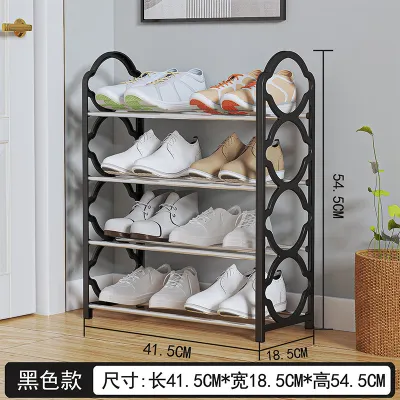
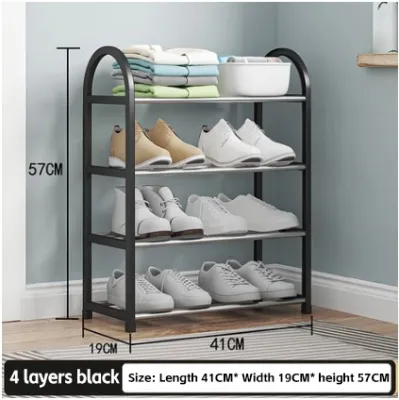
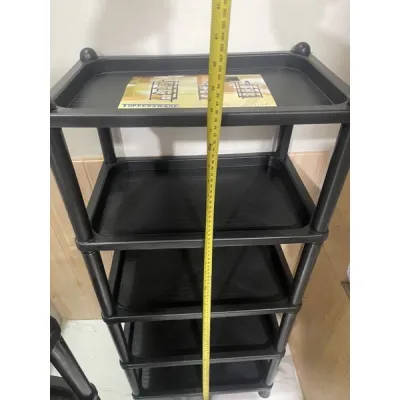
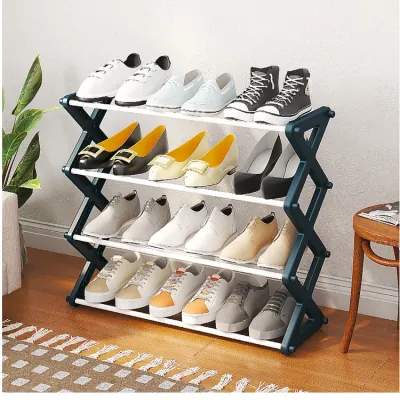
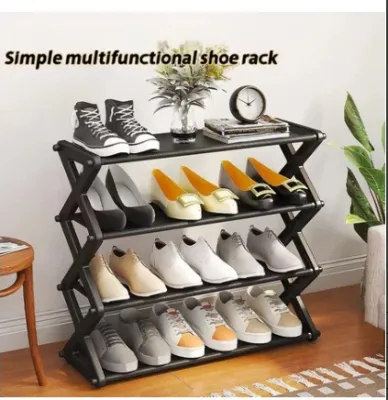
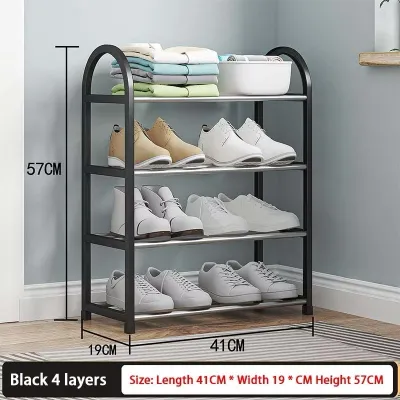
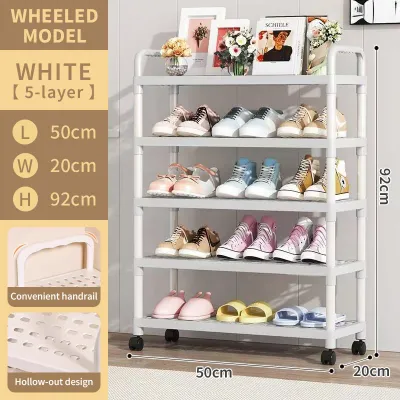
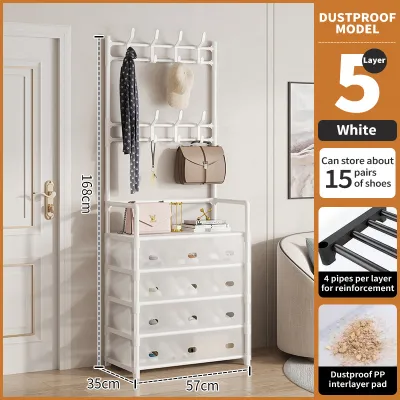
Prices are valid at publication and may change. Please refer to the product page for the latest price.
Do not forget to consider the delivery and placement process. Many shoe organizers are delivered flat-packed in large, heavy boxes, while some premium models may arrive fully assembled. If you live in a high-rise condominium or a multi-story townhouse, verify the dimensions of your building’s elevator doors, stairwells, and entryways to ensure the package or the assembled unit can be easily transported to your unit. Checking these clearances beforehand prevents the frustration of receiving a delivery that cannot physically fit through your front door.
Next, estimate the total weight and types of footwear you intend to store. A collection consisting primarily of lightweight indoor slippers, sandals, and canvas slip-ons requires a very different structural capacity than a collection dominated by heavy leather boots, thick-soled athletic sneakers, and formal dress shoes. Take a quick inventory of your household’s shoes and estimate their combined weight. This will help you determine the necessary load-bearing capacity per tier, ensuring you select a rack that will not sag, bend, or collapse over time.
Height is another critical dimension that is often overlooked. A standard 5-layer shoe rack typically stands between 80 and 120 centimeters tall, depending on the spacing between the shelves. If you plan to place the rack underneath existing closet shelves, below a window sill, or near wall-mounted light switches, verify that the top of the unit will not obstruct these features. Additionally, ensure the rack is positioned safely away from low-hanging ceiling fans or wall-mounted cooling units to maintain proper airflow and safety in your living space.
Finally, establish a clear budget in Philippine Pesos (₱) for your storage project. Basic plastic or fabric-covered shoe racks are highly affordable, often costing only a few hundred pesos, while heavy-duty metal, solid bamboo, or engineered wood organizers can range from ₱1,000 to ₱3,000 or more. When comparing prices on ecommerce platforms, always check if shipping fees are calculated based on the weight of the package, as bulky furniture items can incur significant delivery surcharges. Additionally, verify whether the listed price includes assembly services or if you will need to dedicate time and effort to put the unit together yourself.
Comparing Common 5-Layer Shoe Rack Materials
The material of your shoe rack directly impacts its durability, maintenance requirements, and how well it performs in the local climate. The Philippines experiences high relative humidity throughout the year, which can severely affect certain materials if they are not properly treated or maintained. Understanding the strengths and limitations of each material type will help you make an informed decision that aligns with your home’s environment.

Metal frames are highly popular for their modern, industrial look and exceptional load-bearing capacity. When evaluating metal shoe racks, it is essential to check the product specifications for rust-resistant coatings, such as powder coating, chrome plating, or anodized finishes. Untreated steel or iron can quickly develop rust when exposed to humid air or wet shoes during the rainy season. Inspect the thickness of the support poles and the quality of the welds or joints; thicker tubes offer greater structural rigidity and are less likely to warp under the weight of heavy footwear. Metal wire grid shelves are excellent for ventilation, allowing damp shoes to dry quickly, but they may require protective liners if you plan to store thin-heeled shoes that could slip through the gaps.
Bamboo and natural wood offer a warm, organic aesthetic that complements traditional and contemporary interior designs alike. Bamboo is naturally sturdy and flexible, making it an excellent material for shelving. However, because wood and bamboo are organic materials, they are highly susceptible to mold, mildew, and warping when exposed to moisture. Before purchasing a wooden or bamboo rack, review the manufacturer’s care instructions and check if the surface has been sealed with a protective, waterproof lacquer or polyurethane finish. If the rack is unsealed, avoid placing it in damp areas such as open balconies, semi-outdoor dirty kitchens, or directly adjacent to bathroom doors. Regular wiping with a dry microfiber cloth and maintaining good room ventilation are key to preserving the beauty and integrity of wooden organizers.
Plastic and resin shoe racks are incredibly lightweight, highly affordable, and completely immune to water damage, rust, and mold. This makes them an exceptionally practical choice for entryways where wet umbrellas and muddy shoes are frequently placed. However, low-quality plastic shelves can sag or become brittle over time, especially when subjected to heavy loads or temperature fluctuations. When choosing a plastic model, inspect the underside of the shelves for molded structural ribs or reinforcing cross-beams, which provide essential rigidity. If you plan to place the plastic rack near a sunlit window, on a balcony, or on an outdoor patio, verify if the material is UV-resistant to prevent it from fading, cracking, and losing its strength under direct sunlight.
Assessing Stability and Assembly Requirements
A shoe rack must be stable enough to withstand daily use without wobbling, sliding, or tipping over. Because a 5-layer rack utilizes vertical space, it naturally has a higher center of gravity than shorter units. This makes stability a primary safety consideration, particularly in busy households with high foot traffic, active pets, or young children.
To evaluate stability, look closely at the unit’s base footprint. A wider and deeper base provides a more stable foundation, reducing the risk of the rack tipping forward when shoes are pulled from the top shelves. As a general rule of thumb, always load your shoe rack from the bottom up, placing your heaviest footwear—such as work boots and thick sneakers—on the lowest tiers, and reserving the upper shelves for lightweight sandals, slippers, and flats. This simple practice keeps the center of gravity low and significantly improves the overall stability of the organizer.
For maximum safety, especially with taller or slimmer designs, wall-anchoring is highly recommended. Check if the product package includes wall-anchoring hardware, such as safety straps, brackets, or wall screws. In the Philippines, residential walls are commonly constructed from solid concrete, concrete hollow blocks, or drywall. Standard plastic wall plugs included in flat-pack kits are often designed for drywall or plasterboard; if you are mounting the rack to a concrete wall, you will need to purchase appropriate masonry wall plugs and use a hammer drill to create secure anchor points.
Most 5-layer shoe racks are sold flat-packed and require self-assembly. Before purchasing, review the assembly instructions and tool requirements. Many manufacturers include basic tools like Allen keys or small wrenches, but having your own set of screwdrivers, a rubber mallet, and a spirit level can make the process much smoother and faster. Estimate the time required for setup—basic plastic snap-together models may take only fifteen minutes, while complex wooden or metal units with numerous screws and dowels can take an hour or more. During assembly, ensure that every connecting joint is tightened securely but avoid over-tightening, which can strip screw threads or crack plastic connectors.
Building Your Shortlist: Matching Rack Types to Your Needs
To narrow down your options and find the perfect 5-layer shoe rack, it is helpful to match specific design features to your household’s unique spatial constraints and lifestyle habits. Different configurations excel in different environments, so identifying your primary storage challenges will guide you to the right choice.
If you are dealing with a narrow entryway, a tight hallway, or a small condominium foyer, your primary goal is to keep the walkway completely unobstructed. In these scenarios, prioritize slim-profile shoe racks with a depth of 25 centimeters or less. Some innovative designs feature tilted shelves or fabric pockets that hold shoes at an angle rather than flat. This clever configuration significantly reduces the physical depth of the unit while still providing five full tiers of storage, allowing you to maximize your footwear capacity without sacrificing valuable floor space.
For households with extensive collections of heavy footwear, such as industrial work boots, safety shoes, or high-top basketball sneakers, structural strength must be your top priority. Look for heavy-duty metal racks featuring reinforced crossbars, thick support columns, and solid steel or wire-mesh shelves. Avoid lightweight plastic or fabric-tier organizers, which are prone to sagging and stretching under heavy, concentrated weight. Always adhere strictly to the manufacturer’s stated load limits per tier, and distribute the weight of your shoes evenly across each shelf to prevent localized stress on the frame.
If you require a versatile storage solution that can handle more than just shoes, look for multi-purpose 5-layer organizers. Some models feature adjustable or removable shelves, allowing you to customize the height of individual tiers. This is incredibly useful for storing tall boots, high heels, or even placing storage boxes on the lower shelves. Additionally, look for racks that feature a solid, flat top surface made of wood, engineered board, or thick plastic. This top shelf can serve as a convenient “drop zone” near your front door, providing a safe place to set down keys, bags, sunglasses, or decorative items like small potted plants.
Frequently Asked Questions (FAQ)
How many pairs of shoes can a standard 5-layer rack typically hold?
The actual capacity of a 5-layer shoe rack depends on the horizontal width of the shelves and the physical size of your footwear. On average, a single pair of adult shoes requires about 20 to 25 centimeters of horizontal space. Therefore, a 5-layer rack with a width of 60 centimeters can comfortably accommodate 2 to 3 pairs per tier, resulting in a total capacity of 10 to 15 pairs.
If you opt for a wider rack measuring 80 centimeters, you can expect to fit 3 to 4 pairs per tier, bringing the total capacity to 15 to 20 pairs. Keep in mind that bulky athletic sneakers, wide work boots, and shoes with significant overhang may require slightly more space, while slim sandals, flats, and children’s shoes can often be nested closer together to maximize capacity.
What should I do if the shoe rack wobbles after assembly?
If your shoe rack feels unstable or wobbles after you have finished assembling it, follow a systematic troubleshooting process to identify and resolve the issue. First, check all connecting joints, screws, and bolts to ensure they are fully tightened and seated correctly in their designated slots. Loose hardware is the most common cause of structural instability.
Second, inspect the floor surface where the rack is placed. Many tiled, concrete, or wooden floors in residential homes have minor slopes or uneven spots. If your shoe rack features adjustable leveling feet, turn them individually until the unit sits perfectly level and stable. If the rack does not have adjustable feet, you can place small adhesive felt pads, rubber shims, or cardboard pieces under the shorter legs to compensate for the uneven floor. Finally, double-check your weight distribution; ensure the heaviest shoes are placed on the bottom shelf to lower the center of gravity.

Community discussion
Share your experience or ask a question. Comments are reviewed before publication.