
Living in a compact condominium or studio apartment in the Philippines requires a thoughtful approach to space planning. With urban residential units often featuring limited square footage, every piece of furniture must justify its footprint. A portable folding side table offers an adaptable solution, serving as a temporary workspace, a dining surface, or a bedside companion that can be tucked away when not in use. This guide provides a practical framework to help you evaluate your layout, assess product specifications, and select a folding table that seamlessly integrates into your daily routine without cluttering your home.
Assessing Your Available Space and Traffic Flow
Before browsing online marketplaces or local furniture showrooms, you must establish the physical boundaries of your living space. Start by measuring the exact floor footprint where you intend to place the table. Use a physical tape measure rather than relying on visual estimation. When measuring the area next to a sofa, bed, or balcony door, remember to account for baseboards, skirting boards, and wall outlets, as these architectural details can reduce your usable floor space by several centimeters.
Beyond the immediate placement area, consider the journey of the furniture into your home. In many Philippine high-rise developments, tight corridors, low-ceilinged service elevators, and narrow main doors present significant delivery challenges. Measure the clearance of your building’s elevator doors, your unit’s entryway, and any internal hallways. Ensuring the packaged or folded table can easily navigate these transition zones prevents the frustration of receiving an item that is physically impossible to bring inside.
Products mentioned in this guide
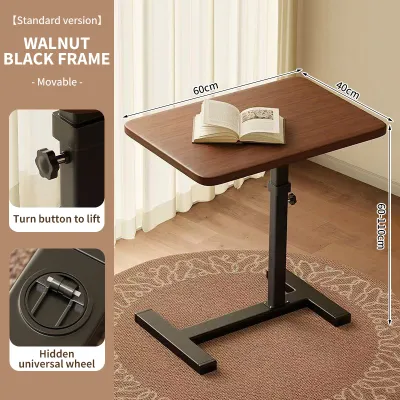
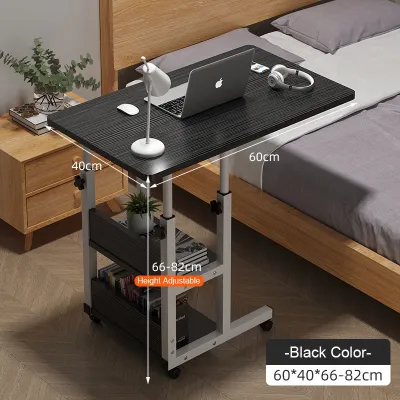
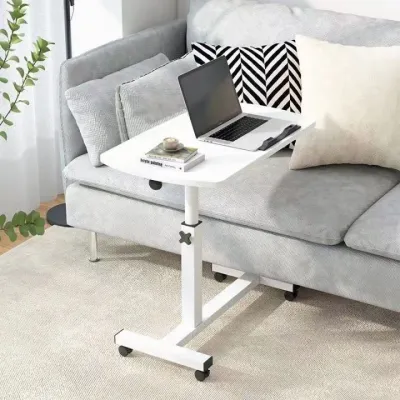
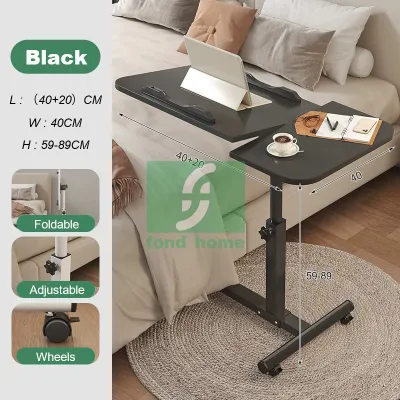
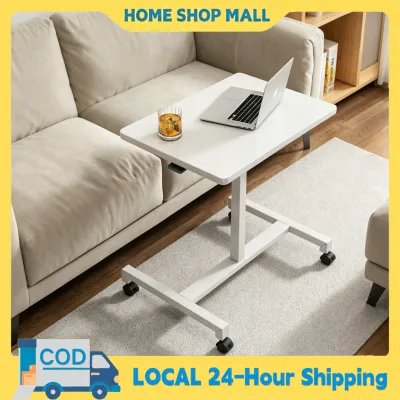
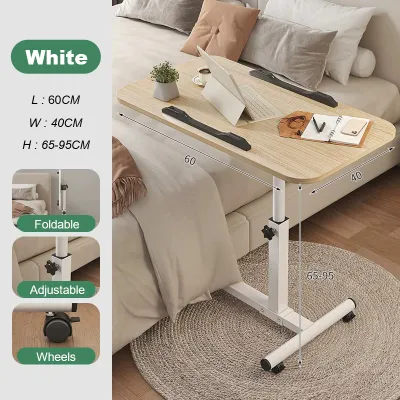
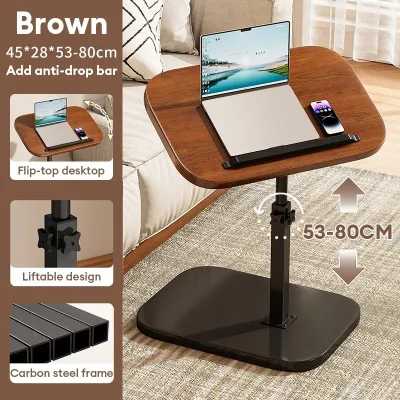
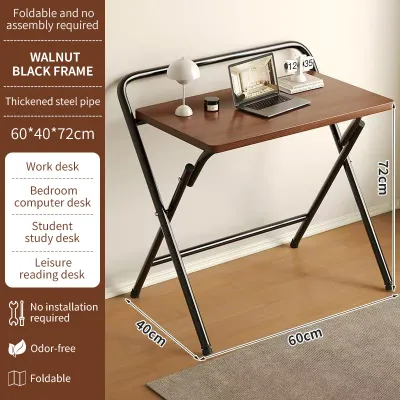
Prices are valid at publication and may change. Please refer to the product page for the latest price.
Finally, map out the traffic flow within your room to maintain comfortable daily movement. A side table should never force you to squeeze past or alter your natural walking path. Allow for at least 50 to 60 centimeters of walking clearance between the table and adjacent furniture. Additionally, verify that the table’s footprint does not interfere with the swing radius of wardrobe doors, kitchen cabinets, main entryways, or balcony doors. If a space is highly trafficked, a table that folds completely flat and stores vertically is essential to keeping your pathways clear during active hours.
Key Dimensions and Weight Capacity to Check Before Buying
When shopping for a portable folding side table, relying on product photos can be highly misleading. Instead, you must scrutinize the manufacturer’s technical specifications. Begin by comparing the unfolded tabletop dimensions against your intended use cases. For instance, if you plan to use the table for remote work, ensure the surface area comfortably accommodates your laptop, mouse, and a cup of coffee. Simultaneously, check the folded thickness of the table. Compare this measurement against your designated storage gaps, such as the narrow space between a wardrobe and the wall, or the clearance underneath your sofa.

Do not make assumptions about a table’s load-bearing capacity based solely on its material composition. A table described as “solid wood” or “heavy-duty metal” is not guaranteed to support heavy items if its folding joints or structural design are weak. Always locate and read the manufacturer’s stated weight capacity label, which is typically listed in kilograms. If you plan to place a heavy sewing machine, a desktop monitor, or a stack of textbooks on the surface, ensure the rated capacity exceeds your maximum expected load with a safe margin.
Furthermore, evaluate the physical base structure and the overall center of gravity of the table. Folding tables with a single pedestal or a C-shaped base offer excellent legroom but may have a higher risk of tipping if weight is concentrated on the outer edges. Conversely, an X-frame or four-legged folding design generally provides superior stability but limits how close you can pull the table to your lap. Consider your flooring type as well; uneven tiles, thick rugs, or slightly sloped balcony floors can compromise a table’s balance, making a low center of gravity and adjustable feet highly desirable features.
Material and Finish Considerations for Daily Use
The durability of a folding side table depends heavily on its surface treatments and joint construction rather than the raw material alone. In the Philippines, high relative humidity and tropical temperatures can accelerate the wear of poorly finished furniture. When reviewing product descriptions, look for specific surface treatments such as scratch-resistant melamine laminates, rust-resistant powder coatings on metal frames, or waterproof polyurethane seals on wooden surfaces. These protective layers prevent moisture absorption, swelling, and premature degradation from accidental spills or humid air.
The primary failure points of any portable furniture are the moving parts. Inspect the quality of the hinges, locking pins, brackets, and folding joints. High-quality hardware should operate smoothly without grinding, sticking, or showing visible play. Avoid tables with flimsy plastic joints or thin metal brackets that bend under light pressure. If you plan to fold and unfold the table multiple times a day, robust steel or reinforced aluminum hardware is critical to ensuring the mechanism does not fail after a few months of use.
Lastly, review the manufacturer’s care and maintenance instructions before making a purchase. A table used daily for dining or working will inevitably require frequent cleaning. Ensure the surface can withstand standard household disinfectants or mild soapy water without losing its finish. If a material requires specialized oils, delicate dry-wiping, or is highly susceptible to water rings, evaluate whether you are willing to commit to that level of upkeep in a busy, multi-functional household.
Evaluating Multi-Functional Features for Studio Living
Many modern folding tables come equipped with extra features designed to maximize utility in small spaces, but these additions can sometimes introduce unnecessary complexity or instability. Castor wheels, for example, offer excellent mobility, allowing you roll the table between your kitchen and living area. However, you must verify that at least two of the wheels feature reliable locking mechanisms to prevent the table from drifting while in use. Additionally, check that the wheel material is compatible with your flooring; hard plastic castors can easily scratch delicate vinyl planks or engineered wood floors common in modern condos.
Adjustable height mechanisms are another popular feature, allowing a single table to transition from a low coffee table to a standing desk. While highly versatile, these telescoping or notched legs can sometimes compromise the table’s overall rigidity. Check product specifications or user manuals to see how the legs lock into place. A screw-clamp mechanism may slip over time under heavy loads, whereas a spring-loaded locking pin generally offers a more secure hold but may limit you to pre-set height increments.
Built-in storage shelves, cup holders, or integrated USB charging ports can add convenience, but they also increase the table’s folded footprint and overall weight. A heavier table is more difficult to carry and store, defeating the purpose of portability. Determine if these integrated features justify the added bulk, or if you would be better served by a minimalist, lightweight design that is easier to handle and tuck away.
Safe Setup, Usage, and Maintenance Boundaries
To ensure the longevity of your folding side table and prevent accidental collapses, always adhere strictly to the manufacturer’s assembly and unfolding instructions. Never force a stiff hinge or improvise locking mechanisms if the parts do not align naturally. If the table features a safety latch or locking pin, ensure it is fully engaged before placing any items on the surface.
Establish a routine of performing regular visual checks on the table’s structural components. Periodically inspect the hinges, screws, and locking pins for signs of wear, loosening, or metal fatigue. In humid environments, check metal joints for early signs of rust that could compromise their strength. Tighten any loose fasteners immediately using the appropriate tools.
If you observe any structural issues, such as persistent wobbling, failing locks, or cracks in the frame or tabletop, stop using the table immediately. Do not attempt to load-test a compromised table or repair load-bearing joints with temporary adhesives. Consult the manufacturer or a qualified furniture repair professional to determine if the table can be safely restored or if it needs to be replaced.
Frequently Asked Questions (FAQ)
Can a folding side table safely hold a heavy laptop or small appliance?
To determine if a folding side table can safely support a heavy laptop, small kitchen appliance, or sewing machine, always check the manufacturer’s explicit weight limit and load distribution guidelines. Do not rely on visual estimates. Once you verify the weight falls within the rated limit, place the item slowly onto the center of the table. Monitor the joints, legs, and locking mechanisms for any signs of bowing, shifting, or stress before leaving the appliance unattended.
How do I prevent a lightweight folding table from tipping over?
You can improve the stability of a lightweight folding table by placing heavier items, such as books or laptops, near the center of the tabletop rather than along the edges or corners. Avoid hanging heavy bags or cables over the sides, as this shifts the center of gravity. Additionally, ensure the table is placed on a completely level floor surface. If permitted by the manufacturer’s instructions, you can apply non-slip rubber pads to the bottom of the legs to prevent sliding on smooth tile or laminate flooring.

Community discussion
Share your experience or ask a question. Comments are reviewed before publication.