
Selecting the right adult cabinet organizer for your wardrobe in the Philippines is not about finding a single, universally ideal product. Instead, a highly functional closet relies on a tailored system that matches your specific wardrobe dimensions, daily clothing habits, and the unique environmental conditions of a tropical climate. High humidity, seasonal dust, and varying cabinet designs mean that what works in a dry, temperate climate may fail to protect your garments here. By focusing on precise measurements, material durability, and strategic placement, you can transform a cluttered closet into an efficient, organized space that preserves the quality of your clothes.
An effective organization strategy begins with understanding that adult wardrobes must accommodate a diverse range of items, from structured formal wear and delicate fabrics to casual everyday attire and small accessories. Unlike children’s closets, adult wardrobes require deeper storage zones, higher weight capacities, and specialized compartments to prevent damage to expensive garments. Achieving this balance requires evaluating your existing storage layout, identifying underutilized areas, and selecting organizers that complement rather than crowd your wardrobe.
Assessing Your Wardrobe Space and Storage Needs
Before purchasing any organizing bins, hanging shelves, or drawer inserts, you must conduct a thorough physical assessment of your wardrobe. Start by clearing out the entire closet to expose its bare structure, which allows you to see the actual space you have to work with. Using a metal measuring tape, record the internal height, width, and depth of every compartment. It is crucial to measure these dimensions at multiple points—such as the top, middle, and bottom of a shelf—because wooden cabinets can warp slightly over time, and built-in wardrobes may have minor structural inconsistencies.
Products mentioned in this guide
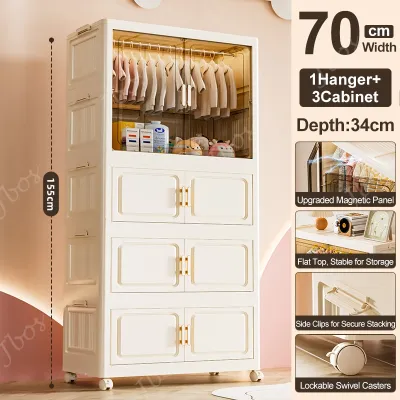
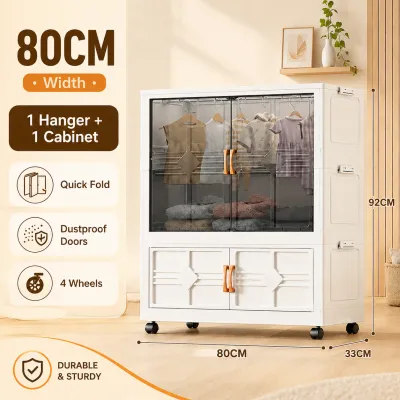
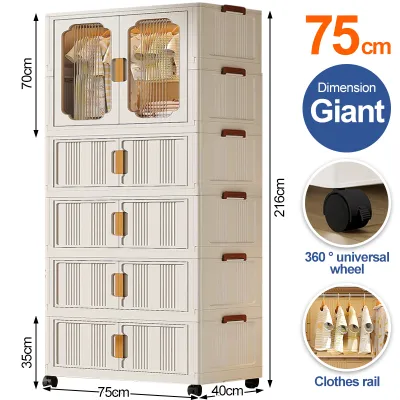
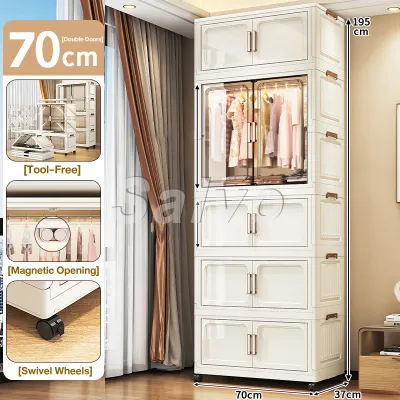
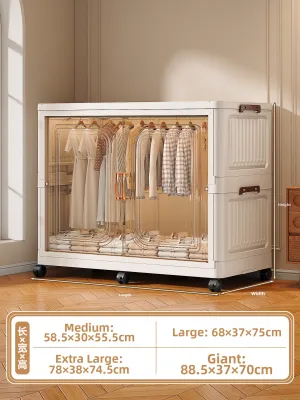
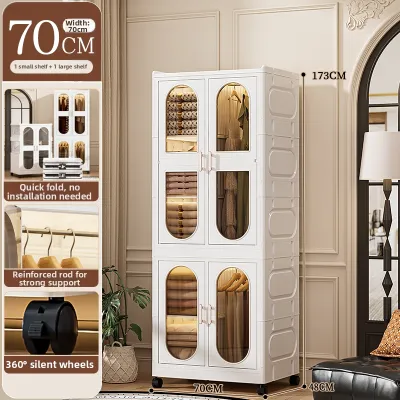
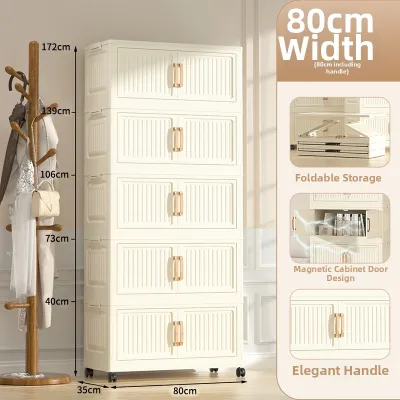
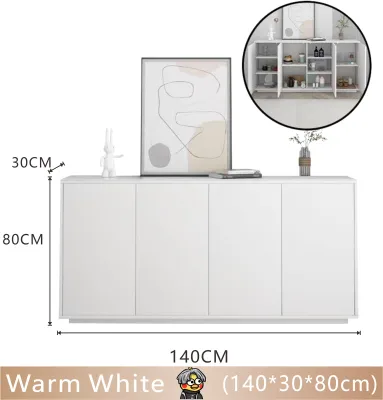
Prices are valid at publication and may change. Please refer to the product page for the latest price.
Beyond basic dimensions, you must account for functional clearances that can obstruct your organizers. For wardrobes with sliding doors, measure the depth of the door tracks, as organizers that sit too close to the front edge will prevent the doors from gliding smoothly. For swing doors, identify the location of the hinges; these metal fixtures often protrude into the cabinet space, blocking pull-out drawers or wide storage bins from sliding forward. Additionally, take note of any permanent fixtures, such as built-in shelf supports, lighting units, or clothing rods, which cannot be moved and will dictate the maximum size of your organizing units.
Once you have mapped out the physical space, categorize your wardrobe contents to determine your specific storage requirements. Group your clothing by type and frequency of use: formal wear like barongs, suits, and long dresses require full-height hanging space, while casual t-shirts, activewear, and denim are better suited for shelves or drawers. Undergarments, socks, and delicate accessories like watches, belts, and jewelry need small, compartmentalized storage to prevent them from getting lost in deep drawers. By quantifying how much of each category you own, you can avoid buying unnecessary organizers and focus on the formats that match your actual wardrobe composition.
Finally, identify the “dead zones” within your wardrobe that are currently underutilized. High top shelves are often difficult to reach, leading to wasted space or disorganized piles of seasonal items. Deep corner shelves in L-shaped wardrobes can easily become dark zones where clothes are forgotten for months. The bottom floor of the wardrobe is another common dead zone that quickly accumulates loose shoes or bags. Recognizing these problematic areas allows you to select targeted solutions, such as clear labeled bins for high shelves, pull-out organizers for deep corners, and elevated racks for the wardrobe floor.
Matching Organizer Types to Wardrobe Zones
A successful wardrobe organization system relies on placing the right type of organizer in the correct zone of your closet. Wardrobes are generally divided into three primary zones: the hanging zone, the shelf zone, and the drawer zone, each requiring a distinct approach to storage. Placing an incompatible organizer in any of these zones not only wastes space but can also damage your clothing or put unnecessary strain on the wardrobe’s structure.

When selecting materials for these zones, you must weigh the trade-offs between rigid structures and flexible materials. Rigid organizers, such as those made from acrylic, treated wood, or powder-coated metal, offer excellent structural integrity, do not sag under weight, and are easy to wipe clean. However, they are heavier, less forgiving in tight spaces, and can scratch delicate cabinet interiors if they lack protective padding. Flexible organizers, including canvas, polyester, and non-woven fabric bins, are lightweight, collapsible, and gentle on delicate fabrics. The trade-off is that fabric organizers can sag over time if overloaded, and they are more susceptible to absorbing ambient moisture and dust in humid environments.
Hanging Organizers and Garment Protection
Hanging zones are ideal for items that crease easily or require structural preservation, but they can quickly become overcrowded. Before adding multi-tier hanging shelves or heavy garment bags to your hanging rod, you must verify the rod’s weight capacity. Check the thickness of the rod and the stability of its mounting brackets; thin metal or wooden rods can bow or pull away from the cabinet walls under excessive weight. If you plan to use vertical hanging organizers to maximize space, distribute the weight by placing lighter items like t-shirts or accessories in the hanging shelves, leaving the main rod for heavier individual garments.
Spacing between hangers is another critical factor in garment protection. Utilizing space-saving cascading hooks or multi-garment hangers can significantly increase your hanging capacity, but packing clothes too tightly restricts airflow and crushes fabrics. For delicate materials like linen, silk, or fine cotton, tight packing leads to deep creases and can trap moisture, encouraging mold growth. Ensure there is at least a finger-width of space between each hanger to allow air to circulate freely around your clothes.
For formal wear and seasonal garments that are not worn frequently, protective covers are essential to guard against dust and pests. In the tropical climate of the Philippines, avoid using solid plastic or vinyl garment bags, as these materials trap ambient humidity inside the cover, creating a breeding ground for mildew. Instead, look for garment covers made from breathable non-woven fabrics or natural cotton. These materials allow air exchange while keeping dust out, ensuring your formal attire remains fresh and ready to wear.
Drawer Dividers and Insert Trays
Drawers are highly effective for storing smaller, foldable items, but without internal structure, they quickly devolve into chaotic piles. To select the right drawer dividers or insert trays, start by measuring the internal depth, width, and height of each drawer. A common mistake is purchasing inserts that are too tall, preventing the drawer from closing, or too small, causing the trays to slide around every time the drawer is opened.
Adjustable or modular inserts are highly recommended because they allow you to customize the compartment sizes as your wardrobe needs change. Spring-loaded tension dividers made from bamboo or plastic can be adjusted to create custom lanes for folded jeans or sweaters. For smaller items like undergarments, socks, and rolled belts, modular honeycomb or grid inserts keep each item individually visible and accessible. This level of organization prevents you from rummaging through the entire drawer, which disrupts the neatness of other folded items.
When evaluating drawer organizers, pay close attention to the quality of the materials and construction. Inspect the edges of plastic or wooden dividers to ensure they are completely smooth; any rough spots or sharp plastic seams can snag delicate fabrics like lace, silk, or fine knits. Additionally, look for dividers with non-scratch rubberized bases or felt padding on the ends. These protective features prevent the organizers from shifting during use and protect the interior finish of your drawers from scratches and scuffs.
Shelf Bins and Stackable Storage Boxes
Wardrobe shelves offer generous storage space but often lead to messy, unstable stacks of clothing that easily topple over. Shelf bins and stackable storage boxes solve this issue by containing folded items horizontally, making it easier to utilize the full height of each shelf. When choosing these containers, always verify the shelf depth to ensure the bins do not protrude past the edge of the shelf, which can block wardrobe doors from closing properly.
If you plan to stack storage boxes to maximize vertical space, structural stability is paramount. Ensure that the boxes are designed specifically for stacking, featuring recessed lids or interlocking rims that prevent the top box from sliding off. The bottom box in a stack must have a reinforced frame—such as an internal metal wire structure or thick, rigid plastic walls—to support the weight of the boxes above without buckling or collapsing. Avoid stacking soft, unreinforced fabric bins, as they will sag and compress, damaging the clothes stored inside.
Visibility is another key consideration for shelf storage. Transparent acrylic or clear plastic bins are highly practical because they allow you to identify the contents at a glance without having to open or move the container. If you prefer a more cohesive, minimalist look with opaque fabric or woven baskets, ensure they feature clear label holders or handles on the front. Handles make it safe and easy to pull the bins down from high shelves, while clear labels prevent the need to guess what is stored inside, keeping your organization system functional over the long term.
Key Selection Criteria and Pre-Purchase Checks
Selecting the right cabinet organizers involves more than just finding units that fit your wardrobe’s physical dimensions; you must also evaluate their structural quality and environmental compatibility. Always review the manufacturer’s specifications for load-bearing limits before purchasing. This is especially important for hanging organizers, plastic drawers, and stackable bins that will hold heavy items like denim, leather bags, or winter coats. Overloading an organizer beyond its rated capacity can lead to structural failure, damaging both the organizer and your wardrobe.
Material care and durability are critical factors, particularly in the humid climate of the Philippines. Inspect the material care labels and structural joints of any organizer you consider. For fabric organizers, look for water-resistant coatings or synthetic fibers like polyester that are easier to clean and less prone to absorbing moisture than natural fibers. For wooden or bamboo organizers, ensure they are treated with a moisture-resistant sealant to prevent warping and mold growth. Check that structural joints, such as rivets, stitching, or glue lines, are clean and secure, as weak joints will quickly fail under daily use.
Finally, verify that the footprint and design of the organizers allow for adequate air circulation within your wardrobe. In high-humidity environments, packing a closet completely full of solid, airtight plastic boxes can trap stagnant air, leading to musty odors and mold. Opt for organizers with breathable designs, such as wire baskets, slatted wooden bins, or fabric boxes with ventilation eyelets. When arranging your organizers on shelves, leave a gap of at least two to three centimeters between the bins and the wardrobe walls to facilitate continuous airflow, which is one of the most effective natural defenses against humidity-related damage.
Installation, Arrangement, and Maintenance
Proper installation and arrangement of your cabinet organizers are essential for maintaining the structural integrity of your wardrobe and ensuring daily safety. When placing organizers and storing items, always distribute the weight evenly across shelves and hanging rods. Avoid placing all your heaviest items, such as thick jackets or heavy storage boxes, on one side of the closet or on a single high shelf. Keeping heavier items on the lower shelves or the wardrobe floor lowers the center of gravity, preventing top-heavy tipping hazards and reducing the risk of shelves bowing or cracking over time.
When assembling modular organizer units or installing semi-permanent shelving systems, always follow the manufacturer’s assembly instructions step-by-step. Use the provided hardware and ensure all connections are tight and secure. If an organizer requires structural modifications to your wardrobe—such as drilling into the cabinet walls to mount heavy tracks or brackets—stop and evaluate your DIY skills. If you are unsure about the load-bearing capacity of your wardrobe walls or how to secure the mounts safely, consult a qualified professional carpenter to perform the installation and avoid costly structural damage.
Maintaining your wardrobe organization system requires ongoing attention rather than a one-time effort. Schedule periodic checks every three to six months to inspect your organizers and wardrobe hardware. During these checks, empty the organizers to wipe down their surfaces, remove accumulated dust, and check for any signs of material degradation, mold, or pest activity. Tighten any loose screws, brackets, or hinges on both your organizers and the wardrobe doors. This proactive maintenance routine not only extends the lifespan of your storage systems but also ensures your clothes remain clean, fresh, and well-protected.
Frequently Asked Questions (FAQ)
How do I prevent mold on fabric organizers in humid climates?
Preventing mold on fabric organizers in humid climates requires maintaining consistent air circulation and controlling moisture levels inside your wardrobe. Avoid overstuffing fabric bins, as packed clothes restrict airflow and trap stagnant, humid air. Check the manufacturer’s guidelines for cleaning; many fabric organizers can be wiped down with a damp cloth and a mild disinfectant or vacuumed to remove dust, which mold spores use as a food source. Always ensure the fabric is completely dry before returning it to the closet. Additionally, place moisture-absorbing products, such as silica gel packets or hanging dehumidifier bags, inside your wardrobe. Position these absorbers so they do not directly touch your fabric organizers or clothing, preventing any potential chemical leakage from damaging the materials.
Can I mix different organizer brands in the same wardrobe?
Yes, you can successfully mix different organizer brands in the same wardrobe, provided you prioritize matching dimensions and functional compatibility over brand names. When mixing brands, focus on maintaining consistent depths and heights so the organizers sit flush on your shelves and do not create uneven, awkward gaps. To keep your wardrobe looking visually cohesive and intentional, stick to a unified color palette—such as all white, grey, or natural wood tones—and choose materials that complement each other. However, be cautious when attempting to stack modular storage boxes or interlocking drawer systems from different brands. Modular systems are typically engineered with brand-specific tabs, grooves, or interlocking rims that rarely align with other brands, which can result in unstable, hazardous stacks.

Community discussion
Share your experience or ask a question. Comments are reviewed before publication.