
Upgrading your kitchen in the Philippines requires materials that can withstand high humidity, tropical heat, and common household pests like termites. Aluminium hanging kitchen cabinets have become an increasingly popular choice for homeowners seeking a durable, moisture-resistant alternative to traditional wood or medium-density fibreboard (MDF). While budget-friendly options are widely available on local e-commerce platforms, finding a unit that balances affordability with structural safety requires careful evaluation. A hanging cabinet must securely support the weight of plates, bowls, and pantry staples, making structural integrity a non-negotiable priority over mere aesthetics.
To make a smart investment, you must look beyond attractive product photos and focus on verifiable specifications, hardware quality, and installation requirements. Choosing the right cabinet involves understanding how the unit mounts to your wall, the thickness of the metal sheets, and the actual load-bearing capacity of the frame. By taking a systematic approach to your purchase, you can find a highly functional, long-lasting storage solution that fits your budget without compromising the safety of your kitchen.
Setting Your Budget and Non-Negotiables for Aluminium Cabinets
Establishing a clear budget is the first step in your kitchen upgrade journey, but this budget must be grounded in the realities of the local market. In the Philippines, entry-level aluminium hanging cabinets typically range from ₱1,500 to ₱5,000 per unit, depending on the width, height, and configuration. While it is tempting to search for the absolute lowest price, setting a realistic baseline ensures you do not end up with a structurally compromised unit that poses a safety hazard in your home. Allocate your funds with a clear understanding of what constitutes a safe, functional cabinet versus what is simply a cosmetic upgrade.
Products mentioned in this guide
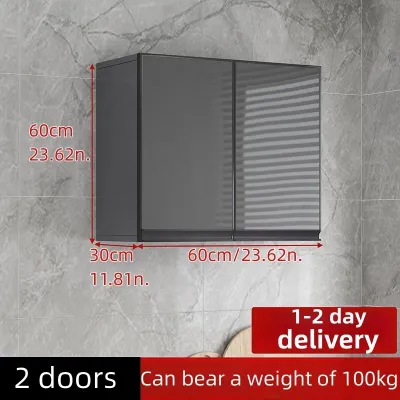
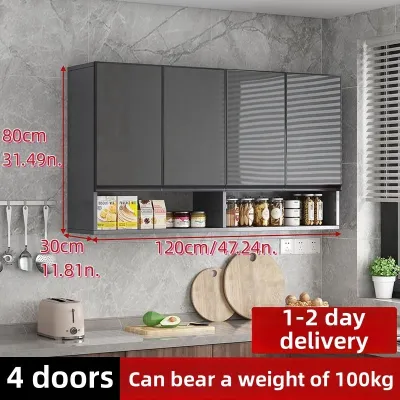
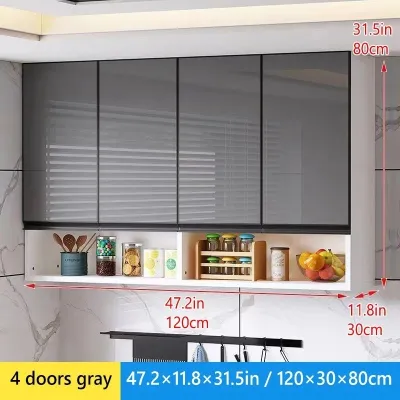
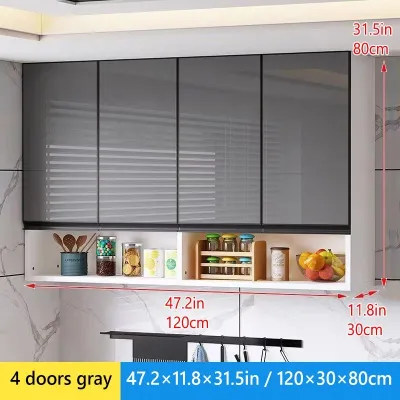
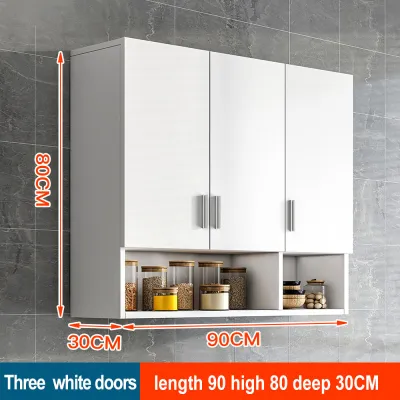
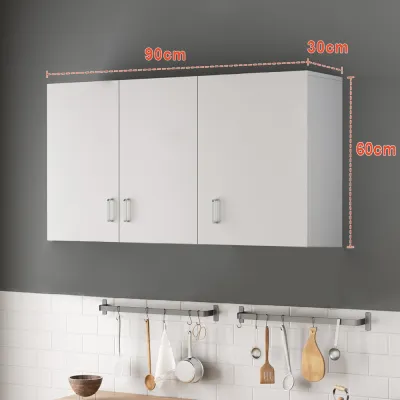
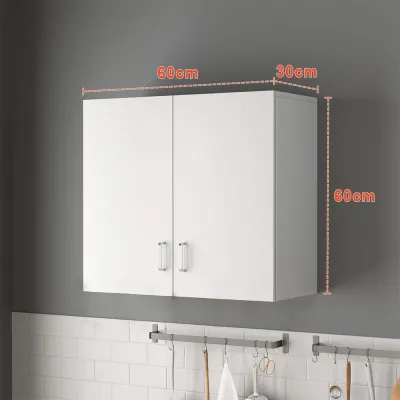
Prices are valid at publication and may change. Please refer to the product page for the latest price.
Your absolute non-negotiables must center on structural safety and secure installation. A robust mechanical wall-mounting rail system is essential for any hanging cabinet, as it distributes the weight evenly across your wall studs or masonry. Never compromise on the verified load-bearing capacity of the cabinet; the manufacturer must provide a clear weight limit, and the mounting brackets must be made of heavy-duty steel or thick aluminium. These structural elements prevent the cabinet from sagging, warping, or, in the worst-case scenario, detaching from the wall entirely under the weight of your kitchenware.
Once safety is secured, you can distinguish between must-have functional elements and optional aesthetic upgrades to keep costs down. Sturdy hinges, secure door latches, and rigid internal shelving are essential for daily usability and must be prioritized in your budget. On the other hand, premium finishes like wood-grain heat transfers, customized glass door inserts, or integrated hydraulic gas struts are non-essential features that quickly inflate the price. Opting for a clean, minimalist design with standard metal panels allows you to maximize your budget for structural quality.
Essential Specifications to Verify on E-Commerce Platforms
Shopping on online marketplaces requires a critical eye, as you cannot physically inspect the cabinets before purchase. Begin by checking the exact exterior dimensions—width, height, and depth—listed in the product description. Compare these measurements against your available wall space, ensuring you leave adequate clearance for existing kitchen appliances, range hoods, and window frames. Additionally, consider the path the cabinet must take to reach your kitchen; measure your doorways, hallways, and elevator doors to ensure the packaged unit can be easily transported into your home.

Do not rely solely on generic material labels like “premium aluminium” or “heavy-duty metal.” Instead, search the product specifications for concrete details regarding the aluminium sheet thickness and the internal frame structure. High-quality budget cabinets typically feature an aluminium frame thickness of at least 0.8mm to 1.2mm to ensure rigidity. Look for details on the surface treatment as well; powder coating or anodizing is highly recommended for kitchen environments, as these treatments protect the metal from oxidation, grease buildup, and scratches.
The hardware included with your purchase is just as important as the cabinet itself. Review the product listing or contact the seller to confirm that the package includes specific wall anchors, mounting screws, and heavy-duty brackets rated for the cabinet’s maximum load. If the listing is vague about the mounting hardware, assume you may need to purchase high-quality anchors separately. Ensuring the hardware is explicitly specified protects you from receiving weak, generic screws that are unsuitable for securing a heavy cabinet to your wall.
Finally, protect your investment by thoroughly reviewing the seller’s return policy, warranty terms, and packaging standards. Aluminium is a lightweight metal that can easily dent or bend during transit if not properly protected. Look for sellers who explicitly state they use multi-layer bubble wrap, corner guards, and sturdy wooden crates or thick cardboard boxes for shipping. A reliable return policy or a local warranty gives you peace of mind, allowing you to return or exchange the unit if it arrives with transit damage or missing assembly parts.
Navigating Trade-Offs: Where to Save and Where to Invest
Achieving a budget-friendly kitchen upgrade requires strategic compromises, meaning you must know where to cut costs and where to spend extra. One of the easiest ways to save money is by opting for standard cosmetic finishes. Plain anodized silver or basic powder-coated finishes in white, black, or grey are highly durable, easy to clean, and significantly cheaper than custom wood-grain wraps or textured coatings. These standard finishes still offer excellent moisture resistance while keeping the overall cost of the cabinet within your target budget.
Internal organization is another area where you can easily save upfront costs. Choose cabinets with basic, adjustable flat shelves rather than models featuring built-in pull-out wire baskets, spice racks, or specialized drawer dividers. These integrated organizational systems carry a high price premium. You can achieve the same level of organization much more affordably by purchasing independent plastic bins, wire risers, or shelf organizers from local home stores later on, allowing you to spread out your expenses over time.
Conversely, you must never compromise on the structural stability of the cabinet’s core components. Invest in a model that features a solid, rigid back panel and a high-quality main mounting rail. Some ultra-budget cabinets save on materials by using flimsy plastic backings or thin composite boards that easily bow outward when loaded. A solid aluminium back panel ensures the cabinet maintains its square shape and prevents dust, insects, and moisture from entering through the rear, while a strong mounting rail keeps the unit safely anchored to the wall.
If the cabinet you select fits your budget but comes with basic, lightweight hardware, consider allocating a small portion of your funds for aftermarket upgrades. Standard hinges can feel stiff or noisy over time, but you can easily replace them with affordable, high-quality soft-close hinges purchased separately. This minor investment dramatically improves the daily tactile experience of using your kitchen cabinets, giving them a premium, high-end feel without the associated high price tag of a luxury cabinet brand.
Factoring in Installation and Hidden Costs
The price tag on an e-commerce listing is rarely the total cost of getting a cabinet fully functional in your kitchen. Shipping and handling fees for bulky, heavy items can be substantial, especially if you live outside major metropolitan areas in the Philippines. Before committing to a purchase, check the shipping calculator on the platform and look for sellers who offer subsidized delivery thresholds, shipping vouchers, or local pickup options to minimize these transit expenses.
Installation is another critical factor that can introduce unexpected costs. While some homeowners possess the tools and skills for a DIY installation, mounting hanging cabinets on concrete, masonry, or tiled walls—which are standard in most Philippine homes—requires specialized equipment. You will need a reliable hammer drill, masonry drill bits, a spirit level, and heavy-duty wall anchors. If you do not own these tools, hiring a qualified local handyman is highly recommended to ensure the cabinet is mounted safely and level, which will add to your overall project cost.
You should also budget for supplementary items that complete the installation and improve usability. For instance, adding simple under-cabinet LED strip lights can dramatically improve your countertop workspace lighting for a very low cost. Purchasing basic non-slip shelf liners is also a wise investment to prevent metal-on-metal noise and protect the interior shelves from scratches caused by heavy pots and pans. These small additions enhance the functionality of a budget cabinet but must be accounted for in your initial financial planning.
Before clicking the final checkout button, carefully review the order summary to ensure there are no hidden fees. Verify that the total includes any applicable local taxes, handling surcharges, or assembly fees if the seller offers an optional on-site assembly service. Keeping a detailed checklist of these potential extra costs ensures that your kitchen upgrade remains strictly within your planned budget, preventing any unpleasant financial surprises once the product arrives at your doorstep.
Red Flags and Quality Traps in Budget Aluminium Cabinets
When browsing budget-friendly options, it is vital to recognize red flags that indicate poor manufacturing or unsafe designs. Avoid product listings that lack clear weight capacity specifications or rely entirely on vague marketing buzzwords like “super strong” or “heavy-duty” without providing actual material thickness or testing data. A reputable manufacturer will always provide clear guidelines on how much weight the cabinet can safely support when properly installed, allowing you to make an informed decision.
Watch out for cabinets that utilize excessively thin back panels made of flimsy PVC, thin plastic sheets, or paper-thin aluminium foil. These materials offer virtually no structural support and are highly prone to bowing, warping, or detaching entirely when the cabinet is filled with heavy plates or canned goods. A quality cabinet relies on a rigid back panel to maintain its structural integrity and distribute the load evenly, making thin, flexible backings a major quality trap that will lead to premature failure.
Be highly cautious of sellers who have no verifiable customer reviews, or whose reviews frequently mention poor packaging quality. Aluminium is highly susceptible to denting, scratching, and bending during shipping if it is not packed with adequate cushioning. If previous buyers report that their cabinets arrived with bent corners, misaligned doors, or missing assembly hardware, it is best to look for an alternative seller who prioritizes secure packaging and reliable delivery standards.
Finally, steer clear of any hanging cabinet that claims to install using only adhesive strips, suction cups, or light-duty tension systems. Hanging kitchen cabinets must always be secured using a robust, mechanical screw-based wall-mounting system. Adhesives and suction cups are highly vulnerable to the tropical heat and humidity of the Philippines, which can cause the adhesive bond to degrade rapidly over time. Relying on non-mechanical mounting methods poses an extreme safety risk, as the cabinet could suddenly fall, causing severe damage or injury.
Frequently Asked Questions (FAQ)
How much weight can a standard budget aluminium hanging cabinet hold?
The weight capacity of a budget aluminium hanging cabinet varies strictly depending on the manufacturer’s specifications, the thickness of the frame, and the quality of the mounting hardware used. Generally, a standard single-unit cabinet may support between 15 to 30 kilograms when properly anchored to a solid wall. Always check the product manual or the seller’s official listing for the exact maximum load limit, and distribute heavy items evenly across the bottom shelf to avoid overloading the structure.
Is it safe to mount aluminium cabinets on drywall or gypsum board?
Hanging cabinets generally require solid masonry, concrete, or properly reinforced wall studs to safely support the combined weight of the cabinet and its contents. Standard drywall or gypsum board alone does not have the structural strength to hold heavy hanging cabinets and will fail under load. If your kitchen has drywall partitions, you must locate the wooden or metal studs behind the wall to anchor the cabinet, or consult a qualified professional to install specialized heavy-duty toggle bolts or structural backing.
How do I clean and maintain powder-coated aluminium surfaces?
To preserve the finish of your powder-coated aluminium cabinets, use a soft microfiber cloth and a mild, non-abrasive soap solution for routine cleaning. Gently wipe down the surfaces to remove grease and dust, then dry them thoroughly with a clean towel to prevent water spots. Avoid using harsh chemical degreasers, bleach, steel wool, or abrasive scrubbers, as these harsh materials can scratch, dull, or permanently degrade the protective powder-coated finish.

Community discussion
Share your experience or ask a question. Comments are reviewed before publication.