
Finding a comfortable, supportive desk chair in the Philippines does not require spending a six-figure sum on a premium brand like Herman Miller. While high-end models set the standard for workplace ergonomics, the local market offers excellent alternatives between ₱3,000 and ₱15,000. By focusing on essential adjustability features and understanding what to look for during your search, you can secure a chair that protects your posture and keeps you cool in tropical humidity without breaking your budget.
To find a worthy alternative, you must isolate the specific mechanisms that make premium chairs comfortable. The goal is to replicate the active posture support of high-end models rather than just copying their aesthetic design.
Defining the Core Ergonomic Features You Actually Need
Start by looking for adjustable lumbar support that can be moved vertically to align with the curve of your lower back. Some budget models offer depth-adjustable lumbar support, which allows you to control how firmly the support presses against your spine.
Products mentioned in this guide
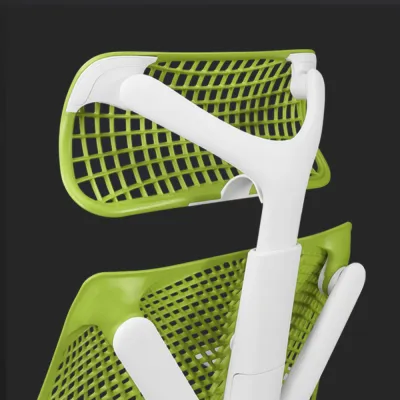
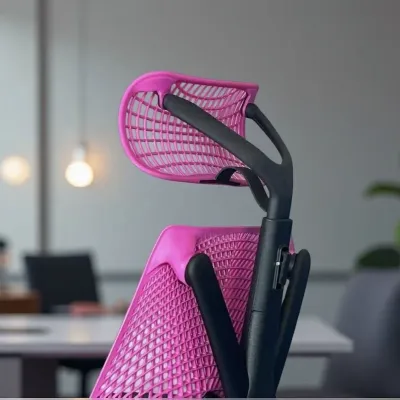
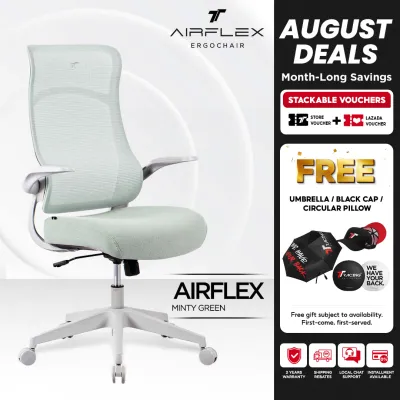
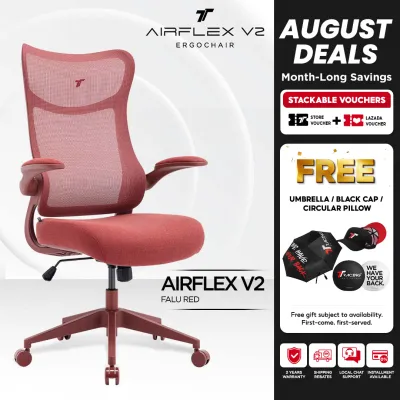
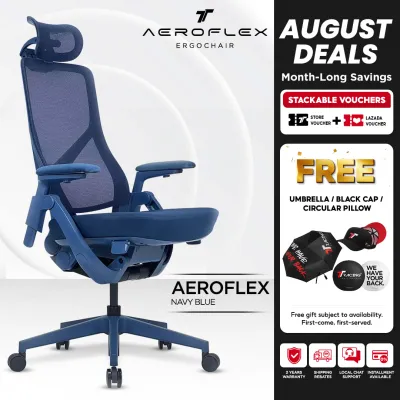
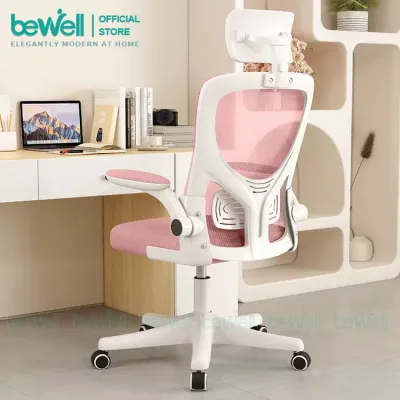
Prices are valid at publication and may change. Please refer to the product page for the latest price.
Seat depth adjustment is another critical feature to prioritize. It allows you to slide the seat pan forward or backward, ensuring your thighs are fully supported without the front edge pressing into the back of your knees. This adjustment is essential for maintaining healthy circulation during long working sessions.
Multi-dimensional armrests—often referred to as 2D, 3D, or 4D armrests—allow you to adjust the height, angle, and depth of the arm pads. This customization prevents shoulder strain by keeping your elbows bent at a comfortable 90-degree angle while typing, reducing tension in your neck and upper back.
In the ₱3,000 to ₱15,000 price range, you will need to prioritize these “must-have” adjustments over premium “nice-to-have” additions. Features like polished aluminum bases, forward tilt mechanisms, or complex auto-harmonic tilt systems are typically omitted to keep costs manageable.
Expect some trade-offs in material composition and longevity. While premium chairs use proprietary elastomeric mesh that retains its tension for decades, budget alternatives often utilize standard polyester mesh or high-density foam cushions.
Foam cushions offer immediate comfort but can trap heat in warm, humid climates, making breathable mesh backrests highly desirable for homes in the Philippines. Additionally, warranties in this budget tier typically span one to three years, compared to the 12-year coverage of luxury brands.
What to Expect Across the ₱3,000 to ₱15,000 Price Tiers
In the ₱3,000 to ₱7,000 tier, chairs generally offer basic ergonomic adjustments. You can expect standard pneumatic height adjustment, a simple tilt-and-lock mechanism, and manual tilt tension control. The lumbar support is often a fixed or height-adjustable plastic pad rather than a dynamic, self-adjusting system.

When shopping in this lower tier, pay close attention to the frame construction. Look for heavy-duty nylon bases and check the manufacturer’s specifications for weight capacity. Because warranties in this price range are often limited to six months or a year, verifying the thickness of the seat foam and the sturdiness of the adjustment levers before purchasing is essential.
Stepping up to the ₱7,001 to ₱15,000 tier unlocks advanced ergonomic features that closely mimic premium seating experiences. Here, you will find synchro-tilt mechanisms, where the backrest reclines at a 2:1 ratio relative to the seat pan, keeping your feet flat on the floor and maintaining proper spinal alignment as you lean back.
Chairs in this mid-range tier frequently feature 3D armrests, adjustable seat depth, and higher-grade mesh with improved tension retention. The lumbar support systems are often more sophisticated, featuring independent, spring-loaded panels that adapt to your movements.
Before finalizing your purchase, evaluate the buying channel. Online marketplaces offer convenience and competitive pricing, but they often require self-assembly and have strict return policies. If you buy online, check if the seller provides clear assembly instructions and video guides.
Visiting a physical showroom in Metro Manila or other urban centers allows you to test the chair’s fit in person, verify the build quality, and clarify after-sales support and parts replacement policies directly with the staff.
A Practical Checklist for Evaluating Budget Ergonomic Chairs
When testing a chair, sit all the way back so your spine contacts the backrest. Verify that your feet rest flat on the floor with your knees bent at a 90-degree angle. Ensure there is a gap of about two to three fingers between the front edge of the seat cushion and the back of your knees to prevent pressure on your blood vessels.
Lean back and return to an upright position several times. The recline tension should be firm enough to support your weight but smooth enough that you do not have to push back aggressively. While in a typing posture, your shoulders should remain relaxed, and your elbows should rest comfortably on the armrests without slouching.
Inspect the underside of the chair to verify the quality of the gas lift cylinder. Look for labels indicating certifications from recognized testing bodies such as SGS or BIFMA, which ensure the cylinder has undergone rigorous safety and durability testing. Check the stability of the five-star base by rolling the chair slightly; it should feel planted without tipping or flexing.
Do not purchase any chair that exhibits structural wobbling when the joints are fully tightened. Avoid models with persistent squeaking sounds, loose adjustment levers, or locking mechanisms that slip under pressure. These are clear indicators of poor manufacturing tolerances that will likely fail prematurely.
Frequently Asked Questions (FAQ)
Can a budget ergonomic chair last as long as a premium model?
While budget ergonomic chairs generally do not match the 10-to-15-year lifespan of premium models, you can maximize their durability with proper care. The lifespan of a mid-range chair is heavily influenced by material aging, daily usage intensity, and adherence to weight limits. High-density foam cushions and polyester mesh will naturally soften over several years of continuous use.
To extend the life of your chair, perform routine maintenance every six months. Check and tighten the structural screws under the seat pan and armrests, as daily movement can gradually loosen them. Clean the mesh or fabric backrest according to the manufacturer’s care label to prevent sweat and dust buildup, and avoid exceeding the recommended weight capacity to protect the gas lift cylinder.
Is it better to buy a used premium chair or a new budget alternative?
Choosing between a secondhand premium chair and a brand-new budget alternative depends on your tolerance for risk. A used high-end chair may offer superior materials and engineering, but it often comes with hidden wear and tear. The gas lift cylinder may be near the end of its life, the mesh tension may have degraded, and you will not have access to the original manufacturer’s warranty.
Conversely, a new chair in the ₱3,000 to ₱15,000 range provides guaranteed structural integrity, modern adjustable features, and immediate after-sales support. You receive a fresh warranty, clean materials free of previous wear, and the peace of mind that all mechanical components are functioning perfectly from day one.

Community discussion
Share your experience or ask a question. Comments are reviewed before publication.