
When choosing padding for a garden hammock, there is no universal winner between an air pillow and a memory foam cushion. The right choice depends entirely on how exposed your hammock is to the elements and your willingness to manage maintenance. Air pillows offer superior water resistance and compact storage, making them ideal for fully exposed setups. Memory foam provides unmatched contouring comfort and pressure relief but demands strict moisture protection and covered storage. This guide breaks down the practical trade-offs to help you match the padding to your specific outdoor environment.
Evaluating Comfort and Support for Lounging
Lounging in a hammock is a unique physical experience because the support surface is suspended and dynamic rather than flat and static. Adding any form of padding alters how the hammock fabric conforms to your body.
Memory foam cushions excel at pressure relief. The material reacts to body heat and weight, contouring closely to your shoulders, neck, and lower back. This creates a deeply cradled sensation that can make a simple rope or fabric hammock feel like a luxury daybed.
Products mentioned in this guide
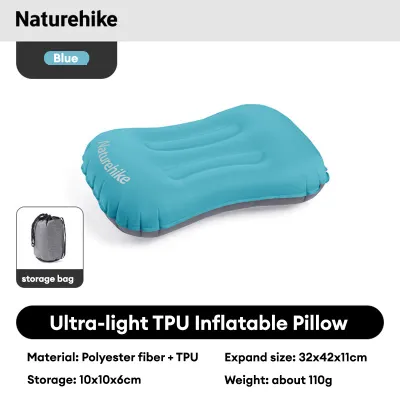
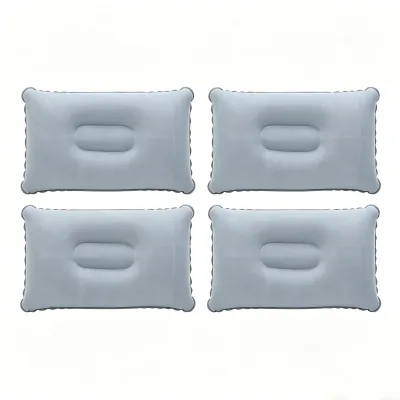
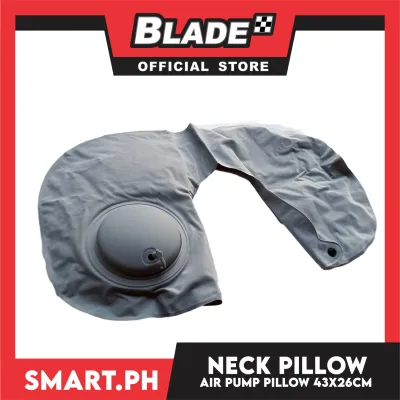
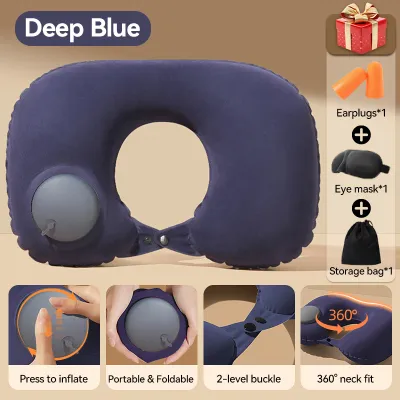
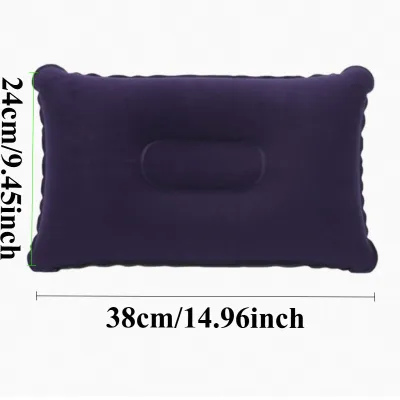
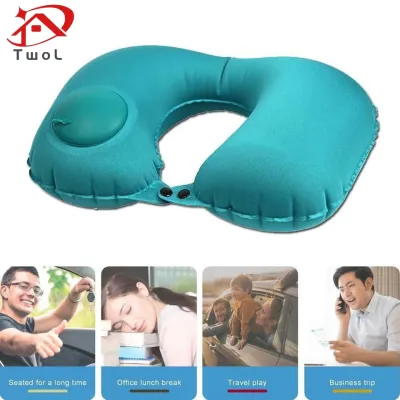
Prices are valid at publication and may change. Please refer to the product page for the latest price.
However, this contouring ability comes with a significant drawback in tropical climates. Memory foam is highly dense and naturally retains body heat. On a humid afternoon in the Philippines, a thick memory foam cushion can quickly become uncomfortably warm, trapping sweat and reducing airflow beneath your body.
An inflatable pillow air option offers a completely different style of support. Because it relies on pressurized air, you can easily adjust the firmness. Letting out a small amount of air allows the pillow to sag slightly and match the natural curve of the hammock, while fully inflating it provides rigid elevation for reading.
The trade-off with air is stability. An air pillow does not contour to your body; instead, your body must balance on top of it. If the pillow is not secured to the hammock strings or fabric, it can easily slide around, shift your center of gravity, and disrupt your balance.
Furthermore, you must consider the hammock’s natural sag. Hammocks naturally curve into a banana shape when occupied. A thick, rigid cushion can flatten this curve too much, raising your center of gravity and making the hammock feel tippy or unstable. An air pillow, being smaller and more localized, typically has a smaller impact on the overall balance of the suspension system.
Assessing Weather Resistance and Durability
Outdoor furniture accessories must withstand intense sunlight, heavy rain, and high humidity. Before purchasing any padding, you should carefully inspect the manufacturer’s product specifications rather than assuming a material is naturally weatherproof. Look for explicit labels indicating UV resistance, water-repellent coatings, and antimicrobial or mold-inhibiting treatments.

Memory foam is highly vulnerable to moisture. Standard memory foam behaves exactly like a giant sponge. If the outer cover lacks a reliable waterproof liner or if the seams are not sealed, rainwater and morning dew will seep directly into the foam core. Once wet, a thick memory foam cushion can take days to dry completely, creating a perfect breeding ground for mold, mildew, and unpleasant odors.
Because of this sponge-like behavior, using memory foam in a fully exposed garden setup is highly risky. Even a brief afternoon shower can saturate the cushion, rendering it unusable for days. If you prefer memory foam, you must ensure it features a fully sealed, waterproof inner protective cover to isolate the foam core from moisture.
In contrast, an inflatable pillow air design is inherently water-resistant because the air bladder is typically made of non-porous materials like polyvinyl chloride (PVC) or thermoplastic polyurethane (TPU). Water simply runs off the surface, and any dampness can be wiped away with a dry cloth in seconds.
However, air pillows have their own durability vulnerabilities. They are highly susceptible to punctures from sharp twigs, thorns, pet claws, or even rough metal hardware on the hammock itself. Over time, constant exposure to intense tropical sunlight can degrade the plastic or vinyl, leading to brittle seams and slow air leaks.
When shopping for an inflatable option, closely examine the valve quality and seam construction. Double-welded seams and thick, puncture-resistant TPU fabrics generally offer better longevity than thin, cheap PVC. A high-quality valve mechanism is also essential to prevent gradual pressure loss while you are lounging.
Comparing Maintenance and Storage Requirements
The long-term enjoyment of your outdoor lounging setup depends heavily on how much effort is required to keep the padding clean and functional. High humidity and frequent rain mean that maintenance cannot be ignored.
Air pillows require very little upkeep. Cleaning is usually as simple as wiping the exterior fabric with a damp cloth and mild soap. When a storm approaches or when you want to pack up your garden setup for the season, you can simply open the valve, deflate the pillow, and fold it into a tiny package that fits easily into a drawer or a small storage box.
Memory foam cushions present a much greater maintenance challenge. The dense foam core itself cannot be machine-washed or submerged in water, as this can break down the cellular structure of the foam and ruin its supportive properties. If the core does get wet, you must squeeze out the excess water gently and find a well-ventilated, shaded area to let it air-dry completely, which can take an exceptionally long time.
To keep a memory foam cushion hygienic, you must rely on a removable, washable outer cover. Before buying, verify the care instructions on the cover’s label. Ensure it can be easily unzipped, machine-washed, and dried without shrinking.
Additionally, check if the outer cover has been treated with a durable water repellent (DWR) finish. Over time, these treatments can wear off, requiring you to reapply a fabric protector spray to maintain its water-shedding capabilities. If the cover cannot be easily cleaned, the cushion will quickly accumulate outdoor dirt, pollen, and sweat.
Decision Framework: Which Padding Fits Your Setup?
To make the final decision for your garden or balcony, you must evaluate your specific outdoor environment and how you plan to use the hammock. There is no single option that excels in every scenario, so matching the padding to your physical space is key.
An inflatable pillow air option is the practical choice if your hammock is hung between trees in an open garden, fully exposed to the sky. It allows you to quickly deflate and store the pillow when a sudden tropical downpour begins. It is also the ideal choice if you enjoy adjusting the firmness of your support or if you have limited storage space in your home.
A memory foam cushion is the superior choice if your hammock is located in a protected area, such as under a covered patio, a sturdy pergola, or a deep balcony. If you prioritize deep pressure relief and want to spend hours reading or sleeping in your hammock, the comfort of memory foam is unmatched. However, you must commit to bringing the cushion indoors or placing it in a sealed, waterproof deck box whenever it is not actively in use.
Before purchasing either option, you must also verify the physical limits of your hammock setup. Thick, heavy memory foam cushions add substantial bulk and weight. You must check your hammock’s manufacturer guidelines to ensure the suspension ropes, chains, carabiners, and anchor points can safely support the combined weight of the cushion, the hammock itself, and the occupant.
If your hammock is already close to its maximum weight capacity, or if the fabric is prone to stretching, adding a heavy foam cushion can cause the hammock to sag too close to the ground. In such cases, a lightweight air pillow is the safer and more practical alternative to maintain proper clearance and support.
Frequently Asked Questions (FAQ)
Can I leave a memory foam cushion outside overnight?
It is highly discouraged to leave a memory foam cushion outdoors overnight, especially in humid tropical environments. Overnight dew, morning mist, and unexpected nighttime rain showers will saturate the foam core. This trapped moisture is incredibly difficult to extract and will rapidly lead to mold and mildew growth inside the cushion, ruining the material and creating health hazards. Always store your memory foam cushions indoors or in a tightly sealed, waterproof outdoor storage box overnight.
Do air pillows pop easily on a garden hammock?
While modern outdoor air pillows are constructed from durable materials like TPU, they are not completely immune to punctures. Sharp garden debris, dry twigs, pet claws, or rough metal buckles on your hammock can puncture the air bladder. To minimize this risk, choose a pillow made from high-denier, puncture-resistant fabrics and check if the product includes a patch repair kit. Always inspect your hammock bed for debris before placing the inflatable pillow down.
Is there a hybrid option for outdoor hammocks?
If you want the comfort of foam without the moisture risks of memory foam, look for cushions made with quick-dry outdoor foam or open-cell reticulated foam. These materials are specifically engineered for marine and patio use, featuring a highly porous structure that allows water to drain straight through rather than absorbing it like a sponge. When paired with a breathable mesh cover, these hybrid options dry rapidly after rain, offering a great balance of comfort and weather resistance.

Community discussion
Share your experience or ask a question. Comments are reviewed before publication.