
Aluminum wardrobes are exceptionally well-suited for humid Philippine homes, offering a highly durable alternative to traditional wooden cabinets that often succumb to the tropical climate. Because aluminum does not absorb moisture, it naturally resists the swelling, warping, and termite infestations that frequently plague bedrooms during the heavy monsoon season. However, the overall performance of a “cabinet for clothes aluminum” depends heavily on the quality of its surface finishes, the materials used in its internal joints, and the presence of proper ventilation to prevent damp air from becoming trapped inside.
How High Humidity Affects Bedroom Furniture
The tropical climate of the Philippines presents a continuous challenge for household furniture, particularly in bedrooms where air circulation can be limited. During the prolonged monsoon season, relative humidity levels frequently soar, exposing furniture to constant ambient moisture. Traditional porous materials like solid wood, medium-density fiberboard (MDF), and particleboard act like sponges under these conditions, slowly absorbing water vapor from the surrounding air.
This continuous absorption leads to structural swelling, which causes cabinet doors to misalign, drawers to stick, and joints to weaken over time. As the wood fibers expand and contract with fluctuating moisture levels, the structural integrity of the wardrobe degrades, often leading to permanent warping. Furthermore, these damp, organic surfaces create an ideal breeding ground for mold and mildew spores, which can quickly colonize the back panels of wooden wardrobes.
Products mentioned in this guide
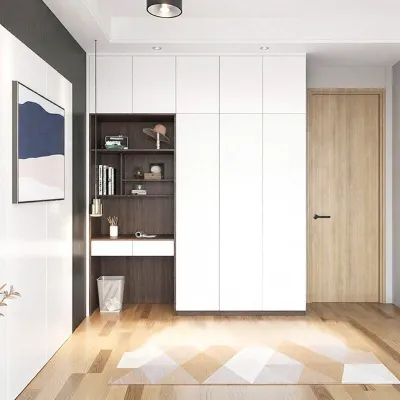
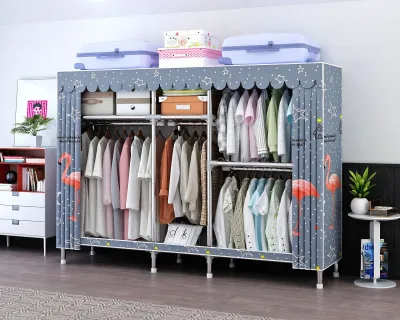
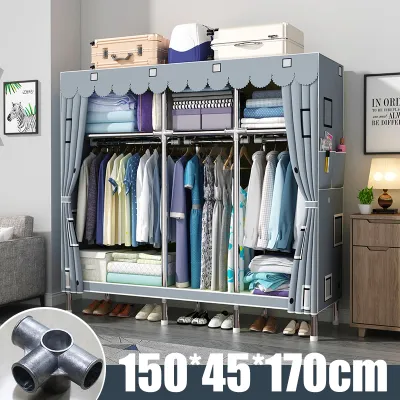
Prices are valid at publication and may change. Please refer to the product page for the latest price.
When moisture becomes trapped inside a poorly ventilated bedroom closet, the consequences extend beyond the furniture itself to the garments stored within. Damp environments accelerate the degradation of fabrics, leading to musty odors, unsightly mildew spots, and potential damage to delicate clothing items. To withstand these harsh tropical conditions, bedroom furniture must meet strict baseline requirements, prioritizing non-porous moisture resistance, long-term structural stability, and design features that promote consistent breathability.
Evaluating Aluminum for Clothes Cabinets in Tropical Climates
Aluminum has emerged as a highly practical material for bedroom storage in tropical regions due to its inherent physical properties. Unlike traditional timber or engineered wood products, aluminum is entirely non-porous, meaning it cannot absorb water vapor from the air regardless of how high the local humidity rises. This fundamental characteristic eliminates the risk of swelling, rotting, and warping, ensuring that the cabinet doors and frame maintain their precise alignment year after year. Additionally, because aluminum is a metal, it is completely impervious to wood-boring insects and termites, which are common pests in many Philippine households.

However, when shopping for a “cabinet for clothes aluminum,” it is crucial to understand that not all aluminum wardrobes are constructed in the same manner. Some units feature pure aluminum frames and solid metal panels, while others utilize aluminum-clad composite panels or thin aluminum sheets wrapped around a core material. If the inner core consists of particleboard or MDF, any failure in the protective edge seals can allow moisture to seep in, causing the hidden wood core to swell and ruin the panel from the inside out.
It is also a common misconception that aluminum is entirely immune to environmental degradation. While aluminum does not rust in the traditional sense like iron or steel, untreated or raw aluminum surfaces can undergo oxidation when exposed to humid air and salty coastal breezes. This oxidation typically manifests as a dull grey film or fine white powder on the metal surface. Furthermore, if the wardrobe incorporates mixed-metal components without proper insulation, galvanic corrosion can occur, accelerating the deterioration of the joints.
Assessing Surface Treatments and Panel Structures
To ensure your aluminum wardrobe remains visually appealing and structurally sound, you must carefully evaluate the surface treatments applied during manufacturing. Look for cabinets that feature high-quality powder-coated or anodized finishes. Powder coating involves applying a dry thermoplastic powder that is cured under heat to form a thick, resilient barrier, while anodizing is an electrochemical process that thickens the natural oxide layer on the metal surface. Both treatments provide excellent protection against surface oxidation, minor scratches, and daily wear, while also allowing for a variety of colors and wood-grain textures.
Beyond the finish, inspect the physical structure of the panels used in the wardrobe’s construction. High-end aluminum cabinets often utilize aluminum honeycomb panels, which consist of a hexagonal aluminum core sandwiched between two flat aluminum sheets. This structure provides exceptional rigidity and load capacity while keeping the overall weight of the wardrobe manageable. Alternatively, some designs pair a sturdy aluminum frame with tempered glass, acrylic, or composite inserts, which can offer a modern aesthetic while remaining completely impervious to moisture.
Do not assume that every product marketed as an aluminum wardrobe is constructed entirely of metal. It is essential to read the detailed product specifications or consult the manufacturer to verify the composition of the back panels, drawer bottoms, and internal shelving. Some budget-friendly options use thin aluminum frames but rely on cheap MDF or plywood for the backing and drawer bases to cut costs. In a humid environment, these hidden wooden components will still attract mold and absorb moisture, defeating the primary purpose of choosing an aluminum cabinet.
Checking Hardware, Hinges, and Joints for Rust Risks
While the main body of your wardrobe may be crafted from high-grade aluminum, the moving parts and structural connectors are often the first points of failure in a humid climate. Hinges, drawer slides, magnetic catches, and assembly screws are frequently manufactured from standard steel or iron rather than aluminum. When exposed to persistent tropical humidity, these ferrous components can quickly develop rust, leading to squeaking doors, jammed drawers, and structural instability.
When evaluating a wardrobe, perform a thorough check of all hardware materials. Prioritize units equipped with high-quality stainless steel hinges and drawer runners, as stainless steel offers significantly better resistance to rust and corrosion than standard plated steel. If stainless steel is not available, look for hardware that has been heavily galvanized or treated with a specialized anti-corrosion coating.
In addition to material composition, pay close attention to the mechanical design of the joints and moving parts. Test the smoothness of the drawer tracks and door hinges to ensure they operate without grinding or resistance. Check whether the manufacturer has included protective plastic caps or rubber seals over exposed screws and joint connections. These small details help prevent moisture from pooling in the crevices where different metal components meet, reducing the risk of localized rust and ensuring the long-term durability of the wardrobe.
What to Check Before Buying an Aluminum Wardrobe
Before finalizing your purchase of an aluminum wardrobe, several practical and spatial factors must be carefully verified to ensure a successful installation. Unlike modular wooden furniture that can sometimes be trimmed or adjusted during assembly, rigid aluminum frames offer no flexibility once manufactured. You must precisely measure the available floor space and ceiling height in your bedroom, taking into account baseboards, light fixtures, and wall outlets. Equally important is verifying the clearance of your doorways, stairwells, and elevator cabins; a pre-assembled or semi-welded aluminum frame can be incredibly difficult to maneuver through tight corners or narrow hallways.
Next, evaluate the internal layout of the wardrobe with a specific focus on airflow and ventilation. A completely sealed metal cabinet can act as a moisture trap, sealing in the humid air that enters whenever you open the doors. To prevent this, look for designs that incorporate ventilation grilles, louvered door panels, or small gaps at the top and bottom of the frame. These features allow continuous air exchange, which helps equalize the internal and external humidity levels and prevents musty odors from settling into your clothes.
Finally, consider the weight, structural rigidity, and anchoring requirements of the wardrobe. While aluminum is lighter than solid wood, a fully loaded wardrobe still exerts significant downward force. Ensure your bedroom floor is level and structurally capable of supporting the concentrated load, especially if you live in an older multi-story home. Because aluminum frames are rigid and lightweight when empty, they can be prone to tipping if the weight distribution becomes uneven. Verify that the wardrobe includes robust anchoring brackets so you can secure it firmly to the wall, ensuring stability and safety in your daily use.
Maintaining Aluminum Cabinets and Protecting Your Clothes
Preserving the appearance and functionality of your aluminum wardrobe requires a simple but consistent maintenance routine. For routine cleaning, avoid using abrasive scrubbing pads, steel wool, or harsh chemical cleaners containing strong acids or alkalis, as these can scratch or strip away the protective powder-coated or anodized finish. Instead, use a soft, damp microfiber cloth and a mild, pH-neutral dish soap mixed with warm water. Gently wipe down the interior and exterior surfaces, and follow up with a dry cloth to prevent water spots from forming on the metal.
To protect your garments from the ambient humidity that inevitably enters the wardrobe, implement active moisture management strategies inside the cabinet. Place disposable silica gel packs, activated charcoal dehumidifiers, or reusable moisture-absorbing canisters on shelves and inside drawers. These products help capture excess water vapor before it can settle on your fabrics. Additionally, try to avoid packing your clothes too tightly; leaving slight gaps between hanging garments promotes natural airflow, which is highly effective at preventing musty odors and mildew growth.
Lastly, establish a regular schedule—such as once every six months—to inspect the structural components of your wardrobe. Check all assembly screws and tighten any that have vibrated loose over time. Inspect the hinges and drawer slides for any signs of surface rust or debris buildup. Applying a light layer of a silicone-based lubricant or a specialized anti-corrosion spray to the moving joints will keep the mechanisms operating smoothly, eliminate squeaks, and provide an extra layer of defense against the humid tropical air.
Frequently Asked Questions (FAQ)
Do aluminum wardrobes attract mold or mildew?
Aluminum itself is a non-porous, inorganic metal, which means it does not absorb moisture and cannot provide the organic nutrients that mold and mildew require to grow. However, mold can still develop inside an aluminum wardrobe if dust, dirt, skin cells, or organic residues are allowed to accumulate on the shelves or if damp clothes are stored inside. To prevent fungal growth, keep the interior surfaces clean by wiping them regularly, ensure all clothes are completely dry before hanging them, and maintain a well-ventilated bedroom environment.
Can aluminum cabinets damage clothes in humid weather?
A high-quality aluminum wardrobe with a proper powder-coated or anodized finish will not stain, bleed, or transfer metallic residues onto your clothing, even during periods of extreme humidity. However, if the cabinet is completely sealed and lacks adequate ventilation, it can trap humid air inside, creating a damp microclimate that leads to musty smells or mildew on natural fabrics like cotton, wool, and silk. You can easily protect your garments by using internal dehumidifiers, leaving small gaps between hangers, and occasionally leaving the wardrobe doors open to allow fresh air to circulate.

Community discussion
Share your experience or ask a question. Comments are reviewed before publication.