
Selecting the right aluminum hanging cabinet for a compact kitchen in the Philippines requires balancing moisture resistance, weight limits, and spatial layout. In small kitchens, vertical space is premium real estate. Aluminum offers a modern, durable alternative to traditional wood, especially in tropical climates where high humidity, heavy rainfall, and pests are constant challenges. By mounting storage on your walls, you free up valuable floor space while keeping daily cooking essentials within arm’s reach.
Unlike wood or medium-density fiberboard (MDF), which can swell, warp, or attract termites in humid environments, aluminum remains structurally stable over years of use. This guide outlines how to evaluate aluminum hanging cabinets, plan your kitchen layout, maximize internal storage, and ensure a safe, secure installation on your walls.
Benefits of Aluminum in Compact Kitchen Layouts
Aluminum hanging cabinets are highly suited for small kitchens due to their exceptional resistance to moisture and environmental wear. In areas near kitchen sinks or active cooking zones, steam and water splashes can quickly degrade lesser materials. Aluminum does not absorb water, meaning it will not rot, warp, or support the growth of mold and mildew, which is crucial for maintaining a hygienic food preparation environment.
Products mentioned in this guide
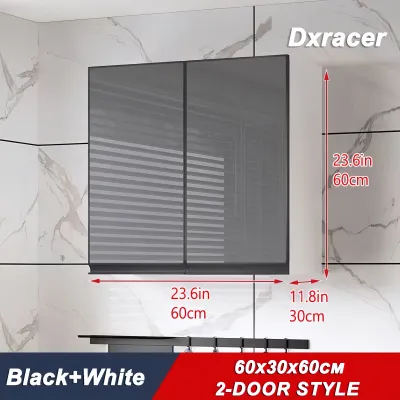
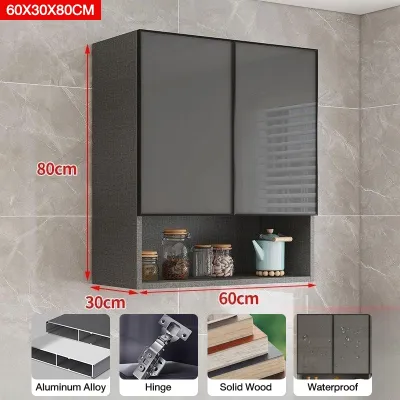
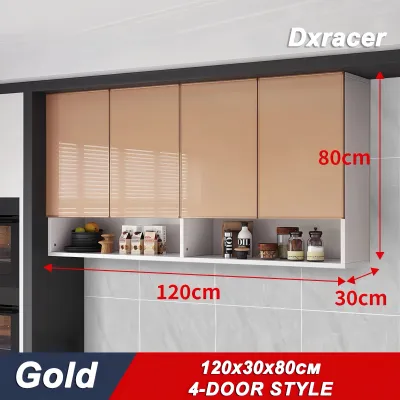
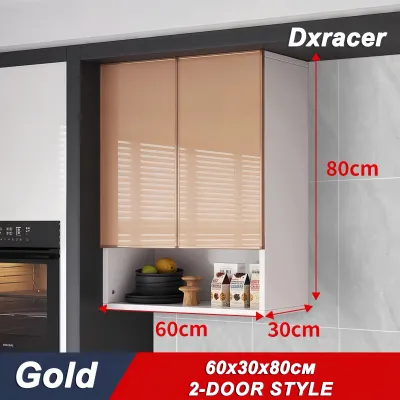
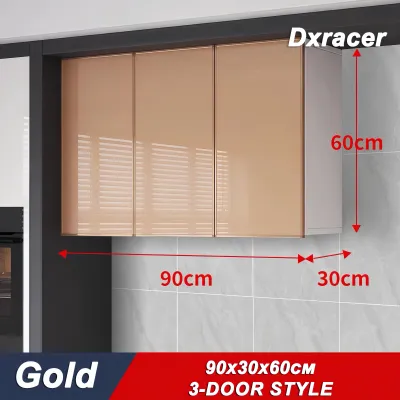
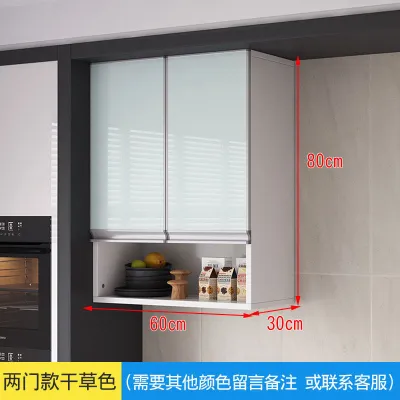
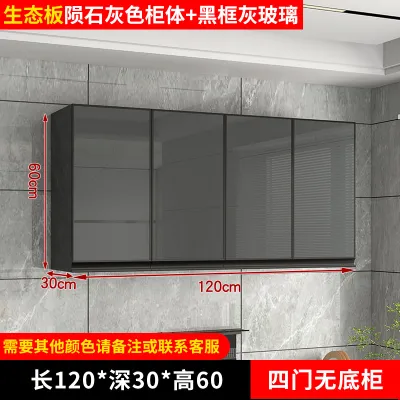
Prices are valid at publication and may change. Please refer to the product page for the latest price.
Another significant advantage is the lightweight nature of the material. Aluminum cabinets place far less dead-load stress on your wall anchors compared to solid hardwood or heavy engineered stone cabinets. This makes them safer for overhead installation, particularly on partition walls or older masonry where minimizing weight is a priority. Despite being lightweight, high-quality aluminum profiles offer excellent structural strength to support heavy stacks of dinnerware.
When shopping, always check the surface treatment of the aluminum. Anodized aluminum features an oxide layer that prevents rust and corrosion, even in coastal areas with salty air. Powder-coated finishes are also popular, offering a wide range of colors—including wood-grain textures—while providing a durable barrier against scratches and impact. Verify that the coating is uniform, smooth, and free of pinholes where moisture could seep in.
Measuring Space and Planning Cabinet Dimensions
Accurate spatial planning is essential to ensure your hanging cabinets fit seamlessly without obstructing movement or light. Begin by measuring the total available wall width and height, noting the locations of existing fixtures such as windows, electrical outlets, and plumbing lines. You must also account for the height of your backsplash, ensuring there is adequate clearance between the countertop and the bottom of the hanging cabinets.

Standard practice suggests leaving a clearance of at least 50 to 60 centimeters between the countertop and the underside of the wall cabinets. If you plan to install the cabinets above a gas stove or induction cooktop, you must allow a larger clearance—typically 65 to 75 centimeters—to accommodate a range hood and prevent heat damage. Measure the depth of your base cabinets as well; hanging cabinets should generally be shallower, around 30 to 35 centimeters, to prevent you from bumping your head while prepping food.
Next, evaluate how the cabinet doors will open in your limited space. Traditional swing doors require a clear radius to open fully, which can block narrow walkways or collide with nearby light fixtures. In tight galley kitchens, consider sliding glass or aluminum doors that glide horizontally within the frame. Alternatively, lift-up doors equipped with hydraulic gas struts allow the door to swing upward and out of the way, keeping the workspace clear.
Maximizing Storage with Internal Configurations
To get the most out of a small hanging cabinet, the interior layout must be carefully optimized. Fixed shelving can limit your storage options, leaving large pockets of empty, wasted space above shorter items. Look for cabinets that feature adjustable shelving tracks, allowing you to customize the height of each compartment to accommodate tall soy sauce bottles, stackable plastic containers, or compact rice cookers.
For high-reaching zones that are difficult to access without a step stool, consider installing pull-down basket mechanisms. These specialized wire racks glide downward and outward with a gentle pull, bringing high-stored items down to eye level safely. This feature is particularly useful for older adults or shorter family members, turning previously unreachable storage space into highly functional areas.
To prevent clutter from building up inside the cabinet, utilize specialized internal organizers. Dedicated plate racks, spice bottle tiers, and hanging cup hooks keep smaller items organized and prevent them from tumbling out when you open the door. Utilizing clear, stackable storage bins can also help group dry goods together, making it easy to inventory your pantry items at a glance.
Checking Structural Integrity and Hardware Quality
Not all aluminum cabinets are built to the same standard, so inspecting the construction quality before purchase is vital. Examine the thickness of the aluminum panels and frames; high-quality cabinets typically use profiles that are at least 1.2 millimeters thick to prevent denting and flexing. Check the corner joints to ensure they are reinforced with internal brackets or clean welds rather than simple, flimsy screws that can loosen over time.
Hardware quality directly dictates how long your cabinets will function smoothly. Test the hinges to ensure they operate without squeaking or catching. Soft-close hinges are highly recommended for hanging cabinets, as they prevent the doors from slamming shut, which can send vibrations through the wall mounting system and loosen the anchors over time. For lift-up doors, verify that the hydraulic gas struts are rated for the weight of the door panel.
Finally, pay close attention to the handle design. In narrow kitchen walkways, protruding cabinet knobs or handles can easily snag on clothing or cause painful bumps. Flush-mounted handles, recessed finger pulls, or push-to-open magnetic latches keep the cabinet face completely flat. These designs not only improve safety in tight spaces but also contribute to a clean, modern aesthetic.
Ensuring Safe Wall Mounting and Installation
Safe installation is the most critical step when setting up overhead storage. You must first identify the material of your kitchen wall. Most residential walls in the Philippines are constructed from concrete hollow blocks (CHB) finished with plaster. Standard plastic wall plugs (tox) are often insufficient for supporting the weight of a fully loaded cabinet on CHB; instead, use heavy-duty metal expansion bolts or sleeve anchors designed specifically for masonry.
If you are installing cabinets on a drywall partition—common in newer condominium units—you must locate the vertical metal or wooden studs behind the wall using a stud finder. Hanging cabinets must be anchored directly into these structural studs using heavy-duty wood screws or toggle bolts. Never mount a hanging cabinet solely to bare drywall, as the weight of the cabinet and its contents will eventually pull the drywall down, causing severe damage and potential injury.
Before drilling, use a spirit level to ensure your mounting bracket or cabinet rail is perfectly horizontal. Any slight tilt will distribute the weight unevenly, putting unnecessary stress on individual anchors and causing doors to hang crookedly. If you encounter complex masonry, uneven walls, or are unsure of your wall’s load-bearing capacity, stop and hire a professional installer to ensure the system is mounted securely.
Maintaining Surfaces and Hardware Over Time
While aluminum is highly durable, proper maintenance will preserve its appearance and keep the hardware operating smoothly. For daily cleaning, avoid abrasive scrubbing pads, steel wool, or harsh chemical cleaners, as these can scratch the powder coating or strip the anodized protective layer. Instead, use a soft microfiber cloth dampened with warm water and a few drops of mild dishwashing liquid.
In humid tropical environments, cooking grease can combine with airborne dust to form a sticky residue on top of and underneath your cabinets. Wipe down these surfaces weekly to prevent buildup. To make cleaning the top of the cabinets easier, you can place a layer of clean parchment paper or newspaper on the upper surface to catch grease, replacing the paper every few months.
Periodically inspect the moving parts of your cabinets. Apply a small amount of dry silicone lubricant spray to the hinges, sliding tracks, and hydraulic struts once or twice a year to prevent squeaking and stiff movement. At the same time, check the wall mounting brackets inside the cabinet to ensure there are no signs of sagging, loose screws, or stress fractures in the metal.
Frequently Asked Questions (FAQ)
Can Aluminum Cabinets Support Heavy Built-in Appliances?
Standard aluminum hanging cabinets are designed primarily for lightweight storage, such as dishes, dry food, and glassware. They are generally not engineered to support heavy built-in appliances like large microwave ovens or convection ovens unless specifically reinforced. Always check the manufacturer’s rated load capacity for both the individual shelves and the overall cabinet structure before attempting to store or mount any appliance.
If you want to integrate a small appliance, look for cabinets featuring reinforced base panels and heavy-duty steel corner brackets. You must also ensure that the wall mounting system uses high-strength metal expansion bolts anchored into solid concrete. For safety, consider placing heavier appliances on the countertop or within reinforced base cabinets rather than overhead.
How to Manage Grease Buildup Near Cooking Zones?
Managing grease buildup requires a combination of regular cleaning and preventive measures. Always use a high-suction range hood while cooking to capture airborne grease and steam before they settle on your cabinet surfaces. Installing temporary splatter guards around your cooktop during frying can also block oil droplets from reaching nearby wall cabinets.
Establish a routine of wiping down the cabinet doors nearest to the stove immediately after cooking while the grease is still warm and easy to remove. A simple solution of warm water and mild dishwashing soap is highly effective at breaking down fresh grease without damaging the aluminum’s protective finish. Avoid using highly acidic or alkaline cleaners, which can dull the metal over time.

Community discussion
Share your experience or ask a question. Comments are reviewed before publication.