
Caring for a bedbound loved one requires a delicate balance between clinical safety and physical comfort. When a patient spends most of their day in bed, localized pressure on the skin can restrict blood flow, leading to painful pressure ulcers. An anti-decubitus mattress is designed specifically to redistribute this pressure, protecting vulnerable areas like the heels, hips, and tailbone.
However, in a tropical climate like that of the Philippines, pressure relief is only half the battle. High ambient temperatures and intense humidity create a challenging environment for skin health. When a mattress traps body heat, the patient perspires, leading to moisture buildup that softens and weakens the skin. Choosing the right mattress material is not just about cushioning; it is about managing heat and moisture to prevent skin breakdown.
Balancing Pressure Relief and Tropical Heat
To prevent pressure sores, a mattress must allow the patient’s body to sink slightly into the surface, a process known as ‘immersion.’ This immersion increases the contact area, spreading the patient’s weight more evenly and reducing high-pressure hot spots. However, as the body sinks deeper into a supportive material, more surface area is wrapped in that material, which naturally restricts airflow around the skin.
Products mentioned in this guide
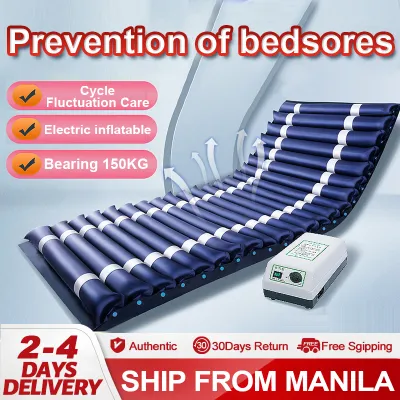
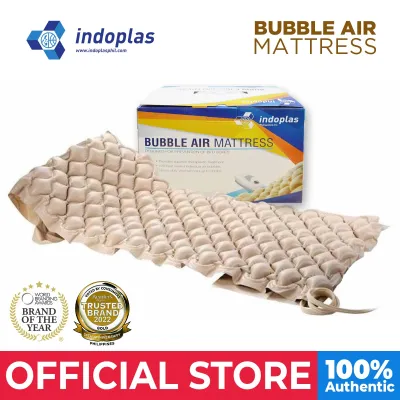
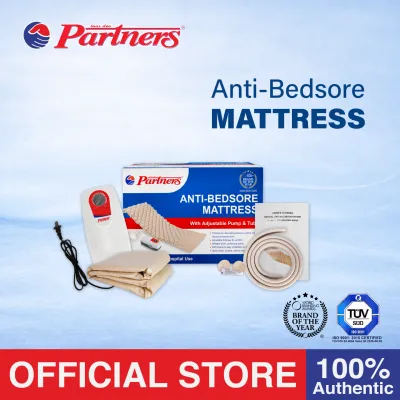
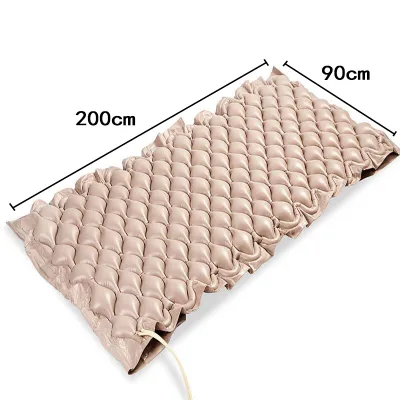
Prices are valid at publication and may change. Please refer to the product page for the latest price.
In humid tropical environments, this lack of airflow quickly leads to heat trapping. The human body constantly releases moisture, and when this moisture cannot evaporate, it pools on the skin surface. This continuous exposure to sweat causes skin maceration, a condition where the skin becomes soft, white, and highly susceptible to tearing and infection.
For caregivers, managing this ‘microclimate’—the temperature and humidity at the boundary where skin meets mattress—is critical. A material that offers excellent pressure redistribution but traps heat can inadvertently increase the risk of skin breakdown. Therefore, evaluating how different materials handle heat dissipation and moisture evaporation is just as important as assessing their cushioning properties.
Evaluating Foam Options for Humid Environments
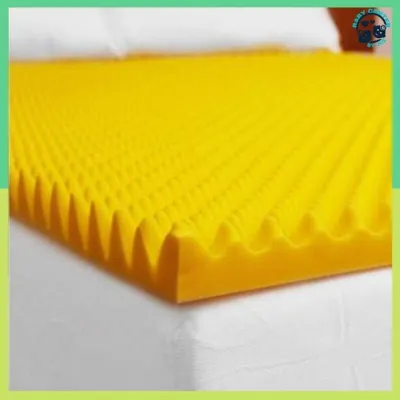
Foam mattresses are widely used for pressure relief due to their excellent contouring capabilities. Standard memory foam reacts to body heat and weight, molding closely to the patient’s shape to distribute pressure evenly. However, traditional dense memory foam is notorious for trapping heat, as its closed-cell structure acts as an insulator, restricting air movement.

To address this issue in warm climates, look for open-cell or reticulated foam structures. These foams are manufactured with interconnected air pathways that allow heat and moisture to escape more freely when the patient moves. While they may not feel as instantly cool as other materials, they prevent the heavy, suffocating heat buildup associated with traditional solid foam slabs.
The cover material of a foam mattress plays a decisive role in its performance. Even the most breathable open-cell foam will trap moisture if it is wrapped in a non-permeable plastic cover. Caregivers should check for specialized medical-grade covers that are vapor-permeable yet waterproof. These covers allow sweat vapor to escape while preventing bodily fluids from seeping into the foam core.
Without proper ventilation and a high-quality cover, foam mattresses face a high risk of moisture retention in humid regions. Trapped sweat and high humidity can quickly turn the inner foam core into a breeding ground for mold and mildew. This not only compromises the hygiene of the patient’s environment but also accelerates the physical degradation of the foam, causing it to lose its supportive properties prematurely.
Assessing Alternating Air Systems for Temperature Control
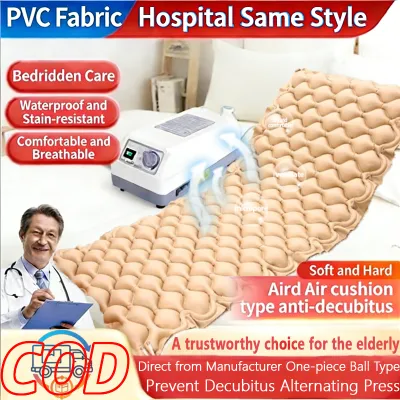
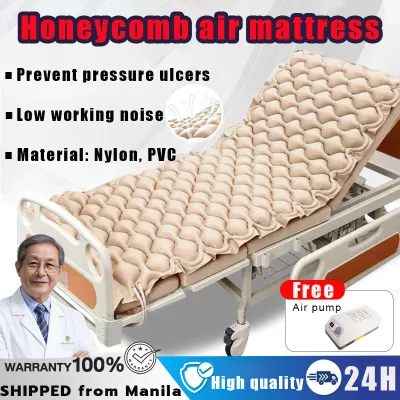
Alternating air mattresses use a motorized pump to inflate and deflate individual air cells in a continuous cycle. This constant movement shifts the pressure points under the patient’s body, ensuring that no single area experiences prolonged pressure. Because the patient is supported by pockets of air rather than solid material, these systems naturally offer unique advantages for temperature regulation.
The physical movement of air within the cells can assist in cooling the mattress surface. As cells inflate and deflate, they create a subtle air exchange that helps dissipate trapped body heat. Some advanced alternating air systems even feature micro-low-air-loss technology, which releases tiny amounts of air through microscopic laser-cut holes to dry excess moisture on the patient’s skin.
However, the external pump required to run these systems introduces other environmental factors. The pump contains a small motor that runs continuously, which can generate its own heat and a low humming noise. Caregivers must place the pump in a well-ventilated area, ideally hooked onto the footboard of the bed, to ensure it does not overheat or disturb the patient’s rest.
The durability of the air cells is another critical consideration in high-humidity environments. Most alternating air mattresses are constructed from PVC or nylon-polyurethane blends. While PVC is highly water-resistant, it can become sticky and uncomfortable against the skin in hot weather. Nylon-polyurethane covers tend to feel cooler and more fabric-like, but their heat-sealed seams must be checked regularly to ensure they do not split under the combined stress of humidity and continuous pressure cycles.
Understanding the Cooling Limits of Gel Materials
Gel-infused mattresses and solid gel overlays have gained popularity for their immediate cooling sensation. These materials work through thermal conduction, drawing heat away from the patient’s body because gel conducts heat more rapidly than standard foam or air. For a patient first lying down, a gel-enhanced surface can provide immediate, soothing relief from tropical heat.
It is important to distinguish between gel-infused foam and solid gel grid overlays. Gel-infused foam consists of tiny gel beads mixed into a foam matrix, which slightly improves the foam’s initial heat dissipation but still relies on the underlying foam structure for support. Solid gel grids, on the other hand, feature a column-buckling design that allows air to flow through open channels while the gel walls collapse under pressure points to distribute weight.
Despite their cooling reputation, gel materials have physical limits. Gel does not permanently destroy heat; it merely absorbs it. Over hours of continuous, uninterrupted contact, the gel will eventually reach thermal equilibrium with the patient’s body temperature. Once this point is reached, the cooling effect stops, and the material can begin to trap heat if there is no active airflow to carry the warmth away.
Additionally, gel components can add significant weight to the bed setup. Solid gel overlays are heavy and require a sturdy, stable bed frame to support both the mattress and the patient safely. Cleaning gel grids also requires careful attention, as dust and moisture can accumulate in the open grid channels, requiring regular wiping and thorough air-drying to maintain a sanitary sleeping surface.
Pre-Purchase Verification Checklist
Before purchasing an anti-decubitus mattress, caregivers should perform several practical checks to ensure the system will function safely in their home. First, verify the physical dimensions of the mattress against the existing bed frame. A mattress that is too wide or too short can slide, creating shear forces that damage the patient’s skin, or block safety side rails from locking securely.
Next, evaluate the weight capacity of both the mattress and the bed frame. The system must comfortably support the patient’s weight without bottoming out, which occurs when the cushioning material compresses completely and leaves the patient resting against the hard frame underneath. For air systems, ensure there is a clear, safe path to route the power cord to a wall outlet without creating a tripping hazard, and verify that there is adequate clearance around the pump for airflow.
Carefully inspect the specifications of the mattress cover. A high-quality cover should feature a multi-directional stretch to prevent ‘hammocking,’ where the cover tension prevents the patient from sinking into the pressure-relieving material. Look for welded or covered zippers that prevent fluids from entering the mattress core, and confirm that the fabric is certified as fluid-resistant and vapor-permeable.
Finally, check the warranty terms and the availability of local customer service. In tropical climates, mechanical pumps and synthetic materials are subjected to continuous environmental stress. Confirming that spare parts, such as replacement air cells or pump filters, are readily available locally can prevent prolonged downtime if a component fails.
Maintenance and Hygiene Routines
Maintaining a clean and dry mattress environment is essential for preventing infections and extending the lifespan of the materials. Always follow the manufacturer’s specific instructions for cleaning, as using incorrect solutions can degrade the protective coatings on covers or compromise the integrity of foam and air cells.
For routine cleaning, wipe down the waterproof cover with a mild detergent and warm water, or a diluted disinfectant recommended by the manufacturer. Avoid using harsh bleach solutions or abrasive scrubbing tools, which can strip away the polyurethane coatings that make the cover waterproof and vapor-permeable. If fluids penetrate the cover, remove it immediately to clean and dry both the cover and the underlying mattress core.
Thorough drying is the most critical step in preventing mold and fungal growth, especially in humid regions. After cleaning, allow all components to air-dry completely in a well-ventilated, shaded area before replacing the bedding. Never place foam cores or air cells in direct sunlight, as ultraviolet rays can break down synthetic polymers, causing foam to crumble and air cells to crack.
Regularly inspect the entire system for signs of wear or damage. For air mattresses, check the tubing connections for leaks and clean the pump’s air filter according to the manual to prevent dust buildup from overheating the motor. For foam mattresses, check for permanent sagging or areas that no longer spring back, as these indicate that the material is no longer providing adequate pressure redistribution.
Frequently Asked Questions (FAQ)
Can I use a standard cooling mattress topper instead of an anti-decubitus mattress?
No, standard cooling mattress toppers are designed solely for comfort and do not provide the clinical pressure redistribution required to prevent pressure ulcers. They lack the specific zoning, immersion depth, or alternating pressure cycles needed to relieve pressure on vulnerable bony prominences. Substituting a standard topper for a medical-grade anti-decubitus mattress can put a bedbound patient at serious risk of skin breakdown.
How do I prevent mold on a foam anti-decubitus mattress?
To prevent mold, always use a high-quality, vapor-permeable, and waterproof medical cover to keep sweat and fluids from entering the foam core. Ensure the room is well-ventilated, and periodically remove the cover to let the foam air out in a dry, shaded space. Never place bedding or sheets on a mattress cover that is still damp from cleaning.
Does an alternating air mattress require continuous electricity?
Yes, alternating air mattresses require a continuous power source to run the external pump that cycles air through the cells. Because power interruptions can cause the mattress to deflate and lose its pressure-relieving properties, caregivers should establish a clear backup plan. This may include having a manual backup mattress available or choosing an air system that features a safety static base layer that remains inflated during power outages.

Community discussion
Share your experience or ask a question. Comments are reviewed before publication.