
Aluminum hanging wall cabinets are a highly practical choice for Philippine kitchens, primarily because they address the twin tropical challenges of relentless humidity and pest infestations. Unlike traditional wood-based composites, aluminum does not swell when exposed to steam or harbor termites. However, their long-term success in your home depends heavily on the quality of the specific alloy, the protective surface finish, the durability of the mounting hardware, and the structural integrity of your kitchen walls.
To make an informed decision, you must look beyond the material name alone. A well-constructed aluminum cabinet offers a lightweight yet sturdy storage solution, but a poorly manufactured one with thin sheets or low-grade steel screws can sag or corrode at the joints. Evaluating these cabinets requires understanding how they interact with the local climate, what structural features to inspect before purchase, and how to install them securely to prevent costly failures.
How High Humidity and Heat Affect Kitchen Cabinets
Philippine kitchens face a demanding combination of high ambient humidity, intense tropical heat, and daily exposure to cooking steam and grease. In a typical household, the kitchen is often the warmest and dampest room, especially during the wet season when indoor moisture levels remain consistently high. Standard cooking activities, such as boiling soups or steaming rice, release large volumes of moisture that rise directly toward hanging wall cabinets, settling on their surfaces and pooling in unventilated corners.
Products mentioned in this guide
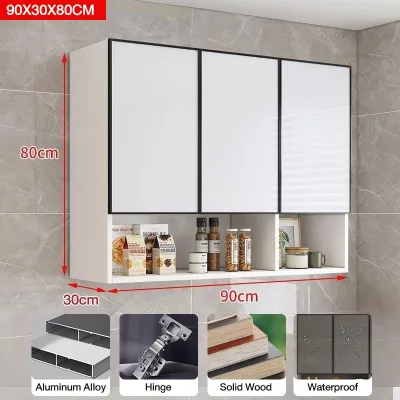
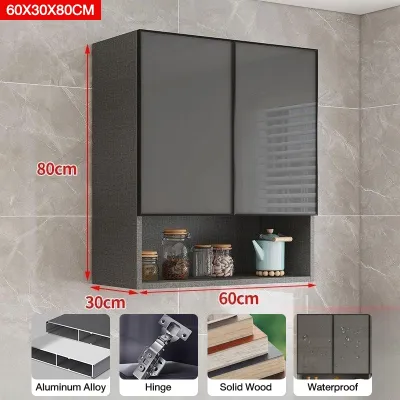
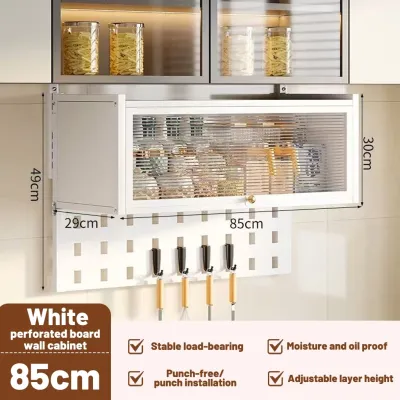
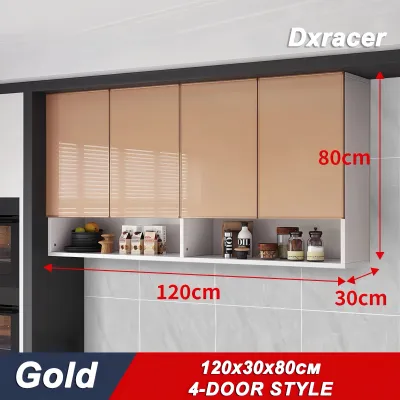
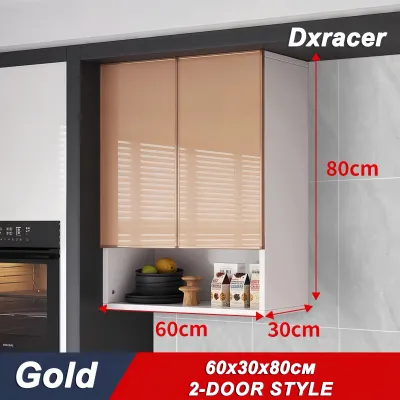
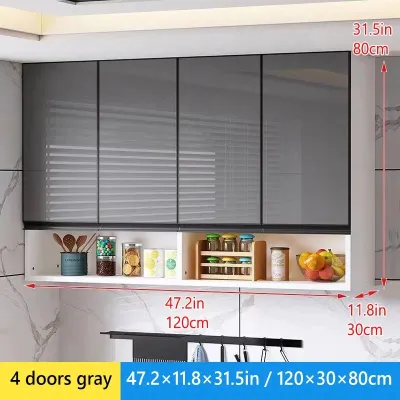
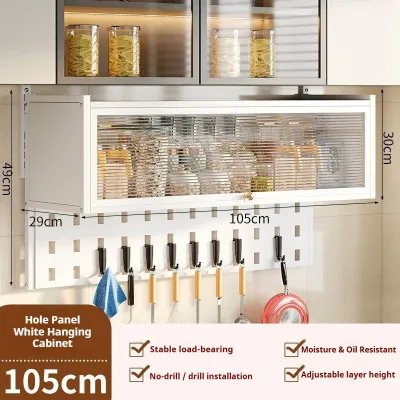
Prices are valid at publication and may change. Please refer to the product page for the latest price.
Under these conditions, organic materials like particleboard, medium-density fiberboard (MDF), and even poorly sealed plywood frequently suffer from moisture absorption. This leads to swelling, warping, delamination of edge bands, and the rapid growth of mold and mildew, which can compromise food safety and indoor air quality. Furthermore, damp wood-based materials are highly attractive to termites and wood-boring beetles, which can silently destroy the structural integrity of a kitchen setup within a few seasons.
Aluminum offers a distinct physical advantage in this environment because it is inherently non-porous and does not absorb water. It does not rot, warp, or swell, regardless of how high the humidity climbs or how much steam rises from your stove. When exposed to oxygen, aluminum naturally forms a thin, protective oxide layer that resists rust, making the core structure of the cabinet highly resistant to the moisture-driven decay that plagues wooden alternatives.
However, you must remember that a complete cabinet assembly consists of more than just aluminum panels. The internal shelving, backboards, adhesives, magnetic catches, and structural hardware may be made of different materials that do not share aluminum’s natural resistance. If these secondary components are not specifically rated for damp environments, they can fail prematurely, leading to rusted hinges, failing joints, or sagging shelves even if the main aluminum frame remains fully intact.
Key Features to Inspect Before Buying Aluminum Wall Cabinets
When shopping for aluminum hanging cabinets, you cannot rely solely on the product category; you must actively inspect the physical construction and specifications of each unit. Begin by checking the thickness of the aluminum sheets, often referred to as the gauge, as well as the presence of internal ribbing. Thin, unreinforced aluminum sheets are highly susceptible to denting under impact and can easily bow or sag when loaded with heavy stacks of plates, bowls, or canned goods. Look for cabinets that feature double-walled panels or integrated structural ribs inside the frame to ensure the unit maintains its shape under load.

Next, examine the surface treatment applied to the aluminum, which is critical for both aesthetics and long-term durability. Raw aluminum is prone to scratching, showing fingerprints, and developing a dull, oxidized appearance over time when exposed to kitchen oils and acids. Verify whether the manufacturer has applied a high-quality powder coating or an anodized finish. Review the product labels or manufacturer specifications to confirm that the finish is rated for scratch, stain, and fingerprint resistance, which will keep the cabinets looking clean and professional with minimal effort.
The hardware is often the weakest link in any kitchen cabinet, especially in humid coastal or tropical regions. Inspect all hinges, screws, drawer slides, and mounting brackets to ensure they are made of high-grade stainless steel or are explicitly treated with a rust-resistant coating. Standard steel screws and low-quality alloy hinges will quickly corrode when exposed to salty air or cooking steam, leading to squeaking doors, misalignment, or complete mechanical failure.
Finally, pay close attention to the joints and assembly methods used in the cabinet’s construction. High-quality aluminum cabinets typically feature welded joints or robust mechanical fasteners rather than simple glue or light rivets. Check the corners and seams of the cabinet for gaps or loose connections, as these areas can collect grease, dust, and moisture, making them difficult to clean and potentially weakening the overall structure over years of daily use.
Installation and Weight Capacity Requirements for Hanging Cabinets
Installing hanging wall cabinets requires careful planning and a thorough assessment of your kitchen’s wall structure to prevent dangerous falls. Unlike base cabinets that rest securely on the floor, hanging cabinets rely entirely on the shear and tensile strength of their wall anchors and the wall itself. Before purchasing, you must determine whether your kitchen walls are made of solid concrete, hollow concrete blocks, or lightweight drywall over studs, as each material requires a completely different mounting strategy.
Solid concrete walls offer a strong foundation for heavy hanging cabinets, allowing you to use heavy-duty masonry expansion bolts or concrete screws that can support substantial weight. If your walls are made of hollow concrete blocks, which are very common in local residential construction, standard plastic wall plugs may not provide sufficient grip. In this scenario, you must use specialized sleeve anchors or toggle bolts designed for hollow walls, ensuring that the anchors expand securely within the block’s cavity to distribute the load safely.
To calculate the necessary load capacity, you must factor in both the net weight of the empty aluminum cabinet and the maximum weight of the items you plan to store inside. While aluminum is lighter than solid wood, a fully loaded cabinet packed with ceramic dinnerware, glassware, and heavy cooking pots can easily weigh dozens of kilograms. Check the manufacturer’s specified maximum load limit for the cabinet and ensure your chosen wall anchors and wall structure can comfortably support this combined weight with a generous safety margin.
If you encounter any uncertainty regarding your wall’s composition, find that the installation requires extensive drilling through tough concrete, or if the mounting instructions provided by the manufacturer seem complex, stop immediately. It is highly recommended to consult a qualified local carpenter or contractor who can assess the structural integrity of your wall, select the precise anchoring hardware, and perform a level, secure installation that guarantees long-term safety.
Safe Cleaning and Maintenance for Aluminum Surfaces
Maintaining the clean, modern appearance of aluminum cabinets is relatively simple, but it requires avoiding harsh cleaning habits that can permanently damage the protective surface finish. For routine cleaning, always use mild, non-abrasive liquid dish soaps or specialized metal cleaners diluted in warm water, paired with a soft microfiber cloth. This gentle combination effectively cuts through airborne kitchen grease and food splatters without scratching the powder-coated or anodized exterior.
You must strictly avoid using abrasive scrubbing pads, steel wool, or harsh chemical cleaners on your aluminum cabinets. Bleach, highly acidic solutions like undiluted vinegar, and strong alkaline cleaners can chemically react with the aluminum or strip away the protective surface coatings, leading to permanent discoloration, dull patches, or pitting. If a stubborn grease spot or dried food spill occurs, allow a damp, soapy cloth to rest on the area for a few minutes to soften the residue before gently wiping it away.
In addition to surface cleaning, establish a regular maintenance schedule to inspect the structural integrity of your hanging cabinets at least once or twice a year. Check all mounting screws along the back rail to ensure they remain tightly anchored to the wall, and inspect the hinges for any signs of loosening or misalignment. Applying a small drop of silicone-based lubricant to the hinges can prevent squeaking and ensure smooth operation, while promptly tightening any loose screws will prevent uneven stress on the cabinet frame.
How Aluminum Compares to Wood and Stainless Steel Alternatives
To determine if aluminum is the right choice for your kitchen, it is helpful to compare its physical characteristics, maintenance needs, and cost profile against other common cabinet materials. When compared to wood-based composites like particleboard or MDF, aluminum offers significantly higher moisture resistance. While engineered wood products are highly susceptible to swelling, edge delamination, and mold when exposed to the humid climate, aluminum remains completely unaffected by water, making it a far more durable long-term investment for damp environments.
When compared to stainless steel, aluminum presents a lighter and generally more cost-effective alternative. Stainless steel cabinets are exceptionally durable and highly resistant to deep dents, but they are also significantly heavier, requiring much stronger wall reinforcement and more expensive mounting hardware. Aluminum cabinets are easier to handle and install, and while they may be slightly more prone to minor surface dents than heavy-gauge stainless steel, they offer a highly comparable level of rust resistance at a more accessible price point for residential kitchens.
From an aesthetic and tactile perspective, aluminum cabinets deliver a sleek, modern, and industrial look that contrasts sharply with the warm, traditional appeal of solid wood or plywood. However, metal cabinets do have distinct acoustic properties; they can produce a metallic ringing or clanging sound when doors are closed or dishes are placed inside. To mitigate this, many high-quality aluminum cabinets incorporate soft-close hinges, rubber dampeners, or double-walled insulated panels to provide a quieter, more premium tactile experience that rivals the solid feel of traditional woodwork.
Frequently Asked Questions (FAQ)
Do aluminum cabinets dent easily when storing heavy dishes?
Whether an aluminum cabinet dents easily depends on the thickness of the metal sheets and the quality of its structural design rather than the material name alone. Low-cost, single-walled cabinets made from thin-gauge aluminum can dent if struck by heavy pots or if overloaded with heavy ceramic plates. To prevent this, look for cabinets constructed with double-walled panels, reinforced frames, or internal support ribbing, and always verify the manufacturer’s specific load and impact guidelines before storing heavy kitchenware.
Will the metal surface feel excessively hot in a non-air-conditioned kitchen?
Aluminum has high thermal conductivity, meaning it dissipates heat very rapidly and will generally remain close to the ambient room temperature of your kitchen rather than trapping heat. In a typical non-air-conditioned kitchen, the cabinets will not feel excessively hot to the touch unless they are installed in a position where they receive direct, prolonged sunlight through a window. To ensure the surfaces stay cool, plan your kitchen layout so that hanging metal cabinets are shielded from direct afternoon sun.

Community discussion
Share your experience or ask a question. Comments are reviewed before publication.