
Sleeping comfortably in a tropical climate requires a mattress that can handle both high temperatures and heavy air moisture. While foam mattresses are incredibly popular for their pressure relief and affordability, their performance in hot and humid weather depends heavily on their material composition and construction. Choosing the wrong type of foam can lead to restless, sweaty nights, while selecting the right specifications ensures a cool and supportive sleep surface.
In the Philippines, where high relative humidity is a year-round reality, understanding how mattress materials interact with your body heat is essential. Standard polyurethane foam, memory foam, and natural latex all behave differently under tropical conditions. By evaluating specific product features, mattress thickness, and proper bed base setups, you can enjoy the benefits of a foam mattress without sacrificing cool comfort.
Understanding Foam Mattresses in a Tropical Climate
To make an informed purchase, you must first understand how different foam materials interact with body heat and ambient humidity. Standard polyurethane (PU) foam is lightweight and budget-friendly, but its dense, synthetic structure can sometimes restrict airflow. Memory foam is highly temperature-sensitive; it contours to your body by absorbing your body heat, which can make it feel exceptionally warm in a room without air conditioning. Natural latex, on the other hand, features a more open molecular structure that naturally resists heat retention, though it typically comes at a higher price point.
Products mentioned in this guide

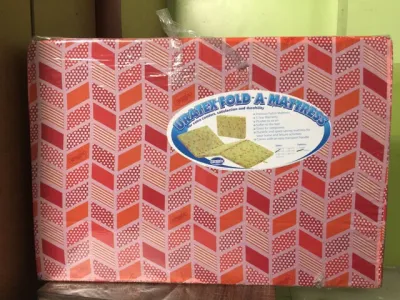
![[ cod items] URATEX 3.5 WITH CHINA COVER/URATEX FOAM/ WITH COVER/ 3.5 INCHES/ SINGLE/ DOUBLE/ FAMILY/ QUEEN](https://img.lazcdn.com/g/p/400512f28bb4809b3f5b456fb69c5953.png_400x400q80.png_.webp)
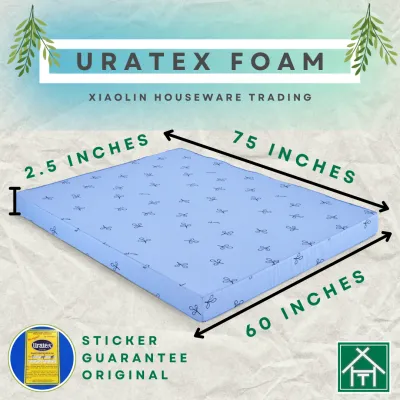
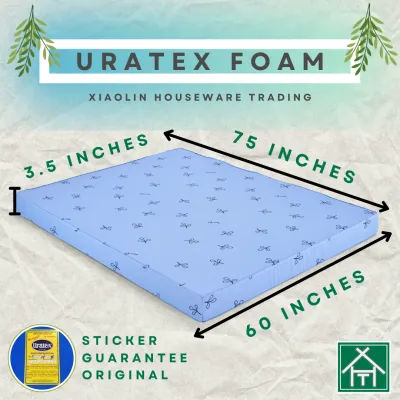
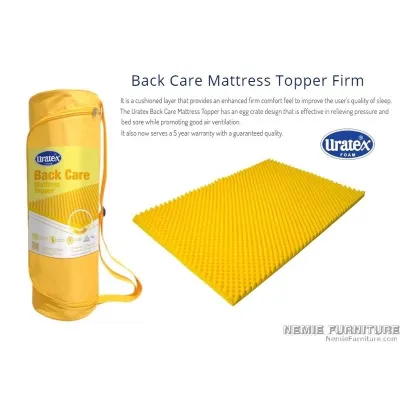
Prices are valid at publication and may change. Please refer to the product page for the latest price.
High humidity levels directly affect the physical properties of temperature-sensitive foams. When the air is saturated with moisture, memory foam can lose some of its supportive firmness, feeling softer and causing you to sink deeper into the mattress. Sinking deeper limits the surface area of your body exposed to circulating air, which further intensifies the feeling of being hot. Standard PU foams are generally less sensitive to temperature shifts, maintaining a more consistent level of firmness even during the rainy season.
When shopping for a foam mattress, look closely at the product labels for terms that indicate enhanced breathability. An “open-cell” structure means the tiny bubbles within the foam are interconnected, allowing air to pass through rather than getting trapped. “Aerated” designs or “pin-core” patterns indicate that the manufacturer has incorporated physical ventilation holes into the foam layers. These channels allow warm air to escape every time you move, helping to maintain a more neutral sleeping temperature.
Evaluating the Uratex Semi Double Foam for Hot Sleepers
If you are considering a classic Uratex semi double foam mattress, evaluating the specific build and thickness is key to managing heat. A semi double size, which typically measures 48 inches wide, is a popular choice for single sleepers who want extra room or couples with limited bedroom space. To determine how warm this mattress will sleep, start by checking the product specifications for integrated cooling technologies. Look for models featuring gel-infused foam, which helps dissipate initial body heat, or charcoal infusions that assist with both temperature regulation and odor control.

Mattress thickness and density play a significant role in heat trapping. Thicker foam mattresses, such as those measuring 6 inches or deeper, contain more material that can store and retain body heat. If you sleep hot, a moderate thickness of 4 to 6 inches often strikes the right balance between pressure relief and heat dissipation. High-density foams provide excellent durability and support, but because they contain more physical material per cubic foot, they require active ventilation features or a highly breathable cover to prevent heat buildup.
Before finalizing your purchase, evaluate the outer cover material of the mattress. Many standard foam mattresses come with thin polycotton covers, which can sometimes trap moisture against your skin. If possible, opt for a mattress cover made from breathable, moisture-wicking fabrics like bamboo-derived rayon, tencel, or specialized cooling knits. A high-quality cover acts as the first line of defense, pulling sweat away from your body and allowing it to evaporate quickly into the surrounding air.
Moisture Management and Mold Prevention
In humid environments, managing moisture is just as important as managing heat. The type of bed frame you use directly impacts how much moisture accumulates inside your mattress. Placing a foam mattress directly on the floor or on a solid wood platform blocks airflow to the bottom of the bed, trapping sweat and condensation. Instead, pair your mattress with a slatted bed base. The gaps between the slats allow air to circulate underneath the mattress, keeping the foam dry and preventing the growth of mold and mildew.
Using a mattress protector is highly recommended, but you must choose the right type to avoid creating a hot sleep surface. Standard plastic or vinyl protectors are completely waterproof but trap heat and sweat, making you feel like you are sleeping on a sheet of plastic. Look for a breathable, waterproof mattress protector that utilizes a polyurethane membrane paired with a cotton or bamboo terry surface. This design blocks sweat and spills from reaching the foam while still allowing air and vapor to pass through freely.
Maintaining a dry sleeping environment also requires active room ventilation. During dry, sunny days, open your bedroom windows to let fresh air circulate and lower the indoor humidity. If your bedroom tends to trap moisture, running an electric fan or a dehumidifier can significantly improve comfort levels. Additionally, establish a routine of stripping your bedding once a week and letting the bare mattress air out for a few hours before putting on clean sheets.
Comparing Foam with High-Airflow Alternatives
If heat retention remains your primary concern, it is worth comparing solid foam mattresses with alternative constructions. Innerspring and hybrid mattresses offer superior natural ventilation compared to solid foam. Because the core of an innerspring mattress consists of open steel coils, air can move freely through the entire base of the bed. This continuous airflow prevents heat from building up under your body, making coil-based systems a highly effective option for hot sleepers.
Natural latex is another excellent alternative to synthetic memory foam. Harvested from rubber trees, natural latex is inherently temperature-neutral and does not rely on your body heat to contour to your shape. It provides a responsive, buoyant feel that keeps you lifted on top of the mattress rather than sinking into it. While synthetic memory foam excels at isolating motion—meaning you won’t feel your partner tossing and turning—latex offers a cooler sleep surface with a faster response time.
When deciding between these mattress types, you must weigh the trade-offs of each option. Solid foam mattresses are highly budget-friendly, lightweight, and offer exceptional motion isolation, making them ideal for shared beds in smaller rooms. However, they require more active maintenance to stay cool and dry in humid weather. Innerspring and hybrid options provide excellent cooling and edge support but are heavier, more expensive, and may transfer more motion. Assess your budget, room ventilation, and personal sleep preferences to choose the construction that best fits your lifestyle.
Frequently Asked Questions (FAQ)
Do foam mattresses attract dust mites in humid climates?
High humidity and warm temperatures create an ideal environment for dust mites to thrive. While the dense structure of high-quality polyurethane foam makes it difficult for dust mites to penetrate deep inside the mattress core, they can still accumulate on the surface. Dust mites feed on dead skin cells, which collect on your bedding and mattress cover over time. To prevent dust mite buildup, use a washable, allergen-proof mattress protector and wash your bed sheets weekly in hot water.
How often should I air out a foam mattress in the Philippines?
In a tropical climate, you should air out your foam mattress at least once every two to three months. To do this, strip off all bedding and protectors, and position the mattress near an open window or in a well-ventilated room with a fan running. Avoid placing the mattress in direct, harsh sunlight, as intense ultraviolet rays can degrade the chemical structure of polyurethane and memory foam, causing it to crumble. Always check the manufacturer’s care label for specific instructions regarding airing and cleaning.

Community discussion
Share your experience or ask a question. Comments are reviewed before publication.