
Folding beds can be a highly practical, space-saving solution for children’s bedrooms, study areas, or guest spaces, but they introduce unique physical hazards that standard stationary beds do not. While these beds are generally safe for older children when used under proper conditions, their moving parts, folding hinges, and lightweight frames require rigorous evaluation before use. Ensuring your child’s safety depends entirely on selecting a model with robust locking mechanisms, verifying the structural stability of the frame, and strictly adhering to the manufacturer’s setup and weight guidelines.
Understanding the Safety Risks of Folding Beds for Children
To make an informed decision, you must first understand the specific physical hazards associated with folding furniture. Unlike solid, stationary bed frames, folding beds rely on dynamic joints and folding legs to collapse into a compact shape. These moving parts create natural pinch points and crushing hazards. If a child plays near the hinges or attempts to fold or unfold the bed without adult supervision, fingers, hands, or limbs can easily become trapped in the scissor-like action of the metal joints.
Structural collapse is another significant risk, particularly when a bed is subjected to the active energy of a child. Children often use beds for activities other than sleeping, such as jumping, roughhousing, or sitting on the outer edges with friends. If the bed’s weight limit is exceeded, or if the frame is subjected to sudden impact, the locking pins can shear or the legs can buckle. This can lead to a sudden collapse, trapping the child underneath or causing impact injuries from the heavy metal or wooden frame.
Products mentioned in this guide
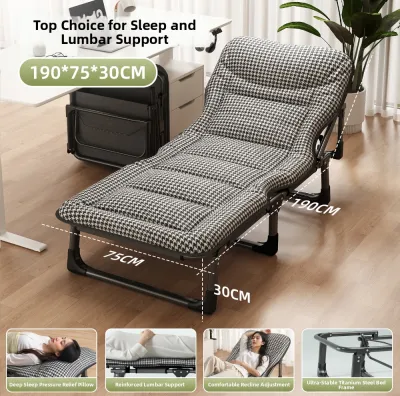
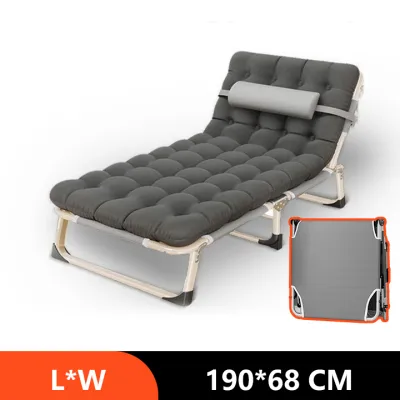

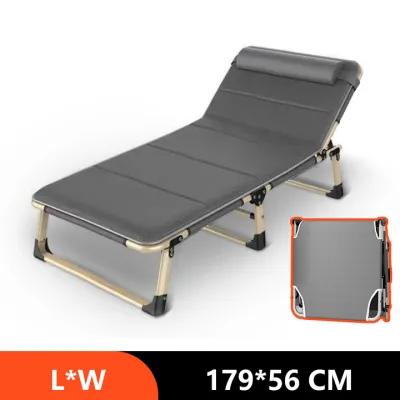
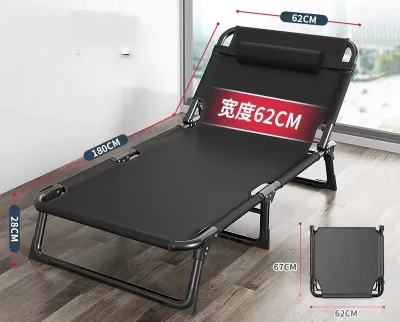
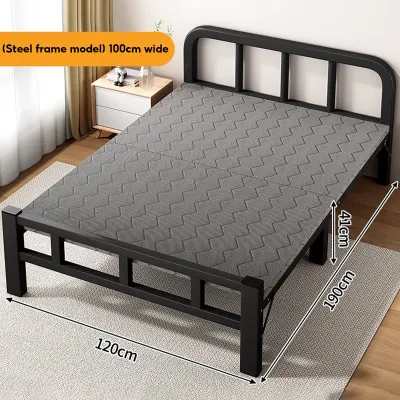
Prices are valid at publication and may change. Please refer to the product page for the latest price.
Entrapment dangers are also a critical concern, especially with models that use loose-fitting mattresses or flexible fabric bases. Gaps can easily form between the mattress and the outer metal frame, or between the head of the bed and the wall. If a child rolls into these gaps during sleep, they can become wedged, leading to positional asphyxiation or limb injuries. This risk is heightened if the mattress is too thin or if the support slats sag over time, creating deep hollows.
Finally, folding beds are susceptible to tip-over and sliding risks, particularly in homes with smooth flooring like ceramic tiles or polished wood, which are highly common in tropical climates. Without proper rubberized foot grips, the bed can slide unexpectedly when a child climbs in or out. If the weight is distributed unevenly—such as when a child sits on the very edge of the headboard or footboard—the entire frame can tip vertically, potentially pinning the child against the floor or wall.
Essential Safety Features to Check Before Buying
When shopping for a folding bed, you must look past marketing claims of “child-safe” or “heavy-duty” and conduct a methodical physical inspection of the product’s design. Safety cannot be assumed based on appearance alone; it must be verified against the manufacturer’s official product specifications, user manuals, and physical safety certifications. Focus your evaluation on three primary mechanical areas: the locking systems, the frame stability, and the mattress integration.

Locking Mechanisms and Hinges
The locking mechanism is the single most critical safety feature on any folding bed. Look for models equipped with automatic locking pins or secondary safety latches that engage automatically when the bed is fully extended. A reliable system should require a deliberate, two-step physical action to disengage, ensuring that a child cannot accidentally trigger the release mechanism while playing under or around the bed.
In addition to the locks, inspect the design of the hinges and folding joints. High-quality folding beds feature covered, shielded, or deeply recessed hinges that prevent fingers from making contact with the pinch points. Avoid frames with exposed, raw metal scissor joints that lack protective plastic or rubber guards, as these pose an immediate hazard during setup and daily use.
Frame Stability and Weight Capacity
A stable frame is essential to withstand both sleep and daily movement. Always check the manufacturer’s official documentation for the maximum weight capacity, and ensure this limit accommodates your child’s current weight with a generous safety margin to account for rapid growth and sudden physical impacts. Never guess the weight limit based on the thickness of the metal tubes.
Examine the leg design closely. The legs should feature a wide, stable base and be fitted with heavy-duty, non-slip rubber caps. In humid tropical environments, moisture can make tiled or vinyl floors slick; high-quality rubber feet prevent the bed from sliding when a child shifts during sleep. Additionally, inspect the frame’s joints for reinforced welding or heavy-duty bolting rather than thin rivets, which can shear under repeated stress.
Gap-Free Designs and Entrapment Hazards
To prevent dangerous entrapment, the mattress must fit snugly within the perimeter of the bed frame. Measure the inner dimensions of the frame and compare them directly to the mattress dimensions. There should be no gap wider than two centimeters between the mattress and the frame sides, head, or foot.
The support base beneath the mattress also plays a vital role in safety. Opt for closely spaced wooden slats or a solid, rigid platform rather than loose wire mesh or highly flexible springs. A sagging base allows the mattress to sink unevenly, creating hidden gaps along the edges where a child’s limbs could slip through and become trapped. Always consult the product manual to verify the recommended mattress thickness, as a mattress that is too thick can alter the center of gravity, while one that is too thin can expose the hard metal edges of the frame.
How to Set Up and Maintain a Folding Bed Safely
Safe ownership of a folding bed extends far beyond the initial purchase; it requires strict adherence to safe operational habits and regular maintenance. First and foremost, the task of opening, closing, and moving the folding bed must be performed exclusively by adults. Children should be kept at a safe distance in another room during the entire setup and takedown process to eliminate any risk of pinched fingers or accidental drops.
The physical placement of the bed within the room is equally critical. Position the bed on a completely flat, level floor surface. Avoid placing it near windows, low-hanging blind cords, electrical outlets, or heavy, unanchored furniture like wardrobes or bookshelves. In compact urban spaces or shared bedrooms, ensure there is ample clearance around the bed so that it does not block emergency exit paths or rub against other furniture, which could compromise its stability.
Regular maintenance checks are essential to ensure the bed remains safe over months and years of use. Establish a monthly routine to inspect the locking pins, hinges, and frame joints. Look for signs of wear, loose screws, bent metal, or rust, which can develop quickly in humid tropical climates and weaken structural integrity. If you notice any loose fasteners, tighten them immediately according to the manual’s specifications; if any structural component is bent, cracked, or failing to lock securely, stop using the bed immediately.
When to Avoid Using a Folding Bed for a Child
While folding beds are highly convenient, they are not suitable for all children or every sleeping scenario. You should strictly avoid using a folding bed for infants, toddlers, or very young children. Young children lack the motor skills and strength to extricate themselves if they roll into a gap or if the bed shifts, and folding beds do not feature the high, secure guardrails found on cribs or dedicated toddler beds.
Furthermore, never use a folding bed if any part of the locking mechanism is damaged, missing, or fails to click securely into place. Attempting to bypass a broken lock with temporary fixes like ropes, tape, or heavy objects is extremely dangerous and invites structural collapse. If the bed cannot lock itself open reliably, it must be retired from use immediately.
Finally, pay close attention to the manufacturer’s intended use guidelines. Many folding beds are engineered strictly for occasional, short-term use, such as weekend sleepovers or temporary guest accommodations. Using an occasional-use folding bed as a permanent, daily sleep surface can cause rapid wear on the joints, springs, and frame, leading to premature structural failure and safety hazards. For daily use, invest in a dedicated, stationary bed frame designed to withstand continuous wear.
Frequently Asked Questions (FAQ)
Can a toddler safely sleep on a folding bed?
No, toddlers should not sleep on a folding bed. Toddlers require secure, enclosed sleeping environments, such as a crib or a dedicated toddler bed with built-in safety guardrails, to prevent them from falling out of bed during the night. Folding beds lack these protective barriers and present significant entrapment risks in the gaps between the mattress and the frame. Always check the manufacturer’s guidelines, which typically specify a minimum age of six years or older for folding bed use.
What should I do if the folding bed's lock breaks?
If the locking mechanism on your folding bed breaks, bends, or fails to engage, you must stop using the bed immediately. Do not attempt to perform DIY repairs on structural joints or locking pins, as home remedies cannot guarantee the load-bearing capacity required to keep the bed stable. Contact the manufacturer directly to inquire about official replacement parts or authorized repair services. If certified replacement parts are unavailable, the bed should be permanently decommissioned and replaced to ensure your child’s safety.

Community discussion
Share your experience or ask a question. Comments are reviewed before publication.