
Quick Answer: Which Mattress Material Sleeps the Coolest?
Sleeping comfortably in the Philippines requires a mattress that can handle both high temperatures and intense humidity. The coolest mattress material for your bedroom depends on your specific sleeping environment and physical preferences. Generally, innerspring mattresses offer the highest baseline airflow because the open spaces between the metal coils allow air to circulate freely. Natural latex provides excellent natural breathability due to the open-cell structure and physical pinholes created during manufacturing. “Bamboo foam” mattresses do not have an inherently cool foam core; instead, they rely heavily on specialized open-cell foam structures, gel infusions, and moisture-wicking bamboo-derived covers to keep you dry and comfortable.
To find the best option, you must align these material properties with your personal sleep needs. If your priority is maximum air movement to combat warm nights, an innerspring design is highly effective. If you prefer a responsive, buoyant feel that does not trap body heat, natural latex is an outstanding, durable choice. If you require deep pressure relief for your joints but want to avoid the stifling heat of traditional foam, a high-quality bamboo foam mattress with an open-cell core and a genuine bamboo viscose cover will provide the sweat-wicking performance you need.
How Mattress Materials Manage Heat in Tropical Climates
To understand how a mattress keeps you cool, it helps to look at the physics of heat transfer in a tropical climate. In the Philippines, where relative humidity regularly exceeds 80 percent, the body’s natural cooling mechanism—evaporative sweating—is severely hindered. When the air is already saturated with moisture, sweat cannot evaporate quickly from your skin, leaving you feeling hot, sticky, and restless. A cooling mattress must work actively to counter these conditions through three distinct mechanisms: convection, conduction, and moisture wicking.
Products mentioned in this guide
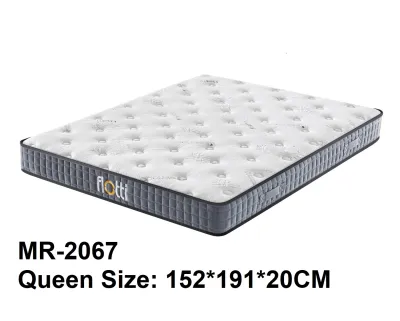
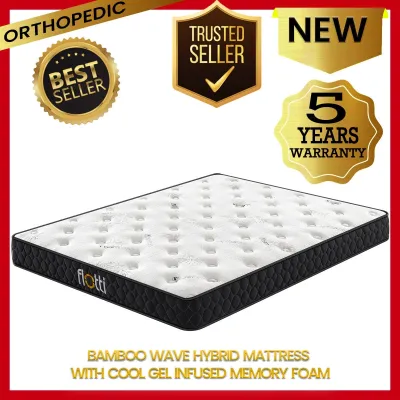
Prices are valid at publication and may change. Please refer to the product page for the latest price.

Convection is the movement of air through the mattress core. When you shift positions during sleep, you act like a bellows, pushing warm air out of the mattress and pulling cooler ambient air in. If a mattress has a solid, dense core with no pathways for air to travel, this heat remains trapped directly beneath your body.
Conduction refers to the direct transfer of heat from your skin to the mattress material. Materials with high thermal mass, such as traditional high-density memory foam, absorb your body heat and hold onto it, gradually warming up until the mattress surface matches your body temperature. A cool-sleeping mattress must either resist absorbing this heat or quickly conduct it away from your body to cooler areas of the bed.
Moisture wicking is perhaps the most critical factor in a humid environment. Even if a mattress core is relatively cool, a non-breathable surface fabric will trap sweat against your skin, creating a hot, humid microclimate in your bed. Breathable fabrics pull moisture away from your body and spread it out across a larger surface area so it can evaporate more rapidly.
When shopping for a mattress in the Philippines, it is vital to look past simple marketing buzzwords like “ice-cool” or “polar tech.” A material’s name alone does not guarantee performance. Instead, you must examine the physical structural features of the mattress, such as open-cell foam designs, aerated pinholes in latex, and the specific fiber composition of the cover fabric.
Bamboo Foam vs Latex vs Innerspring: Cooling Performance Compared
Evaluating these three popular mattress types requires looking closely at how their internal structures and surface materials behave when subjected to body heat and high humidity. Each material has distinct physical properties that dictate how well it manages temperature throughout the night.
Bamboo Foam Mattresses: Breathability and Moisture Wicking
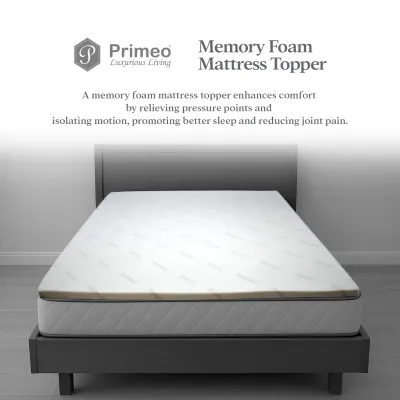
The term “bamboo foam” is often misunderstood by consumers. It is physically impossible to turn hard bamboo stalks into a soft, supportive foam without intense processing, and the resulting material is actually polyurethane-based memory foam. Manufacturers typically create “bamboo foam” by infusing memory foam with bamboo charcoal powder or by wrapping a standard foam core in a cover made from bamboo-derived viscose.
Traditional memory foam is notorious for trapping heat because its closed-cell structure consists of tiny, sealed pockets of air that act as an insulator. When you lie on standard memory foam, your body heat softens the material, causing you to sink in. This close contouring increases the surface contact between your skin and the mattress, trapping even more heat.
To make a bamboo foam mattress suitable for a tropical climate, manufacturers must modify the foam’s physical structure. Look for open-cell memory foam, which features interconnected air pockets that allow heat to escape. Some models also incorporate cooling gel infusions designed to temporarily absorb and dissipate initial body heat.
The primary cooling benefit of a bamboo foam mattress actually comes from its cover. Bamboo viscose fibers are highly porous and naturally absorbent, meaning they can wick sweat away from your body much faster than synthetic polyester. When evaluating a bamboo foam mattress, always check the product specifications to ensure the cover contains a high percentage of genuine bamboo viscose and that the foam core is explicitly rated as open-cell.
Latex Mattresses: Natural Airflow and Pinhole Structures
Natural latex is harvested from the sap of the rubber tree (Hevea brasiliensis), making it an inherently breathable and highly resilient material. Unlike memory foam, which conforms closely to your body and traps you in a heat-retaining cradle, latex has a natural elasticity that keeps you lifted on top of the mattress surface. This limits the surface area of contact, allowing air to circulate freely around your body.
During the manufacturing of latex mattress cores, the liquid latex is poured into molds containing arrayed metal pins, which conduct heat to cure the rubber. When the cured latex is removed from the mold, these pins leave behind a permanent grid of vertical pinholes. These aerated channels act as natural ventilation shafts, allowing air to pump through the mattress whenever you move.
There are two primary manufacturing methods for latex: Dunlop and Talalay. Talalay latex undergoes a vacuum and flash-freezing process before curing, which creates an incredibly consistent, highly open-cell structure that maximizes airflow. Dunlop latex is denser and slightly less breathable, but it offers exceptional durability and support.
While latex is naturally cooler than memory foam, a thick, solid slab of high-density latex can still retain some body heat if it is wrapped in a heavy, synthetic cover. To ensure optimal cooling, verify that the latex mattress is paired with a breathable, non-synthetic cover made from cotton or bamboo viscose, which allows the natural ventilation of the pinholes to function effectively.
Innerspring Mattresses: Maximum Air Circulation
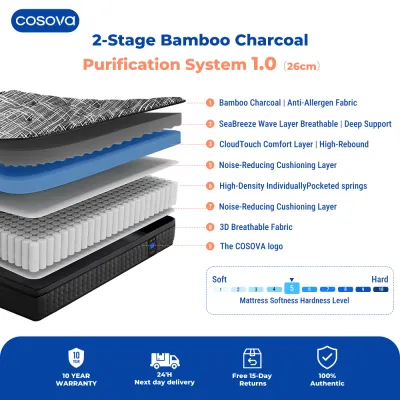
When it comes to pure, unrestricted airflow, innerspring mattresses are the traditional benchmark. The core of an innerspring mattress consists of steel coils—either interconnected Bonnell coils or individually wrapped pocketed coils. Because the vast majority of an innerspring core is composed of empty space, air can move completely unimpeded through the center of the mattress.
This open structure allows warm air to dissipate rapidly, preventing heat from building up over the course of the night. Pocketed coil systems offer a secondary ventilation benefit: because each coil is encased in its own fabric sleeve, the individual pockets compress independently as you move, actively pushing air through the mattress core like a series of small bellows.
However, the cooling advantage of an innerspring mattress can be completely compromised by its comfort layers. Modern innerspring mattresses rarely consist of just metal coils; they are topped with comfort layers designed to provide pressure relief. If a manufacturer places a thick, dense layer of standard memory foam or a heavy, non-breathable polyester pillow-top directly over the coils, it creates a thermal barrier.
This barrier traps your body heat right at the surface, preventing it from ever reaching the ventilated coil system below. When shopping for an innerspring mattress, carefully inspect the specifications of the comfort layers. Opt for models that use thin, open-cell foam, natural latex, or breathable fiber pads in their comfort layers to ensure the airflow of the underlying springs is not blocked.
Beyond the Core: Cover Fabrics and Bed Base Ventilation
While the core material of your mattress plays a massive role in temperature regulation, the layers directly above and below the mattress are equally critical to achieving a cool sleep environment in a humid climate.
The mattress cover is the only layer that directly contacts your sheets and your skin, making it the first line of defense against heat and sweat. Synthetic fabrics like standard polyester are inexpensive and durable, but they are highly hydrophobic, meaning they repel water and trap heat. Sleeping on a synthetic cover in the humid Philippine climate often leads to a sticky, clammy sensation. In contrast, natural fibers like cotton and bamboo viscose are highly breathable and absorbent, allowing sweat to wick away and evaporate, which naturally cools the skin.
Equally important is the ventilation beneath your mattress. In a highly humid environment, placing your mattress directly on the floor or on a solid, unventilated platform bed is a recipe for discomfort and hygiene issues. Without airflow underneath, heat and body moisture become trapped at the bottom of the mattress. This trapped moisture can quickly lead to the growth of mold, mildew, and dust mites, which can ruin your mattress and trigger allergies.
To prevent this, always pair your mattress with a slatted bed base. For optimal support and ventilation, look for a base with solid wood or metal slats spaced between 2 to 3 inches apart. This spacing provides a stable platform that prevents the mattress from sagging while allowing air to circulate freely underneath, carrying away trapped heat and moisture.
Additionally, consider the practical logistics of delivery and installation in typical Philippine homes. Solid, fully expanded queen- or king-sized innerspring mattresses can be incredibly heavy and difficult to maneuver through narrow doorways, tight townhome stairwells, or small condominium elevators. Foam and latex mattresses often arrive compressed in a box, making them much easier to transport and assemble in tight spaces, though they must be placed on a flat, stable, and well-ventilated frame once unboxed to perform at their best.
Decision Framework: Choose the Right Cooling Mattress for You
Selecting the perfect mattress requires balancing your personal comfort preferences with the physical realities of your bedroom environment. While basic foam mattresses can be found for under ₱5,000, high-quality cooling mattresses typically range from ₱15,000 to over ₱40,000 depending on whether you choose pocket springs, natural latex, or advanced open-cell bamboo foam. Use this structured framework to make an informed decision:
- Choose an Innerspring Mattress if:
- Your primary goal is maximum airflow and a cooler surface temperature.
- You sleep in a room without consistent air conditioning and rely heavily on electric fans or natural ventilation.
- You prefer a traditional, responsive, and bouncy sleeping surface rather than a contouring hug.
- You verify that the comfort layers above the coils are thin, breathable, and free from thick, dense memory foam.
- Choose a Latex Mattress if:
- You want a balance of responsive contouring, excellent durability, and natural heat dissipation.
- You prefer eco-friendly, natural materials and want a mattress that naturally resists dust mites, mold, and mildew.
- You are willing to invest in a premium, long-lasting material that maintains its supportive properties for years.
- You confirm that the mattress cover is made of breathable natural fibers like cotton or bamboo viscose.
- Choose a Bamboo Foam Mattress if:
- You require deep pressure relief for joint pain or side sleeping and prefer a body-hugging, contouring feel.
- You sleep in a room with consistent air conditioning where the ambient temperature can be easily controlled.
- You strictly verify that the foam core features an open-cell or gel-infused structure to assist with heat dissipation.
- You ensure the cover is made of high-quality, genuine bamboo viscose to manage sweat and humidity effectively.
- Essential Verification Checks Before Finalizing Your Purchase:
- Check the Dimensions: Measure your bed frame carefully to ensure the mattress dimensions match perfectly, preventing overhang or structural instability.
- Assess Delivery Access: Measure your doorways, stairwells, and elevator dimensions to ensure a solid innerspring or heavy latex mattress can be delivered safely to your bedroom without damage.
- Inspect Your Bed Base: Ensure your bed base is slatted with adequate gaps (2 to 3 inches) to facilitate continuous airflow underneath the mattress, preventing mold and heat buildup.
Frequently Asked Questions (FAQ)
Does a bamboo mattress cover actually keep you cooler?
Yes, a genuine bamboo viscose mattress cover can significantly improve your sleep comfort, but it works through moisture management rather than active refrigeration. Bamboo viscose is highly porous and absorbent, allowing it to wick sweat away from your skin much faster than synthetic polyester. This keeps your skin dry, facilitating natural evaporative cooling. However, a bamboo cover cannot actively lower the ambient room temperature; it simply helps your body regulate its own temperature more efficiently in humid conditions.
Will a memory foam mattress make me sweat in the Philippines?
Traditional, high-density memory foam is highly likely to make you sweat in the Philippines due to its closed-cell structure, which traps body heat and restricts air movement. Additionally, the deep contouring of memory foam increases skin-to-mattress contact, trapping heat directly around your body. To enjoy the pressure-relieving benefits of foam without overheating, avoid standard memory foam and instead look for advanced open-cell structures, gel-infused foams, or plant-based alternatives, and always ensure the mattress is wrapped in a highly breathable, moisture-wicking cover.

Community discussion
Share your experience or ask a question. Comments are reviewed before publication.