
Finding the right sleep surface in a tropical climate requires balancing temperature regulation with physical comfort. While a traditional Romblon banig offers unmatched surface breathability and a naturally cool touch, it lacks the structural support of modern beds. Conversely, latex, innerspring, and memory foam mattresses provide essential pressure relief and spinal alignment but vary significantly in how they trap or dissipate body heat. The ideal choice depends on whether you prioritize maximum airflow, orthopedic support, or a hybrid approach, as well as your reliance on room cooling systems like fans or air conditioning.
Understanding Heat Retention and Breathability in Sleep Surfaces
In high-humidity tropical environments, the body relies heavily on the evaporation of sweat to regulate its internal temperature. When a sleep surface restricts airflow, moisture and body heat become trapped against the skin, leading to a humid microclimate that disrupts deep sleep cycles. Breathability refers to a material’s ability to allow air to pass through it freely, carrying away warm, moist air, while heat retention describes how much thermal energy a material absorbs and stores over time.
Dense synthetic foams act as thermal insulators because their closed-cell structures contain millions of tiny, stagnant air pockets that trap heat. In contrast, woven natural fibers do not have the physical mass or density to store significant thermal energy, allowing heat to dissipate almost instantly. The overall temperature of your bed is also heavily influenced by the foundation; a solid wooden platform blocks downward airflow, whereas a slatted bed base or a raised bamboo frame enhances ventilation beneath the sleeping surface.
Products mentioned in this guide



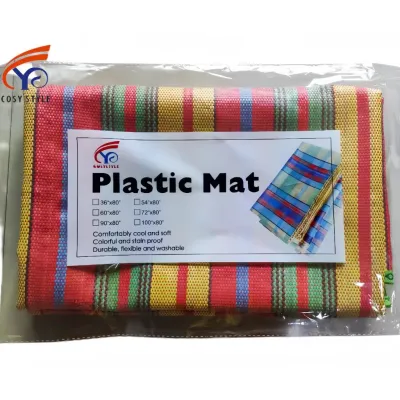
Prices are valid at publication and may change. Please refer to the product page for the latest price.
Furthermore, the layers of bedding you choose can either support or hinder your mattress’s cooling properties. Heavy, tightly woven synthetic sheets can create an artificial barrier to heat dissipation, regardless of how breathable the underlying mattress is. To optimize your sleep environment, every layer—from the bed base to the top sheet—must work together to facilitate continuous air circulation.
Traditional Romblon Banig: The Ultimate Cooling Surface
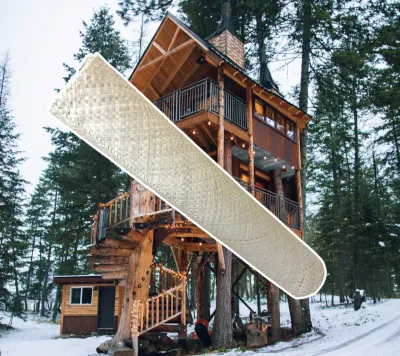
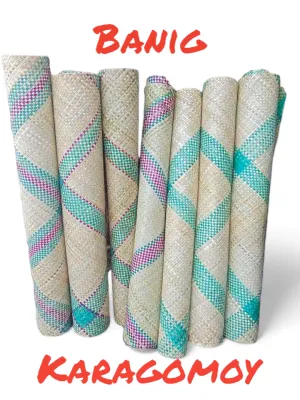
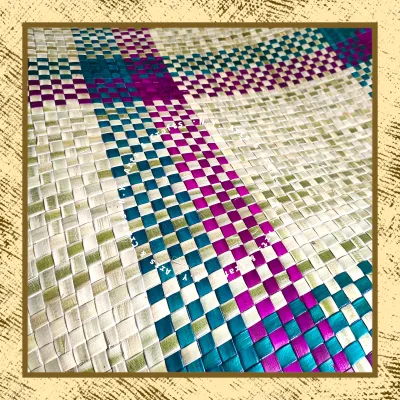
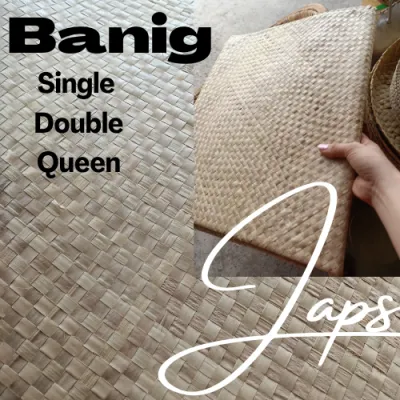
The traditional Romblon banig, handwoven from the durable leaves of the Romblon pandan plant, represents a time-tested solution to tropical sleeping conditions. Because the natural plant fibers are thin and woven into a porous pattern, the banig does not retain body heat, ensuring a consistently cool surface throughout the night. The physical structure of the weave allows ambient air from electric fans or open windows to circulate directly beneath your body, preventing the buildup of sweat.

Despite its exceptional cooling performance, a banig provides virtually no cushioning or pressure relief when laid directly on a hard floor or a rigid wooden frame. Sleepers who require pressure relief for their shoulders, hips, and lower back may find that sleeping solely on a banig leads to morning stiffness or joint discomfort. It is primarily suited for those who prefer an exceptionally firm sleeping surface or have grown accustomed to floor-sleeping arrangements.
Maintaining a Romblon banig in a humid tropical climate requires regular care to prevent mold, mildew, and fiber degradation. You should wipe the mat down periodically with a dry or slightly damp cloth to remove dust and sweat residue, ensuring it is completely dry before rolling it up for storage. Exposing the banig to indirect sunlight and fresh air helps eliminate trapped moisture, but prolonged exposure to direct, harsh sunlight should be avoided to prevent the natural fibers from becoming brittle and cracking.
Modern Mattress Types: Cooling vs. Support Trade-offs
Latex Mattresses
Natural latex mattresses offer a compelling middle ground for sleepers who want the contouring support of foam without the intense heat retention. The material is characterized by an open-cell structure, and manufacturers typically design these mattresses with pin-core holes to facilitate continuous airflow throughout the comfort layer. This design allows warm air to escape horizontally and vertically, reducing the risk of heat buildup during warm nights.
When comparing latex options, natural latex generally dissipates heat more effectively than synthetic or blended latex, as the organic material does not retain warmth in the same manner as petroleum-based products. However, the firmness level you select will directly influence how cool the mattress feels. A softer latex mattress allows your body to sink deeper into the foam, which increases the contact area between your skin and the bed, thereby trapping more heat than a firmer model that keeps you positioned on top of the surface.
Innerspring and Hybrid Mattresses
Innerspring and hybrid mattresses are inherently designed for superior airflow due to their structural core, which consists of open steel coils rather than solid blocks of foam. This open space allows air to move freely through the center of the mattress, carrying body heat away from the comfort layers and dissipating it through the sides of the bed. This continuous ventilation makes coil-based systems highly effective at maintaining a neutral temperature in warm bedrooms.
However, the cooling benefits of an innerspring base can be easily compromised by thick, dense comfort layers on top, such as heavy foam pillow tops or Euro tops. If these upper layers are made of low-density synthetic foam, they will trap heat right beneath your body before it can reach the breathable coil system. When evaluating these mattresses, it is crucial to check the specific materials used in the quilted cover and transition layers, opting for breathable fabrics like cotton or open-cell transition foams.
Memory Foam Mattresses
Memory foam is highly popular for its pressure-relieving capabilities, but it presents significant challenges in hot, humid climates. The dense, viscoelastic cell structure is designed to conform closely to the body under the influence of body heat, creating a deep cradle that restricts airflow around the sleeper. This close contouring maximizes the surface area of foam in contact with your skin, making the material act as an efficient thermal insulator.
To address this issue, manufacturers frequently introduce modifications such as gel infusions, copper particles, or open-cell formulations. While these features are designed to absorb initial body heat, they often only delay heat saturation rather than prevent it entirely; once the gel reaches thermal equilibrium with your body, the foam can still feel warm. Because marketing claims can be difficult to verify objectively, you should rely on extended sleep trials and flexible return policies to personally test how a memory foam mattress performs in your home environment.
Comparison Matrix: Breathability, Support, and Maintenance
| Sleep Surface | Surface Breathability | Pressure Relief | Heat Retention Risk | Maintenance Needs |
|---|---|---|---|---|
| Romblon Banig | High | Low | Low | Moderate (requires regular wiping and drying) |
| Latex Mattress | Moderate to High | Moderate to High | Low to Moderate | Low (requires standard rotation) |
| Innerspring / Hybrid | Moderate to High | Moderate to High | Low to Moderate | Low (requires standard rotation) |
| Memory Foam | Low | High | High | Low (requires standard rotation) |
How to Choose the Right Setup for Your Tropical Bedroom
Selecting the ideal sleep setup in the Philippines involves assessing your bedroom’s ventilation, your personal comfort preferences, and any existing physical needs. If your absolute priority is staying cool and you prefer a very firm, traditional sleeping surface, a Romblon banig is an excellent, cost-effective choice. It performs exceptionally well in rooms that rely solely on electric fans, as it does not trap heat and allows air to circulate directly against your skin.
For those who require robust spinal support and pressure relief to prevent morning aches, a natural latex or a well-ventilated innerspring mattress provides the best balance of physical comfort and thermal regulation. These options keep you supported and aligned while allowing heat to escape through their open structures. If you sleep hot and do not run an air conditioner throughout the night, it is generally wise to avoid traditional, unmodified memory foam mattresses, as they will likely trap heat and disrupt your sleep cycle.
If you want the best of both worlds, consider a hybrid approach by placing a thin Romblon banig over a firm modern mattress. This setup combines the surface breathability of the woven mat with the underlying support of the bed. However, you must ensure the mattress is firm enough to prevent deep sinking; if the mattress contours too much under your weight, the delicate natural fibers of the banig can bend, strain, and eventually crack.
Frequently Asked Questions (FAQ)
Can I put a Romblon banig on top of a modern mattress?
Yes, you can place a Romblon banig on top of a modern mattress, but you must proceed with caution regarding the firmness of the underlying bed. If the mattress is too soft, your body weight will cause the surface to sink deeply, which bends the woven pandan fibers beyond their natural limit and can cause the banig to crack or fray over time. Additionally, some mattress manufacturers may have specific guidelines or warranties regarding the use of non-standard, rigid top layers, so it is advisable to check their terms before modifying your sleep setup.
Do gel-infused memory foam mattresses actually stay cool all night?
While gel-infused memory foam mattresses are designed to feel cool when you first lie down, they do not provide active, continuous cooling throughout the night. The gel particles or phase-change materials work by absorbing your initial body heat, but once they reach their maximum thermal capacity, they can no longer pull heat away, and the dense foam will begin to retain warmth. To ensure a mattress will keep you comfortable in a tropical climate, prioritize brands that offer a risk-free sleep trial of at least 30 to 100 nights, allowing you to test the bed’s heat retention under real-world conditions in your own bedroom.

Community discussion
Share your experience or ask a question. Comments are reviewed before publication.