
Sleeping comfortably in the Philippines requires managing both high ambient temperatures and intense relative humidity. When the evening breeze is warm and the air feels thick, your choice of mattress directly impacts how deeply you sleep and how cool you feel throughout the night. For decades, traditional sleeping solutions have coexisted with modern bedding technologies, leaving many households to choose between a classic banig-topped foam hybrid and a contemporary memory foam mattress.
If you are currently browsing a banig with foam sale to upgrade your sleeping arrangement, understanding how these materials perform under tropical conditions is essential. A banig with foam mattress generally offers superior surface breathability and a cooler sleep experience in hot, humid environments due to its woven top layer, which facilitates natural airflow. Conversely, a standard memory foam mattress provides exceptional body contouring and joint pressure relief, but its dense structure inherently traps body heat. The ideal choice depends on your bedroom’s ventilation, your preferred sleeping posture, and whether you rely on continuous air conditioning.
Choosing the right mattress is not just about immediate comfort; it is an investment in your daily energy and physical health. By examining the physical construction, thermal dynamics, and maintenance requirements of both options, you can select a sleeping surface that keeps you cool and supported year-round.
Products mentioned in this guide
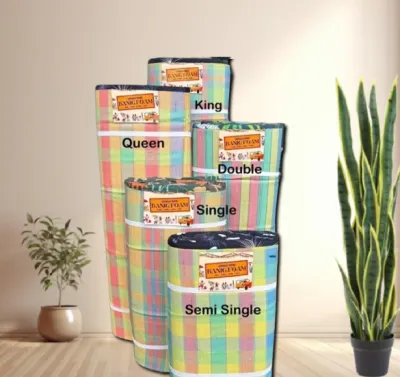
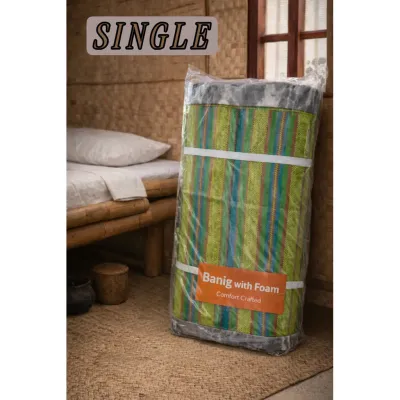

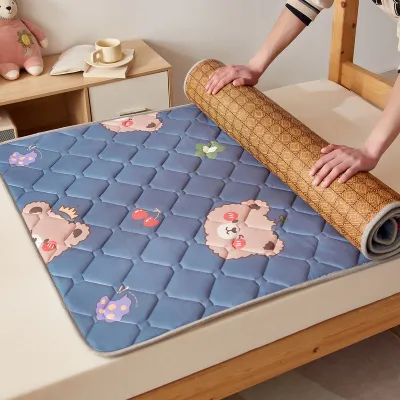
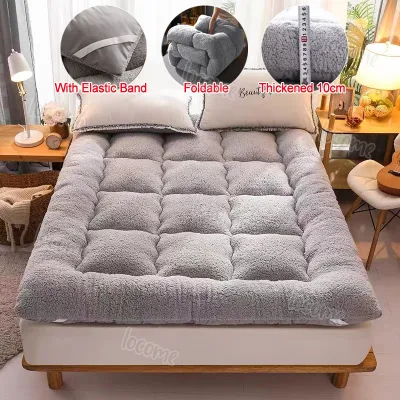
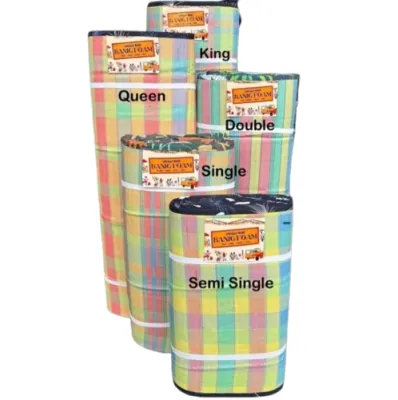
Prices are valid at publication and may change. Please refer to the product page for the latest price.
Understanding the Contenders: Construction and Materials
To make an informed decision, you must first look beneath the sheets and examine how these two mattress types are constructed. Their physical makeup dictates how they react to your body weight, how they handle moisture, and how they transfer heat.
What is a Banig with Foam Mattress?
A banig with foam mattress is a hybrid sleeping surface that integrates a traditional Filipino woven mat (the banig) directly onto a polyurethane foam core. This design aims to combine the structural cushioning of modern foam with the time-tested cooling properties of a woven surface. The top layer is the defining feature of this mattress, and it can be made from either natural or synthetic materials.
Natural banig surfaces are hand-woven from indigenous plant fibers such as pandan leaves, buri palm, or tikog grass. These natural fibers are inherently breathable, featuring organic textures that do not cling to the skin. Synthetic banig surfaces, typically woven from polypropylene or plastic strands, offer greater resistance to wear and tear and are much easier to clean, though they may lack some of the organic cooling properties of natural fibers. Beneath this woven layer lies a core of standard polyurethane foam, which provides the primary cushioning and prevents you from feeling the hard floor or bed frame underneath.
What is a Memory Foam Mattress?
A memory foam mattress is constructed from viscoelastic polyurethane foam, a material engineered to respond to both weight and temperature. When you lie on a memory foam bed, the material uses your body heat to soften, allowing it to mold precisely to your physical contours. This creates a deep, cradling sensation that distributes your body weight evenly across the surface.
Standard memory foam is characterized by a dense, closed-cell structure. While this density is excellent for durability and pressure relief, it restricts air movement through the core of the mattress. To combat this inherent heat retention, some manufacturers produce modified versions featuring open-cell structures, convoluted (egg-crate) designs, or gel infusions intended to absorb and dissipate heat. However, the effectiveness of these cooling technologies varies significantly, and you should always verify the manufacturer’s technical specifications rather than relying on broad marketing claims.
Key Comparison Dimensions for Hot and Humid Climates
To determine which mattress type will serve you best in a tropical climate, you must evaluate them across three critical performance areas: airflow, physical support, and how they withstand high humidity.

Breathability and Heat Retention
In the Philippines, where nighttime relative humidity regularly exceeds 80 percent, evaporative cooling is your body’s primary mechanism for shedding heat. A mattress that restricts airflow will cause sweat to pool, resulting in a hot, sticky, and interrupted sleep. This is where the structural differences between a banig hybrid and memory foam become most apparent.
The woven pattern of a banig surface creates thousands of tiny, natural air gaps between your skin and the underlying foam. This physical separation prevents your body from sinking deep into the polyurethane core, allowing air to circulate freely beneath you. When paired with an electric fan, this design maximizes convective cooling, helping to evaporate perspiration quickly and keep your skin dry.
Standard memory foam operates on the opposite physical principle. Because it requires heat to contour to your body, it acts as a thermal insulator. As you sink into the mattress, the foam wraps around your limbs, sealing off air circulation and trapping your body heat within the dense polymer network. If you sleep in a room without air conditioning, a standard memory foam mattress can quickly become uncomfortably warm. If you prefer the feel of memory foam, you must check product labels carefully for verified cooling features, such as ventilated airflow channels or high-airflow covers, to ensure the mattress can handle tropical heat.
Comfort, Support, and Pressure Relief
How a mattress supports your spine and cushions your joints determines whether you wake up feeling refreshed or stiff. The two mattress types offer vastly different sleeping sensations, catering to distinct physical preferences.
A banig with foam mattress provides a firm, highly responsive, and buoyant sleeping surface. Because the woven top layer has minimal give, it prevents your pelvis and torso from sinking too deeply, keeping your spine in a neutral, straight alignment. This firm support is highly beneficial for back and stomach sleepers, as well as those who prefer a traditional sleeping posture. However, side sleepers may find a basic banig hybrid too rigid, as it can create high-pressure points on the shoulders and hips.
Memory foam excels at pressure relief and motion isolation. By conforming to your body’s unique shape, it eliminates localized pressure points, making it an excellent option for side sleepers or individuals suffering from chronic joint and back pain. Furthermore, memory foam absorbs energy exceptionally well. If you share your bed with a restless partner, their movements will not transfer across the mattress, allowing you to sleep undisturbed. The trade-off is the “stuck” feeling that some sleepers experience; because the foam takes time to reshape itself, changing positions can require more physical effort compared to the springy, responsive surface of a banig hybrid.
Moisture Resistance and Maintenance in High Humidity
High humidity and sweat can rapidly degrade bedding materials, leading to hygiene issues, structural sagging, and unpleasant odors. Protecting your mattress from moisture is crucial for its longevity.
Natural banig fibers, such as pandan or tikog, are hygroscopic, meaning they naturally absorb moisture from the air and your body. While this helps keep your skin dry, it also means the fibers can harbor mold, mildew, and musty odors if they remain damp. To maintain a natural banig surface, you must air it out regularly in a well-ventilated, shaded area. Synthetic banig surfaces are highly resistant to moisture absorption and can be wiped down easily, making them highly practical for high-humidity environments, though they require regular cleaning to remove surface oils.
Memory foam is also highly sensitive to moisture. Excessive humidity and sweat can penetrate the foam core, causing the polymer chains to break down prematurely. This structural degradation leads to permanent sagging and a loss of support. Because you cannot wash or easily dry a memory foam core, you must use a high-quality, breathable, and waterproof mattress protector to shield it from sweat and ambient humidity. Always consult the manufacturer’s care instructions, as exposing memory foam to direct moisture or harsh cleaning agents can permanently damage the material and void your warranty.
Decision Framework: How to Choose the Right Mattress
Choosing between these two mattress types requires balancing your personal physical needs with the environmental conditions of your bedroom. Use the following guidelines to determine which option aligns with your home setup.
Choose a Banig with Foam Mattress if:
- You Sleep in a Non-Air-Conditioned Room: If you rely primarily on electric fans or natural cross-ventilation, the superior airflow of a woven banig surface is essential for preventing heat buildup.
- You Prefer a Firm, Traditional Feel: If you dislike the sensation of sinking into your bed and prefer a highly supportive, buoyant surface that keeps you positioned on top of the mattress, the banig hybrid is ideal.
- You Want a Lightweight, Low-Maintenance Option: Banig with foam mattresses are generally lighter and easier to lift, flip, and move, making them highly practical for quick cleanups and regular airing.
- You Are Budget-Conscious: These hybrid mattresses are highly accessible and offer an economical sleeping solution for student dormitories, boarding houses, and guest rooms.
Choose a Memory Foam Mattress if:
- Your Bedroom is Consistently Air-Conditioned: If you keep your bedroom climate-controlled at a cool, stable temperature, the heat-retaining properties of memory foam are easily neutralized.
- You Require Deep Pressure Relief: If you are a side sleeper or suffer from chronic joint, shoulder, or hip pain, the contouring support of memory foam is necessary to eliminate pressure points.
- You Sleep with a Restless Partner: If you are a sensitive sleeper who is easily woken by a partner tossing and turning, the superior motion isolation of memory foam will help you sleep through the night.
- You Are Willing to Invest in Premium Cooling Technology: If you have the budget to select a high-density memory foam mattress featuring verified open-cell structures or advanced cooling gel infusions.
Essential Verifications Before You Buy:
- Check the Foam Density: Before making a purchase, verify the density of the underlying foam core. Low-density foam will sag quickly under body weight, while high-density foam offers long-term durability and support.
- Identify the Banig Material: Confirm whether the woven top layer is made of natural fibers (which require more delicate care but feel more organic) or synthetic materials (which are highly durable and easy to sanitize).
- Measure Your Bed Frame and Access Points: Ensure the mattress dimensions match your existing bed frame. If you live in a high-rise condominium in Metro Manila, check elevator and doorway clearances, as flat-delivered mattresses can be difficult to maneuver through tight spaces.
Navigating a Banig with Foam Sale: Buying Tips and What to Verify
When shopping for a new bed, finding a banig with foam sale on local e-commerce platforms or at physical furniture stores can yield significant savings. However, a low price tag should not be your only consideration. To ensure you are buying a durable product that will support your sleep for years, you must look beyond the discount and verify several key quality indicators.
First, inspect the thickness and density of the polyurethane foam base. Many heavily discounted mattresses use low-density utility foam that loses its resilience within a few months, leading to a permanent depression where you sleep. For daily adult use, look for a foam base that is at least 4 to 6 inches thick. Ask the seller for the foam’s density specifications; high-density foam will feel heavier and firmer, indicating a tighter cell structure that resists sagging.
Second, examine the integration of the woven banig layer. In high-quality hybrid mattresses, the banig is securely stitched and bound along the edges with heavy-duty fabric tape. Inspect the stitching for loose threads, uneven tension, or gaps where the woven mat might pull away from the foam. If you are buying a natural fiber banig, ask the retailer if the fibers have been treated to resist pests, mold, and mildew. For synthetic banig options, run your hand across the weave to ensure there are no sharp plastic edges or rough strands that could snag your bedsheets or irritate your skin.
Third, verify the exact finished dimensions of the mattress. Standard Philippine bed sizes can sometimes vary slightly between manufacturers. A standard Single is typically 36 by 75 inches, a Double is 48 by 75 inches, a Full Double is 54 by 75 inches, and a Queen is 60 by 75 inches. Measure your bed frame’s interior dimensions carefully before purchasing to ensure a perfect fit.
Finally, clarify the delivery logistics and return policies. Some promotional items sold online are shipped tightly rolled or folded. While synthetic banig and standard foam can handle being compressed, natural fiber banig mats can crack or warp if folded too tightly during transport. Confirm with the seller that the mattress will be delivered in a manner that preserves the integrity of the woven surface, and verify if they offer a warranty or a return policy in case the mattress does not meet your expectations.
Frequently Asked Questions (FAQ)
Can I use a memory foam mattress without air conditioning in the Philippines?
Yes, you can use a memory foam mattress without air conditioning, but it requires active heat-management strategies to remain comfortable. Because standard memory foam naturally retains body heat, you should pair it with highly breathable bedsheets made from natural fibers like 100% cotton, bamboo, or linen, which facilitate air movement and moisture wicking. Avoid synthetic polyester or microfiber sheets, as they trap heat and exacerbate the warm feeling of the foam. Additionally, place your bed in a well-ventilated area and position an electric fan to blow air directly across the mattress surface to maximize convective cooling and keep your skin dry.
How do I clean and maintain a natural banig mattress surface?
To clean a natural banig surface, wipe it down gently with a clean microfiber cloth that has been slightly dampened with warm water. Avoid soaking the natural fibers, as excess water can seep into the underlying polyurethane foam, creating a damp environment where mold and mildew can thrive. For minor stains, use a very mild, highly diluted soap solution, then immediately wipe the area with a dry towel to remove excess moisture. Always allow the mattress to air dry completely in a shaded, well-ventilated indoor space or a covered outdoor area. Never expose a natural banig to direct, harsh sunlight for extended periods, as intense ultraviolet rays can dry out the natural fibers, making them brittle and prone to cracking.

Community discussion
Share your experience or ask a question. Comments are reviewed before publication.