
Maximizing limited floor space is a primary challenge when furnishing compact bedrooms, particularly in urban condominiums and townhouses across the Philippines. A bed frame with integrated cabinet storage offers a highly efficient solution by combining two essential pieces of furniture into a single footprint. By utilizing the often-wasted space beneath the mattress and around the headboard, these specialized frames help eliminate the need for bulky freestanding wardrobes and chest drawers, keeping your sleeping area organized and clutter-free.
Selecting the right storage bed requires a careful balance of structural design, room dimensions, and material durability. Because these frames are heavier and more complex than standard beds, understanding how different configurations operate and how they fit into your specific room layout is essential. This guide outlines the primary storage bed designs, details critical space-planning measurements, and provides actionable quality checks to help you find a safe, durable, and highly functional piece for your home.
Storage Bed Configurations: Drawers, Hydraulics, and Cabinets
Storage bed frames generally fall into three design categories, each offering distinct advantages depending on your storage needs and available floor space. Understanding these configurations helps you determine how easily you can access your belongings and how much open space you must maintain around the bed.
Products mentioned in this guide

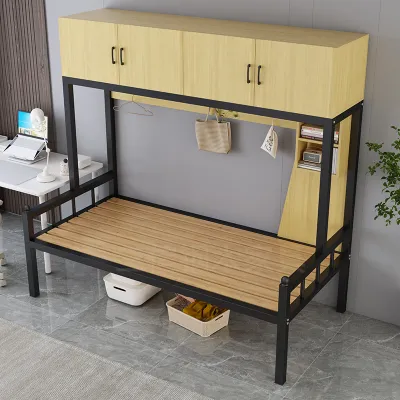
Prices are valid at publication and may change. Please refer to the product page for the latest price.
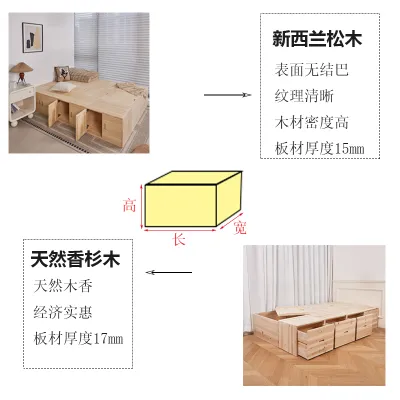
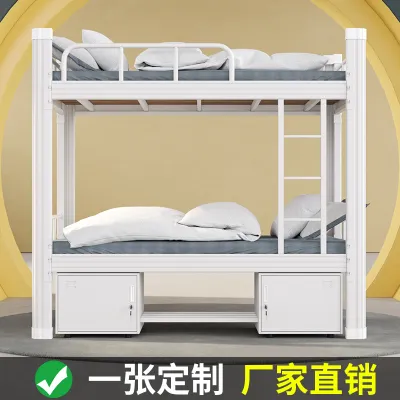
Drawer-based bed frames feature pull-out compartments built directly into the sides or the foot of the frame. These are highly practical for organizing daily essentials such as clothing, bedsheets, and personal items. However, they require significant physical clearance to operate. To pull drawers out fully, you must maintain at least 50 to 60 centimeters of open floor space beside or at the foot of the bed, meaning you cannot place these sides flush against a wall or adjacent furniture.
Hydraulic lift-up beds utilize gas-lift pistons to raise the entire mattress platform, revealing a spacious, undivided storage compartment underneath. This design is ideal for storing bulky, seasonal, or infrequently used items like travel luggage, extra pillows, and thick comforters. Because the platform lifts vertically, hydraulic beds do not require any lateral clearance, making them excellent for narrow rooms where side drawers would be blocked by walls or other furniture. However, accessing this storage requires lifting the weight of the mattress and bedding, which may be inconvenient for items you need to reach daily.
Headboard and footboard cabinet combinations integrate shelving, cubbies, or sliding-door cabinets directly into the bed’s wooden frame. Headboard cabinets are particularly useful in tight spaces as they can completely replace traditional nightstands, providing a dedicated place for phones, books, and bedside lamps without expanding the bed’s width. Footboard cabinets offer low-profile storage that is easily accessible without disturbing the mattress, though they add to the overall length of the bed frame.
Space Planning: Room Measurements and Delivery Access
Before purchasing a bed frame with integrated cabinets, precise measurements of both your bedroom and your home’s entry points are critical to avoid delivery and installation issues.

Start by measuring the exact footprint of your bedroom, noting the locations of electrical outlets, light switches, window sills, and door swing arcs. When calculating the space required for the bed, do not rely solely on standard mattress dimensions. A bed frame with built-in cabinets or a thick storage headboard can add 10 to 30 centimeters to both the length and width of the bed. Ensure that even when the storage compartments are fully opened, there remains at least 60 centimeters of walking clearance around the accessible sides of the bed to allow for comfortable movement.
Delivery access is a frequently overlooked factor, especially for residents of high-rise condominiums or multi-story townhouses. Many storage beds are delivered as large, heavy, semi-assembled panels or solid platforms that cannot navigate tight corners. Measure the height, width, and depth of your building’s service elevator, as well as the clearance of stairwells, hallway turns, and entry doors. If access is restricted, look for flat-pack storage bed frames that can be assembled directly inside the bedroom, though these will require more time and care during setup.
Finally, verify the compatibility of your mattress with the storage frame. For hydraulic lift beds, the thickness and weight of the mattress are critical; a mattress that is too light may cause the platform to pop open unexpectedly, while one that is too heavy can strain the hydraulic pistons, making the bed difficult to lift or unsafe to keep open. Check the manufacturer’s specifications for the recommended mattress weight range to ensure smooth and safe operation.
Build Quality and Safety Checks for Storage Beds
Because storage beds support the combined weight of the mattress, sleepers, and stored items, they are subject to greater physical stress than standard frames. Conducting thorough quality and safety checks before buying ensures the longevity of the furniture and the safety of your household.
Begin by inspecting the structural joints and frame materials. Solid wood and high-density engineered boards, such as medium-density fiberboard (MDF) with a moisture-resistant finish, offer better stability than low-grade particle boards. Examine the joint connections; high-quality frames utilize metal-to-metal brackets and threaded inserts rather than simple wood screws driven directly into the panels. Metal-to-metal connections prevent the joints from loosening or stripping over time, especially when the bed is subjected to daily movement.
For hydraulic lift-up beds, the quality of the lifting mechanism is paramount. Inspect the gas struts or pistons to ensure they are rated appropriately for your mattress size. Look for mechanisms that include a manual safety lock bar or a mechanical latch. This safety feature physically locks the raised platform in place, preventing accidental closure while you are reaching into the under-bed compartment. Additionally, check for a slow-close or dampening feature that prevents the platform from slamming down quickly.
If you opt for a drawer-based frame, examine the drawer glides and tracks. High-quality frames feature full-extension, ball-bearing metal slides that allow the drawers to open smoothly even when heavily loaded. Avoid plastic rollers or wood-on-wood tracks, which tend to stick, sag, or wear down over time. For headboard cabinets or tall storage units integrated into the frame, check for robust anchoring hardware and anti-tip designs to ensure the unit remains perfectly stable when doors or drawers are opened.
Matching the Right Storage Bed to Your Room Layout
To choose the most functional storage bed, match the frame’s configuration to the specific spatial constraints and layout of your bedroom.
In narrow bedrooms where the bed must be positioned against a side wall, drawer-based frames are highly restricted because the drawers on one side will be completely inaccessible. For this layout, a hydraulic lift-up bed is the most efficient choice, as it allows you to utilize the entire under-bed area without requiring any side clearance. Alternatively, a bed frame featuring a headboard cabinet with sliding doors provides excellent overhead storage without interfering with the limited walking space on the open side of the bed.
For deep but narrow rooms where there is ample space at the foot of the bed but very little on the sides, a frame with deep footboard drawers or a pull-out cabinet at the base of the bed is highly effective. This layout allows you to store bulky items like extra linens or shoes in an easily accessible area while keeping the sides of the bed flush against the walls to maximize the central floor space.
In studio apartments or multi-use guest rooms, a comprehensive storage bed that integrates a headboard cabinet, open shelving, and side drawers offers the ultimate space-saving solution. This setup consolidates your wardrobe, bookshelf, and nightstand into a single piece of furniture. When choosing this configuration, keep in mind that it requires keeping the surrounding floor area completely clear of rugs, low tables, or clutter that could block the drawer paths or make accessing the shelving difficult.
Assembly, Setup, and Long-Term Maintenance
Proper assembly and regular maintenance are essential to keep a storage bed frame operating smoothly and safely over years of use.
Due to the complexity of hydraulic pistons, drawer alignments, and heavy structural panels, professional assembly is highly recommended. Incorrectly installed hydraulic struts can cause uneven lifting, putting excessive strain on the frame and potentially damaging the mechanism or the mattress platform. If you choose to assemble the bed yourself, follow the manufacturer’s instructions precisely, ensuring all safety washers, brackets, and alignment pins are securely in place. Keep the structural warranty documentation handy, as many manufacturers cover hydraulic parts and frame joints for a specific period.
Long-term maintenance involves periodic checks of the bed’s moving parts. Every six months, inspect the structural bolts and tighten any that have loosened due to the natural movement of the bed. If the drawer glides begin to stick or squeak, clean the tracks to remove dust and apply a small amount of silicone-based lubricant. Avoid overloading drawers beyond the manufacturer’s stated weight capacity, as this can warp the tracks and cause the drawer bottoms to sag.
In the tropical and highly humid climate of the Philippines, moisture control inside enclosed storage compartments is a critical maintenance task. Dark, unventilated spaces under a bed can easily trap humidity, leading to mold, mildew, and musty odors on stored fabrics. To prevent this, place moisture-absorbing sachets, silica gel packs, or activated charcoal dehumidifier boxes inside the storage compartments. Avoid storing damp clothing or unwashed linens, and make it a habit to leave the drawers or hydraulic platform open for a few hours on dry, sunny days to allow fresh air to circulate through the storage areas.
Frequently Asked Questions (FAQ)
Can I use a standard mattress on a hydraulic storage bed?
Yes, you can use a standard mattress on a hydraulic storage bed, but you must ensure its weight falls within the manufacturer’s specified limits for the lifting mechanism. Hydraulic pistons are calibrated to work with a specific weight range; if your mattress is too light, the platform may be difficult to keep closed, whereas a mattress that is too heavy can prevent the platform from staying open safely. Additionally, check that the mattress thickness does not block any built-in headboard cabinets or exceed the recessed depth of the bed frame.
How do I prevent mold inside the under-bed storage cabinets?
To prevent mold and mildew in the humid Philippine climate, never store damp or humid items inside the bed cabinets. Place commercial moisture absorbers, silica gel packets, or activated charcoal bags in the corners of the storage compartments to absorb excess humidity. Periodically open the drawers or lift the hydraulic platform during dry, sunny days to promote air circulation, and ensure the bed frame is positioned slightly away from damp concrete walls to allow proper ventilation.

Community discussion
Share your experience or ask a question. Comments are reviewed before publication.