
Selecting the right bed side shelf rack with built-in charging and storage requires balancing electrical safety, physical dimensions, and organization. The ideal unit must not only keep your essential devices powered overnight but also fit seamlessly within your bedroom layout without creating physical or visual clutter. To make an informed decision, you should prioritize certified electrical components, verify the physical clearance of your space, and select a storage configuration that matches your specific nightly routine.
Core Selection Criteria for Your Bed Side Shelf Rack
When searching for the perfect bed side shelf rack, the most fundamental challenge is balancing storage capacity with a compact physical footprint. Bedside spaces are often tight, especially in urban apartments or smaller bedrooms where every centimeter of floor space counts. Opting for a massive unit with deep drawers might solve your storage issues but can severely restrict your movement or block closet doors. Conversely, an ultra-minimalist shelf might look sleek but leave your devices, books, and personal items piled up in a disorganized mess.
Beyond physical dimensions, safety must be your top priority. Because these furniture pieces combine wooden or metal frames with active electrical currents, you must prioritize certified electrical components over purely aesthetic designs. A beautifully crafted shelf with uncertified, low-quality USB ports or outlets poses a genuine electrical hazard. Look for units that carry recognized safety certifications and clearly state their electrical ratings on the product label.
Products mentioned in this guide
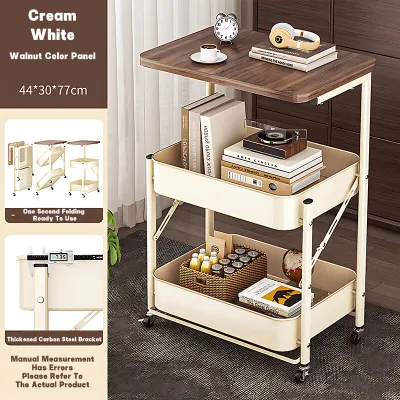
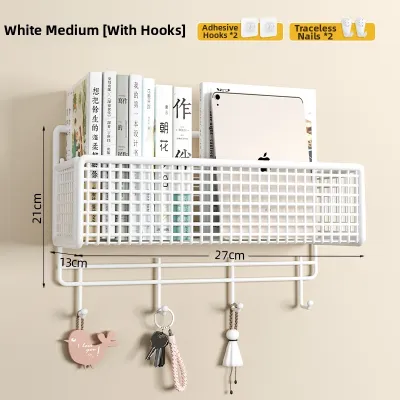

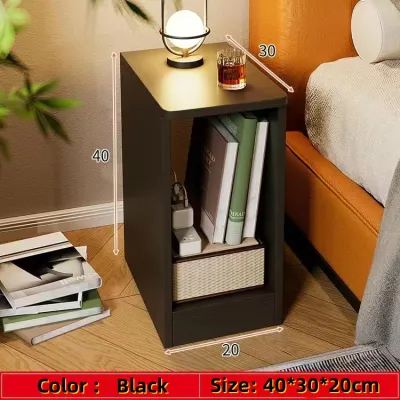
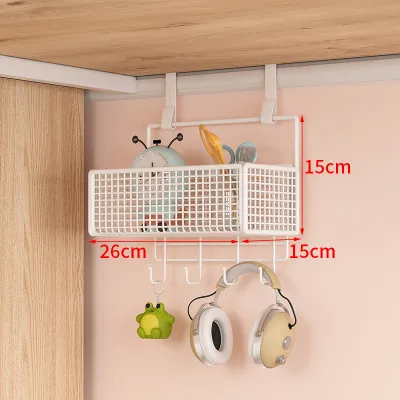
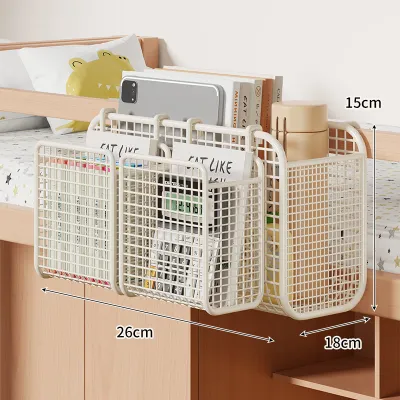
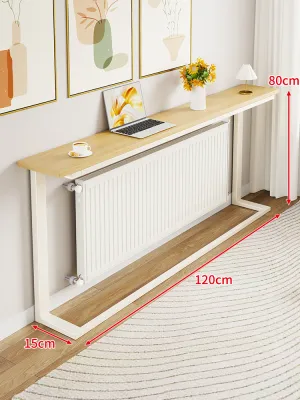
Prices are valid at publication and may change. Please refer to the product page for the latest price.
Ultimately, the best configuration depends entirely on your unique nightly routine and bedroom layout. If you only need a place to charge your smartphone and hold a glass of water, a slim, open-shelved unit will suffice. However, if you manage multiple devices, keep a collection of books nearby, or require private storage for personal items, you will need to evaluate more complex designs with integrated cable routing and closed compartments.
How to Evaluate Built-In Charging and Power Features
Integrating power outlets directly into your bedside furniture offers unparalleled convenience, but only if the electrical specifications match your modern device requirements and regional standards.

Port Types and Power Output
Modern bedrooms host a variety of electronic devices, from smartphones and tablets to smartwatches and e-readers. When evaluating a bed side shelf rack, inspect the variety and specifications of the built-in ports.
- USB-C Power Delivery (PD): Look for USB-C ports that support Power Delivery. Standard USB-C ports without PD may only supply 5W to 10W of power, which results in slow charging times for modern tablets or fast-charge-compatible smartphones. Verify if the port offers at least 18W to 30W of dedicated output.
- USB-A Ports: These remain useful for older accessories, smartwatches, or wireless earbud cases that do not require high wattage. A standard 5V/2.4A (12W) USB-A port is generally sufficient for overnight charging.
- Standard AC Outlets: Ensure the shelf includes at least one or two standard AC outlets. These are essential for powering bedside lamps, humidifiers, or medical devices like CPAP machines.
- Wireless Charging Pads: Some premium shelves feature wireless charging coils embedded directly into the top surface. While convenient, check the wattage (typically 5W, 7.5W, 10W, or 15W) and ensure your phone case is compatible with induction charging.
Electrical Safety and Compliance
Operating electrical outlets right next to your bed requires strict adherence to safety standards. In the Philippines, the standard household electrical supply is 220V at 60Hz. It is vital to verify that the integrated power strip or charging module is rated for 220V use and features the correct plug type (typically Type A or Type B).
- Surge Protection: Ensure the built-in power strip features integrated surge protection to shield your expensive electronics from sudden voltage spikes, which are common during tropical storms.
- Grounding: For units featuring three-prong AC outlets, verify that the unit's main power cord is a grounded, three-prong plug.
- No Daisy-Chaining: Never connect the bedside shelf's power cord to another extension cord or daisy-chain multiple power strips together. The shelf's power cord must plug directly into a properly installed wall outlet to prevent overloading your bedroom's electrical circuit.
Cable Management
A charging station can quickly become a chaotic web of tangled cords if the furniture design lacks dedicated cable management. Look for specific design features that keep cables organized:
- Rear Grommets and Pass-Throughs: Pre-drilled, plastic-lined holes at the back of shelves allow you to route charging cables directly to the power source without draping them over the front of the unit.
- Under-Shelf Channels: Some models feature recessed channels underneath the top surface or behind the frame, allowing you to clip or tuck away excess cord length.
- Recessed Power Strips: Power strips that are recessed into a dedicated well or back compartment prevent bulky plugs from protruding onto the top surface, keeping the usable shelf space clean and flat.
Choosing the Right Storage Configuration for Your Needs
The physical structure of your bedside storage determines how easily you can access your belongings and how tidy your bedroom looks during the day.
Open Shelves vs. Closed Drawers
The choice between open shelving and closed drawers involves a trade-off between accessibility and visual neatness.
- Open Shelves: These provide immediate, unobstructed access to items you reach for frequently, such as a glass of water, an active book, or your eyeglasses. They are also excellent for maintaining an airy, spacious feel in a small room. However, they offer no protection against dust and require you to keep your items neatly arranged to avoid a cluttered appearance.
- Closed Drawers: Drawers are ideal for concealing personal items, medication, or general clutter that you do not want on display. They also protect your belongings from household dust. Ensure the drawer glides operate smoothly and feature safety stops to prevent the drawer from being pulled entirely out of the frame.
Hidden and Specialized Compartments
If you value clean lines, look for specialized storage features that maximize utility without adding bulk:
- Flip-Top Compartments: Some bedside tables feature a hinged top lid that opens to reveal a hidden storage bay. This is an excellent spot to house the power strip itself, allowing you to charge devices completely out of sight.
- Shallow Accessory Trays: A dedicated slide-out tray or shallow top drawer is perfect for organizing small, easily misplaced items like smartwatches, rings, earrings, or keys.
Weight Capacity and Shelf Sagging
Before purchasing, always check the manufacturer’s stated weight limits for each individual shelf and the overall unit.
- Top Surface Load: The top surface usually requires a higher weight capacity to safely support heavy ceramic lamps, large water carafes, or stacks of books. A minimum capacity of 15 to 20 kilograms is recommended for the top tier.
- Lower Shelves: Lower shelves made of thin composite wood or wire mesh may sag over time if loaded with heavy items. If you plan to store heavy textbooks or decorative objects, look for reinforced support bars or solid wood construction.
Depth and Footprint Balance
A common mistake is selecting a bedside shelf that is too deep for the available space.
- Walkway Clearance: Measure the distance between your bed and the adjacent wall or closet. The shelf depth should leave at least 60 centimeters of clear walkway space so you can comfortably move around the bed.
- Egress Obstructions: Ensure that when drawers are fully extended or cabinet doors are swung open, they do not block your path or collide with other furniture pieces.
Sizing, Stability, and Safety Clearances
A bedside shelf must be ergonomically aligned with your bed and structurally stable to prevent accidents, especially in the dark.
Height Alignment
For optimal ergonomics, the top surface of your bed side shelf rack should sit level with or slightly below the top of your mattress.
- Easy Reach: If the shelf is too high, you risk knocking items over when reaching up from a lying position. If it is too low, straining downward can put unnecessary pressure on your back and shoulders.
- Measurement Tip: Measure the distance from your bedroom floor to the top of your mattress (including any mattress toppers) before shopping, and compare this directly to the shelf's overall height.
Clearance and Pathways
Physical fit extends beyond the immediate bedside area.
- Delivery Access: Before ordering a fully assembled or large flat-pack unit, verify that the packaged dimensions can easily pass through your home's entryways, narrow hallways, tight stairwells, or elevator doors.
- Door and Drawer Swings: Double-check that the unit's positioning does not interfere with bedroom door swings, wardrobe doors, or under-bed storage drawers.
Stability and Tipping Risks
Because bedside shelves often hold heavy objects on top (like lamps and liquids) and may be pulled or bumped in the dark, stability is paramount.
- Low Center of Gravity: Look for units with a wider base or heavier bottom shelves to lower the center of gravity.
- Anti-Tip Wall Anchors: Taller, narrower shelf racks are highly susceptible to tipping, especially if a heavy drawer is pulled out. If you have children or pets, or if the unit is taller than 60 centimeters, ensure the manufacturer includes anti-tip wall anchoring hardware and follow the installation instructions carefully.
Assembly and Routing
Many modern bedside shelves with integrated electronics require flat-pack assembly.
- Electronic Module Installation: Verify whether the electrical outlets and USB hubs come pre-installed in the wood panels or if you must mount and wire them yourself. Pre-installed modules are generally safer and easier to set up.
- Tool Requirements: Check the product details to see if assembly requires specialized tools or if basic hex keys are provided in the box. Ensure you route all internal power cords through the designated channels before tightening the final structural screws to avoid pinching or damaging the insulation.
Material Finishes and Maintenance Requirements
The bedroom environment, particularly in tropical climates, presents unique challenges for furniture durability. Selecting the right finish is just as important as choosing the base material.
Surface Treatments
Do not rely solely on the base material name (such as “engineered wood” or “solid pine”) to judge durability. Instead, inspect the product label for specific surface treatments.
- Melamine and Laminate: High-pressure laminates or melamine veneers offer excellent resistance to scratches, heat, and moisture. They are ideal if you frequently place cold water glasses or hot mugs on your bedside table.
- Water-Resistant Sealants: If opting for solid wood, ensure it has been treated with a polyurethane or water-resistant lacquer to prevent water rings and staining.
Climate Considerations
In highly humid tropical climates like the Philippines, moisture can quickly ruin poorly constructed furniture.
- Edge Banding Quality: Check that all edges of engineered wood panels are fully sealed with high-quality PVC or ABS edge banding. Unsealed edges allow atmospheric moisture to penetrate the inner core, causing the wood to swell, warp, and peel.
- Rust-Resistant Metal Frames: If your chosen shelf features a metal frame, verify that it has a powder-coated or rust-resistant finish to prevent corrosion from high humidity.
Edge Treatment
Reaching for your phone or a glass of water in the dead of night carries a risk of minor injuries if your furniture has sharp corners.
- Rounded Corners: Prioritize designs with rounded, chamfered, or smoothly sanded edges. This simple design detail significantly reduces the risk of painful bumps, scrapes, or bruises in the dark.
Cleaning Protocols
Because your bedside shelf houses active electrical connections, standard wet-cleaning methods are highly dangerous.
- Dry Maintenance: For daily cleaning, use a dry or slightly damp microfiber cloth to wipe away dust from the wood and metal surfaces.
- Protecting Electronics: Never spray liquid cleaners, water, or aerosol polishes directly onto or near the charging ports, USB hubs, or AC outlets. If a spill occurs near the outlets, immediately unplug the main power cord from the wall before attempting to clean or dry the area.
Frequently Asked Questions (FAQ)
Can I replace the built-in charging station if it stops working?
Whether you can replace the charging station depends entirely on how it is integrated into the furniture. Modular charging hubs, which are simply secured into a pre-cut grommet or shelf pocket and plugged into a standard wall outlet underneath, are incredibly easy to replace if they fail. You can simply unscrew or lift the module out and slide in a standard, off-the-shelf replacement. However, if the shelf features a hardwired, custom-shaped electronic panel integrated directly into the wood structure, replacing it may be impossible without modifying the furniture. Always check the manufacturer’s warranty, electrical safety certifications, and replacement part availability before purchasing.
Is it safe to leave devices charging on the bedside shelf overnight?
Yes, modern smartphones, tablets, and smartwatches are designed with internal battery management systems that automatically stop drawing power once they reach a full charge, preventing overcharging. However, safety still depends on proper heat dissipation and high-quality accessories. Never cover a charging device with pillows, blankets, or books, as this traps heat and can lead to dangerous thermal runaway. Always ensure the bedside shelf surface is clear of clutter around the charging area, and strictly use certified, undamaged charging cables. If you notice a device or the shelf’s built-in charging pad becoming excessively hot to the touch, disconnect it immediately and inspect the hardware.

Community discussion
Share your experience or ask a question. Comments are reviewed before publication.