
Which Bedside Storage Configuration Fits Your Routine?
Choosing the right bedside storage is often treated as a minor aesthetic decision, yet it has a profound impact on your daily sleep hygiene and morning efficiency. The surface directly next to your bed is the last thing you see before closing your eyes and the first thing you interact with upon waking. A poorly organized bedside table can introduce unnecessary friction into your routine, whether through a cluttered surface that elevates nighttime stress or a lack of accessible outlets that leaves your devices uncharged. Finding the perfect configuration requires looking past simple design trends and analyzing how you actually use your space during those critical transition hours.
The ideal bedside configuration depends entirely on whether you prioritize visual neatness, instant accessibility, or streamlined device management. There is no single “best” option, but rather a set of distinct configurations tailored to specific lifestyles. To help you navigate this choice, this guide evaluates the three primary bedside storage types—drawers, open shelves, and integrated charging stations—against a practical decision framework. By examining how each option handles accessibility, dust protection, cable management, and spatial requirements, you can select a piece of furniture that seamlessly supports your daily habits.
To make an informed investment, you must first understand the core trade-offs of each system. Drawers are the premier choice for individuals who crave a tidy, minimalist environment and need to secure small personal items out of sight. Open shelves cater to avid readers and those who prefer instant, zero-friction access to their belongings without fumbling with handles in the dark. Integrated charging stations are designed specifically for heavy technology users who need to power multiple devices overnight while keeping cable clutter to an absolute minimum. Let us explore how each configuration performs in a real-world bedroom setting.
Products mentioned in this guide
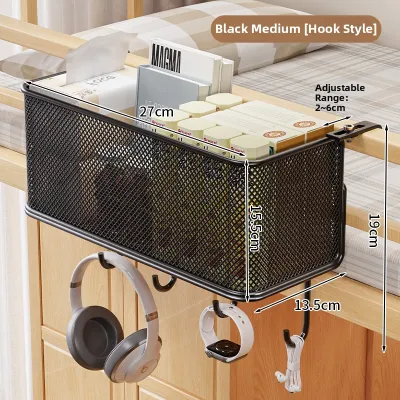
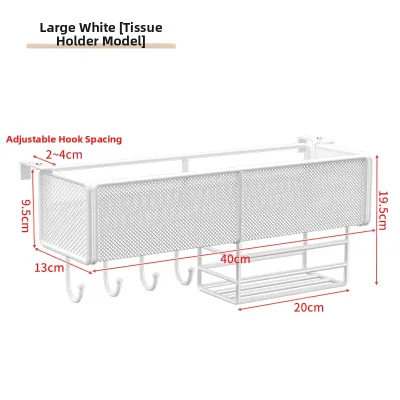
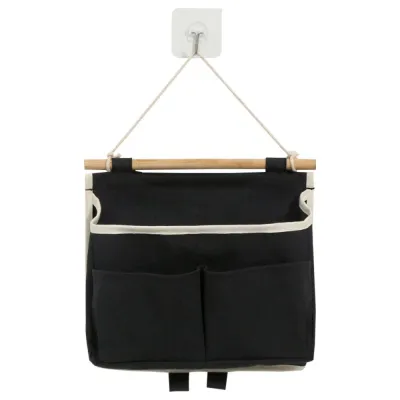

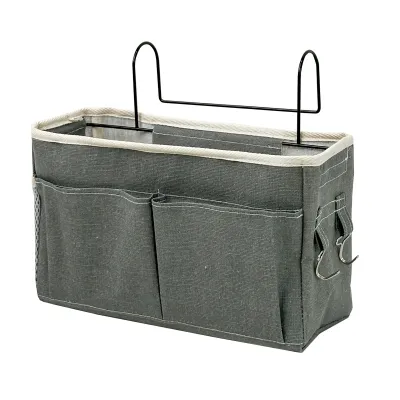

Prices are valid at publication and may change. Please refer to the product page for the latest price.
Drawers: Concealed Storage for Visual Minimalists
Drawers are a highly effective solution for maintaining a visually quiet and calming bedroom environment. Because the bedroom should serve as a sanctuary for rest, minimizing visual clutter is essential for lowering cognitive load before sleep. A drawer allows you to sweep away daily items—such as medications, lip balms, reading glasses, and loose charging cables—completely out of sight, leaving the top surface of your nightstand clean and serene. This concealed storage style is particularly beneficial for those who feel subtly stressed by seeing a collection of miscellaneous items resting next to their pillows.

In addition to aesthetic neatness, drawers provide superior protection against dust and environmental elements. In tropical climates like the Philippines, where natural ventilation is common and windows are often left open to catch a breeze, airborne dust accumulates rapidly on exposed surfaces. Storing your personal items inside a drawer keeps them clean, hygienic, and ready for use without requiring daily wiping. Furthermore, drawers offer a level of privacy and security that open configurations cannot match, keeping personal journals, electronics, or valuable jewelry hidden from casual view.
Despite these clear advantages, drawer-based nightstands have several practical drawbacks that you must consider. The most common pitfall is the “junk drawer” effect, where the lack of open visibility encourages you to toss items in haphazardly, creating a disorganized mess that is difficult to navigate in the dark. Additionally, operating a drawer requires physical effort and can generate noise; if the unit lacks high-quality soft-close hardware, the sound of a drawer opening or slamming shut can easily disturb a sleeping partner.
Furthermore, environmental factors can impact the physical operation of drawer units. In regions with high relative humidity, solid wood drawers are prone to swelling as the wood fibers absorb moisture from the air. This expansion can cause the drawers to stick, warp, or become difficult to open and close smoothly. To mitigate this issue, it is wise to look for nightstands constructed with engineered wood cores or those equipped with high-quality metal ball-bearing glides rather than simple wood-on-wood tracks. Metal glides ensure consistent, quiet operation regardless of seasonal humidity shifts.
When shopping for a drawer-based nightstand, always verify the internal dimensions and construction quality. Check the depth of the drawers to ensure they can comfortably accommodate your bulkier bedside items, such as a tablet, a thick novel, or a storage organizer, without jamming the mechanism. Utilizing shallow drawer dividers or felt-lined trays can also prevent items from rolling around, transforming a chaotic drawer into a highly organized, functional space. If you live in a particularly humid area, placing a small moisture-absorbent packet inside the drawer can help protect paper documents or sensitive electronics from dampness.
Open Shelves: Quick Access for Readers and Display Lovers
Open shelves offer a highly accessible, zero-friction storage solution that fits naturally into active evening routines. Because there are no drawer fronts to pull or doors to open, you can reach out and grab what you need in a single fluid motion. This instant accessibility is incredibly convenient when you are half-asleep and need to reach for a glass of water, check a physical alarm clock, or grab your reading glasses without turning on a bright overhead light. For many, this simplicity makes open shelving the most practical choice for daily bedside use.
From a design perspective, open-shelf nightstands are excellent for creating a light, airy, and spacious feel in the bedroom. Because they lack solid front panels, they allow light to pass through the frame, which visually expands the room. This makes them a preferred choice for smaller bedrooms, studio apartments, or guest rooms where bulky, solid furniture might feel heavy and restrictive. Additionally, open shelves provide a wonderful platform for self-expression, allowing you to display curated books, small indoor plants, or decorative ceramic pieces that add warmth and personality to your sleeping space.
However, the open nature of these shelves means that all your belongings are completely exposed to view. If you tend to accumulate bedside clutter—such as half-empty water glasses, loose receipts, or a tangle of charging cords—an open shelf will put this disorganization on full display, disrupting the visual harmony of your bedroom. Dust accumulation is also a constant challenge with open shelves, especially in tropical areas where dust settles quickly on flat, exposed surfaces, requiring you to commit to regular cleaning and dusting routines to keep the unit looking presentable.
Another risk associated with open shelves is the potential for items to be knocked off the edge in the dark. When reaching blindly for a phone or a book, it is easy to accidentally push other items off the side, leading to spilled liquids or broken items. To prevent this, look for open-shelf nightstands that feature a raised lip, a guardrail, or a three-sided enclosure on the shelves. This design detail keeps your items secure while still allowing for the quick, top-down access that makes open shelving so appealing.
To combine the quick-access benefits of an open shelf with the organizational neatness of a drawer, you can employ a hybrid storage strategy. Placing decorative woven baskets, fabric bins, or small leather trays on the shelves allows you to corral smaller, unsightly items while keeping them easily accessible. This setup gives you the flexibility to hide visual clutter when guests visit while maintaining the convenient, open-access layout that supports your nightly reading and winding-down habits.
Charging Stations: Integrated Power for Heavy Device Users
A bedside table with an integrated charging station is a modern furniture solution designed to streamline the management of your personal electronics. In an era where smartphones, smartwatches, tablets, and e-readers are central to our daily routines, having a dedicated, powered hub next to the bed is incredibly convenient. These specialized nightstands feature built-in power outlets, USB-A ports, USB-C ports, or wireless charging pads built directly into the top surface or hidden within a dedicated compartment, allowing you to power all your devices in one organized location.
The primary benefit of a charging station is a significant reduction of cable clutter. Instead of running multiple extension cords from distant wall outlets or dealing with a tangled nest of cables hanging behind your bed, an integrated station allows you to plug your devices directly into the nightstand. Many models feature clever cable-management channels, routing slots, or recessed power strips that keep the cords neat and prevent them from slipping behind the furniture when unplugged. This keeps your sleeping area looking clean, organized, and modern.
Despite their convenience, charging stations come with a few notable trade-offs, particularly regarding technology lifespans. Built-in charging ports can become outdated quickly as manufacturers develop faster, more efficient charging standards or transition to entirely new connector types, such as the shift from USB-A to USB-C. Additionally, because these units must be plugged into a wall outlet to function, your furniture placement is highly restricted. If your bedroom layout requires placing the bed far from an outlet, you may have to run a long power cord across the floor, creating a tripping hazard.
When evaluating a nightstand with a built-in charging station, electrical safety and device compatibility must be your top priorities. In the Philippines, the standard electrical supply operates at 220V and 60Hz, using Type A and Type B plugs. You must verify that the nightstand’s built-in power strip and charging components are fully rated for this voltage and comply with local safety standards to prevent overheating, electrical shorts, or fire hazards. Avoid purchasing unbranded or uncertified smart furniture, as low-quality electrical components can pose a significant safety risk to your home and your expensive devices.
Furthermore, pay close attention to the wattage specifications of the integrated USB ports. Many basic charging nightstands only offer low-power USB ports (typically 5W or 10W), which will charge modern smartphones and tablets very slowly. If you rely on fast charging, look for units that feature USB-C Power Delivery (PD) ports rated at 18W, 20W, or higher. Always check the manufacturer’s instructions regarding load capacity, and never plug high-wattage personal care appliances, such as hair dryers, curling irons, or space heaters, into the nightstand’s built-in outlets unless they are explicitly rated to handle those heavy electrical loads.
Comparison Matrix: Matching Bedside Storage to Your Habits
To help you make the best decision for your bedroom, the matrix below compares drawers, open shelves, and charging stations across five essential performance dimensions.
| Feature | Drawers | Open Shelves | Charging Stations |
|---|---|---|---|
| Visual Clutter Control | Excellent (Conceals all items) | Poor (All items are exposed) | Moderate (Reduces cable mess) |
| Dust Protection | High (Shields items inside) | Low (Requires frequent dusting) | Moderate (Depends on surface style) |
| Accessibility Speed | Moderate (Requires opening drawer) | Excellent (Instant, direct reach) | High (Devices are easily accessible) |
| Cable Management | Poor (Cables can get pinched) | Moderate (Requires external clips) | Excellent (Built-in routing and ports) |
| Maintenance Effort | Moderate (Requires glide checks) | High (Requires frequent wiping) | Low (Requires basic electrical care) |
Finding Your Perfect Bedside Match
- Choose Drawers if your priority is a completely clear, minimalist bedroom surface, you need to protect your items from dust, and you want to store private or easily lost personal items out of sight.
- Choose Open Shelves if you are an avid physical book reader, require instant access to essentials like water or glasses in the dark, and enjoy displaying decorative items.
- Choose Charging Stations if your nightly routine revolves around multiple electronic devices, you want to eliminate cable clutter, and you prefer keeping your gadgets fully charged and close at hand.
- Verify first if you are opting for a charging station; ensure your bedroom layout allows the main power cord to reach a wall outlet safely without stretching across walkways or creating a tripping hazard.
Space Planning and Safety Checks Before You Buy
Before you purchase any bedside storage unit, taking precise physical measurements is essential to ensure a comfortable, functional, and safe bedroom layout. The first rule of thumb concerns the height of the nightstand: the top surface should ideally be level with or slightly below the top of your mattress. This alignment allows you to reach for items comfortably from a lying position without straining your arm or shoulder, and it reduces the risk of accidentally knocking over a glass of water when reaching out in the dark.
Next, carefully measure your available floor space, paying close attention to clearance requirements. For drawer configurations, you must account for the full pull-out depth of the drawers when they are completely extended, ensuring they do not hit the bed frame, wardrobe doors, or block walking paths. For smaller rooms, a compact footprint is crucial; ensure there is at least 2 feet of clear walking space between the edge of the nightstand and any adjacent furniture or walls.
Finally, prioritize stability and physical safety, especially if you plan to place heavy items like ceramic lamps or large water carafes on the unit. Check the manufacturer’s specified weight capacity for both the top surface and any open shelves. For tall, narrow, or top-heavy units, verify if anti-tip hardware is included or required to secure the furniture to the wall, which is an important safety precaution in households with active pets or small children.
Frequently Asked Questions (FAQ)
Can I add a charging station to a regular nightstand?
Yes, you can easily retrofit a standard nightstand with power solutions to create a customized charging setup. One simple method is to mount a slim, surge-protected power strip with built-in USB ports to the back or underside of your nightstand using heavy-duty adhesive strips or mounting screws. Alternatively, you can place a multi-device charging dock or a sleek wireless charging pad on the top surface. Before installing a wireless charger, check the thickness of the tabletop, as some integrated under-desk wireless chargers cannot penetrate thick solid wood or stone surfaces. Always route the power cables safely down the back of the furniture, securing them with cable clips to prevent pinching, fraying, or creating a tripping hazard.
What is the ideal height and depth for bedside storage?
The ideal height for bedside storage typically ranges between 24 to 28 inches, which aligns with the average mattress height on a standard bed frame. For the best ergonomics, the surface should be within 2 inches of the top of your mattress. For depth, a measurement of 15 to 18 inches is recommended; this provides enough surface area to comfortably hold a lamp, a smartphone, and a glass of water without items hanging over the edge. Before buying, always measure the exact gap between your bed frame and the wall to ensure the nightstand fits flush and does not block any electrical outlets or light switches.

Community discussion
Share your experience or ask a question. Comments are reviewed before publication.