
When planning a household move in the Philippines, securing the right packing containers is the most critical step to ensure your belongings arrive intact. A durable basket box offers a structured, reliable solution for organizing, lifting, and transporting everything from delicate kitchenware to heavy books. Whether you are hiring a local lipat bahay truck or loading up a personal utility vehicle, understanding which container types suit your specific items will prevent costly damage and physical strain.
How to Choose the Right Basket Box for Your Move
Selecting the correct basket box requires looking beyond basic storage capacity to evaluate how the container will perform under real-world transport conditions.
Dimensional Compatibility Before purchasing any containers, measure the physical constraints of both your current home and your destination. Take precise measurements of narrow hallways, tight stairwell turns, doorway frames, and elevator doors to ensure your boxes can pass through without scraping walls or getting stuck. Additionally, check the cargo dimensions of your moving vehicle, whether it is a standard utility van, a small multicab, or a large closed commercial truck. Matching your box dimensions to the vehicle’s floor plan allows for tight, secure packing configurations that minimize shifting during transit.
Products mentioned in this guide
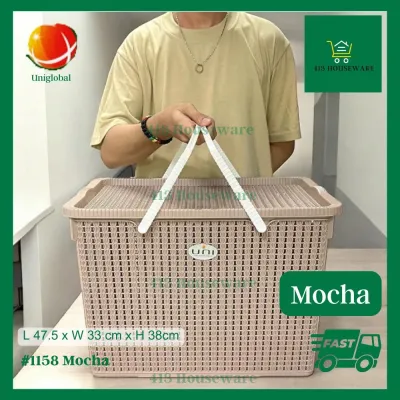
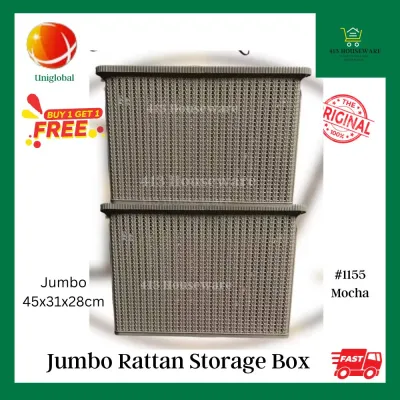
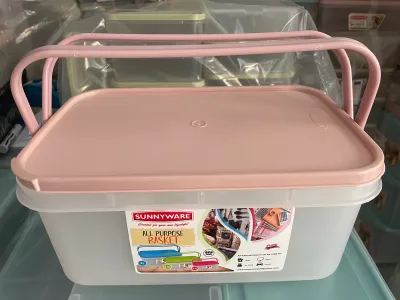
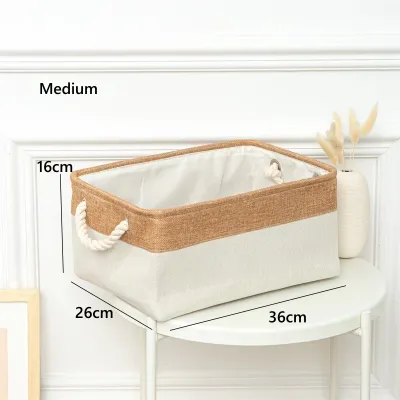
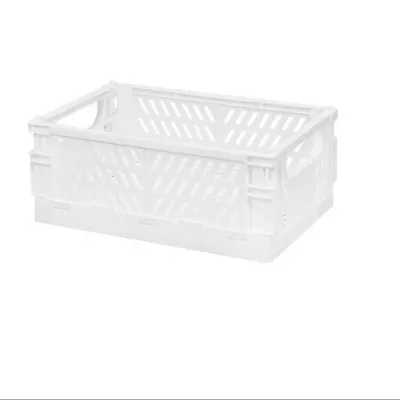
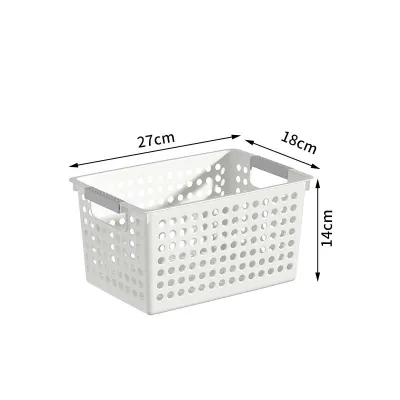
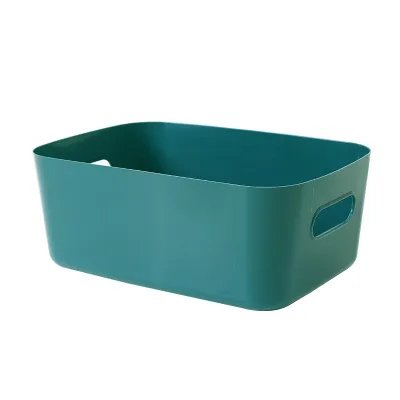
Prices are valid at publication and may change. Please refer to the product page for the latest price.
Weight Capacity and Structural Limits Never assume that a container can handle heavy loads based on its material name alone. Always check the manufacturer’s product labels or specifications for the certified weight capacity and maximum stacking limits. Look for structural reinforcements such as double-walled corners, ribbed bases, and interlocking lid latches, which distribute weight evenly and prevent the container from collapsing under pressure. Overloading a box beyond its rated capacity risks bottom blowouts during lifting, which can damage your belongings and cause personal injury.
Climate and Environmental Factors The tropical climate of the Philippines introduces unique challenges during a move, particularly high relative humidity and sudden, heavy rain showers. If your transport route involves open-air vehicles like pickup trucks or non-insulated cargo beds, your packing containers must provide adequate moisture resistance. Opt for non-porous materials or ensure that cardboard containers are thoroughly sealed with heavy-duty plastic wraps or moisture-resistant packaging tape. Protecting your items from ambient moisture prevents mold growth, musty odors, and structural degradation of paper-based goods during transit and temporary storage.
Ergonomics and Handling Lifting and carrying heavy containers down multiple flights of stairs or loading them onto high truck beds requires proper ergonomic design. Choose boxes that feature built-in, reinforced handholds or slip-resistant grip textures that allow for a secure, balanced hold. Avoid containers with sharp plastic edges or flimsy handles that can cut into your hands or snap under load. Well-designed grips ensure that the weight remains centered, reducing physical fatigue and minimizing the risk of accidental drops during the high-stress moving process.
Recommended Basket Box Types for Safe Transport
Different household goods demand different levels of protection, structural rigidity, and climate defense. Evaluating the three primary container categories helps you allocate your budget efficiently while securing your most valuable possessions.

Heavy-Duty Plastic Storage Bins with Secure Lids
Rigid plastic storage bins serve as the premier choice for transporting high-value, fragile, or highly sensitive household items. These containers are molded from dense polymers that resist impact, puncture, and crushing, providing an impenetrable outer shell for your belongings.
- Ideal Use Cases: These bins are highly recommended for packing expensive electronics, delicate kitchenware, porcelain, family photo albums, and critical documents. They are also ideal for items that must remain completely dry and dust-free throughout the entire transit process.
- Key Features to Verify: Prior to purchase, inspect the lid mechanism to ensure it features heavy-duty snap-locks or robust side latches that hold the cover firmly in place even when inverted. Look for reinforced stacking rims on the lid that align perfectly with the base of another bin to prevent sliding. Always verify the internal dimensions, as tapered walls can reduce the usable packing volume compared to the external measurements.
- Limitations: Rigid plastic bins occupy a fixed volume in your vehicle and storage space, meaning they cannot be folded down or compressed when empty. Furthermore, low-grade or brittle plastics can crack under sudden impact or extreme weight, especially when exposed to high temperatures. Verify that the manufacturer specifies impact-resistant or high-density polyethylene construction for heavy-duty applications.
Reinforced Cardboard Moving Boxes with Handholds
For general household packing, heavy-duty corrugated cardboard boxes offer a highly cost-effective, versatile, and recyclable solution. These boxes are designed specifically to withstand the rigors of stacking and transport when properly assembled and sealed.
- Ideal Use Cases: Cardboard boxes are best suited for packing clothing, bedding, linens, lightweight decorative items, and boxed pantry goods. Their uniform shapes make them exceptionally easy to stack neatly inside a moving truck, maximizing cargo space.
- Key Features to Verify: Always select boxes labeled as double-walled or heavy-duty corrugated cardboard rather than standard single-wall shipping boxes. Look for pre-cut handhold slots that are reinforced to prevent tearing when lifted. Ensure you use high-quality, wide packaging tape to seal both the bottom seams and the top flaps in an "H" pattern for maximum structural integrity.
- Limitations: Cardboard is highly vulnerable to water, humidity, and moisture, which rapidly soften the fibers and destroy the box's structural strength. Avoid using cardboard boxes for heavy items like books or tools unless they are specifically rated for high weight limits, and never use them in open-air transport during the rainy season without protective plastic coverings.
Foldable Woven or Canvas Utility Baskets
Collapsible woven or canvas utility baskets provide a flexible, space-saving alternative for packing soft, lightweight, or irregularly shaped items that do not require rigid protection.
- Ideal Use Cases: These flexible baskets are excellent for transporting pillows, blankets, soft toys, winter wear, and casual clothing. Their collapsible design allows you to fold them completely flat once empty, making them incredibly easy to store in your new home without cluttering your closets.
- Key Features to Verify: Look for baskets constructed from thick, tear-resistant woven fabrics or heavy canvas with sturdy internal wire frames that help maintain their shape when filled. Ensure that the carrying handles are stitched securely with cross-reinforcements along the sides of the basket to support the weight of soft goods.
- Limitations: Woven and canvas baskets offer virtually no crush protection, meaning they cannot support heavy loads stacked on top of them. They also lack a solid moisture barrier, making them susceptible to water penetration if exposed to rain or damp floors. Never use these flexible containers for fragile items, electronics, or heavy, dense objects.
Matching Basket Boxes to Your Household Items
To optimize both safety and space during your move, you must match each category of household goods with the appropriate container type. Using the wrong container can lead to damaged items, disorganized loading, or physical strain during lifting.
Fragile and High-Value Items Delicate items such as glassware, ceramics, and electronics must always be packed in rigid plastic bins with secure lids. Use plenty of internal padding—such as bubble wrap, packing paper, or foam peanuts—to fill any empty space and prevent items from shifting and colliding. Clearly label these bins as “FRAGILE” on multiple sides, and verify that the internal depth is sufficient to accommodate tall items without forcing the lid shut, which can cause crushing.
Heavy and Dense Items When packing heavy items like books, tools, or canned goods, use smaller, heavy-duty plastic bins or small, double-walled cardboard boxes. Keeping the physical size of the container small prevents the total weight from exceeding safe lifting limits, which protects your back and prevents the bottom of the box from blowing out. A good rule of thumb is to keep the total weight of any single container under 15 to 20 kilograms.
Soft Goods and Linens Bulky, lightweight items such as blankets, towels, and clothing are perfect for large foldable canvas baskets or standard cardboard boxes. Because these items are highly resilient, they do not require rigid outer protection. You can also use soft linens as DIY internal padding inside your plastic bins to cushion fragile items, saving space and reducing the need for plastic packing materials.
| Container Type | Moisture Resistance | Crush Protection | Stackability | Space Efficiency (Empty) |
|---|---|---|---|---|
| Heavy-Duty Plastic Bins | High | High | High | Low (Fixed Volume) |
| Reinforced Cardboard Boxes | Low | Moderate | Moderate | High (Folds Flat) |
| Foldable Canvas Baskets | Low | Low | Low | High (Collapsible) |
Safe Stacking and Transport Tips for Lipat Bahay
A successful move relies on smart loading and securing techniques to ensure your basket boxes remain stable and undamaged throughout the journey.
Weight Distribution and Loading Order When loading your moving vehicle, always place the heaviest, most rigid plastic bins at the bottom of the stack to create a stable foundation. Stack lighter cardboard boxes on top of the plastic bins, and place flexible, lightweight canvas baskets at the very top. Never exceed the manufacturer’s recommended stacking limits, and avoid stacking boxes so high that they become top-heavy and prone to tipping over during sharp turns.
Securing the Load To prevent your cargo from shifting during transit, use heavy-duty tie-down straps, bungee cords, or cargo nets to secure the stacks of boxes to the sides of the vehicle. Fill any empty gaps between stacks with soft items, such as moving blankets, pillows, or rolled-up rugs, to act as natural dunnage. This tight packing configuration prevents boxes from sliding back and forth when the vehicle accelerates, brakes, or navigates uneven roads.
Handling and Lifting Safety Always practice safe lifting techniques to prevent personal injury during your move. Bend at your knees rather than your waist, keep your back straight, and lift using the strength of your legs while keeping the container close to your body. Utilize the designated handholds or grips on your boxes to maintain a firm hold. If a container feels too heavy or unstable, do not attempt to carry it alone—either ask for assistance or repack the items into smaller, lighter containers.
Pre-Move Verification Before lifting any container or loading it onto the transport vehicle, perform a quick final inspection of all seals and closures. Verify that plastic lids are fully snapped shut and latched securely, and check that cardboard box tape is not peeling or lifting at the corners. This simple verification check prevents accidental spills, dropped items, and damage on stairs, walkways, or during the loading process.
Frequently Asked Questions (FAQ)
Can I use standard laundry baskets for moving heavy items?
Standard laundry baskets are designed specifically for lightweight, soft items like clothing and linens, and they lack the structural integrity required for heavy or fragile household goods. They typically do not feature reinforced bases, secure lids, or heavy-duty handles, making them highly susceptible to warping, cracking, or breaking under heavy loads. Additionally, because they cannot be stacked safely without crushing the contents below, using them for heavy items severely limits your vehicle’s cargo efficiency. Restrict their use to soft, non-fragile items and place them at the very top of your load.
How should I protect my boxes from humidity during the move?
To protect your belongings from high humidity and sudden tropical downpours, line the interiors of your cardboard boxes with heavy-duty plastic trash bags before packing your items inside. For highly sensitive items like electronics, books, and documents, use plastic storage bins with tight-sealing lids and silicone gaskets. Avoid transporting cardboard boxes in open-air vehicles during the rainy season, and never place your containers directly on wet pavement or damp ground during the loading and unloading process.

Community discussion
Share your experience or ask a question. Comments are reviewed before publication.