
Selecting the right baskets for packing and moving household items depends entirely on the weight, fragility, and moisture sensitivity of your belongings. Rigid plastic baskets with secure lids excel at protecting heavy or delicate items, while flexible woven and fabric baskets are ideal for lightweight soft goods. Collapsible baskets offer unmatched space efficiency for temporary transport and quick storage. Choosing the correct basket type ensures your household items survive the bumpy transit of a residential move, especially when dealing with high humidity or sudden tropical downpours.
Using baskets for a household move—often referred to locally as a lipat bahay—offers unique advantages over standard cardboard boxes, including built-in handles, natural ventilation, and long-term reusability. However, using the wrong basket for the wrong item can lead to broken handles, crushed belongings, or moisture damage. By matching your household goods to the correct basket specifications, you can streamline your packing process and protect your investments.
How to Evaluate Basket Durability and Handling for Moves
When preparing for a household move, you cannot rely solely on the visual thickness of a basket’s walls to determine its strength. Instead, look for manufacturer-specified load capacities and structural reinforcement. High-quality utility baskets often feature reinforced ribbing along the base and corners, which prevents the material from bowing under pressure. Press down on the center of the basket’s floor; if it flexes easily with minimal pressure, it is unlikely to support heavy household items during transit.
Products mentioned in this guide
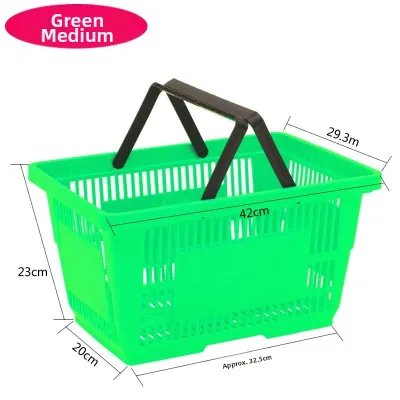
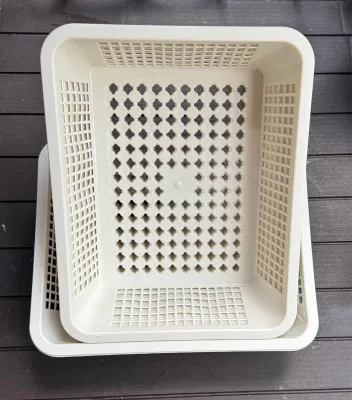
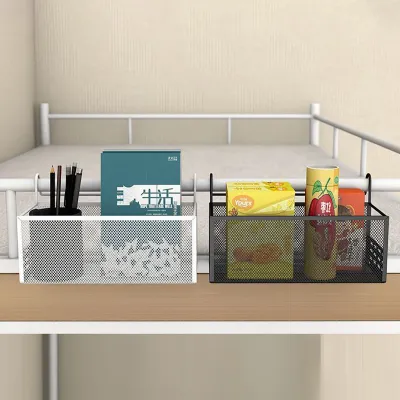
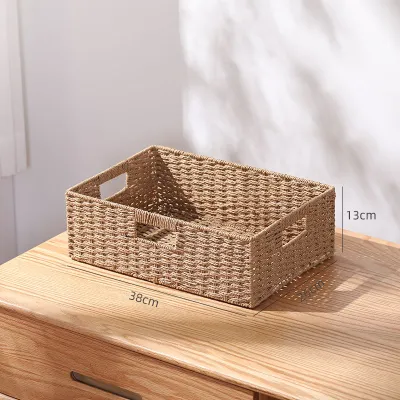
Prices are valid at publication and may change. Please refer to the product page for the latest price.
Handles are the primary point of failure during a move. Inspect the handle design closely to ensure they are either molded directly into the main frame or secured with heavy-duty rivets. Avoid baskets with thin, snap-on plastic handles that can easily detach when lifted. Ergonomic grips, such as wide, rounded handles or rubberized overlays, distribute weight more evenly across your hands, reducing strain and preventing the plastic from cutting into your fingers during long carries.
Stackability is crucial for maximizing space inside a moving vehicle. Look for baskets designed with interlocking lids or recessed tops that allow another basket of the same model to sit securely on top without sliding. The lids should feature robust latching mechanisms, such as snap-lock buckles or heavy-duty clasps, rather than simple friction-fit designs. A secure latch ensures that even if the moving truck encounters bumpy roads, the lids will remain firmly in place and prevent the contents from spilling.
In tropical climates where humidity is consistently high and sudden rain showers are common, moisture resistance is a critical factor. Review the manufacturer’s care labels and material specifications before selection. Non-porous materials like high-density polyethylene or polypropylene are naturally waterproof and will protect your items from dampness. If you are using natural fiber or fabric baskets, verify if they have been treated with water-resistant coatings, or plan to use protective liners to shield your belongings from moisture.
When to Use Rigid Plastic Baskets for Heavy and Fragile Loads
Rigid plastic baskets are the workhorses of any residential move, offering superior impact protection and structural integrity. These containers are highly suitable for heavy, dense, or fragile items that would easily crush or break through standard cardboard boxes. Items such as books, ceramic kitchenware, small kitchen appliances, and delicate decorative pieces should be prioritized for these hard-shelled containers. The rigid walls act as a protective shield against external pressure and shifting cargo.

Before loading heavy items, inspect the bottom of the plastic basket for structural reinforcement. Look for a grid of raised plastic ribs on the underside of the base, which distributes weight evenly and prevents the bottom from sagging. Additionally, ensure the lids utilize active latching systems. Simple snap-on lids can easily pop off if the basket is compressed or tilted, whereas latches that clamp over the rim provide a reliable seal that keeps the lid secured under stress.
Despite their strength, rigid plastic baskets have distinct limitations that you must consider during your moving preparation. Unlike cardboard boxes or collapsible bins, empty rigid baskets cannot be folded down, meaning they occupy the same amount of physical space before and after the move. Furthermore, while high-grade plastics are durable, they can become brittle over time or crack under extreme impact. Dropping a heavily loaded plastic basket onto a hard concrete surface can cause the plastic to shatter, potentially damaging the contents inside.
To maximize the safety of fragile items within a rigid basket, you must plan for internal padding and organization. The hard interior walls of a plastic basket do not absorb shock, meaning glass or ceramic items can easily chip or shatter if they rattle against each other. Line the bottom and sides of the basket with thick towels, bubble wrap, or packing foam. Use cardboard dividers or individual wrapping for each item to prevent direct contact, ensuring that every empty space is filled to eliminate movement during transit.
How to Pack Soft Goods Safely in Woven and Fabric Baskets
Woven and fabric baskets are excellent choices for transporting lightweight, non-fragile household items. Because these baskets are often decorative and flexible, they are best suited for soft goods such as clothing, bed linens, bath towels, pillows, and lightweight plush toys. Utilizing these baskets for soft items allows you to move your existing storage solutions fully loaded, saving you the trouble of unpacking them before the move and repacking them afterward.
However, the textured surfaces of natural woven materials like rattan, wicker, or seagrass can pose a risk to delicate fabrics. Before packing, inspect the interior of the basket for rough fibers, splinters, or exposed wire frames that could snag or tear your clothing. If the basket lacks a built-in fabric lining, line the interior with a clean bedsheet, or pack your soft goods inside separate fabric laundry bags before placing them into the woven basket. This simple barrier protects both your textiles and the basket’s inner structure.
Structural preservation is a key concern when moving woven or fabric baskets. Unlike rigid plastic, these materials have limited load-bearing capacity and can easily warp, crush, or suffer frame collapse if subjected to downward pressure. Never stack heavy boxes or rigid containers on top of woven or fabric baskets in the moving vehicle. Instead, designate these baskets for the topmost layer of your cargo stack, or place them in secure, tight spaces where they will not be compressed by heavier items.
Natural fibers are highly susceptible to environmental damage, particularly in humid conditions or during wet-weather moves. Moisture can quickly penetrate woven materials, leading to mold, mildew, and unpleasant odors that can ruin both the basket and the packed linens. Keep natural fiber baskets away from damp areas, and avoid placing them directly on the floor of the moving truck where water spills or road moisture might accumulate. Wrap the entire exterior of the basket in stretch wrap or a large plastic bag to create a temporary moisture barrier during transit.
When to Choose Collapsible Baskets for Space Efficiency
Collapsible baskets offer a highly efficient solution for modern moves, combining the structure of a traditional basket with the space-saving benefits of a foldable design. These baskets are best reserved for light, bulky items that require organization but do not need heavy-duty impact protection. Excellent candidates for collapsible baskets include plastic kitchenware, pantry items, shoes, and folded garments. Their ability to fold flat makes them incredibly easy to store when not in active use.
Before trusting a collapsible basket with your belongings, you must thoroughly test its locking mechanisms and support frames. Expand the basket fully and apply downward pressure on the rim to ensure the folding joints lock securely into place. Some models use silicone accordion walls, while others rely on plastic hinges and locking tabs. If the joints feel loose or fail to click into a rigid state, the basket may accidentally collapse during transport, potentially damaging your items or creating a safety hazard.
Because collapsible baskets rely on flexible joints, they have lower weight limits than their solid plastic counterparts. Overloading these baskets beyond the manufacturer’s stated capacity puts excessive stress on the folding seams and hinges, which are the most common points of structural failure. Always check the weight rating before packing, and distribute the weight evenly across the base. If a basket begins to bow or the folding sections start to crease under the load, immediately transfer some items to a more rigid container.
The true value of collapsible baskets becomes apparent once you arrive at your new residence. As soon as you unpack their contents, you can instantly fold the baskets flat, freeing up valuable floor space in your new home during the chaotic unpacking phase. This foldable design is also highly advantageous if you are making multiple trips in a personal vehicle, as you can stack dozens of collapsed baskets in the trunk for the return journey, maximizing your cargo capacity for the next load.
How to Pack and Stack Baskets Securely for Transit
Securing your baskets for transit requires a systematic approach to packing and loading. Begin by distributing the weight evenly within each individual basket. Always place the heaviest items at the very bottom to establish a low center of gravity, which prevents the basket from tipping over when the moving vehicle turns or stops suddenly. Lighter, more delicate items should be placed on top, ensuring they are not crushed by the heavier cargo underneath.
Once a basket is packed, you must secure its lid to prevent the contents from shifting or spilling out during transit. Use high-quality moving tape, elastic tension straps, or heavy-duty cable ties to lock the lid to the main body of the basket. If you are securing a decorative or natural fiber basket, avoid applying adhesive tape directly to the exterior surface, as peeling it off can tear the fibers or ruin the finish. Instead, wrap the basket in stretch film first, then apply the tape over the film to secure the lid safely.
When loading the moving vehicle, stack your baskets strategically based on their structural strength. Place the heaviest, most rigid plastic baskets at the bottom of the stack to create a stable foundation. Never stack lighter fabric or collapsible baskets underneath heavier units. Ensure that all stacked baskets are aligned perfectly with one another, avoiding any overhangs or off-center placements that could cause the stack to lean and tip over during sudden stops or sharp turns.
To prevent internal damage caused by items shifting and rattling against each other, fill any remaining empty spaces inside the baskets. You can use clean packing paper, bubble wrap, or even soft household items like socks, t-shirts, and dish towels to fill the gaps. A tightly packed basket with zero internal movement is far more resilient to external shocks and vibrations, ensuring that your household items arrive at your new home in the exact same condition they left.
Frequently Asked Questions (FAQ)
Can I use standard laundry baskets for moving heavy books?
Standard ventilated laundry baskets are not recommended for moving heavy books. These baskets are designed for lightweight, bulky loads like clothing and typically lack the base reinforcement and secure, latching lids required to support dense weight. Attempting to carry a laundry basket filled with books often results in the base bowing severely, which can cause the handles to detach or the plastic to crack. For heavy items like books, it is much safer to use rigid, lidded plastic storage baskets that are specifically rated for heavy-duty loads.
How do I protect woven baskets from damage during a move?
To protect delicate woven baskets from damage during a move, wrap them entirely in moving blankets, thick towels, or bubble wrap to shield the natural fibers from scratches and impacts. When loading the moving truck, always place woven baskets in the upper layers of the cargo stack to prevent them from being crushed or warped by heavier boxes. Additionally, keep them elevated off the truck floor by placing them on top of rigid plastic bins or wooden furniture, which prevents the natural fibers from absorbing moisture or dirt from the floor.

Community discussion
Share your experience or ask a question. Comments are reviewed before publication.