
The Benefits of a Tech-Integrated Sidetable for Your Bedroom
A cluttered bedside table often disrupts the visual serenity needed for restful sleep. When your nightstand is crowded with tangled charging cables, bulky power strips, and multiple devices, the bedroom loses its calming atmosphere. Integrating power sources directly into a sidetable resolves this issue by combining storage and connectivity into a single, streamlined piece of furniture.
Built-in charging ports eliminate the eyesore of trailing extension cords and power strips on the floor. Instead of reaching behind the bed or stretching cables from distant wall outlets, you can plug your devices directly into the table. This setup keeps power cords organized, off the floor, and out of sight, reducing both dust accumulation and tripping hazards.
Having your essential devices—such as smartphones, smartwatches, tablets, and e-readers—within arm’s reach while they charge adds immense daily convenience. A tech-integrated sidetable ensures these items remain fully powered overnight without taking up valuable surface space. By keeping devices organized in dedicated slots or drawers, you can maintain a clean, minimalist tabletop for a bedside lamp, a glass of water, or decorative items.
Products mentioned in this guide
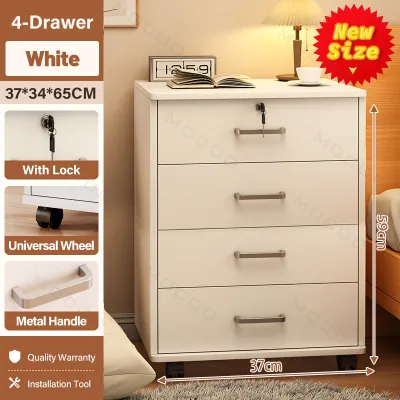
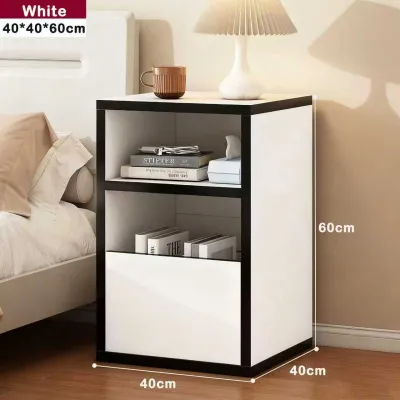
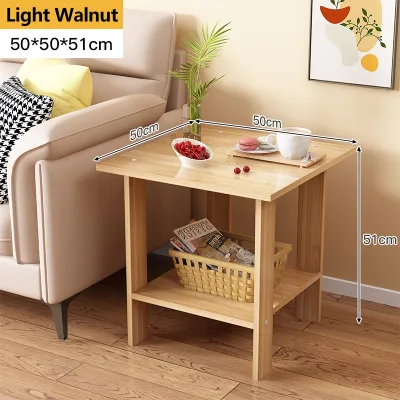
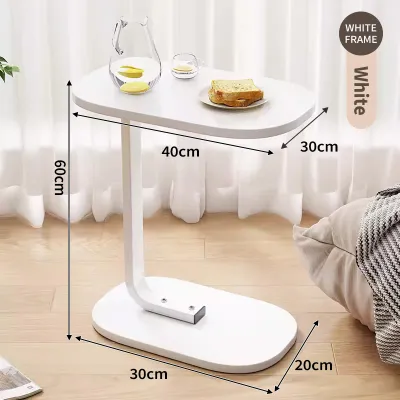
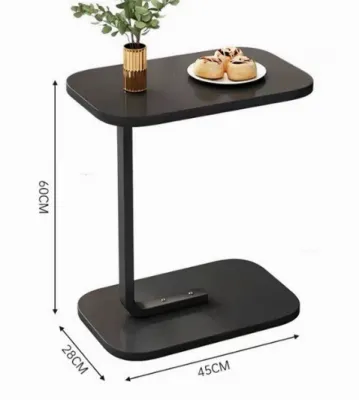
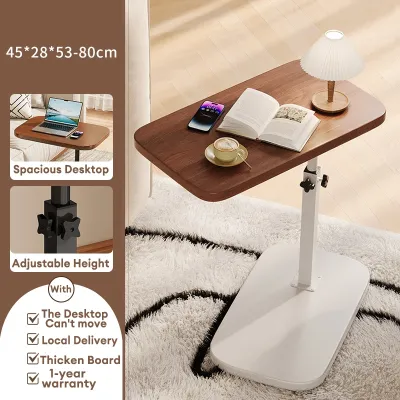
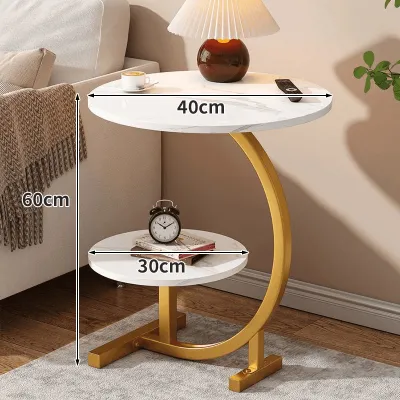
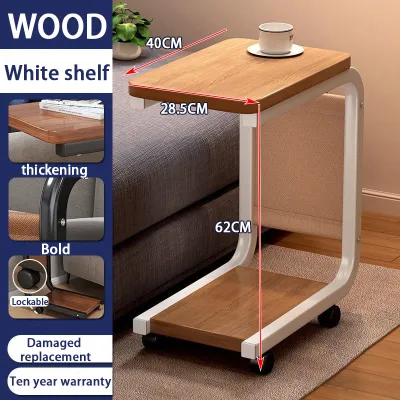
Prices are valid at publication and may change. Please refer to the product page for the latest price.
Beyond simple convenience, a well-designed sidetable enhances the overall functionality and visual calm of your sleeping environment. Eliminating physical clutter has a direct, positive impact on mental relaxation before sleep. Transitioning to a dedicated charging station helps establish a structured nighttime routine, keeping your personal sanctuary organized and peaceful.
What to Look for in a Bedside Table with Charging Ports
Selecting the right tech-enabled sidetable requires balancing aesthetic appeal with electrical safety and functional storage. Because this furniture piece connects directly to your home’s electrical system, verifying its technical specifications is just as important as measuring its physical dimensions. Understanding these critical factors ensures your investment is safe, durable, and fully compatible with your daily devices.

Charging Port Specifications and Safety
The types of charging ports built into a sidetable determine how quickly and safely your devices will power up. Standard USB-A ports are common in older or budget-friendly models, but they typically offer lower power output, often limited to 5 watts. This standard speed is suitable for overnight charging of smaller accessories like smartwatches or wireless earbuds, but it can be frustratingly slow for modern smartphones and tablets.
For faster power delivery, look for sidetables equipped with modern USB-C ports that support Power Delivery (PD) technology. These ports can output higher wattages, allowing you to quickly charge compatible smartphones, tablets, and even some laptops. If you rely on fast-charging capabilities, always check the manufacturer’s specified wattage output for each port rather than assuming all USB connections perform equally.
Electrical safety must be a primary consideration when choosing a tech-integrated sidetable. Ensure the built-in charging hub includes surge protection and overcurrent safeguards to shield your expensive electronics from sudden voltage spikes. In many regions of the Philippines, power fluctuations and sudden outages are common, making reliable surge protection an essential defense mechanism for your connected devices.
Additionally, verify that the table’s main power cord and plug type are fully compatible with local 220V electrical outlets. Using ungrounded adapters or forcing incompatible plugs into wall outlets can create electrical hazards, especially for high-draw electronics like laptops or bedside heaters. Prioritize models that feature high-quality, insulated power cords with grounded plugs, and check for recognized safety certifications to ensure the electrical components meet rigorous safety standards.
Storage Configurations for Clutter Control
The ideal storage configuration depends heavily on your personal bedtime habits and the types of items you keep near your bed. Closed drawers are highly effective for hiding visual clutter, such as medications, journals, eye masks, and spare charging cables. If you prefer a clean, uncluttered look, a sidetable with two or three deep drawers allows you to tuck everything away out of sight, preserving a tidy bedroom aesthetic.
Conversely, open shelves offer quick, unobstructed access to items you use frequently throughout the night or immediately upon waking. An open shelf is perfect for stacking books, placing a glass of water, or keeping your glasses within easy reach. Many readers find a hybrid design—featuring a single drawer at the top and an open shelf below—provides the perfect balance of concealed storage and quick-access convenience.
Before purchasing, always check the internal dimensions of the drawers to ensure they can comfortably accommodate your specific devices. If you plan to store and charge a tablet, an e-reader, or a journal inside a drawer, verify that the width and depth are sufficient to prevent these items from getting wedged or damaged. Some advanced sidetables feature dedicated cable routing holes or internal channels that allow you to feed charging wires directly into the drawers, keeping your devices completely hidden while they power up.
Best Sidetable Styles for Your Storage and Space Needs
Bedrooms come in all shapes and sizes, meaning a sidetable that works perfectly in a spacious master bedroom might overwhelm a compact studio apartment. Matching the style and form factor of your nightstand to your physical space and lifestyle is key to creating a functional layout. Exploring different design categories helps you identify the best solution for your specific spatial constraints.
Compact Drawer Nightstands for Small Spaces
For bedrooms with limited floor space, such as urban condominiums or smaller guest rooms, compact drawer nightstands offer an efficient solution. A slim-profile sidetable with a narrow footprint fits easily into tight corners or narrow gaps between the bed and the wall. These compact designs maximize vertical space, utilizing stacked drawers to provide ample storage without occupying a large physical footprint on your floor.
Floating or wall-mounted sidetables are another excellent option for tight spaces, as they leave the floor underneath completely clear. This open floor space not only makes the room feel larger but also simplifies cleaning and vacuuming. Many floating models feature integrated charging stations on the top surface or tucked discreetly underneath, combining modern tech convenience with a weightless, minimalist aesthetic.
When planning a compact setup, accurate measurements are crucial to ensure smooth daily operation. Measure the exact clearance between your mattress edge and the adjacent wall, and compare this to the width of the sidetable. Additionally, ensure there is sufficient clearance in front of the table so that drawers can open fully without hitting the bed frame, wardrobe doors, or other nearby furniture.
Open-Shelf and Cabinet Designs for Easy Access
Open-shelf sidetables are highly favored by avid readers and those who appreciate a light, airy design aesthetic. The absence of solid drawer fronts allows light to pass through, which can make a small bedroom feel more open and spacious. This layout makes cable management straightforward, as you can easily thread charging cords through the open back or sides of the shelves to reach your devices.
Cabinet-style nightstands, which feature a single hinged door opening to a larger internal compartment, offer a practical middle ground. This design is highly effective for storing bulkier items that do not fit well in standard drawers, such as tissue boxes, humidifiers, or large books. The solid door completely conceals the contents, keeping your bedroom looking neat while providing substantial internal storage volume.
Before loading an open-shelf or cabinet sidetable with heavy items, always verify the manufacturer’s specified weight capacity for each shelf. Placing heavy hardcover books, ceramic lamps, or heavy decorative objects on a shelf that exceeds its weight limit can cause the material to sag or warp over time. Ensuring the structural integrity matches your storage needs prevents damage to both the furniture and your valuable electronics.
Multi-Functional Tables with Hidden Compartments
For those who want to completely conceal their technology, multi-functional sidetables with hidden compartments offer an innovative solution. These tables often feature lift-top mechanisms or sliding panels that glide open to reveal deep storage wells and integrated charging stations. When closed, the top surface remains completely flat and uncluttered, presenting a clean, traditional wooden or laminate appearance.
Because these designs rely on moving parts, paying close attention to the quality of the hardware is essential for long-term durability. Look for sidetables equipped with sturdy steel hinges, smooth ball-bearing drawer slides, or soft-close mechanisms that prevent slamming. High-quality hardware ensures that sliding panels and lift-tops operate smoothly and quietly, which is particularly important in a quiet bedroom environment.
It is worth noting that multi-functional tables with complex mechanical parts often require more assembly time and precise alignment during setup. If the panels are not aligned correctly, the sliding mechanisms may stick, or the hidden charging ports may become difficult to access. Following the manufacturer’s assembly instructions carefully and tightening all fasteners securely will ensure the table functions smoothly and remains stable for years to come.
How to Set Up and Maintain Your Tech Nightstand Safely
Once you have selected and assembled your tech-integrated sidetable, proper setup and regular maintenance are vital to ensure electrical safety and prolong the life of the furniture. This is especially true in tropical environments like the Philippines, where high humidity, dust, and temperature variations can impact both wood and electrical components. Taking a few proactive steps will keep your bedside charging station safe and efficient.
Effective cable management is the first step in a safe setup. Use velcro ties, cable clips, or fabric sleeves to bundle excess wire length behind the sidetable, keeping cords tight and off the floor. This prevents pets from chewing on live wires, reduces dust accumulation, and ensures that the main power cord is not pinched between the back of the table and the wall, which could damage the internal insulation.
In humid tropical climates, dust and moisture can combine to create a conductive layer inside open charging ports, increasing the risk of corrosion or short circuits. To prevent this, perform routine maintenance by using a can of compressed air or a soft, dry brush to gently clear dust, lint, and debris from the USB ports and AC outlets. Never use damp cloths, liquid cleaners, or metal objects like paperclips to clean electrical ports, as this can permanently damage the contacts or cause an electrical shock.
Periodically inspect the main power cord for any signs of wear, fraying, or damage from friction or household pests. Ensure the sidetable remains level and stable on your bedroom floor, adjusting the built-in leveling feet or adding felt pads if necessary. A stable, wobble-free table prevents heavy lamps or water glasses from shifting when you reach for your phone in the dark, protecting both your electronics and your peace of mind.
Frequently Asked Questions (FAQ)
Can I use a bedside table with built-in USB ports for fast charging?
Most built-in USB-A ports on standard bedside tables provide a basic 5W output, which charges devices slowly and is best suited for overnight use. If you require fast charging for modern smartphones or tablets, look for sidetables equipped with USB-C Power Delivery (PD) ports that specify higher wattage outputs. Alternatively, you can choose a sidetable with built-in standard AC outlets, allowing you to plug in your device’s original fast-charging wall adapter directly.
Are tech-enabled sidetables safe to use overnight?
Tech-enabled sidetables from reputable manufacturers are safe for overnight use, provided they feature built-in surge protection, overcurrent safeguards, and proper electrical certifications. To ensure maximum safety, keep the charging area well-ventilated and avoid covering charging devices with pillows, blankets, or books, which can trap heat and cause overheating. It is also wise to unplug the sidetable’s main power cord from the wall outlet during severe electrical storms or when leaving your home unoccupied for extended periods.

Community discussion
Share your experience or ask a question. Comments are reviewed before publication.