
Choosing the right container storage organizer for a house move in the Philippines requires matching the container’s structural design to the specific physical needs of your belongings. A successful transition depends on protecting items from tropical humidity, sudden downpours during transit, and the physical stress of bumpy roads. Instead of relying on flimsy cardboard boxes that can sag or tear when exposed to moisture, investing in dedicated plastic or fabric storage organizers ensures your clothes, kitchenware, books, and fragile items arrive intact.
By evaluating structural integrity, latch security, and material thickness, you can build a reliable packing system. This guide outlines how to select, verify, and stack different container types to streamline your moving process and safeguard your household investments.
Key Features to Check Before Buying Moving Containers
Before purchasing any container storage organizer, you must establish baseline criteria based on structural integrity, handling features, and manufacturer specifications. Do not assume all plastic bins are built to withstand the physical demands of vehicle transit. Whether you are comparing price tags in ₱ at local home improvement stores or browsing online marketplaces, prioritizing structural quality over the lowest price ensures your belongings remain safe.
Products mentioned in this guide
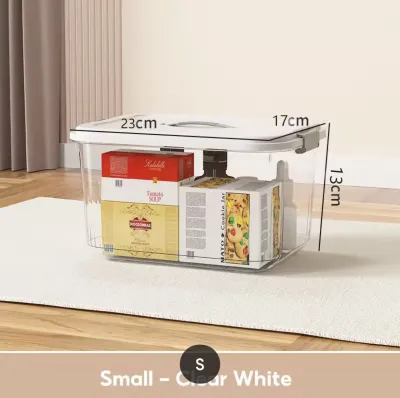

Prices are valid at publication and may change. Please refer to the product page for the latest price.
First, verify the weight capacity and stacking limits explicitly stated on the product labels or manufacturer specifications. High-quality containers designed for heavy-duty use typically display these limits clearly, helping you avoid structural failures when bins are piled high in a moving truck.
Next, evaluate the handle ergonomics and latch security. Look for molded, recessed handles that provide a comfortable grip without compromising the container’s interior space. Secure latches—such as heavy-duty snap locks or hinged buckle closures—are essential to keep lids firmly attached during lifting, carrying, and sudden shifts in transit.
Inspect the material thickness and base reinforcement indicators. A reinforced base with a grid pattern or molded ribs distributes weight more evenly and prevents the bottom from bowing under dense loads. Thicker walls resist cracking when other items press against them in a tightly packed vehicle.
Finally, check the external dimensions against your available storage and transit space. Measure your doorways, hallways, and the cargo area of your moving vehicle to ensure the containers can pass through easily and fit side-by-side without wasting valuable space.
Best Container Types for Packing Clothes and Linens
Packing garments, bedding, and delicate fabrics in a tropical climate requires special attention to moisture control, dust prevention, and space optimization. High humidity and sudden rain showers can easily ruin fabrics if they are not stored in the correct container storage organizer.

Compare manufacturer specifications for moisture resistance and airflow based on your specific transit and storage environment. For long-term storage or transit in open-air vehicles, airtight plastic containers with rubberized gaskets along the lid seal offer the best defense against damp air, insects, and dust ingress.
If space optimization is your priority, assess the container’s compatibility with vacuum storage bags. You can compress bulky items like pillows, blankets, and seasonal wear inside vacuum bags before placing them into rigid plastic bins. This combination maximizes interior space while providing a double layer of protection against environmental factors.
Verify the lid seal designs to prevent dust ingress during loading and unloading. Even a brief walk from your home to the moving truck can expose your clothes to road dust and soot. A tight-fitting lid that snaps securely at multiple points ensures that no external debris can slip inside.
For lightweight, compressible items where rigid stacking is not required, consider soft-sided fabric bins with structured internal frames. These organizers often feature zippered openings and clear viewing windows, making them highly convenient for organizing clothes by season or family member. While they should not be placed at the bottom of a heavy stack, they fit perfectly into tight overhead spaces or on top of rigid plastic bins.
Best Container Types for Kitchenware and Fragile Items
Kitchenware, ceramics, glassware, and other breakable items require rigid, secure container styles that minimize internal shifting and absorb physical shocks during transit. The bumpy roads and frequent stops typical of local transit demand a highly protective packing strategy.
Look for rigid plastic containers with secure latching mechanisms and verify the base rigidity. A sagging container bottom can cause delicate plates and bowls to shift, press against each other, and crack. Choose heavy-duty utility totes with reinforced corners and thick, unyielding bases that remain perfectly flat even when fully loaded with heavy stoneware.
Plan for internal dividers, cell kits, or adequate cushioning materials to immobilize fragile items inside the container. Standard plastic bins can be retrofitted with cardboard grid dividers designed for glassware, or you can wrap each item individually in bubble wrap, packing paper, or clean kitchen towels. The goal is to eliminate all empty space so that nothing moves when the container is tilted or shaken gently.
Avoid using overly large containers for heavy kitchenware. While it may be tempting to pack all your plates into a single massive bin, doing so can easily exceed safe lifting weights, making the container difficult to carry and increasing the risk of accidental drops. Opt for medium-sized containers that keep the total weight manageable for a single person.
Check the interior surfaces of the container for smooth finishes. Rough plastic seams, exposed rivets, or sharp molding lines can snag protective wrapping or scratch delicate glazes and glassware. A smooth interior ensures that your packing materials remain intact and your items stay scratch-free.
Best Container Types for Books and Heavy Documents
Books, files, and paper documents are deceptively heavy when packed together. Using the wrong container storage organizer for these items often leads to handle failures, bottom blowouts, and physical strain during lifting.
Prioritize small-footprint, reinforced crates or bins over large general-purpose containers to manage extreme density. Small, heavy-duty plastic crates distribute the weight of books into manageable, compact loads. This prevents you from creating a single, unliftable box that could break under its own weight.
Inspect the handle attachment points and structural seams for tear resistance under high-weight conditions. Look for integrated, molded handles that are part of the container’s main body rather than separate pieces snapped on afterward. These integrated designs are far less likely to shear off when you lift a bin filled with heavy novels or reference manuals.
Review manufacturer guidelines regarding wheeled containers for extremely dense loads. If you plan to use rolling plastic bins to transport heavy documents, ensure that the axle, wheels, and pulling handle are rated for the specific weight. Flimsy plastic wheels can easily crack or warp under the pressure of a full load of books, rendering the rolling feature useless.
Ensure the container shape allows for tight, stable packing without excessive empty space. Rectangular bins with straight, vertical walls are ideal for books, as they allow you to stack volumes flat or spine-to-spine without leaving awkward gaps that cause shifting during transit. Fill any remaining small gaps with crumpled packing paper to keep the contents perfectly stationary.
Stacking and Safety Checks for Packed Containers
Once your containers are packed, organizing them safely inside your home and the moving vehicle is crucial to prevent tip-overs, crushed items, and physical injuries. Proper weight distribution and structural alignment are the keys to a secure stack.
Align container lids and bases according to the manufacturer’s stacking guidelines. Many high-quality container storage organizers feature molded grooves on their lids that perfectly match the footprint of the base above them. This interlocking design prevents containers from sliding off one another when the moving vehicle turns or brakes suddenly.
Distribute weight evenly within each bin and place heavier containers at the bottom of any stack. Never place a heavy bin of books on top of a lightweight container of clothes, as this will crush the lower lid and cause the entire column to collapse. Keep the heaviest items centered at the bottom of the vehicle’s cargo area to maintain a low center of gravity.
Implement a clear, visible labeling system for contents, weight warnings, and destination rooms. Use waterproof markers or adhesive labels on multiple sides of each container so that the information is readable even when the bins are stacked. Mark heavy containers clearly with a “HEAVY” warning to protect the backs of anyone helping you move.
Stop stacking and consult the manufacturer’s maximum stack height or weight limits if the structure feels unstable or bows outward. If you notice any lid flexing, wall bulging, or leaning in your container columns, disassemble the stack immediately and redistribute the weight. Safety should always take priority over saving floor space.
Frequently Asked Questions (FAQ)
Can I stack different brands of plastic containers together?
Mixing different brands of plastic containers during a move is generally not recommended unless you verify their physical compatibility first. Check the lid and base dimensions to ensure they align properly and do not slide around. Without interlocking grooves, a mixed stack is highly prone to shifting during transit. Verify the individual weight limits for each container, keeping in mind that a weaker lid from a different brand might collapse under a heavy load. Stop stacking immediately if the column feels unstable, shifts, or if the lids flex under pressure.
How should I clean and prepare reusable containers before packing?
Preparing your reusable container storage organizers before packing prevents damage to your belongings. Wipe down the interiors with a damp cloth and mild detergent, then ensure they are completely dry before placing any items inside. Any trapped moisture can lead to mold, mildew, and unpleasant odors, especially in humid tropical climates. Inspect each container thoroughly for existing cracks, stress marks, or weakened latches from previous moves. Discard or repurpose any damaged units that no longer meet structural safety requirements to avoid failures during transit.

Community discussion
Share your experience or ask a question. Comments are reviewed before publication.