
Selecting the right cube cases for a house move in the Philippines depends on matching the case material and structure to the specific types of belongings being transported. A successful lipat bahay requires packing solutions that can withstand tropical humidity, sudden downpours, and the physical demands of transit over varied road conditions. By evaluating key features, comparing material types, and planning capacities systematically, you can ensure a smooth, organized, and damage-free relocation.
Using a standardized cube case system simplifies the packing process by creating uniform units that are easier to stack, load, and unpack. Unlike irregular bags or flimsy cardboard boxes that can collapse under pressure, a well-chosen cube case provides predictable dimensions and structural integrity. This guide explores the essential features to look for, categorizes the best case types for different household items, and provides practical strategies for sizing, budgeting, and safe transit.
Key Features to Evaluate When Buying Cube Cases for Moving
When preparing for a move, not all storage containers are built to handle the physical stress of being lifted, stacked, and transported in a moving vehicle. The first structural element to evaluate is the stackability mechanism of the cube case. Look for cases designed with deep interlocking lids and matching reinforced rims on the base. These features prevent cases from shifting laterally when the moving truck encounters sudden stops, turns, or uneven road surfaces. Without these interlocking designs, stacked containers can easily slide off one another, causing damage to fragile contents.
Products mentioned in this guide
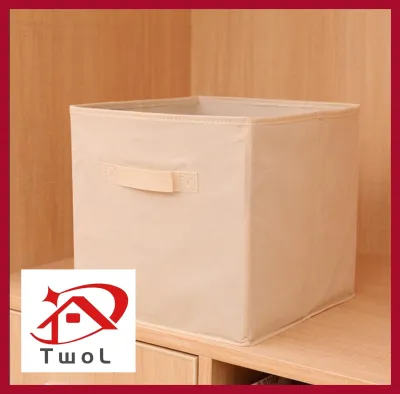
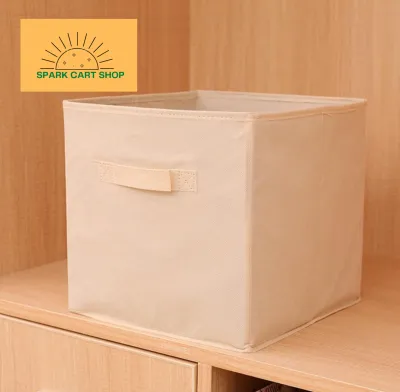
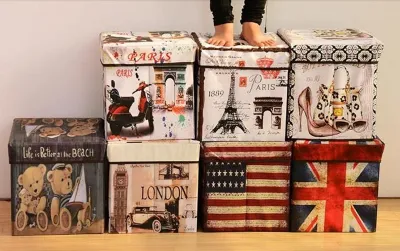
Prices are valid at publication and may change. Please refer to the product page for the latest price.
Handle ergonomics and placement are equally critical for safe handling during a move. Fully loaded cases can become extremely heavy, making comfortable, secure grips essential to prevent accidental drops and physical strain. Look for molded, recessed handles that are integrated directly into the body of the case rather than flimsy, attached handles that can snap under tension. The handles should be wide enough to accommodate gloved hands and positioned to distribute weight evenly, allowing for a balanced lift.
Material thickness and impact resistance are key indicators of how well a cube case will protect your belongings from external forces. Instead of relying on visual estimates or assuming all plastic is equally durable, always check the manufacturer’s specifications for material composition, such as high-density polyethylene (HDPE) or impact-resistant polypropylene. Look for reinforced corners and ribbed wall designs, which add structural strength without significantly increasing the empty weight of the container.
Finally, consider latch security and weather protection, especially given the unpredictable tropical weather in the Philippines. Heavy downpours can quickly ruin packed items if water penetrates the container. Prioritize cases with heavy-duty, snap-lock latches or clamp closures that seal the lid tightly against the body. For items highly sensitive to moisture or dust, look for cases featuring an integrated rubber gasket or weather strip along the rim, which provides a superior barrier compared to standard, loose-fitting snap lids.
Recommended Cube Case Types Based on Item Categories
No single cube case type is universally suitable for every item in your household. The ideal choice depends entirely on the weight, fragility, and compressibility of the contents you plan to pack. Categorizing your belongings beforehand allows you to match each item type with a container designed to support its specific physical characteristics.

Heavy-Duty Plastic Cases for Dense and Fragile Items
Heavy-duty plastic cube cases are the standard for transporting dense, heavy, or highly fragile household items. These rigid containers are ideal for packing books, kitchenware, heavy tools, and valuable electronics that require maximum impact protection. The rigid walls act as a protective shield, absorbing external shocks and preventing external pressure from crushing the delicate items inside.
When selecting these cases, perform a thorough structural check of the container’s design. Look for reinforced bases that do not bow or flex when the case is lifted, as a flexing base can put pressure on the items inside and cause the lid to pop open. Secure, heavy-duty latches and ribbed walls are essential features that provide the necessary crush resistance to support the weight of other containers stacked on top of them during transit.
However, these rigid cases have distinct limitations and safety considerations that must not be overlooked. Because plastic does not compress, overpacking dense items like books or ceramic dishes can quickly make the container too heavy to lift safely. Always verify the maximum load capacity printed on the product label or manufacturer specification sheet. Exceeding these limits can lead to structural failure of the handles or base during transport, risking both damage to your belongings and physical injury to those carrying them.
Collapsible Fabric Cases for Soft Goods and Clothing
For lightweight, compressible, and non-fragile items, collapsible fabric cube cases offer an exceptionally practical and flexible packing solution. These soft-sided containers are perfect for packing clothes, towels, bed linens, blankets, and soft toys. Because these items do not require rigid impact protection, they can be packed tightly into fabric cases, which naturally conform slightly to the shape of the contents.
One of the primary benefits of collapsible fabric cases is their space-saving design. When empty, these cases fold completely flat, allowing you to store them efficiently before the move and pack them away easily once you have unpacked in your new home. This feature is particularly valuable for smaller Filipino households or condominiums where storage space is at a premium. Additionally, fabric cases are generally much lighter than their plastic counterparts, reducing the overall weight of your load.
Despite their convenience, fabric cases have clear structural constraints that dictate how they must be used. They lack the rigid framework necessary to protect fragile goods from being crushed, and they cannot support heavy loads stacked on top of them. To prevent damage, never place collapsible fabric cases at the bottom of a stack in the moving vehicle. Instead, reserve them for the top layers of your cargo, or place them in designated areas where they will not be subjected to heavy downward pressure.
Clear or Semi-Transparent Cases for Quick Inventory Access
Clear or semi-transparent plastic cube cases are highly effective for organizing items that you need to access immediately before, during, or right after your move. These cases are ideal for packing essential documents, daily toiletries, medications, basic tools, chargers, and change of clothes. By using transparent containers for these critical items, you can locate what you need at a glance without having to open multiple sealed boxes.
The primary advantage of clear cases is inventory efficiency. During the chaotic unpacking phase of a move, being able to see the contents of a container saves significant time and reduces stress. It allows you to prioritize which cases to unpack first and helps ensure that essential items are never misplaced or buried deep within a stack of opaque boxes.
However, transparent materials come with specific trade-offs, particularly regarding light and heat exposure. Clear plastic does not provide UV protection, meaning that prolonged exposure to direct sunlight during transit or storage can damage sensitive papers, electronics, or medications. To mitigate this risk, use opaque fabric liners inside the clear cases for sensitive items, or store these containers in shaded areas of the moving vehicle. Alternatively, reserve clear cases strictly for non-sensitive daily necessities.
Sizing, Capacity, and Quantity Planning for Your Move
A successful move requires careful planning of case dimensions and quantities to optimize space and prevent packing inefficiencies. When choosing cube cases, consider their long-term utility by matching their dimensions to the standard shelving units, closets, or under-bed storage spaces in your new home. Selecting cases that fit these spaces ensures that your investment continues to provide value as permanent storage solutions long after the move is complete.
To plan the quantity of cases needed, use a systematic volume calculation strategy based on the size of each room and the category of items. Rather than relying on fixed estimates, calculate the approximate volume of your belongings by measuring representative stacks of items. For example, measure a stack of books or folded clothes to determine how many standard-sized cube cases will be required to house them. This variable-based approach prevents you from purchasing too many large containers that may be difficult to handle or too many small containers that increase the number of trips required.
Weight management is a critical factor in preventing damage and injury. Keep individual case weights manageable by checking the packed weight against the manufacturer’s stated limit. A good rule of thumb is to pack heavier items in smaller cube cases and lighter items in larger ones. This practice prevents the bottom of the case from breaking or the handles from detaching under excessive weight, while also ensuring that the containers can be lifted safely by a single person.
When budgeting for your packing materials, compare prices in ₱ across various online marketplaces and physical home goods stores. Look for bulk purchase discounts, which are often available when buying sets of five or ten cases. Be sure to factor in delivery fees for large, non-collapsible plastic cases, as their bulkiness can significantly increase shipping costs. Comparing these total costs beforehand helps you find the most cost-effective balance between durable plastic cases and affordable fabric options.
Safe Packing and Stacking Practices for Transit
Proper packing and stacking techniques are essential to protect your belongings and ensure the stability of the load during transit. When packing individual cube cases, always prioritize proper weight distribution. Place the heaviest items at the very bottom of the case to establish a low center of gravity, and place lighter, more delicate items on top. This arrangement prevents the case from becoming top-heavy and tipping over during handling or transport.
Internal protection is vital for preventing items from shifting and colliding inside rigid plastic cases. Use adjustable dividers, bubble wrap, packing paper, or even soft clothing and towels to fill any empty spaces within the container. Ensuring a snug fit prevents items from sliding around when the moving vehicle encounters bumps or sudden stops, which is a common cause of breakage for glassware, ceramics, and electronics.
Securing the closures of your cube cases is another critical step, particularly if the built-in latches feel loose or are prone to popping open under pressure. Apply heavy-duty packing tape across the lids and latches of plastic cases to ensure they remain sealed throughout the journey. For added security, especially when hiring external moving services, consider using tamper-evident seals or zip ties through the padlock holes if your cases are equipped with them.
When loading the moving vehicle, plan the stacking order carefully based on the crush resistance of each container type. Heavy-duty, rigid plastic cases must always form the base of your stacks, as they are designed to bear significant weight. Stack them from heaviest at the bottom to lightest as you move upward. Place collapsible fabric cases and lighter, semi-transparent containers on the very top of the stacks to prevent them from being crushed or deformed by heavier loads.
Frequently Asked Questions (FAQ)
Can I use standard storage cube cases for moving, or do I need specific moving boxes?
Standard decorative storage cube cases, such as those made of thin fabric or lightweight plastic designed for closet organization, are generally not built to withstand the physical demands of a house move. They often lack the reinforced corners, heavy-duty latches, and structural load capacity required for transit. Before repurposing standard storage cases, check the manufacturer’s weight ratings and intended use. If they lack structural reinforcement, reserve them strictly for lightweight, non-fragile items like clothing, and avoid stacking them under heavier containers in the moving vehicle.
How do I prevent plastic cube cases from cracking during transit?
To prevent rigid plastic cube cases from cracking, avoid overpacking them, which places extreme stress on the seams, corners, and latches. When a case is packed past its capacity, the plastic is forced to flex, making it highly vulnerable to impact cracks if it bumps against other items. Additionally, leave a small gap of about one to two centimeters at the top of the case, filling it with soft padding like bubble wrap or towels. This gap allows for minor compression and shock absorption, protecting both the lid and the body of the case from cracking under sudden impacts.
Are wheeled cube cases worth the investment for a house move?
Wheeled cube cases can be a highly valuable investment if your move involves transporting heavy items across long, flat surfaces, such as hallways in condominium buildings or paved driveways. They significantly reduce physical strain by allowing you to roll heavy loads instead of lifting them. However, they have notable limitations, including reduced internal storage volume due to the space occupied by the wheel housings. They can also introduce instability when stacked inside a moving vehicle, as the wheels may prevent secure interlocking, requiring extra tie-downs or strategic placement to prevent shifting.

Community discussion
Share your experience or ask a question. Comments are reviewed before publication.