
Choosing the right divider shelf for a Filipino living room (sala) requires balancing spatial zoning, visual openness, and structural stability under local tropical conditions. In open-plan layouts, these versatile furniture pieces define distinct areas—such as separating a dining area from a lounge—without blocking natural light or restricting the cross-ventilation essential for comfort. By evaluating your room’s layout, verifying manufacturer specifications for humidity resistance, and ensuring safe installation, you can select a shelf that enhances both the utility and style of your home.
Assessing Your Sala Layout and Zoning Needs
In modern Filipino homes, the living room, or sala, serves as the vibrant heart of daily life. With the rise of open-plan condominium units in urban centers and the compact layouts of multi-story townhouses, the challenge is often how to define distinct functional zones within a single, shared space. A well-chosen divider shelf offers an elegant solution, allowing you to separate your dining area from the lounge or carve out a quiet, productive home office without building permanent, claustrophobic walls.
Before selecting a shelf, it is essential to analyze how your household uses the sala. Observe the natural pathways your family takes when moving from the entrance to the kitchen, or from the seating area to the bedrooms. A poorly positioned divider can easily create a bottleneck, disrupting the natural flow of the home. To maintain comfortable movement, aim for a minimum walkway clearance of 70 to 90 centimeters around the unit, ensuring that doors, cabinets, and drawers can still open fully without obstruction.
Products mentioned in this guide
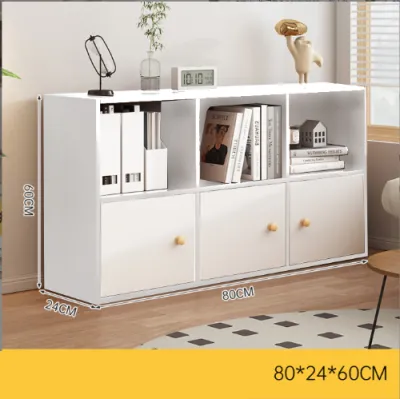
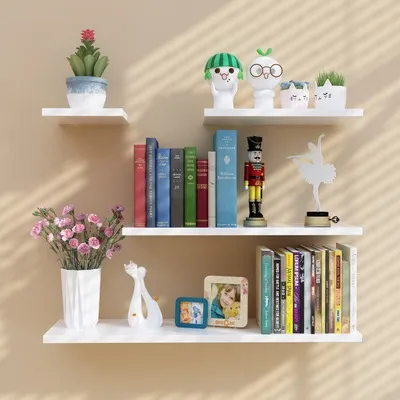
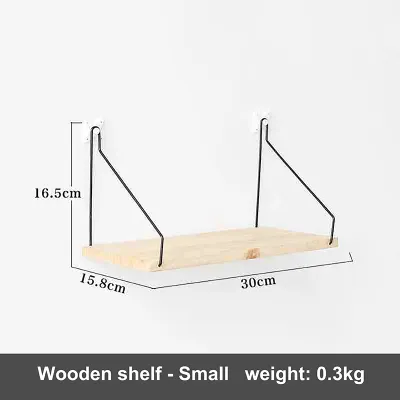
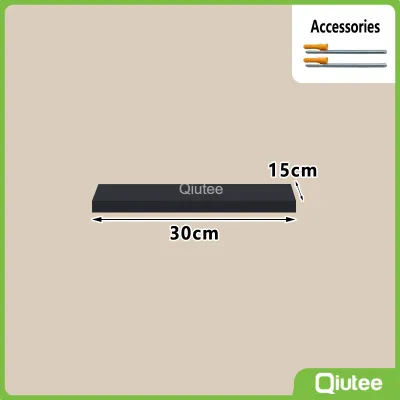
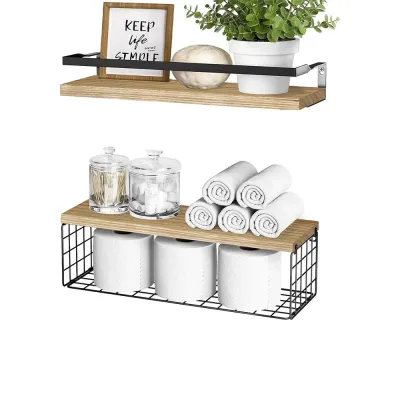
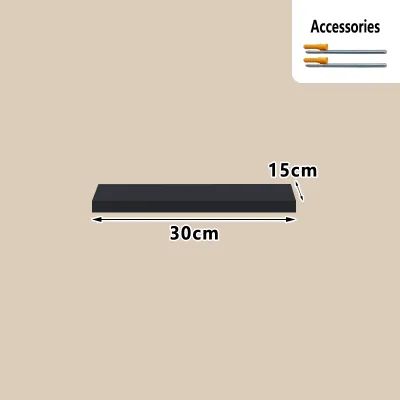
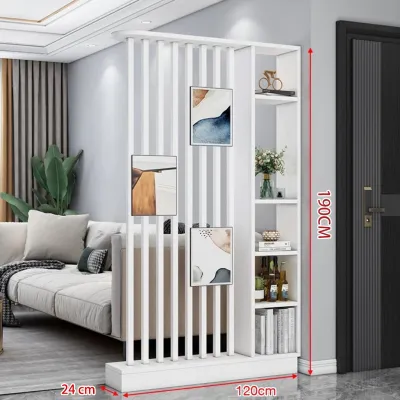
Prices are valid at publication and may change. Please refer to the product page for the latest price.
Another critical factor in tropical climates is the preservation of natural light and ventilation. Filipino homes rely heavily on cross-ventilation—utilizing seasonal breezes like the amihan and habagat—to keep indoor spaces cool and reduce reliance on air conditioning. Placing a solid, heavy bookcase directly in front of a window or in a narrow hallway can block air currents and plunge your dining or lounge area into shadow. Opting for a divider that allows light and air to pass through ensures your sala remains bright, breezy, and welcoming throughout the day.
Structural and Aesthetic Criteria for Divider Shelves
When a shelf stands in the middle of a room rather than against a wall, its structural demands change significantly. Visual permeability is the first aesthetic and functional criterion to consider. Open-back, slatted, or staggered shelving designs are highly effective because they define boundaries while keeping sightlines open. This transparency prevents the sala from feeling smaller and allows decorative items, books, and indoor plants to be appreciated from both sides of the divider.

Stability is paramount for any freestanding furniture piece. Unlike standard bookcases designed to lean against a wall, a room divider must possess excellent freestanding structural integrity. Look for units with wide, stable bases or those engineered specifically with a low center of gravity. If you are placing a tall shelf on a tiled or slightly uneven floor, verify if the unit features adjustable leveling feet to prevent wobbling. Additionally, check if the manufacturer includes specialized anti-tip hardware or floor-anchoring systems designed for freestanding placement.
The tropical climate of the Philippines introduces high humidity levels, which can severely affect furniture longevity. When evaluating materials, do not rely solely on generic names like wood or metal. Instead, carefully inspect the manufacturer’s care labels and specifications for moisture and humidity resistance. Engineered woods like medium-density fiberboard (MDF) or particleboard should feature high-quality laminates or water-resistant veneers to prevent swelling and warping. For metal frames, verify that they have been treated with rust-resistant powder coatings to withstand humid air, especially in coastal areas or homes without continuous climate control.
Finally, always match the manufacturer’s stated weight capacity limits to your intended use. Overloading a shelf not only causes unsightly sagging but also compromises the structural integrity of the entire unit. Before purchasing, list the items you plan to store—such as heavy reference books, ceramic pots, or electronic devices—and compare their combined weight against the load ratings specified for each shelf level.
Divider Shelf Styles for Different Space Constraints
Different sala layouts require distinct shelving configurations to maximize both utility and style. Freestanding open-back bookcases are perhaps the most popular choice for medium to large living rooms. These units provide a clear, architectural boundary between zones while acting as a double-sided display. Because they lack a solid back panel, they allow light to filter through effortlessly, making them an excellent choice for separating a dining table from a sofa set without making either space feel cramped.
For smaller apartments or tight studio units, ladder and leaning shelves offer a sleek, space-saving alternative. While traditional leaning shelves rely on a wall for support, freestanding ladder-style units feature an A-frame design that provides stability while maintaining a very small footprint. These shelves typically taper toward the top, which naturally keeps the visual weight low and prevents the room from feeling crowded. However, because of their narrow top shelves, they require careful weight distribution and strict anchoring to prevent tipping if bumped.
Modular cube storage units provide unmatched flexibility for dynamic households. These systems allow you to customize the height, width, and overall shape of your divider to fit your exact spatial constraints. You can stack them low to create a subtle boundary, or build them higher in a stepped, asymmetrical pattern that mimics the slope of a staircase. This modularity is particularly useful if you rent your home, as the shelves can be easily disassembled, reconfigured, or expanded to fit a completely different layout in your next residence.
If you prefer to maintain an uninterrupted view across your entire sala while still defining separate zones, console-height shelves are an ideal option. Standing at roughly the same height as the back of a sofa, these low-profile units provide a clear physical boundary without blocking any visual continuity or natural light. The top surface of a console shelf serves as a highly functional utility area—perfect for placing keys, charging phones, or displaying a low-profile table lamp—while the lower shelves offer discreet storage for books, baskets, or media accessories.
Measuring, Delivery, and Safe Installation Checklist
A successful furniture addition relies on precise preparation before the unit even arrives at your doorstep. Begin by measuring your sala’s ceiling height and the exact floor area where the shelf will stand. Use painter’s tape to outline the footprint of the proposed divider on the floor; this simple visual aid helps you experience the remaining walkway clearance and adjust the positioning before making a purchase. Remember to account for baseboards, light switches, and wall outlets that might be covered or obstructed by the unit.
Delivery logistics are frequently overlooked but can present major obstacles, particularly in high-rise condominiums or tight urban subdivisions. Verify the dimensions of all entry points, including elevator doors, narrow stairwells, low ceilings, and hallway corners. If you are purchasing a pre-assembled unit, ensure it can physically clear these tight spaces. For flat-pack furniture, confirm that you have a clear, flat assembly area in your home and check whether the package weight requires multiple people to lift safely.
Safe installation is the most critical step in the process. If your chosen divider shelf requires wall anchoring for stability, you must identify your wall type to select the correct fasteners. Concrete and solid brick walls, common in Filipino homes, require masonry drill bits and heavy-duty plastic or metal wall plugs. Drywall or hollow block walls, on the other hand, demand specialized toggle bolts or hollow-wall anchors. Never attempt to secure a heavy shelf using standard wood screws driven directly into plaster or drywall without a stud or proper anchor.
If you encounter complex installation instructions, find that your floors are significantly uneven, or feel unsure about drilling into your walls, stop immediately. Consulting a qualified local carpenter or professional handyman ensures the unit is mounted securely, protecting your household from potential structural failures. Taking the time to secure the unit properly guarantees peace of mind, especially in a region prone to seismic activity.
Styling and Balancing Your Divider Shelf
Once your divider shelf is securely installed, styling it correctly is essential to maintain both its physical safety and its aesthetic appeal. The golden rule of shelving safety is to distribute weight evenly, always placing your heaviest items—such as large books, heavy ceramic planters, or storage boxes—on the lowest shelves. This practice lowers the unit’s center of gravity, significantly reducing the risk of accidental tipping. Reserve the upper shelves for lighter decorative items, small paperbacks, or lightweight framed photos.
To prevent your divider from looking like a cluttered, solid barrier, embrace the concept of negative space. Avoid packing every shelf tight with items; instead, leave open gaps that allow light and sightlines to pass through. A good rule of thumb is to keep about thirty percent of the shelf space empty. This breathing room not only makes the display look more intentional and sophisticated but also preserves the open, airy feel of your sala.
Incorporating natural elements is an excellent way to soften the hard lines of a wooden or metal shelf. Low-maintenance indoor plants, such as pothos, snake plants, or ZZ plants, thrive well in indirect indoor light and add a vibrant touch of nature to your living space. Position trailing plants on middle or upper shelves where their vines can drape elegantly down the sides, taking care to use waterproof saucers underneath pots to protect the shelf finish from water damage. You can also place small, warm-toned lamps or battery-operated LED candles on the shelves to create a cozy ambiance and clearly define the separate zones during the evening.
Finally, always adhere strictly to the manufacturer’s maximum load limits per shelf. Regularly inspect the shelves for any signs of bowing or stress, and redistribute or remove items if you notice any sagging. By balancing weight distribution with thoughtful styling, your divider shelf will serve as both a safe, functional organizer and a beautiful focal point in your home.
Frequently Asked Questions (FAQ)
Can I use a standard wall bookcase as a freestanding divider?
Standard wall bookcases are engineered to have their weight supported by a wall, meaning they often feature narrow bases and a high center of gravity that makes them unstable when placed in the middle of a room. Repurposing a standard bookcase as a freestanding divider is highly discouraged unless the manufacturer explicitly states it is safe for freestanding use. If you must use a standard unit, you must secure it using heavy-duty anti-tip kits anchored to a nearby solid wall or structural column, and ensure the floor is perfectly level. Avoid using any units that lack a solid back panel or are labeled as wall-mount only, as they can easily collapse or tip over under lateral pressure.
How do I ensure a freestanding divider shelf is safe around children or pets?
To ensure maximum safety in households with active children or pets, you must secure the freestanding shelf using manufacturer-provided anti-tip straps or brackets anchored directly into wall studs or solid concrete structures. Keep all heavy items, such as large books or heavy storage bins, strictly on the bottom shelves to maintain a low center of gravity. Avoid placing tempting items, like toys, remote controls, or pet treats, on higher shelves where children or pets might be tempted to climb or reach for them. Regularly check the unit to ensure all screws remain tight, the footing is perfectly stable, and there are no sharp edges or loose panels that could cause injury during accidental bumps.

Community discussion
Share your experience or ask a question. Comments are reviewed before publication.