
Selecting the right drawer rack organizer for a move depends entirely on the specific items you need to pack. For delicate, small, or easily tangled items, adjustable dividers and compartmentalized trays are the most effective solutions because they prevent shifting and friction during transit. For heavier, bulkier, or high-density belongings, heavy-duty stackable drawer racks and deep latching bins provide the necessary structural support to withstand the physical demands of transport.
Planning a successful “lipat bahay” (moving house) in the Philippines requires careful attention to logistics. Between navigating bumpy provincial roads, managing metropolitan traffic, and handling high tropical humidity, your belongings undergo significant stress during a move. Matching the correct style of drawer organizer to your specific household items prevents costly damage, keeps your packing structured, and saves hours of sorting when you unpack at your new home.
How to Choose the Right Drawer Rack Organizer for Your Move
Before purchasing new organizers or packing up your existing ones, you need a clear evaluation framework. A systematic approach ensures that your organizers fit your furniture, support your items, and survive the physical journey in the moving truck.
Products mentioned in this guide
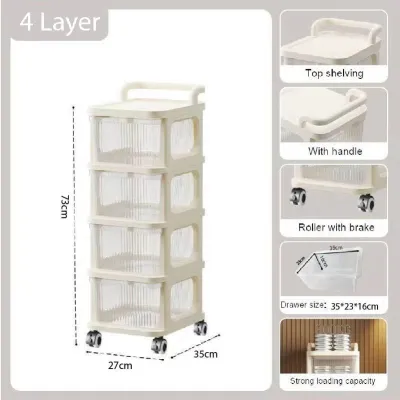
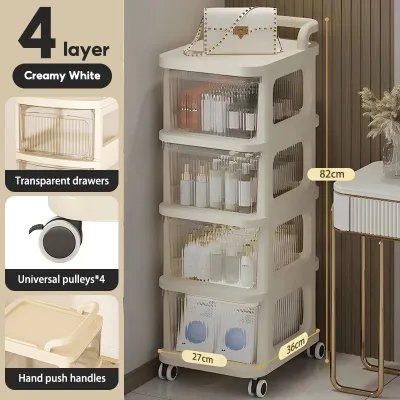
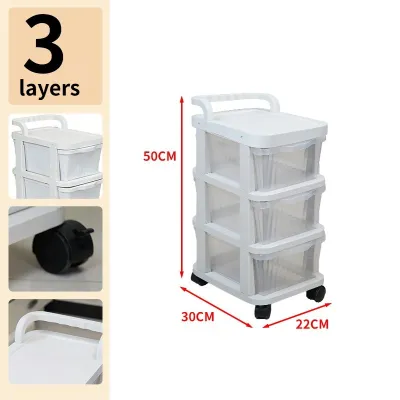
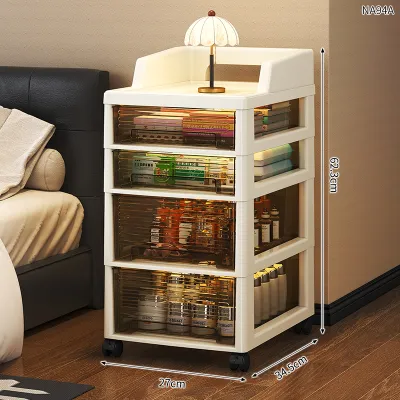
Prices are valid at publication and may change. Please refer to the product page for the latest price.
Assess Your Items
Begin by grouping your belongings by weight, fragility, and physical dimensions. Heavy kitchen utensils, hand tools, or dense books require rigid containment that will not flex under pressure. Conversely, delicate cosmetics, jewelry, or glassware require soft cushioning or tight, customized compartments to prevent them from colliding. Knowing the exact inventory of what you need to pack prevents you from buying organizers that are either too fragile or unnecessarily bulky.
Measure and Verify
Never rely on visual estimates when preparing for a move. Use a tape measure to record the exact interior width, depth, and height of your drawers, as well as the clearance height—the space between the drawer bottom and the upper cabinet frame. Compare these measurements directly with the external dimensions of the drawer rack organizer. A poorly fitted organizer leaves empty gaps that allow items to slide during transit, or it may prevent the drawer from closing properly, which can ruin the structural alignment of your furniture.
Material and Structural Checks
It is a common misconception that certain materials are inherently durable while others are weak. For example, a bamboo organizer is not automatically superior to a plastic one, nor is metal wire always stronger than solid wood. Instead of assuming performance based on material names, inspect the product packaging or manufacturer specifications for explicit load capacity ratings, joint construction quality, and surface treatments.
In the humid climate of the Philippines, untreated wood or low-grade metal can warp, swell, or rust. Look for moisture-resistant coatings on wooden organizers and powder-coated finishes on metal racks. If you are using plastic organizers, check for reinforced corners and thick-walled construction to ensure they will not crack under the weight of stacked items.
Portability Features
Moving requires constant lifting, carrying, and stacking. Look for organizers with built-in, ergonomic handles that allow you to lift the entire unit out of a drawer without spilling its contents. Secure latching lids are highly valuable for transit, as they keep items sealed inside even if the organizer is tilted on a loading ramp. For larger setups, seek out interlocking stackability features, such as molded top grooves or peg-and-hole connectors, which keep stacked units firmly aligned inside the moving vehicle.
Recommended Dividers and Trays for Fragile and Small Items
Fragile, small, or highly detailed belongings require specialized organization to prevent breakage, tangling, or loss during a move. Standard open boxes are rarely sufficient for these delicate categories.

Adjustable Dividers
Adjustable dividers are highly recommended for glassware, ceramics, perfumes, and odd-shaped fragile items. These organizers typically feature spring-loaded tension mechanisms or interlocking slots that allow you to customize the size of each compartment to match the item. When installing adjustable dividers for a move, ensure they are pressed tightly against the drawer walls. Any loose play or wiggle room can cause the dividers to collapse under the pressure of shifting cargo, leading to broken glassware or chipped ceramics. For maximum safety, wrap each fragile item in bubble wrap or packing paper before placing it inside its customized divider compartment.
Compartmentalized Trays
Compartmentalized trays are the ideal choice for jewelry, small electronics, chargers, sewing supplies, and loose hardware like screws or nails. Because these items are small and easily scattered, look for trays that feature secure, snap-on lids. If you are using open-top trays, wrap the entire tray tightly in multiple layers of furniture-safe stretch wrap before packing it. This containment step ensures that even if the tray is turned upside down or tilted during the physical carry, every tiny screw, earring, or cable remains securely in its designated compartment.
Limitations of Dividers and Trays
While dividers and trays excel at keeping small items neat, they have strict structural limitations. They are not designed to support heavy tools, thick textbooks, or dense kitchen appliances. Placing heavy items in thin plastic trays can cause the plastic to flex and crack under stress, while overloading thin wooden dividers can warp or break the slots where the pieces connect. Keep these organizers reserved strictly for lightweight, delicate, or highly organized categories.
Recommended Stackable Racks and Bins for Heavier Items
Heavier household goods require robust storage solutions that can bear significant weight without bending, collapsing, or creating safety hazards for the moving crew.
Stackable Drawer Racks
For dense items such as books, pantry staples, canned goods, tools, or heavy winter clothing, stackable drawer racks are the most reliable option. These units function as independent drawers that slide out from a self-supporting frame, allowing you to stack multiple units vertically to save floor space. Before buying, verify the manufacturer’s stated weight limits for both the individual drawers and the entire stacked assembly. Ensure that the interlocking mechanisms—such as molded grooves or metal pins—are fully engaged. Unsecured stacks can easily slide apart when the moving vehicle accelerates, brakes, or turns a corner.
Deep Bins with Handles
Deep bins with integrated handles are best suited for linens, blankets, children’s toys, and irregular, bulky items. These bins allow you to consolidate a large volume of goods into a single, manageable package. When selecting deep bins for a move, prioritize models with heavy-duty latching lids. A lid that clips or latches firmly onto the base prevents the bin from popping open if it is squeezed against other cargo in the moving truck. The integrated handles also ensure that movers can maintain a secure grip, reducing the risk of accidental drops.
Limitations and Safety
Heavy loads require careful weight distribution to prevent structural failure and physical injury. Never place your heaviest stackable racks on top of lighter ones; always place the heaviest items at the bottom of the stack to maintain a low center of gravity. Overloading stackable racks can lead to the structural collapse of the bottom unit or create a serious tipping hazard when lifting. If a stack feels unstable or top-heavy, separate the units and transport them individually.
Quick Comparison: Drawer Organizer Styles for Moving
To help you finalize your selection, the table below compares the primary drawer organizer styles based on their structural features, ideal use cases, and physical limitations.
| Organizer Style | Best For | Key Features to Check | Limitations |
|---|---|---|---|
| Adjustable Dividers | Glassware, ceramics, cosmetics, odd-shaped fragile items | Tension strength, slip-resistant ends, secure locking slots | Not suitable for heavy items; can collapse under high pressure |
| Compartmentalized Trays | Jewelry, small electronics, hardware, office supplies | Secure snap-on lids, reinforced corners, compartment depth | Open-top designs require wrap; thin plastic can crack under heavy loads |
| Stackable Drawer Racks | Books, tools, pantry staples, dense clothing | Manufacturer weight limits, interlocking grooves, frame stability | Can become a tipping hazard if stacked too high or overloaded |
| Deep Latching Bins | Linens, towels, toys, irregular bulky items | Latching handle clips, thick-walled construction, stackable lids | Requires significant physical space; difficult to organize tiny items |
Packing and Securing Drawers for a Smooth Lipat Bahay
Once you have selected and filled your drawer organizers, you must prepare the physical drawers and furniture for the journey. Proper preparation prevents damage to both the organizers and your valuable furniture.
Securing the Drawers
When moving chest drawers, dressers, or cabinets, keeping the drawers from sliding open during transit is critical. Use furniture-safe stretch wrap or professional-grade painter’s tape to secure the drawers in place. Avoid using standard duct tape, packing tape, or high-tack adhesives directly on wood, laminate, or painted finishes. These aggressive adhesives can strip away varnishes, leave stubborn sticky residues, or damage the wood grain when peeled off. For highly delicate antique furniture, wrap the entire piece in moving blankets first, then secure the blankets with stretch wrap.
Weight Distribution
To ensure the safety of both the movers and your furniture, proper weight distribution is essential. Keep the heaviest organized drawers at the very bottom of the cabinet to lower the overall center of gravity, which prevents the furniture piece from tipping forward during transport. Alternatively, remove the filled drawers entirely and transport them separately. This significantly lightens the main frame of the furniture, making it much easier and safer to carry up stairs, through tight hallways, or across uneven ground.
When to Empty
Do not assume that every drawer can be moved while full. You must completely empty drawers if you are moving fragile antique furniture, if the contents are excessively heavy, or if the drawer tracks and runners show signs of wear, warping, or structural instability. Moving a heavy drawer on weak, older, or damaged tracks can permanently bend the metal runners or split the wooden guide slots, resulting in costly repairs.
Safety Boundary
Before disassembling any complex modular drawer racks or attempting to move heavy, built-in furniture, always consult the manufacturer’s manual or assembly instructions. If the instructions are unavailable, or if the furniture shows visible signs of structural weakness, cracking, or loose joints, stop immediately. Consult a professional moving service to handle the item safely, ensuring you avoid personal injury or irreversible damage to your household goods.
Frequently Asked Questions (FAQ)
Can I leave clothes in the drawers during a move?
Lightweight everyday clothing, such as t-shirts, socks, and undergarments, can usually remain in the drawers if the entire cabinet is securely wrapped in protective stretch film. However, heavy items like denim jeans, thick winter jackets, sweaters, or shoes must be removed. Leaving heavy items inside can overload the drawer tracks, damage the furniture frame during lifting, and make the piece dangerously heavy for the moving crew.
How do I prevent drawer organizers from sliding during transit?
To keep your organizers from sliding around inside the drawer, place non-slip rubber drawer liners beneath them. Additionally, you can pack any empty spaces around the organizers with soft household items such as rolled-up hand towels, clean socks, or bubble wrap. This fills the gaps and prevents the organizers from shifting when the moving truck encounters bumps or sharp turns. Avoid using strong double-sided tape or permanent adhesives, as these can ruin the interior finish of your drawers.
Should I disassemble stackable drawer racks before moving?
Refer to the manufacturer’s assembly and moving guidelines first. Generally, it is highly recommended to empty and disassemble tall or complex stackable drawer racks before loading them into a moving vehicle. Disassembling them prevents the interlocking joints from cracking under stress and eliminates the risk of the units tipping over. Small, sturdy, single-unit stackable racks can be moved intact, provided they are emptied, wrapped securely in protective stretch film, and packed tightly alongside other boxes.

Community discussion
Share your experience or ask a question. Comments are reviewed before publication.