
Finding an ergonomic chair under ₱5,000 in the Philippines is entirely possible, but it requires a shift from chasing premium aesthetics to prioritizing foundational physical support. At this price point, you can secure a reliable chair that protects your posture during long work-from-home shifts or study sessions, provided you know which essential features are non-negotiable. By focusing on certified gas lifts, breathable mesh backrests, and proper seat dimensions, you can avoid the common pitfalls of cheap furniture and make a highly functional purchase for your home office.
What a ₱5,000 Budget Actually Gets You in an Ergonomic Chair
In the Philippine office furniture market, a ₱5,000 budget sits at a highly competitive entry-level threshold. It is a price point dominated by hundreds of options on local online marketplaces, but not all of these products are designed with actual physical health in mind. Understanding what this budget realistically delivers is the first step toward making a smart purchase that protects your lower back and neck.
At this price ceiling, you should expect foundational ergonomic adjustments rather than the highly customizable, multi-dimensional support systems found on premium models. True entry-level ergonomic chairs focus on core mechanics: a reliable height-adjustment cylinder, a contoured backrest that mimics the natural S-curve of the human spine, and a breathable mesh back. These features are designed to reduce physical fatigue and promote a neutral sitting posture during standard working hours.
Products mentioned in this guide
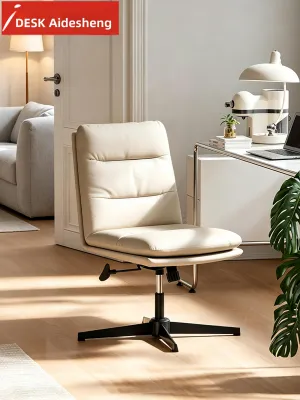
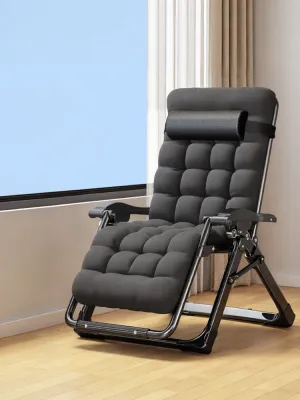
Prices are valid at publication and may change. Please refer to the product page for the latest price.
A common trap for budget buyers is choosing an “ergonomic-style” chair over a functional one. Many products in this price bracket mimic the visual aesthetic of high-end, high-back executive chairs or flashy gaming seats but lack any actual adjustability or structural support. They often feature thick, low-density foam cushions wrapped in synthetic leather that traps heat, paired with rigid backrests that do not align with your spine.
Your goal within a ₱5,000 budget is to maximize basic adjustability and structural safety while accepting simplified materials. Instead of looking for complex mechanical linkages or premium aluminum bases, focus on finding a chair with a sturdy nylon or steel base, a certified gas lift, and a well-tensioned mesh backrest. Prioritizing these core elements ensures your money goes toward daily physical comfort and safety rather than superficial design details.
Non-Negotiable Ergonomic Features for Daily Comfort
When shopping for a budget chair, certain features cannot be compromised if you want to protect your body from repetitive strain. Identifying these non-negotiable elements ensures that your investment provides genuine ergonomic benefits rather than just a place to sit.

Pneumatic Seat Height Adjustment A reliable gas lift is the safety and functional core of any height-adjustable chair. It allows you to position your feet flat on the floor with your knees bent at a 90-degree angle, which is essential for healthy blood circulation and spinal alignment. When evaluating budget options, check the product specifications for a Class 3 or Class 4 pneumatic gas lift. These classes are built with thicker steel walls and better internal seals than cheaper Class 1 or 2 cylinders, preventing the frustrating and unsafe sinking syndrome over months of daily use.
Basic Lumbar Support Proper lumbar support is critical to maintaining the natural inward curve of your lower spine. In the sub-₱5,000 price range, you will typically find either a fixed contoured backrest or a simple, height-adjustable lumbar pad. To ensure the support actually fits your body, you must compare the chair’s backrest height dimensions with your own torso length. A lumbar support system that sits too high or too low can push your spine into an unnatural position, leading to increased lower back strain rather than relief.
Breathability for the Tropical Climate In the humid tropical climate of the Philippines, heat dissipation is a major factor in daily comfort. Solid fabric or synthetic leather backrests trap body heat and sweat, leading to discomfort and skin irritation during long afternoons. A mesh backrest is non-negotiable for facilitating continuous airflow. When browsing online listings, examine close-up customer photos to verify that the mesh material is taut, tightly woven, and securely anchored to the frame, as flimsy mesh will stretch and sag within a few months.
Seat Dimensions and Edge Design The design of the seat cushion directly affects blood flow to your lower extremities. Look for a seat with a waterfall edge, which is a gently downward-sloping front edge that reduces pressure on the back of your thighs. Additionally, verify the finished seat width and depth in the specification sheet. The seat must be wide enough to accommodate your hips comfortably and shallow enough to let you sit fully back against the lumbar support without the front edge pressing into the back of your knees.
Premium Features You Will Need to Compromise On
To stay under the ₱5,000 price limit, manufacturers must make design trade-offs. Recognizing these compromises beforehand allows you to plan practical workarounds and avoid disappointment when your chair arrives.
Armrest Limitations Multi-directional armrests (such as 3D or 4D armrests that slide forward, backward, and rotate) are absent at this price point. Instead, you will encounter fixed armrests or basic 1D height-adjustable versions. To prevent shoulder strain, measure your desk height before purchasing to ensure fixed armrests can slide cleanly underneath the workspace. If the fixed armrests force you to sit too far from your desk, or if they keep your shoulders shrugged, you may need to use a separate ergonomic footrest to raise your sitting height or opt for a model with flip-up armrests.
Basic Tilt Mechanisms Premium chairs feature advanced synchro-tilt mechanisms that keep the seat relatively level while the backrest reclines, maintaining optimal ergonomic angles. Budget chairs, however, rely on basic tilt mechanisms that offer either a single lockable upright position or a simple rocking motion. When using a basic rocking feature, always check the tension adjustment knob beneath the seat to ensure the resistance matches your body weight. Always engage the tilt lock securely when working to prevent sudden, uncontrolled reclining that could compromise your balance.
Cushion Materials High-end office chairs utilize molded high-density foam or advanced suspension mesh for the seat cushion. In contrast, a sub-₱5,000 chair typically uses standard cut polyurethane foam. While comfortable initially, standard foam tends to compress and lose its resiliency over time, especially under heavy daily use. To mitigate this, check the product details for mentions of high-density foam (often specified in kilograms per cubic meter, such as 30kg/m³ or higher), or prepare to add a separate, aftermarket memory foam seat cushion if the original padding begins to bottom out.
Material and Build Quality At this price, structural frames are constructed from basic injection-molded plastics and lightweight sheet metals rather than heavy-duty polished aluminum. This makes verifying the manufacturer’s stated weight capacity incredibly important. If you are close to the upper weight limit of a budget chair, the plastic base and structural joints will experience higher stress, reducing the overall lifespan of the furniture. Look for models that utilize reinforced nylon bases, which offer a reliable balance of flexibility, strength, and lightweight durability.
How to Evaluate Chair Quality and Fit on Online Marketplaces
Because most budget office chairs in the Philippines are purchased online without the opportunity for a physical test sit, you must become adept at evaluating listings. A systematic approach to analyzing product details and customer feedback will help you separate high-value options from low-quality imitations.
Decoding Specification Sheets Never rely solely on promotional images, which are often digitally rendered and can make a small chair look deceptively large. Instead, scroll down to the detailed specification sheet and locate the exact finished dimensions. Note the overall height, seat width, seat depth, and the range of the seat height adjustment. Ensure these dimensions align with your physical workspace, paying close attention to whether the chair can pass through your doorways and fit comfortably under your specific desk height.
Analyzing User Reviews Effectively Customer reviews provide a realistic look at how a chair performs after weeks of real-world use. When browsing online marketplaces, filter the reviews to show “most recent” or those “with photos and videos” to bypass sponsored or initial-impression feedback. Search specifically for negative reviews or use the search function within reviews to look for warning keywords. Terms like “squeaking,” “gas lift sinking,” “wobbly base,” “loose screws,” or “mesh tearing” are clear indicators of structural weaknesses or poor quality control.
Verifying Seller Credibility and Support A low price is only a bargain if the seller stands behind their product. Check the seller’s overall store rating, response rate, and how long they have been operating on the platform. Prioritize merchants who explicitly offer a local warranty on key mechanical parts, such as the gas lift cylinder and the tilt mechanism, even if it is only for three to six months. Confirm the store’s return policy for bulky items, as returning a defective chair can be costly and logistically challenging if the seller does not cover return shipping.
Cross-Referencing Dimensions at Home Before clicking the purchase button, conduct a physical simulation of the chair’s dimensions in your actual workspace. Use a tape measure to mark out the advertised seat height and depth on an existing chair or stool. Sit on this simulated space to check if your feet can rest flat on the floor and if the backrest height matches the natural curve of your spine. This simple step prevents the common mistake of buying a chair that is physically too small or too large for your body type.
Red Flags, Quality Traps, and Hidden Costs to Avoid
Navigating the budget furniture market requires a healthy dose of skepticism. Being aware of common marketing traps and hidden expenses will keep your total expenditure strictly below the ₱5,000 threshold while ensuring you receive a safe, functional product.
Fake Ergonomic Claims The word “ergonomic” is frequently used as a generic marketing label rather than a design certification. Many low-cost chairs, particularly those styled as gaming chairs, feature aggressive bucket seats and colorful plastic accents but offer zero actual postural support. A high backrest alone does not make a chair ergonomic. If a listing does not explicitly show or describe adjustable lumbar support, adjustable seat height, and a functional tilt lock, it is likely an ordinary task chair dressed up to look like an ergonomic model.
Hidden Shipping and Assembly Fees The price tag on the search results page is rarely the final cost of the item. Because office chairs are heavy and shipped in bulky boxes, delivery fees within the Philippines can add a significant surcharge to your total checkout price, especially if you live outside major metropolitan areas like Metro Manila, Metro Cebu, or Metro Davao. Furthermore, budget chairs are shipped flat-packed and require self-assembly. Before beginning assembly, always read the manufacturer’s included instructions carefully to prevent damage to the threads or structural components, and ensure you have the correct basic tools on hand.
Lack of Replacement Parts Many budget chairs are sold as unbranded, generic white-label products. While these may look identical to branded entry-level chairs, the sellers often do not stock replacement parts. If a single caster breaks, a bolt strips, or the gas lift fails after the short warranty period, you may struggle to find compatible components, rendering the entire chair useless. Choosing a recognized local budget brand or a seller with a history of offering spare parts provides a safety net for long-term use.
Suspiciously Low Prices While the goal is to stay under ₱5,000, prices that are drastically lower—such as chairs retailing for under ₱1,500—should be approached with extreme caution. Manufacturing a safe, durable chair requires a baseline cost for raw materials and quality testing. Suspiciously cheap chairs often cut corners by using uncertified, counterfeit gas lifts that pose a safety hazard, or cheap recycled plastics that can crack suddenly under normal body weight. Investing slightly more to reach the ₱3,000 to ₱5,000 range ensures you are paying for basic safety and structural integrity.
Frequently Asked Questions (FAQ)
Is a ₱5,000 ergonomic chair durable enough for full-time work?
Yes, a well-chosen chair within this budget can comfortably support a standard 8-hour workday, though its overall lifespan will naturally be shorter than premium professional models. To maximize durability, it is essential to strictly adhere to the manufacturer’s stated weight limits and avoid aggressive leaning or rapid rolling on uneven floors. Regularly checking and tightening the assembly screws every few months will prevent the frame from loosening and squeaking, extending the usable life of the chair.
How do I know if the fixed lumbar support will fit my height?
To verify the fit before purchasing, sit upright in your current chair and use a tape measure to find the vertical distance from the seat surface to the small of your back (the natural inward curve above your hips). Compare this measurement to the online specification sheet of the prospective chair. Look for the lumbar height or estimate it by looking at the product photos to see where the backrest curve is deepest relative to the seat cushion.
What should I do if the gas lift starts sinking after a few months?
If your chair begins to sink, first check your purchase history to see if the product is still covered under the seller’s mechanical warranty. If it is, contact the seller to request a replacement gas lift cylinder. If the warranty has expired, do not attempt to force or modify the mechanism; instead, consult the manufacturer’s instructions for safe cylinder removal. You can purchase a standard replacement Class 3 or Class 4 gas lift cylinder from a local hardware store or online marketplace and install it yourself using basic tools.

Community discussion
Share your experience or ask a question. Comments are reviewed before publication.