
For many households, finding the perfect balance between daily space efficiency and hosting capacity is a common challenge, which is why dining sets 4 seaters that can extend are becoming highly popular. An extendable dining set that starts as a compact four-seater is the ultimate space-saving solution for modern homes, balancing the tight square footage of urban apartments with the cultural necessity of hosting large, festive family gatherings.
The Value of Extendable Dining Sets (4 Seaters) for Filipino Homes
Urban living in the Philippines, especially in major metropolitan areas like Metro Manila and Metro Cebu, has shifted significantly toward compact spaces. Modern condominiums and subdivision townhouses often feature open-plan layouts where the dining area must share precious space with the living room or kitchen. In a typical 50-square-meter home, a permanent six- or eight-seater dining table would overwhelm the room, blocking walkways and making daily life feel cramped.
Despite these spatial limitations, the cultural tradition of hospitality remains a cornerstone of family life. Whether it is a casual Sunday lunch with extended family, a birthday blowout, or major holiday feasts like Noche Buena and Media Noche, gathering around a table to share food is a vital way of connecting. An extendable dining set starting as a four-seater provides the perfect compromise. It offers a space-efficient footprint for daily meals with the immediate family, then quickly scales to accommodate six, eight, or even ten guests when relatives arrive. This adaptability ensures that your home remains comfortable and functional every day without sacrificing your ability to host warm, memorable gatherings.
Products mentioned in this guide
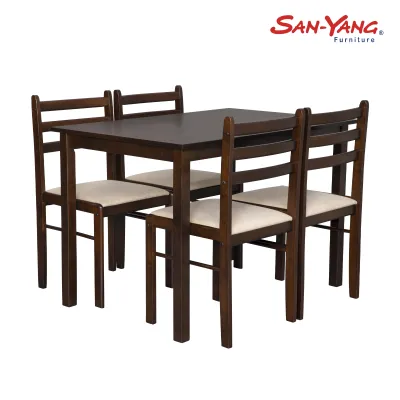
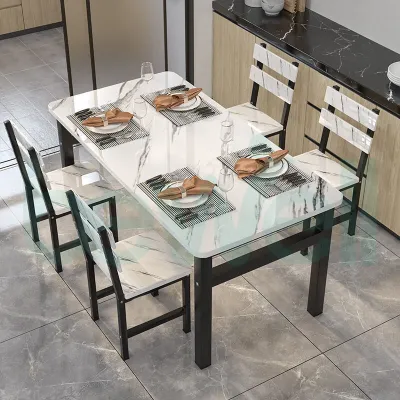
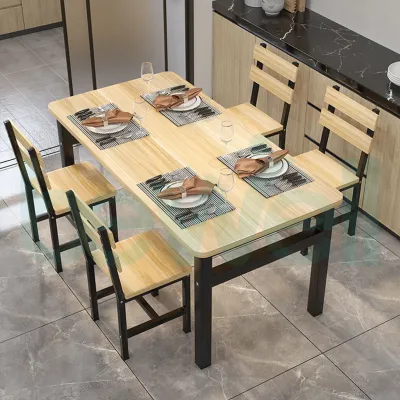
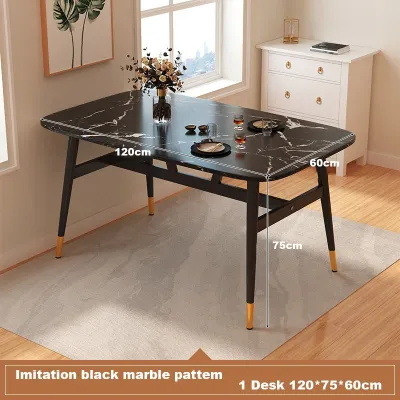
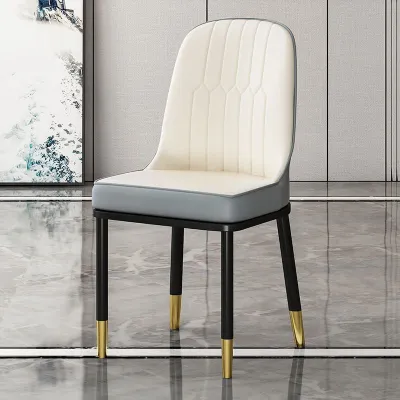
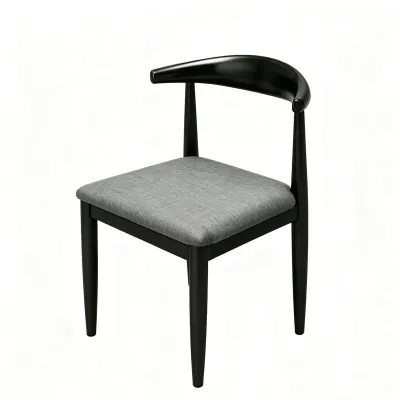
Prices are valid at publication and may change. Please refer to the product page for the latest price.
Choosing the Right Extension Mechanism for Your Space
Selecting the right extension mechanism is crucial, as it determines how easily you can transform your table, how much physical effort is required, and where you will store the extra components. Each design offers distinct advantages and trade-offs depending on your dining room’s layout and your storage capacity.

Drop-Leaf and Gateleg Designs
Drop-leaf and gateleg tables feature hinged outer panels that hang vertically when folded. To extend the table, you simply lift the leaf and slide out a support bracket or swing a gateleg frame underneath to hold it in place. This mechanism is incredibly space-efficient, allowing you to push the table completely flat against a kitchen wall or island when the leaves are down. It is an ideal choice for studio apartments or narrow dining alcoves.
However, there are practical trade-offs to consider. When the leaves are folded down, the hinges and support legs can restrict legroom for those sitting at the ends of the table. Additionally, because the leaves hang on hinges, you must ensure the hardware is of high quality. Cheap brackets can sag over time, creating an uneven dining surface. There is also a stability risk: if you only extend one side of the table, the center of gravity shifts, making the table prone to tipping if heavy dishes are placed on the extended edge.
Butterfly and Self-Storing Leaves
Butterfly leaves are split down the middle and folded on hinges, storing horizontally in a dedicated compartment directly beneath the tabletop. To extend the table, you pull the two main halves of the tabletop apart, lift and unfold the stored leaf, and lock it into place before pushing the tabletop halves back together.
The primary benefit of this system is convenience. Because the leaf is stored inside the table, you do not need to find extra storage space in your home, and there is no risk of misplacing or damaging the leaf. This makes it highly suitable for busy households that host spontaneous gatherings. When shopping, it is essential to test the sliding tracks. Look for smooth, gear-driven or ball-bearing metal glides. Cheap or poorly aligned tracks can bind easily in humid weather, requiring significant physical strength to operate. Additionally, the integrated mechanism makes these tables heavier than simple wood designs, which can make moving the table more difficult.
Removable Center Leaves
The traditional center-leaf extension involves pulling the two ends of the table apart on wooden or metal glides and inserting one or more separate leaf panels into the gap. The panels align with dowels or pins, and the entire assembly is pushed back together and locked.
This design provides the most stable and expansive dining surface, often allowing a standard four-seater to expand significantly to seat eight or ten guests. Because the leaves are completely separate, the table remains relatively light and easy to move when in its compact four-seater state. However, the main challenge is storage. You must find a safe, dry closet, space under a bed, or a spot behind a wardrobe to store the loose leaves when they are not in use. In the humid local climate, storing loose wooden leaves improperly can cause them to warp. If a leaf warps, it will no longer align flush with the main tabletop, rendering the extension mechanism useless. There is also a constant risk of scratching or denting the separate panels during handling.
Evaluating Materials and Finishes for Humid Climates
The tropical climate of the Philippines, characterized by high humidity and seasonal temperature shifts, can take a toll on furniture. Moisture in the air can cause wood to warp, metal to rust, and glues to fail. Choosing the right materials and finishes is essential to ensure your dining set remains beautiful and structurally sound for years.
Wood Options and Protective Finishes
Wood is a popular choice for its warmth and natural beauty, but it reacts constantly to humidity. During the wet monsoon season, wood absorbs moisture and swells; during the hot dry season, it releases moisture and shrinks. This movement can loosen joints and cause extension tracks to bind. Solid hardwoods like mahogany, acacia, and rubberwood are highly durable, but they must be properly kiln-dried and sealed to withstand these cycles.
When evaluating solid wood tables, look beyond the wood type and check the manufacturer’s specifications for protective finishes. A high-quality polyurethane, lacquer, or acid-catalyzed seal is essential. These coatings create a moisture-resistant barrier that slows down water absorption, keeping the wood stable. Engineered wood, such as Medium-Density Fiberboard (MDF) or particleboard, is more dimensionally stable than solid wood because it does not expand or contract as much with humidity. However, it is highly vulnerable to water damage. If spilled soup, condensation from cold drinks, or wet cleaning cloths penetrate the surface veneer or edge banding, the underlying fibers will swell, bubble, and permanently degrade. If you choose engineered wood, verify that all edges are sealed with high-quality PVC or ABS edge banding and that the surface veneer is thick and well-bonded.
Metal Frames and Tempered Glass Tops
For a modern, contemporary look, metal and glass are excellent alternatives to wood. Metal frames offer superb structural stability and allow for slimmer profiles, which can make a small dining room feel more open and airy. However, rust is a significant threat in humid environments, particularly in coastal regions.
To prevent corrosion, ensure the metal base has a high-quality, powder-coated finish, or choose rust-resistant materials like stainless steel (preferably grade 304) or anodized aluminum. Avoid cheap, painted iron frames, which can chip and rust quickly. Tempered glass tops are completely unaffected by humidity, spills, and wood-boring insects. They are easy to clean and reflect light, which visually expands a small space. However, glass tops are heavy, making the table harder to rearrange. They also show fingerprints, dust, and water spots clearly, requiring regular maintenance. If you choose glass, ensure the edges are rounded or chamfered to prevent accidental injuries, especially in homes with active children or elderly family members.
Space Planning: Measuring for Daily and Expanded Use
Proper space planning is key to ensuring your extendable dining set fits comfortably in your home. You must measure your space for both its daily compact state and its fully extended configuration to avoid a cramped dining room.
Start by calculating the clearances around the table. To allow guests to sit down, rise, and walk behind occupied chairs comfortably, you need a minimum clearance of 36 inches (91 centimeters) between the edge of the table and the nearest wall, sideboard, or appliance. If the dining area is a major walkway, increase this clearance to 48 inches (122 centimeters). For individual seating comfort, each diner requires at least 24 inches (61 centimeters) of table width and 15 inches (38 centimeters) of depth.
To visualize how the table will fit, use painter’s tape or newspaper to map out the exact dimensions of both the 4-seater and the fully extended configurations on your floor. Walk around the taped area to ensure it does not block access to doorways, cabinets, or the kitchen entrance.
Additionally, always measure your home’s delivery path. This is a critical step that many homeowners overlook, particularly those living in high-rise condominiums. Measure the height and width of your apartment’s entry door, the interior dimensions of the elevator cabin, the width of tight hallway corners, and the clearance of stairwells. Some extendable tables, especially those with heavy solid-wood frames or integrated metal tracks, do not disassemble completely. Ensuring the table can physically enter your home is just as important as ensuring it fits the dining room.
If space is exceptionally tight, consider using a bench on one side of the table. A bench can be tucked completely under the table apron when not in use, clearing the walkway during the day. During gatherings, a bench can easily accommodate three or four children or adults, providing highly flexible seating.
Pre-Purchase Verification Checklist
Before making a purchase, whether in a physical showroom or through an online marketplace, use this checklist to verify the quality and durability of the dining set:
- Mechanism Test: If shopping in person, operate the extension mechanism multiple times. It should slide smoothly without grinding, catching, or requiring excessive force. Check for locking pins, latches, or tension clips under the tabletop. These safety features lock the table halves together, preventing them from drifting apart during a meal. If buying online, read customer reviews specifically looking for feedback on the mechanism's ease of use and long-term durability.
- Stability Check: Fully extend the table and apply downward pressure on the outermost edges and corners. The table should remain stable without tipping, wobbling, or creaking. A table that feels solid in its 4-seater state may become unstable when extended if the base or legs are not designed to support the extra weight of the leaves and heavy serving platters.
- Seam and Joint Inspection: When the extension leaf is in place, the seams where the panels meet should be flush and tight. Uneven seams can cause plates to wobble and collect food crumbs, making cleanup difficult. Inspect the underside of the table to check the joinery. High-quality tables use mortise-and-tenon joints, corner blocks, and heavy-duty metal hardware. Avoid tables that rely solely on plastic brackets, staples, or thin wood screws, as these will degrade quickly under the stress of regular extension.
- Chair Compatibility: Verify that the chairs included in the set can be tucked completely under the table apron when the table is in its compact 4-seater configuration. If the chair arms or wide seats prevent them from sliding under, they will protrude into the room, blocking walkways. Additionally, check if the extra chairs you plan to buy for hosting can be stacked or folded for easy storage.
Frequently Asked Questions (FAQ)
How many extra chairs should I buy for a 10-seater expansion?
If your extendable table starts as a 4-seater and expands to accommodate up to 10 people, you will need 6 additional chairs for hosting. Buying 6 standard dining chairs can clutter your home and leave you with a storage nightmare. Instead, purchase 4 to 6 extra chairs that are specifically designed to be stackable or foldable. Look for high-quality wooden folding chairs with padded seats, or durable resin stackable chairs that match the aesthetic of your dining room. When not in use, these extra chairs can be folded flat or stacked neatly and stored in a utility room, a bedroom closet, under a bed, or even on a covered balcony. This keeps your daily dining space clean and spacious while ensuring you are always prepared for guests.
Is it safe to leave the extension leaf inside the table permanently?
While it may be tempting to leave your extendable table permanently expanded, doing so can cause long-term structural issues. For tables with self-storing or butterfly leaves, leaving the table extended puts constant tension on the internal hinges, tracks, and springs, which can lead to sagging or misalignment over time. Furthermore, wood is sensitive to environmental factors. If the table is exposed to sunlight, the main tabletop will naturally fade or darken over time. If the extension leaf is kept stored away, it will not age at the same rate, resulting in a noticeable color mismatch when you finally extend the table. Conversely, if you leave the leaf in permanently, the underside of the leaf may be exposed to different levels of humidity than the rest of the table, leading to uneven warping. To maintain the structural integrity and appearance of your dining set, follow the manufacturer’s care instructions, operate the mechanism regularly, and store the leaves as designed when not hosting.

Community discussion
Share your experience or ask a question. Comments are reviewed before publication.