
For large families and those who love hosting extended family gatherings, finding a balance between daily space efficiency and hosting capacity is a common challenge. A standard six-seater setup works perfectly for typical weekday dinners, but when Sunday lunches or holiday celebrations arrive, space quickly becomes scarce. Investing in a versatile dinning table with chairs that can seamlessly expand to accommodate up to ten people offers the ideal solution. It allows you to maximize your daily floor area while ensuring no guest is left squeezed at the edge when the entire family gathers.
Selecting the right extendable set for a home in the Philippines requires evaluating several factors beyond mere aesthetics. High relative humidity, seasonal temperature shifts, and the physical constraints of local residential spaces—especially in high-rise condominiums or traditional subdivisions—all dictate which designs will perform best over time. By focusing on robust extension mechanisms, climate-resilient materials, and precise physical measurements, you can secure a dining set that provides reliable service for both quiet family meals and large festive banquets.
Quick Guide: What to Look for in a 6-10 Seater Extendable Set
When shopping for an extendable dinning table with chairs, the primary objective is to find a system that transitions smoothly from a compact six-seat configuration to a spacious ten-seat arrangement. This transition must not compromise the structural integrity of the table or the comfort of the diners. A high-quality extendable set must balance everyday convenience with the heavy-duty stability required when the table is fully loaded with serving dishes, heavy cookware, and active dinner conversations.
Products mentioned in this guide
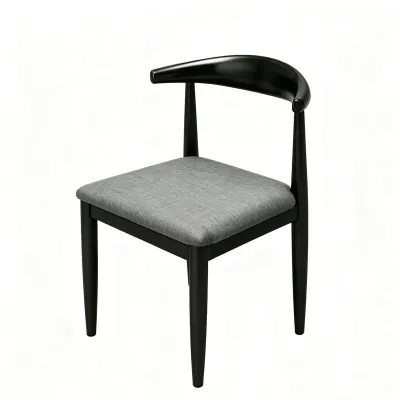
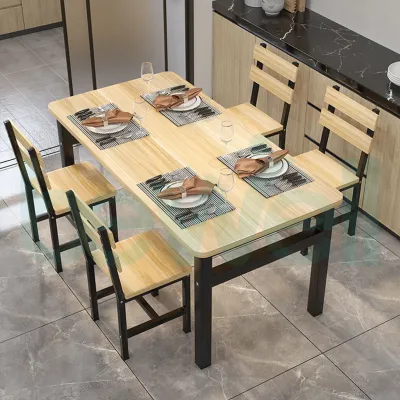
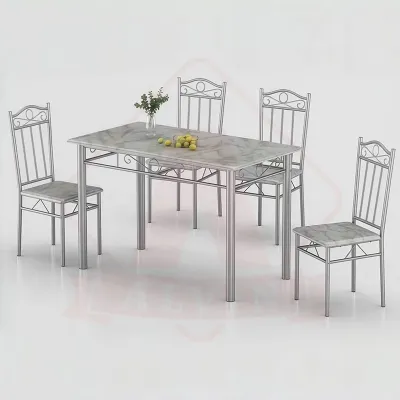
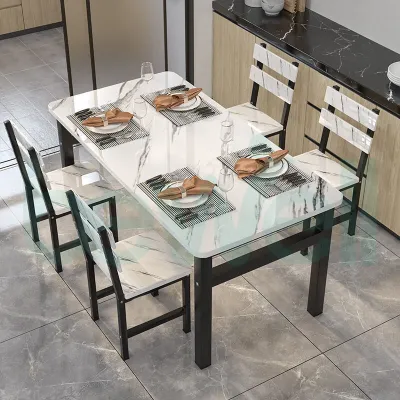
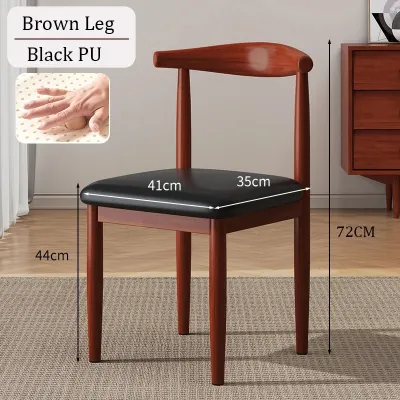
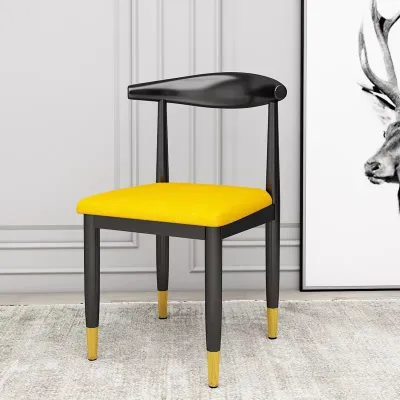
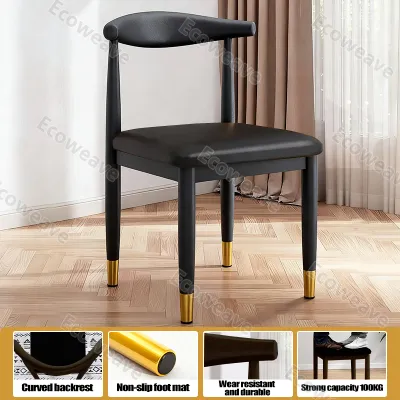
Prices are valid at publication and may change. Please refer to the product page for the latest price.
There are three main pillars to prioritize during your evaluation:
- Extension Mechanism Usability: The internal hardware must operate smoothly without requiring excessive physical exertion. It should feature secure locking systems to prevent accidental shifting during use.
- Material Durability in Humid Environments: Because the climate in the Philippines features high humidity and temperature fluctuations, the materials used must resist warping, swelling, and mold.
- Accurate Space Planning: You must account for the physical footprint of the table when fully extended, ensuring there is still sufficient clearance for chairs to slide out and for people to walk behind them.
Ultimately, a successful purchase depends on understanding how often you will use the extension feature and who will be operating it. A table that is too difficult to expand will often remain in its compact state, defeating the purpose of the investment, while a poorly constructed model may sag or wobble when extended to its maximum ten-seat capacity.
Choosing the Right Extension Mechanism for Your Space
The mechanism that allows your table to expand determines how easily you can transition your dining room from a daily family space to a hosting venue. For tables expanding from six to ten seats, you will generally encounter four primary types of extension systems, each with distinct practical implications.

Butterfly Leaf Systems
The butterfly leaf is a highly popular option because the extension panel is stored directly inside the table structure. When you pull the table ends apart, the hinged leaf unfolds from the center like butterfly wings.
- Pros: No separate storage space is required for the leaf, reducing the risk of misplacing or damaging the insert. It can often be operated by a single person.
- Cons: The table top will have visible seams where the panels meet, which can collect dust and crumbs if not cleaned regularly.
- Ideal User: Homeowners with limited storage space who frequently host spontaneous gatherings and prefer a self-contained unit.
Removable Center Leaf Systems
This traditional design requires you to pull the table halves apart and manually insert one or two separate wooden panels into the center gap.
- Pros: Offers a highly stable and flat dining surface, often with fewer moving parts to wear out over time.
- Cons: You must find a safe, dry place to store the extra leaves when they are not in use. These panels can be heavy and are susceptible to warping if stored incorrectly in humid conditions.
- Ideal User: Families who only need the maximum ten-seat capacity during major holidays or planned events, allowing them to store the leaves safely in a closet or under a bed for most of the year.
Drop-Leaf Systems
Drop-leaf tables feature hinged panels at the outer ends that hang down vertically when not in use and lift up to be supported by pull-out brackets or legs when extended.
- Pros: Extremely fast to set up and highly space-efficient when folded down.
- Cons: The extended ends often have lower load capacities compared to center-supported leaves, making them less suitable for heavy serving platters or leaning guests.
- Ideal User: Those living in smaller apartments where the table must sit against a wall during the week and pull out into the center of the room for weekend gatherings.
Sliding Track Systems
Modern sliding track systems utilize metal or high-density polymer runners that allow the table top to glide open smoothly, sometimes revealing built-in self-storing leaves or allowing the legs to slide outward to maintain end-support.
- Pros: Very easy to operate, often requiring minimal physical effort to slide the components.
- Cons: The tracks require regular inspection and maintenance to prevent alignment issues or jamming.
- Ideal User: Households looking for a sleek, contemporary aesthetic and those who prioritize ease of physical operation.
Regardless of the mechanism you choose, physical safety must be a priority. Always check for smooth track operation and the presence of secure locking pins or latches underneath the tabletop to keep the sections firmly locked together. In households with young children, look for pinch-point warnings and ensure that the moving parts are shielded or positioned well out of reach of curious fingers to prevent accidental pinches during setup.
Table and Chair Materials That Withstand Tropical Climates
The tropical climate in the Philippines, characterized by high relative humidity and significant temperature shifts between air-conditioned and non-air-conditioned hours, presents a unique challenge for furniture. Selecting the wrong materials can lead to premature degradation, structural instability, or cosmetic damage.
Solid Hardwoods
Local hardwoods like mahogany, tanguile, and acacia are highly prized for their natural beauty and weight. However, solid wood is a hygroscopic material, meaning it naturally absorbs and releases moisture from the air.
- Climate Impact: High humidity can cause solid wood to expand, while dry, air-conditioned environments can cause it to contract. This constant movement can lead to warping, cracking, or splitting if the wood was not properly kiln-dried and acclimatized before manufacturing.
- Verification Check: Do not rely solely on the species name. Verify that the wood has been treated with a high-quality, moisture-resistant sealant, such as a polyurethane or lacquer finish, which acts as a barrier against moisture ingress. Inspect the joints to ensure they utilize robust joinery like mortise-and-tenon or doweled joints rather than simple wood screws, which can loosen as the wood shifts.
Engineered Wood and MDF
Medium-density fiberboard (MDF) and particleboard finished with wood veneers or laminates are common, cost-effective alternatives to solid wood.
- Climate Impact: Unprotected engineered wood is highly vulnerable to moisture. If high humidity or liquid spills penetrate the outer finish, the internal fibers will swell and crumble, causing irreversible damage.
- Verification Check: Carefully examine the edge banding on all sides of the panels, including the underside. Any gaps, peeling, or exposed substrate will allow moisture to enter, leading to mold growth and swelling. Choose high-pressure laminates (HPL) or thick veneers with sealed edges for better moisture resistance.
Metal Frames
Powder-coated steel or aluminum frames offer excellent structural stability and a modern industrial look.
- Climate Impact: High humidity can accelerate rust on untreated ferrous metals.
- Verification Check: Ensure the metal components feature a durable powder coat or rust-inhibiting paint finish. Check the welds and joints for uniform coverage, as exposed metal at joint intersections is often where rust begins.
Tempered Glass
Tempered glass tops provide a clean, modern aesthetic and are completely unaffected by humidity or moisture.
- Climate Impact: Glass does not warp or swell, making it highly stable. However, it can feel warm to the touch in non-air-conditioned spaces and shows fingerprints and smudges easily.
- Verification Check: Confirm that the glass is certified tempered safety glass to prevent hazardous shattering in the event of an impact. Check that the support brackets and extension tracks are securely bonded or bolted to the glass top.
Space Planning: Measuring for Fully Extended Tables and Chairs
Before finalizing your purchase of a 6-10 seater extendable dining set, accurate space planning is essential to ensure the furniture fits comfortably within your home. A table that fits perfectly in its six-seat configuration may completely block pathways or press against walls when fully extended to its ten-seat length.
Calculating the Extended Footprint
To determine if your dining room can accommodate a ten-seater setup, you must calculate the total floor space required using the table’s fully extended dimensions.
- Identify the Maximum Extended Length: Refer to the manufacturer's specifications for the exact length of the table when all leaves are installed. For a ten-person capacity, this length typically ranges from 220 cm to 280 cm.
- Apply the Chair Clearance Rule: To allow guests to sit down, rise, and pull their chairs out comfortably, you must maintain a minimum clearance of 60 to 90 cm from the edge of the table to the nearest wall, sideboard, or obstacle.
- Account for Walkway Space: If a main household pathway runs behind the dining area, you must add an additional 60 cm of clearance behind the seated guests' chairs. This ensures that family members can walk through the room without forcing seated guests to tuck their chairs in.
Measuring Delivery Access Routes
Many homeowners overlook the physical journey the furniture must take from the delivery truck to the dining room. Because extendable tables are often heavy and feature long, solid frames, you must verify that the packaged boxes can navigate your home’s entry points.
- Doorways and Hallways: Measure the height and width of all entry doors, hallway corners, and interior doors. Ensure there is enough clearance to turn the long boxes around tight corners.
- Elevators and Staircases: If you live in a condominium or multi-story home, measure the interior dimensions of the elevator cabin, including the door opening width and diagonal clearance. For staircases, check the height clearance and the turning space on landings.
The Pre-Purchase Tape Test
To visualize the physical impact of the extended table in your space, perform a simple floor marking test before buying:
- Use low-tack painter's tape to outline the exact dimensions of the table on your dining room floor in both its compact six-seat and fully extended ten-seat configurations.
- Place your existing chairs (or temporary boxes) within the outline to simulate the occupied space.
- Walk around the taped area to verify that doors can swing open fully, cabinets remain accessible, and the room's natural traffic flow is not obstructed.
- Look upward to ensure that your dining room's hanging light fixtures or chandeliers will remain centered over the table when it is extended, as an off-center light source can disrupt the room's visual balance.
Matching Chairs: Comfort, Storage, and Clearance
A complete extendable dining set relies heavily on the design and functionality of the matching chairs. When transitioning from six to ten seats, the physical characteristics of the chairs play a critical role in both daily storage and guest comfort.
Verifying Dimensions and Apron Clearance
The table’s apron—the wooden or metal frame directly beneath the tabletop that houses the extension mechanism—can significantly reduce the vertical clearance under the table.
- Armrest Height: If you select chairs with armrests, measure the distance from the floor to the top of the armrest. Verify that this height is lower than the bottom of the table apron so the chairs can slide fully under the table when not in use, saving valuable floor space.
- Seat Width and Leg Placement: Ensure the combined width of the chairs placed along the side of the table does not exceed the distance between the table legs. When extended to seat ten, the spacing of the table legs may change depending on whether the legs slide outward or remain stationary, which affects where guests can comfortably place their feet.
Managing Extra Seating Storage
Since the table will likely remain in its six-seat configuration for daily use, you must have a practical plan for storing the four additional chairs.
- Stackable or Foldable Designs: Consider sets that offer matching stackable or foldable chairs for the extra seating. These can be stored compactly in a utility room, closet, or balcony storage chest until needed.
- Lightweight Construction: Select chairs that are easy to lift and move around the house, allowing you to repurpose them as accent chairs in bedrooms or living areas when the dining table is compacted.
Stability and Ergonomics for Warm Climates
Comfort is key during long, leisurely family meals. In the warm, humid climate of the Philippines, chair materials must support physical comfort without trapping heat.
- Breathable Materials: Prioritize chairs with breathable backrests, such as woven rattan, open wooden slats, or light mesh fabrics, which facilitate airflow and keep guests comfortable in non-air-conditioned spaces. If choosing upholstered seats, look for easy-to-clean, moisture-resistant fabrics or synthetic leather that can be easily wiped down.
- Weight Capacity and Stability: Check the manufacturer's specified load capacity for the chairs. Look for designs with wider leg bases or reinforced cross-bracing underneath the seat. These structural elements provide essential stability and help prevent tip-over accidents, particularly in households with active children or elderly family members who may rely on the chair frame for support when standing up.
Frequently Asked Questions (FAQ)
How do I maintain the sliding tracks of an extendable table?
To keep the extension mechanism operating smoothly, regularly inspect the tracks under the table and clear away any accumulated dust, pet hair, or food crumbs using a soft brush or vacuum attachment. Before applying any lubricants, always consult the manufacturer’s care instructions. Using the wrong product can cause serious issues; for instance, oil-based lubricants like standard grease can attract dust and grime, eventually clogging the mechanism. If the tracks require lubrication, a dry silicone spray is typically recommended as it does not attract debris. If the table becomes difficult to open, never force it. Forcing the mechanism can bend the metal tracks or strip the gears. Instead, check for physical obstructions, loose screws, or misaligned locking pins that may be blocking the movement.
Can I buy extra chairs later to match my extendable dining set?
Purchasing extra chairs at a later date can be challenging due to manufacturing variations and material aging. Wood stains, paint finishes, and fabric dye lots can vary significantly between production batches, meaning chairs bought months or years later may not match your original set perfectly. Additionally, wood naturally darkens or fades over time when exposed to sunlight and ambient humidity, making a brand-new chair look noticeably different next to older ones. To ensure a perfect match, it is highly recommended to purchase the complete set of ten chairs upfront. If storage space or budget constraints prevent this, look for a set that pairs a neutral, classic table design with universally styled chairs, or plan to use complementary accent chairs in a contrasting color or material for the extra seating when the table is extended.

Community discussion
Share your experience or ask a question. Comments are reviewed before publication.