
Filipino homes are centered around the dining table. It is where families gather for daily meals, where children do their homework, and where relatives congregate for Sunday lunches, birthday fiestas, and holiday reunions. For households that regularly host multi-generational gatherings but want to keep their daily living spaces open and uncluttered, an extendable dining table is an essential investment. It provides the perfect balance: a compact footprint for day-to-day family life that can seamlessly expand to seat 6 to 10 people when guests arrive.
Choosing the ideal extendable table for a Philippine household requires more than just picking an appealing style. You must calculate precise seating dimensions, evaluate which extension mechanism fits your daily routine, and select materials that can withstand the unique challenges of a tropical climate.
How to Choose the Right Extendable Dining Table
To ensure your dining table can transition smoothly from a cozy family setup to a large feast, you must start with precise spatial calculations. Standard ergonomic guidelines suggest allocating at least 24 inches (60 centimeters) of linear table width per person. This spacing allows diners to eat comfortably, use their utensils, and shift in their seats without bumping elbows with their neighbors. For a family of 6, a standard table length of 150 to 180 centimeters is generally sufficient. However, to accommodate 10 diners, the table must extend to a minimum length of 220 to 240 centimeters.
Products mentioned in this guide
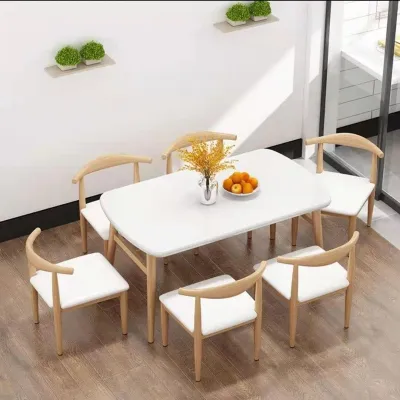
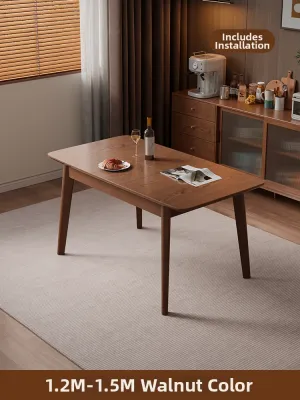
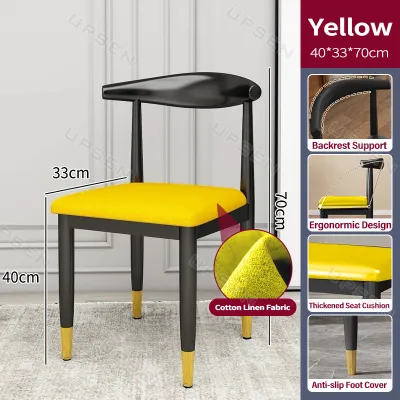
Prices are valid at publication and may change. Please refer to the product page for the latest price.
While length is the primary factor for seating capacity, table width and legroom are equally critical. A dining table should have a width of at least 36 inches (90 centimeters) to 40 inches (100 centimeters). This width is especially important in the Philippines, where meals are traditionally served family-style, requiring ample space in the center of the table for large serving platters, rice bowls, and pitchers. If the table is too narrow, placing dishes in the center will crowd individual place settings, forcing guests to dine uncomfortably.
Furthermore, you must consider the placement of the table legs and how they affect legroom, particularly when chairs are added to the heads of the table. Traditional four-legged tables place the legs at the absolute corners. While this provides excellent stability, it can restrict where chairs can be tucked in when the table is extended. Alternatively, pedestal or trestle bases provide more flexible seating because they eliminate corner obstructions. However, you must ensure that guests seated near the center of a trestle table have enough knee clearance and do not constantly bump against the table supports.
Structural stability is another vital factor to verify before making a purchase. When an extendable table is fully expanded, the outer edges are subjected to increased leverage and weight. A poorly designed table may sag in the middle or wobble when heavy serving bowls are placed near the ends. Inspect the table’s underside to ensure it features heavy-duty metal sliding tracks, robust support bars, and secure locking latches. These components keep the table halves tightly joined and prevent the tabletop from shifting or separating during a lively family meal.
Recommended Extension Mechanisms for Large Families
The extension mechanism is the heart of any expandable table. It dictates how quickly and easily you can transform your dining space, how much physical effort is required, and where the extra table leaves are stored when they are not in use. For a busy household, selecting a mechanism that balances convenience, durability, and space efficiency is key to ensuring you actually use the extension feature rather than keeping the table permanently open or closed.

Different mechanisms offer distinct trade-offs in terms of storage requirements, structural complexity, and ease of operation. Understanding these differences will help you choose a model that aligns with your home’s layout and your family’s lifestyle.
Drop-Leaf and Gateleg Tables
Drop-leaf tables feature hinged panels on one or both sides that hang vertically when collapsed and swing upward to align with the main tabletop when extended. Gateleg tables are a common variation of this design, utilizing pivoting legs that swing out like a gate to support the raised leaves. This style is highly efficient for compact dining areas, open-plan townhouses, or condominiums where floor space is at a premium. When the leaves are folded down, the table occupies a minimal footprint, sometimes serving as a console table against a wall.
However, the structural design of gateleg tables introduces specific trade-offs regarding seating comfort. The pivoting support legs can severely restrict legroom and limit where you can place dining chairs. Guests may find themselves straddling a table leg or knocking their knees against the wooden supports when the table is fully extended. Additionally, because the leaves are supported by hinges and swinging legs rather than a continuous internal frame, drop-leaf tables generally have lower weight capacities on their extended sections. This style is best recommended for flexible, smaller spaces where the table is only occasionally fully extended for light dining or hosting.
Butterfly and Self-Storing Leaf Tables
Butterfly leaf tables are widely considered the most convenient option for modern families. This design features an integrated leaf that is split down the center and folded in half. When you pull the two halves of the table apart, the butterfly leaf rotates upward from its hidden compartment beneath the tabletop and unfolds to fill the gap. Once pushed back together and locked, the table presents a continuous, sturdy dining surface. The primary advantage of this system is that the extension leaf is completely self-storing, eliminating the need to find extra closet space or worry about damaging the leaf while moving it around.
When evaluating a butterfly leaf table, it is crucial to test the operation of the sliding tracks and hinges. The tracks should glide smoothly without sticking, grinding, or requiring excessive physical strength. Look for high-quality steel or solid wood runners that can withstand years of opening and closing. Additionally, inspect the alignment of the seams when the table is locked in both the collapsed and extended positions. A well-constructed butterfly table should have perfectly flush seams; any gaps or height discrepancies can cause dinnerware to wobble and will inevitably trap food crumbs, making cleanup more difficult.
Removable Center Leaf Tables
Removable center leaf tables represent the traditional, robust approach to expandable dining. To extend this type of table, you pull the two main halves apart—often requiring two people due to the weight of the solid wood or metal frame—and manually insert one or more separate wooden leaves into the center before locking the sections back together. Because the leaves are completely separate, these tables often feature incredibly solid, continuous frames that offer exceptional weight capacity and structural integrity when fully extended.
The main challenge with removable center leaf tables is the storage and preservation of the loose leaves. In the tropical climate of the Philippines, where relative humidity can vary significantly between the dry season and the wet monsoon months, solid wood leaves are highly susceptible to warping if they are not stored correctly. Storing a wooden leaf in a damp stockroom, a hot attic, or an unventilated closet can cause the wood to bend or cup. When you attempt to insert the warped leaf months later, it may no longer align with the main table halves. To prevent this, you must store the leaves flat in a climate-controlled area of your home and ensure they are finished with the same protective sealers as the rest of the table.
Best Materials and Finishes for Tropical Climates
The climate in the Philippines presents unique challenges for wooden furniture. High humidity levels, seasonal temperature swings, and the frequent use of air conditioning can cause wood to expand, contract, and degrade if the materials are not carefully selected and maintained. When shopping for an extendable dining table, understanding how different materials perform in tropical environments is essential for ensuring long-term durability.
Solid wood dining tables, crafted from local hardwoods such as acacia, tanguile, or mahogany, are highly prized for their natural beauty, rich grain patterns, and exceptional durability. However, because wood is a hygroscopic material, it naturally absorbs and releases moisture from the surrounding air. In high-humidity environments, solid wood expands; in dry, air-conditioned rooms, it contracts. This constant movement can put immense stress on the joints and sliding tracks of an extendable table, potentially causing the wood to warp, split, or bind. To mitigate this risk, always verify with the manufacturer or retailer that the solid wood has been properly kiln-dried before manufacturing. Kiln-drying removes excess moisture from the wood fibers, significantly reducing subsequent movement. Additionally, follow the manufacturer’s specific care and acclimatization instructions when introducing a new solid wood table to your home.
Engineered wood, such as medium-density fiberboard (MDF) or high-density fiberboard (HDF) topped with a natural wood veneer, offers a highly stable and cost-effective alternative to solid wood. Because engineered wood consists of compressed wood fibers and resins, it does not expand or contract nearly as much as solid wood in response to humidity fluctuations. This dimensional stability makes it an excellent choice for the moving parts of extendable tables. However, engineered wood is highly vulnerable to water damage if moisture penetrates the outer protective layer. You must carefully inspect the quality of the edge banding along the sides of the tabletop. If the edge banding is loose, cracked, or poorly applied, humidity or spilled liquids can seep into the core, causing the fiberboard to swell, bubble, and permanently deform.
For busy families with young children, high-pressure laminates (HPL) are an exceptionally practical tabletop surface. HPL is bonded to an engineered wood core and provides outstanding resistance to moisture, scratches, impact, and heat. It is incredibly easy to wipe clean after daily meals, making it highly resilient against spilled soups, sauces, and condensation from cold drinks. If you prefer the look of natural wood but want the practicality of a laminate, look for high-quality textured laminates that mimic the grain of real wood while providing a non-porous, easy-to-sanitize surface.
If your extendable table incorporates metal frames, legs, or sliding tracks, you must verify that the metal has been treated to prevent corrosion. The high relative humidity in the Philippines can quickly cause untreated steel or iron to rust, which can ruin the appearance of the table and seize up the sliding mechanism. Look for metal components that feature a durable powder-coated finish, or opt for stainless steel or aluminum bases. For tables with glass elements, ensure that any glass leaves or tabletops are made of thick, tempered safety glass. Tempered glass is engineered to be highly resistant to thermal stress and impact. In the rare event that it does break, it crumbles into small, rounded pieces rather than sharp, dangerous shards, making it a much safer option for a busy family household.
Ultimately, you should never assume a table is naturally water-resistant or durable based solely on its material name. Always review the product label or consult the manufacturer to verify the specific finish and sealing method used. Polyurethane and lacquer coatings provide a highly effective, impermeable barrier against moisture and spills, whereas oil or wax finishes require regular, meticulous maintenance to protect the wood from the tropical climate.
Space Planning and Clearance Requirements
Before purchasing an extendable dining table, accurate space planning is essential to ensure that the table fits comfortably in your dining room when fully extended and that it can be safely delivered and assembled in your home. A table that looks perfectly proportioned in a spacious showroom can easily overwhelm a standard residential dining area once it is fully expanded to its 10-seater capacity.
To maintain a comfortable and functional dining room, you must adhere to standard clearance rules. The absolute minimum recommended clearance is 36 inches (91 centimeters) of open space between the edge of the dining table and any surrounding walls, sideboards, or other furniture pieces. This clearance provides enough room for diners to pull their chairs out, sit down, and stand up without feeling cramped or bumping into obstacles. If your dining room also serves as a primary walkway through your home—such as the transition area between an open-plan kitchen and the living room—you should increase this clearance to at least 48 inches (122 centimeters). This extra space allows family members to walk past comfortably without disrupting those who are seated.
When planning your space, always measure your dining room based on the table’s “fully extended” footprint rather than its collapsed, daily-use size. It is helpful to use painter’s masking tape to outline the maximum length and width of the extended table on your dining room floor. Place your dining chairs within this taped boundary to visualize how much physical space will remain for walking and serving. Ensure that when the table is fully extended, it does not block access to nearby doorways, electrical outlets, light switches, or storage cabinets.
In addition to room measurements, you must carefully plan the delivery and assembly logistics. Extendable dining tables—especially those constructed from solid hardwoods or featuring heavy steel extension mechanisms—are incredibly heavy and bulky. Before finalizing your order, measure the height, width, and diagonal clearance of every doorway, hallway, stairwell, and elevator door through which the table must pass to reach your dining room.
If you reside in a high-rise condominium or a multi-story townhouse, this step is particularly critical. Many modern residential towers have strict size and weight limitations for their service elevators, and tight stairwell turns can easily trap a long, single-piece tabletop. If you discover that a fully assembled table cannot fit through your building’s access routes, look for models that are delivered flat-packed and assembled directly inside your dining room. Confirm with the retailer whether they offer professional on-site assembly services, as attempting to assemble complex sliding tracks and heavy tabletops without the proper tools and expertise can result in damage to the mechanism or the table itself.
Quick Checklist Before You Buy
To help you make a confident decision and avoid costly mistakes, use this practical checklist before finalizing your purchase from an online furniture retailer or local showroom:
- Confirm All Dimensions: Verify the exact collapsed and fully extended dimensions of the table. Ensure that the fully extended footprint leaves at least 36 inches of clearance around the entire perimeter of the room.
- Check Seating Capacity and Legroom: Verify that the table can comfortably accommodate your desired number of chairs (6 to 10) when fully extended. Sit at the table in the showroom—or carefully review the leg placement in product diagrams—to ensure that guests seated at the ends or near the center will have adequate legroom and knee clearance.
- Evaluate the Extension Mechanism: Test the mechanism to ensure it operates smoothly and can be managed easily. If you choose a removable leaf design, confirm that you have a dry, flat, climate-controlled space to store the extra leaves safely.
- Assess the Weight and Assembly Requirements: Note the total weight of the furniture. Determine if you will need professional assembly or if the table is simple enough for two people to assemble and extend safely without risking damage to the alignment pins.
- Review Warranty Terms: Carefully read the warranty details. Ensure that the warranty explicitly covers the moving parts of the extension mechanism, sliding tracks, hinges, and alignment latches, as these components experience the most wear and tear.
- Verify Delivery and Return Policies: Confirm the delivery fees, delivery window, and whether the service includes carrying the heavy boxes up stairs or into your specific room. Review the return and exchange policies for oversized furniture, noting any restocking fees or return shipping costs.
Frequently Asked Questions (FAQ)
How much space do I need around an extendable dining table?
To ensure a comfortable dining experience, you should maintain a minimum of 36 inches (91 centimeters) of clear space between the edge of the table (when fully extended) and any walls or adjacent furniture. This allows guests to pull out their chairs and stand up easily. If the area behind the chairs is a main walkway or if you plan to use larger dining chairs with armrests, a clearance of 48 inches (122 centimeters) is highly recommended to prevent congestion.
Are glass extendable tables safe for large families?
Yes, glass extendable tables can be perfectly safe for large families, provided they meet specific safety criteria. Always verify that the tabletop and extension leaves are made of thick, tempered safety glass, which is designed to resist high impacts and thermal shock. Additionally, check that the table features rounded or chamfered edges to prevent injuries, robust locking mechanisms that secure the glass leaves firmly in place when extended, and a sturdy metal or solid wood base that prevents tipping.

Community discussion
Share your experience or ask a question. Comments are reviewed before publication.