
Quick Answer: Top Picks for Small-Space Extendable Dining
Hosting large family gatherings, Sunday lunches, or holiday reunions is a cherished tradition, but doing so in compact Philippine homes, townhouses, or high-rise condominiums presents a major spatial challenge. Finding a kitchen table for small space dining that can seamlessly transition from a modest daily footprint to a banquet-ready setup is the ultimate goal for urban homeowners.
To maximize tight dining quarters, three primary categories of extendable tables stand out:
- Butterfly-Leaf Tables: Ideal for seamless daily use, featuring a self-storing leaf that eliminates the need for extra closet space.
- Drop-Leaf and Gateleg Tables: Perfect for ultra-narrow kitchens or multi-purpose rooms where the table must double as a console or side island when folded.
- Console-to-Dining Transformers: The ultimate extreme space-saving solution for studio apartments, expanding from a slim wall console to a full-sized table.
Before committing to any purchase, the most critical step is measuring your room’s operating footprint—the fully extended table size plus the necessary clearance for chairs and human movement—rather than just checking if the collapsed table fits your daily layout.
Products mentioned in this guide
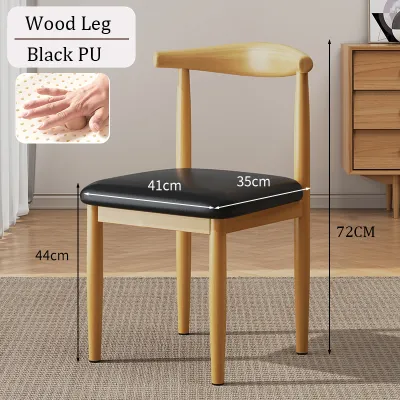
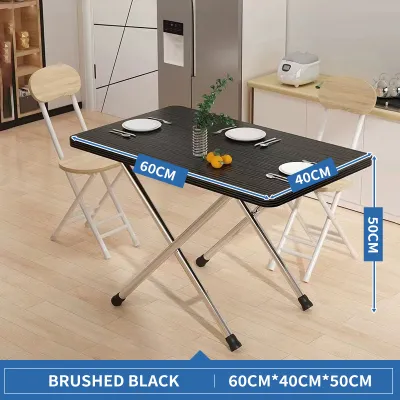
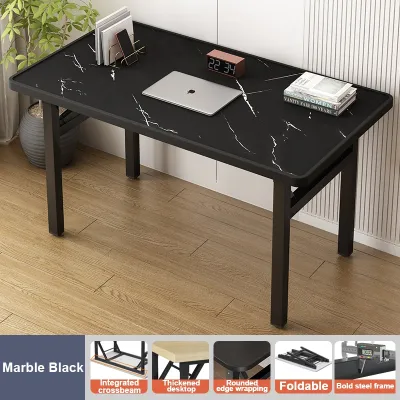
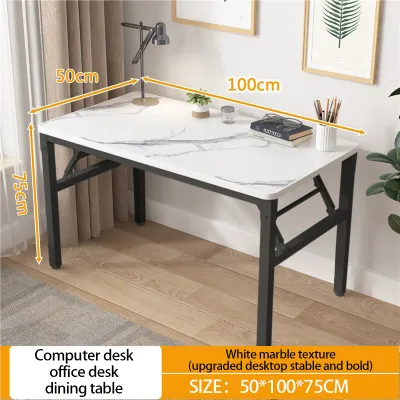
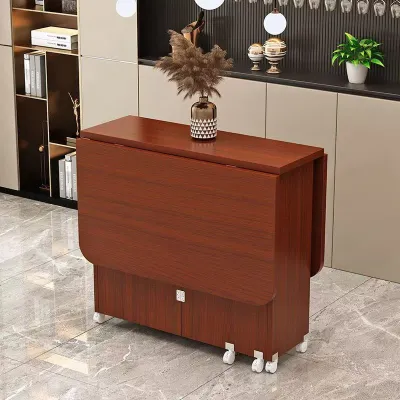
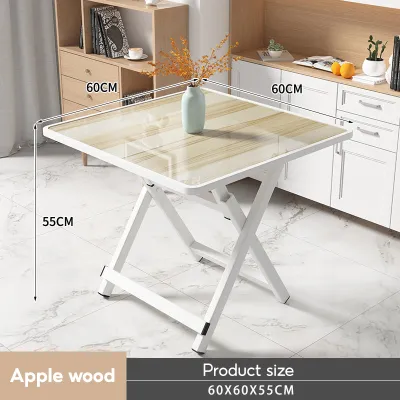
Prices are valid at publication and may change. Please refer to the product page for the latest price.
Best Extension Mechanisms for a Kitchen Table for Small Space Dining
When shopping for a kitchen table for small space layouts, the expansion mechanism dictates both your daily convenience and the table’s long-term durability. A mechanism suitable for compact homes should allow for effortless, ideally single-person operation and require minimal physical effort to deploy.

Before finalizing a purchase, always verify the manufacturer’s specified weight limits and warranty terms for the extended leaves. Unsupported extensions are highly susceptible to sagging or structural failure under the weight of heavy serving platters, soup tureens, or guests leaning on the table edges during lively family dinners.
Butterfly Leaf (Self-Storing) Tables
Butterfly-leaf tables feature a center seam where the tabletop slides apart along metal or wooden glides, revealing a hinged leaf folded beneath the frame. You simply lift, unfold, and lock the leaf into place, then push the outer tabletop halves back together to create a unified surface.
- Pros: Outstanding convenience because the leaf is entirely self-storing. You never have to find closet space for a loose panel, allowing for rapid, spontaneous expansion when unexpected guests arrive.
- Cons: The internal folding mechanism relies on hinges and pivot points that require periodic cleaning and alignment. Additionally, there is a permanent, visible seam down the center of the tabletop even when collapsed, which some homeowners find less aesthetically seamless.
Drop-Leaf and Gateleg Tables
Drop-leaf tables feature a fixed center section with one or both sides hanging down vertically when collapsed. To expand the table, you lift the hinged side leaves and swing out support legs (gatelegs) or slide out wooden support brackets from beneath the frame.
- Pros: Exceptional for extremely narrow kitchens or multi-purpose living-dining areas. When folded, the table can sit flush against a wall, functioning as a console, writing desk, or kitchen island.
- Cons: The structural support is limited by the stability of the swing-out legs or brackets. Furthermore, because the legs swing outward to support the sides, seating capacity at the ends of the table is often restricted or awkward, making it more practical for seating up to 6 people comfortably rather than a full group of 10.
Removable Center Leaf Tables
This traditional extension style features a tabletop that pulls apart from the center, often utilizing a gear-driven or smooth wooden slide system. You manually insert one or more separate leaf panels into the gap, then lock the entire assembly together.
- Pros: Provides a highly stable, uniform, and robust dining surface. Because the leaves are completely separate, the table frame can often accommodate multiple leaves, allowing you to scale the table from a 4-seater to an 8- or 10-seater as needed.
- Cons: The primary drawback for compact homes is storage. You must have a dedicated, safe storage space—such as a closet or under-bed area—to house the loose leaves when they are not in use. In humid environments, these loose leaves must be stored flat and in climate-controlled areas to prevent the wood from warping, which would make future alignment impossible.
Recommended Table Shapes and Base Designs for 6-10 Seats
The physical footprint of the table is only half the equation; how the base is constructed determines how many chairs can actually fit around it. Standard four-legged tables are notoriously inefficient for maximizing seating. The legs occupy the very corners where guests’ legs need to go, often forcing you to place chairs in awkward, cramped positions.
Matching the table shape to your room’s layout is crucial. Rectangular rooms naturally benefit from rectangular or oval tables, while square rooms or open-plan studio apartments are better served by round-to-oval designs or versatile console configurations.
Pedestal Base Rectangular Tables
A central pedestal or trestle base is the gold standard for maximizing seating capacity in tight dining rooms. By centering the support structure underneath the middle of the tabletop, you eliminate corner leg obstructions entirely.
This design allows you to slide chairs completely under the table when not in use, saving valuable floor space. When hosting, it enables you to squeeze in extra guests along the sides and comfortably utilize the heads of the table without anyone having to straddle a table leg.
However, stability is a critical factor to verify. Ensure the pedestal base has a wide, heavy footprint or is constructed from dense materials. A narrow or lightweight pedestal can make the table prone to tipping or wobbling when fully extended, especially if guests lean heavily on the outer edges.
Round to Oval Extendable Tables
For small, square dining areas or open-concept living spaces, sharp corners can disrupt natural traffic flow and present safety hazards, particularly in homes with active children or pets. Round tables solve this by softening the room’s edges and allowing for easier navigation.
When extended, a round table splits down the middle to accept a leaf, transforming into an oval shape. This oval configuration preserves the smooth, cornerless flow while expanding the seating capacity from a cozy 4-seater to a comfortable 6- or 8-seater.
The primary limitation of this shape is scale. Because of the curved geometry, reaching a true 10-seat capacity requires an exceptionally long oval extension, which may overwhelm the physical limits of a small room.
Console-to-Dining Transforming Tables
For studio apartments or homes with no dedicated dining room, console-to-dining tables represent the pinnacle of space-saving engineering. In its collapsed state, this furniture piece looks like a slim console table, often measuring less than 20 inches deep, resting unobtrusively against a wall or behind a sofa.
When it is time to host a large gathering, the console pulls out on heavy-duty, telescopic aluminum or steel rails. You then lay down multiple matching leaf panels across the extended frame, transforming the slim console into a banquet table capable of seating up to 10 people.
When purchasing a transforming table, pay close attention to the quality of the telescopic hardware. Smooth, industrial-grade metal tracks are essential for bearing the weight of multiple leaves. Additionally, verify that the table includes integrated, fold-down support legs near the center to prevent the middle of the extended table from sagging under load.
Space Planning: Clearance and Measurement Rules Before You Buy
To ensure your new extendable table is functional and does not turn your dining area into an impassable obstacle course, you must distinguish between the “collapsed footprint” and the “operating footprint.” The collapsed footprint is how the table sits during daily life, while the operating footprint is the total space required when the table is fully extended with chairs pulled out and guests seated.
The golden rule of dining room layout is to maintain at least 36 inches (approximately 90 centimeters) of clear space between the edge of the table (when fully extended) and the nearest wall, sideboard, or doorway. This clearance is necessary to allow guests to pull their chairs back comfortably to stand up, and to permit others to walk behind seated guests without squeezing. If your dining area serves as a primary pathway through your home, increase this clearance to 48 inches (120 centimeters).
In the Philippines, urban living often involves navigating tight condo corridors, narrow stairwells, or compact passenger elevators. Before finalizing your purchase, carefully measure every doorway, elevator opening, and tight corner along the delivery path. Because extendable tables contain heavy internal mechanisms and framing, they are often delivered partially or fully assembled, and a table that fits perfectly in your dining room is useless if it cannot clear the building’s elevator or your front door.
Finally, plan for the storage of your extra chairs. If you transition your table from a daily 4-seater to a 10-seater for special occasions, you must decide where the remaining 6 chairs will reside when the table is collapsed. Practical solutions include using stylish stacking or folding chairs that can be tucked into a utility closet, utilizing a dining bench that slides completely under the table, or distributing the extra chairs around the home to serve as accent seating in bedrooms or home offices.
Maintaining Extension Mechanisms in Humid Climates
The tropical climate of the Philippines, characterized by high relative humidity and seasonal temperature fluctuations, presents unique challenges for furniture with moving parts. Wood naturally absorbs and releases moisture, leading to expansion and contraction.
To prevent wooden slides, alignment pins, and butterfly hinges from swelling and jamming, it is crucial to manage the indoor environment. Avoid positioning your extendable table directly under the draft of an air conditioner or in the path of direct, intense sunlight, as rapid temperature and moisture shifts accelerate wood warping. If a wooden mechanism becomes stiff or difficult to slide, do not force it; instead, check for swelling and allow the room’s humidity to stabilize.
Metal tracks, gears, and hinges require regular preventative maintenance to combat rust and ensure smooth operation. Periodically wipe down the tracks with a dry microfiber cloth to remove dust, pet hair, and food crumbs that accumulate in the crevices. Apply a manufacturer-approved dry lubricant, such as a silicone or Teflon spray, to the moving parts. Avoid using heavy, wet household oils or WD-40, as these attract dust and grime, creating a sticky residue that can eventually clog and damage the mechanism.
When hosting, always remind guests and family members to avoid leaning heavily on the extended leaves or placing exceptionally heavy objects near the outer edges. Overloading the extended portions can bend metal glides, strain hinges, and cause permanent structural sagging.
Before applying any wood polishes, waxes, or cleaning agents to your table, always consult the manufacturer’s care label. Certain chemical finishes react poorly to moisture-blocking waxes, which can trap humidity within the wood fibers or cloud the protective topcoat.
Frequently Asked Questions (FAQ)
How many people can a standard 6-seater extendable table actually hold?
A standard 6-seater extendable table typically expands to comfortably accommodate 8 people. Squeezing 10 people around a table designed to extend only to an 8-seat capacity is generally not recommended, as it severely compromises elbow room, leg space, and table setting area. To comfortably seat 10 guests, you will need a table specifically engineered with a larger initial footprint, a wider profile, or a specialized multi-leaf console design.
Are drop-leaf tables sturdy enough for heavy family meals?
Yes, high-quality drop-leaf tables are perfectly sturdy for standard family dining, provided they feature robust support systems. Look for tables equipped with heavy-duty steel brackets or solid wood gatelegs that swing out to support the leaves. To maintain structural integrity over time, avoid placing heavy serving dishes directly on the outer seams of the drop leaves and ensure that all locking mechanisms are fully engaged before sitting down to eat.
What is the best material for an extendable table in a humid climate?
In humid tropical environments, engineered woods (such as high-density MDF) finished with high-quality natural wood veneers or marine-grade laminates offer excellent dimensional stability, as they do not warp or swell as easily as solid wood. If you prefer solid wood, opt for species that have been thoroughly kiln-dried and sealed with a high-quality polyurethane or lacquer topcoat on all sides, including the underside, to block moisture absorption. Always check the manufacturer’s specifications and warranty details regarding humidity and moisture exposure.

Community discussion
Share your experience or ask a question. Comments are reviewed before publication.