
Finding a dining table that fits a compact home but expands to host six to ten guests is a common challenge, especially in modern townhouses and condominiums where floor space is at a premium. The key is selecting an extendable dining table that maintains a minimal footprint for daily household use, yet transforms smoothly when hosting extended family gatherings. Achieving this balance requires careful planning of room clearances, a clear understanding of extension mechanisms, and a focus on structural stability.
Assessing Your Space and Table Dimensions
Before browsing online marketplaces or visiting local showrooms, you must measure your dining area’s exact footprint. A table that fits perfectly on paper can easily overwhelm a room once chairs are pulled out. To ensure comfortable movement, map out the floor space with painter’s tape to visualize both the collapsed and fully expanded states of the table.
For daily use, a collapsed table should leave ample room for normal household traffic. When expanded to accommodate six to ten guests, the table will require significantly more physical space. A standard setting requires about 60 centimeters of width per person, meaning a table seating ten people comfortably needs to expand to at least 240 to 300 centimeters in length.
Products mentioned in this guide
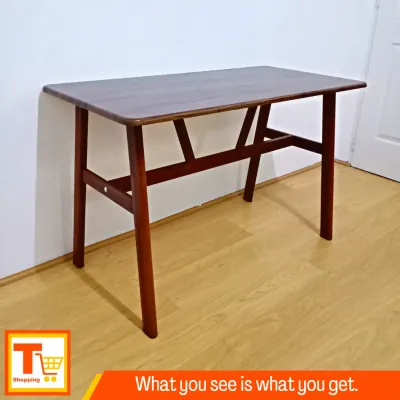
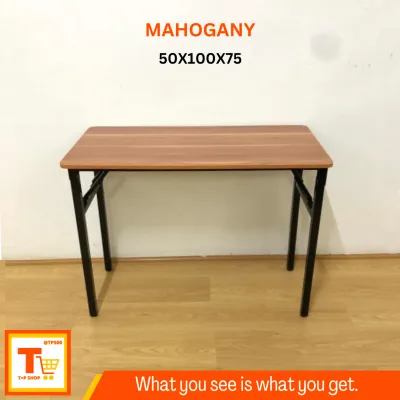
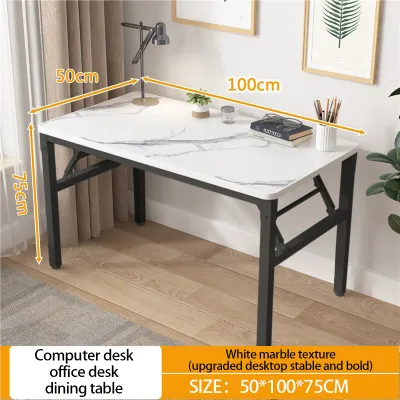
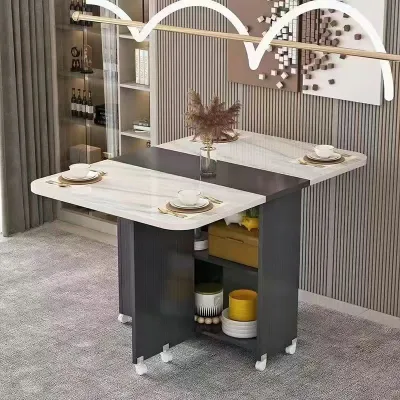
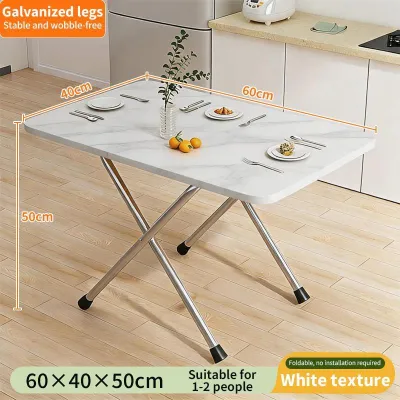
Prices are valid at publication and may change. Please refer to the product page for the latest price.
Do not overlook the logistics of getting the furniture into your home. Measure the clearance of your front door, narrow hallways, stairwells, and condominium elevators. Many extendable tables are heavy and shipped in large, flat-packed boxes; verifying these entry dimensions beforehand prevents the frustration of a delivery that cannot reach your dining room.
Choosing the Right Extension Mechanism
The mechanism that allows your table to expand plays a major role in both daily convenience and long-term usability. Drop-leaf tables feature hinged sides that hang down when not in use, making them highly compact but sometimes offering less legroom or stability at the edges. They are ideal for quick transitions but may not always scale up comfortably to seat ten adults.

Butterfly leaf tables store the extension panels directly inside the table frame. When you pull the table ends apart, the hinged leaf unfolds from the center like wings. This self-storing design is highly convenient for small apartments, as it eliminates the need to find extra storage space for loose table parts.
Removable leaf tables require you to insert separate panels into the center or ends of the frame. While these often provide a very flat and seamless dining surface, you must have a dedicated closet, under-bed space, or storage nook to keep the extra leaves safe when they are not in use. Ensure you check the smoothness of the metal or wooden sliding tracks and verify that the locking clips engage securely to prevent the table from separating during a meal.
Evaluating Stability and Material Durability
An extendable table must remain rock-solid even when stretched to its maximum capacity. When inspecting a table, pay close attention to the base and leg configuration. Trestle bases or pedestal designs often provide excellent leg clearance, but they must be engineered with a wide enough footprint to prevent tipping or wobbling when the outer leaves are fully loaded.
Always check the manufacturer’s specified weight capacity for the extended sections of the table. The cantilevered ends of drop-leaf or end-extension tables are particularly vulnerable to downward pressure. Placing heavy serving platters, hot pots, or portable cooking appliances on these extended sections can strain the joints if the table is not rated for such loads.
In humid tropical environments, material selection is critical for maintaining structural integrity. Solid wood can warp or swell with seasonal humidity changes, which may cause extension tracks to stick or misalign. Look for high-quality engineered wood cores with moisture-resistant veneers, or inspect the protective topcoats and edge banding of laminate surfaces to ensure they resist spills, condensation from cold drinks, and daily wear.
Space-Saving Seating and Layout Strategies
Seating ten people in a small dining area requires creative furniture choices. Traditional high-backed dining chairs take up substantial visual and physical space. Instead, consider pairing your extendable table with stackable chairs or folding seats that can be stored in a utility closet or balcony area when not in use.
A dining bench is another highly efficient option for small spaces. A bench can be tucked completely under the table when it is collapsed, keeping walkways clear. During larger gatherings, a single bench can easily accommodate three or four guests, offering more flexible seating than individual chairs.
When planning your layout, position the table so that it does not block primary walkways even when fully extended. You may need to temporarily shift other furniture, such as sideboards or console tables, to accommodate the temporary setup. Additionally, consider your dining light fixture; if you have a low-hanging pendant light, ensure its position still aligns reasonably well with the table’s shifted center when expanded, or use adjustable track lighting to distribute light evenly.
Common Sizing and Clearance Mistakes to Avoid
One of the most frequent errors is failing to account for the clearance behind seated guests. It is easy to assume a table fits if its physical dimensions match the room, but guests need space to push their chairs back and stand up comfortably. Leaving less than the recommended clearance can trap people at the table and block access to nearby doors or kitchens.
Another common oversight is mismatching the height of your existing chairs with the table’s apron. Some extendable tables have thick wooden aprons or support frames underneath to house the extension mechanisms. If your chairs have high armrests or thick seat cushions, they may not slide fully under the table, reducing usable space and causing discomfort for your guests.
Finally, avoid the assumption that any compact table labeled “extendable” can comfortably accommodate ten adults. Always verify the actual expanded length and compare it against realistic seating standards. Cramming ten people around a table designed to expand only to eight leads to bumped elbows and an uncomfortable dining experience.
Frequently Asked Questions (FAQ)
How much clearance is needed around an extended dining table?
To maintain comfortable movement, aim for a minimum clearance of 90 centimeters between the edge of the extended table and any walls or adjacent furniture. This provides enough space for guests to pull out their chairs and sit down. If the area behind the chairs serves as a primary walkway or leads to a doorway, increase this clearance to 120 centimeters to allow people to pass by without disturbing those who are seated. In irregularly shaped rooms, use temporary markers on the floor to map out these clearance zones before purchasing.
Can an extendable table support heavy appliances or buffet setups?
The load capacity of an extended table depends heavily on its design and the quality of its support tracks. Center-extension tables with robust metal glides generally distribute weight more evenly than drop-leaf or end-extension models. Always consult the manufacturer’s instructions for specific weight limits. To prevent structural damage or tipping, place heavy items like electric hot pots, beverage dispensers, or large ceramic serving dishes over the main support legs rather than on the unsupported outer edges of the extended leaves.
What is the best shape for a small-space extendable table?
Round or oval extendable tables are often the most effective shapes for tight spaces. The absence of sharp corners improves traffic flow, allowing family members to navigate around the table easily without bumping into edges. When expanded, round tables typically transform into an oval shape, which naturally accommodates extra chairs without creating awkward corner seats. Rectangular tables, however, are easier to push flush against a wall when collapsed, making them a practical choice for narrow dining zones or open-plan layouts.

Community discussion
Share your experience or ask a question. Comments are reviewed before publication.