
Optimizing a home study room requires a careful balance of accessibility, organization, and space management. When desk surfaces become cluttered with textbooks, reference manuals, and stationery, the environment can quickly turn distracting and counterproductive. Utilizing floating shelves wall mounted is an exceptionally efficient way to reclaim valuable desk space, elevate your study materials to eye level, and maintain a clean, focused workspace.
To find the floating shelves that work best for your home study, you must look beyond simple aesthetics. The ideal shelves must be engineered to support the heavy, concentrated weight of books, constructed from materials that resist the warping effects of tropical humidity, and anchored securely with hardware designed specifically for your wall type. By matching the shelf’s physical specifications to your actual storage needs, you can create a reliable, safe, and visually appealing organizing system that enhances your productivity.
Identify What You Need to Store
Before purchasing any shelving system, it is vital to conduct a thorough audit of the items you plan to store. Study rooms typically house a diverse mix of materials, ranging from heavy hardcover academic textbooks and dense binders to lightweight paperbacks, spiral notebooks, A4 documents, and small decorative items. Grouping your items by weight and size will help you determine the exact thickness, depth, and structural support your shelves will require.
Products mentioned in this guide
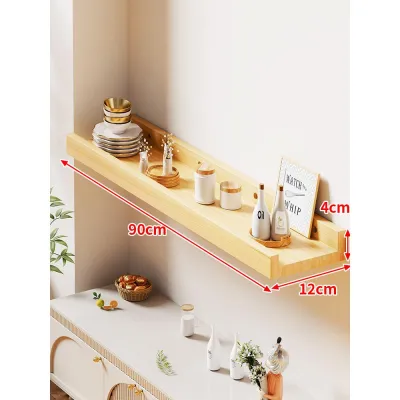
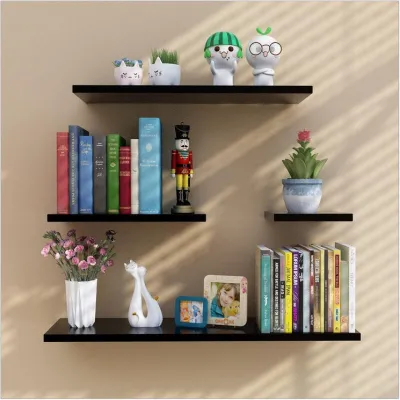
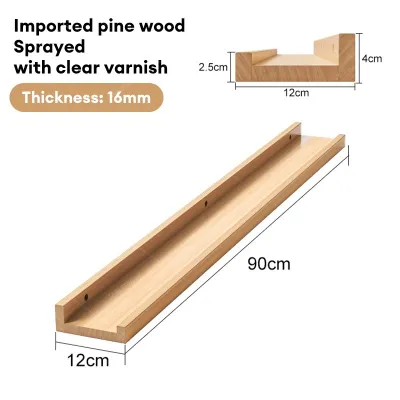
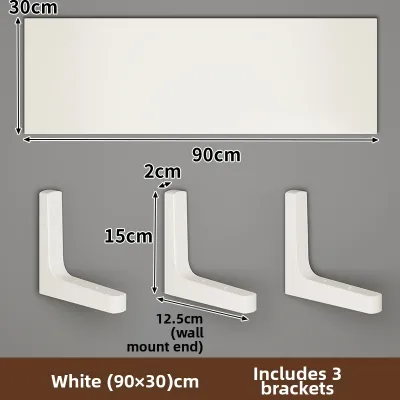
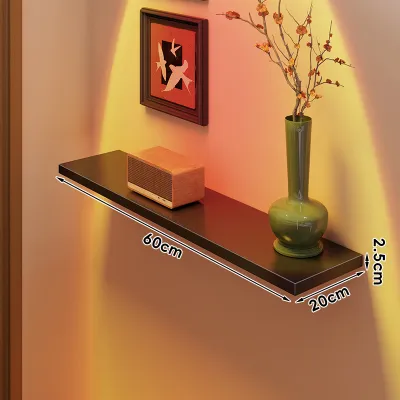
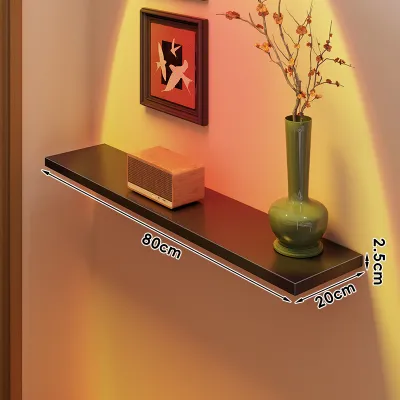
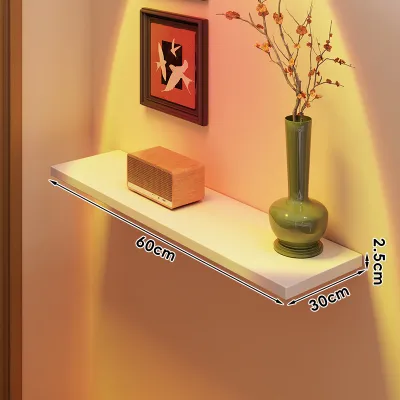
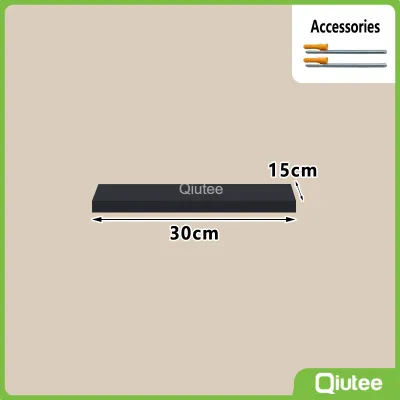
Prices are valid at publication and may change. Please refer to the product page for the latest price.
The primary load of your storage dictates the necessary shelf depth, thickness, and bracket strength. For example, if your inventory consists mostly of heavy reference manuals and thick binders, you will need robust shelves with heavy-duty internal steel brackets. Conversely, if you only need to store lightweight planners, stationery holders, and a few decorative items, you can opt for slimmer, more decorative shelf profiles. Overestimating your weight requirements is always safer than underestimating them, as overloaded shelves pose a safety hazard.
In addition to auditing your items, you must carefully measure the available wall space above or beside your study desk. Ensure that the finished dimensions of the shelves will not obstruct your natural movement or interfere with your office chair’s clearance when you recline or slide back. If you have a low ceiling or a compact study alcove, planning the vertical placement of your shelves beforehand prevents the room from feeling cramped and ensures that you can stand up from your desk without any risk of bumping into the shelf edges.
Sizing Shelves for Books and Documents
Selecting the correct dimensions for your floating shelves is crucial for both functional storage and long-term structural safety. Books and documents are deceptively heavy, and choosing shelves with inadequate dimensions can lead to unsightly sagging, damage to your walls, or even complete structural failure.

When considering shelf depth, you must match the dimensions to the specific items you intend to store. Standard paperbacks typically require a shelf depth of 15 to 20 centimeters, while large textbooks, technical manuals, and A4 binders need a depth of 25 to 30 centimeters. It is highly recommended to measure your largest textbooks or binders before making a purchase. Avoid buying shelves that are too shallow, as overhanging books can easily slip and fall. Conversely, shelves that are excessively deep—such as those exceeding 30 centimeters—can protrude too far into a small study room, making the space feel restricted and increasing the leverage force exerted on the wall brackets.
The relationship between shelf length, thickness, and material stiffness determines how well the shelf will resist bending over time. Longer shelves are naturally more prone to bowing under weight. If you select a shelf that is 90 centimeters or longer, it should have a thickness of at least 2.5 to 4 centimeters, or it must be supported by intermediate brackets. Thinner shelves made of flexible materials will quickly sag in the middle when loaded with dense books, which not only looks unprofessional but also compromises the stability of the entire mounting system.
Weight capacity is perhaps the most critical specification to verify before installation. Books are exceptionally dense; a single meter of tightly packed hardcover textbooks can easily weigh between 20 and 30 kilograms. You should strictly check the manufacturer’s stated weight limits on the product packaging or online listing. When planning your storage, always factor in a safety margin rather than loading the shelf to its absolute maximum capacity. For example, if a shelf is rated for 15 kilograms, aim to limit the total weight of your books to around 10 to 12 kilograms to ensure long-term stability and peace of mind.
Selecting Durable Materials for Humid Climates
The climate of your home study room plays a significant role in the longevity of your furniture. In tropical environments like the Philippines, high humidity levels can severely affect wood and metal components, making material selection a key consideration for durability.
When comparing solid wood and engineered wood, you must consider how each material reacts to moisture. Solid wood, such as local acacia, mahogany, or tanguile, offers exceptional natural strength and stiffness, making it highly resistant to bowing under heavy loads. However, solid wood must be properly treated and sealed to prevent warping in humid conditions. Engineered wood, such as medium-density fiberboard (MDF) or particleboard, is a highly cost-effective and widely available alternative. However, standard engineered wood can absorb moisture from the air, causing it to swell, crumble, or sag over time. If you choose engineered wood, look for moisture-resistant grades (such as MR-MDF) and ensure that all edges and joints are fully sealed with a high-quality laminate, lacquer, or polyurethane finish to block out humidity. Inspect joints and edges for tight seals before finalize your purchase.
Metal shelves offer an excellent alternative for those seeking a modern, industrial, or minimalist aesthetic in their study room. High-quality steel or aluminum floating shelves are incredibly strong and will not bow or warp under the weight of heavy books. When selecting metal options, always check for powder-coated or rust-proof finishes. Unprotected metal can quickly develop corrosion or rust in humid climates, which can ruin the aesthetic of your study and stain your valuable books and documents.
Beyond durability, the visual appearance of your shelves contributes directly to your study environment. Opting for matte finishes on your shelves can significantly reduce glare from desk lamps and overhead lighting, helping to create a distraction-free workspace. Neutral colors, such as natural wood tones, matte black, or clean white, help maintain a calm, professional atmosphere, allowing you to focus entirely on your work or studies.
Matching Hardware to Your Wall Type
The hidden bracket system is the single most critical factor for safety and load capacity when installing floating shelves wall mounted. Because floating shelves lack visible vertical supports or legs, the entire weight of the shelf and its contents is transferred directly to the wall through a concealed metal bracket. To ensure your shelves remain level and secure, you must identify your wall type before purchasing and match the installation hardware accordingly.
Always check the shelf manufacturer’s installation instructions and the wall anchor’s weight-rating labels. If the instructions conflict with your specific wall type, or if you are unsure of your wall’s composition, stop and consult a qualified professional installer.
Concrete and Masonry Walls
Solid concrete, brick, or masonry walls are highly common in many homes in the Philippines. These walls provide an exceptionally stable and high-load-bearing foundation, making them ideal for supporting heavy floating shelves filled with textbooks.
To mount shelves securely on a concrete wall, you must use a hammer drill equipped with the correct masonry drill bits. Standard plastic wall plugs and screws are often included in shelf kits, but for heavy book storage, upgrading to heavy-duty expansion anchors or sleeve anchors is highly recommended. Always verify whether the shelf kit includes hardware suitable for solid masonry, or if you need to purchase specialized concrete anchors separately from a local hardware store to ensure a secure fit.
Drywall and Hollow Block Walls
Drywall (gypsum board) and hollow concrete blocks present unique challenges for floating shelf installation. Standard drywall is relatively soft and brittle; attempting to mount a heavy, book-loaded floating shelf directly onto drywall using basic plastic anchors will almost certainly result in the shelf tearing out of the wall, damaging your home and your belongings.
When dealing with drywall, the safest approach is to locate the wooden or metal wall studs behind the plaster using a stud finder and mount the hidden brackets directly into them. If the studs do not align with your desired shelf placement, you must use heavy-duty toggle bolts or hollow-wall anchors that are specifically rated for the weight of your shelf and books. For hollow block walls, specialized sleeve anchors designed for hollow masonry are required. If you are uncertain about the load capacity of your drywall or hollow block walls, or if the installation feels unstable, it is highly recommended to consult a professional installer to prevent costly wall damage.
Arranging Items for Balance and Focus
Once your floating shelves are securely installed, the way you arrange your items will affect both the structural stability of the shelves and the overall productivity of your study room. Proper organization prevents unnecessary strain on the mounting hardware while creating a visually pleasing environment.
To maintain optimal balance and minimize stress on the wall anchors, always place your heaviest items closest to the wall and directly over the hidden bracket supports. Placing heavy textbooks at the outer edge of a deep shelf creates a leverage effect, which multiplies the pulling force on the wall anchors and increases the risk of sagging. Keep lighter items, such as stationery holders, small notebooks, and decorative pieces, toward the outer edges or on higher shelves.
Using sturdy, heavy-duty bookends is essential for keeping paperbacks and softcover documents upright. When books are allowed to slump or lean at an angle, they exert a continuous lateral force that can damage their spines and cause uneven weight distribution on the shelf. Choose bookends with non-slip rubber bases to prevent them from sliding under the weight of your collection.
Finally, avoid packing your shelves completely solid from end to end. Incorporating visual “breathing room” or negative space helps prevent your study area from feeling cluttered and overwhelming. Try mixing vertical book arrangements with small horizontal stacks, which can also double as pedestals for small items. Leaving a few empty spots for a small low-maintenance desk plant, such as a snake plant or a pothos, or a compact task light can soften the look of the room, reduce stress, and promote a more focused and productive study experience.
Frequently Asked Questions (FAQ)
Can floating shelves hold a large collection of hardcover textbooks?
Yes, heavy-duty floating shelves can hold hardcover textbooks, but you must strictly adhere to the manufacturer’s specified weight limits and ensure the shelf is anchored into a solid wall or wall studs. To prevent bowing and minimize strain on the hardware, it is highly recommended to use shorter shelf spans (such as 60 centimeters) rather than long, unsupported runs, or to choose shelves with reinforced internal steel brackets.
How far apart should multiple floating shelves be spaced?
For a home study room, you should space your floating shelves based on the height of your tallest books, binders, or files. Measure your tallest items and add at least 5 to 8 centimeters of clearance to allow for easy retrieval without scraping the shelf above. A standard spacing of 30 to 40 centimeters between shelves is usually ideal, but you can adjust this if you plan to store taller binders on the lower shelves and shorter paperbacks or stationery on the upper levels.

Community discussion
Share your experience or ask a question. Comments are reviewed before publication.