
Choosing the right foldable bed for a small condo bedroom in the Philippines depends on whether you need a daily sleeping solution or an occasional guest setup. For daily use that completely frees up floor space, wall-mounted beds and convertible sofa beds are highly effective. For temporary or guest arrangements, rollaway frames, trundle beds, and tri-fold floor mattresses offer excellent flexibility without requiring permanent structural changes. Maximizing a compact studio or one-bedroom condo unit requires balancing the bed’s unfolded footprint with the clearance needed to walk around the room comfortably. By selecting a design that matches your daily routine and room dimensions, you can enjoy a comfortable night’s sleep without sacrificing valuable daytime living space.
Key Criteria for Choosing a Foldable Bed
When evaluating a foldable bed, the first step is comparing its folded and unfolded dimensions against your available floor space. A bed that fits perfectly when open might block wardrobe doors, bathroom entryways, or balcony access. You must measure the swing zone, which is the path the bed takes as it transitions from folded to unfolded. Ensure there is at least 50 to 60 centimeters of walking clearance around the sides and foot of the bed when it is fully extended.
Not all foldable beds accommodate standard mattresses. Many folding mechanisms require a specific mattress thickness—often limited to 10 to 15 centimeters—to fold properly without straining the frame or hinges. Before purchasing, check if the frame uses a proprietary mattress or if you can replace it with a standard local mattress size when it wears out. Verify if the folding action compresses the mattress, as this can cause premature wear on certain materials.
Products mentioned in this guide
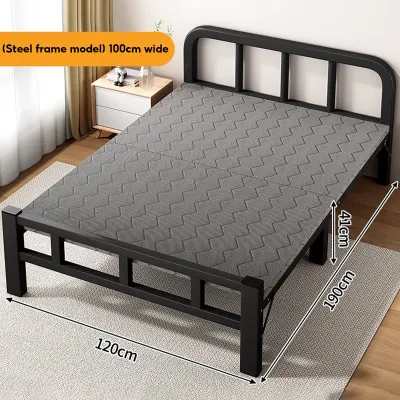
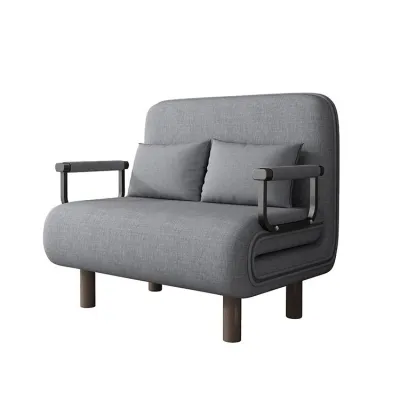
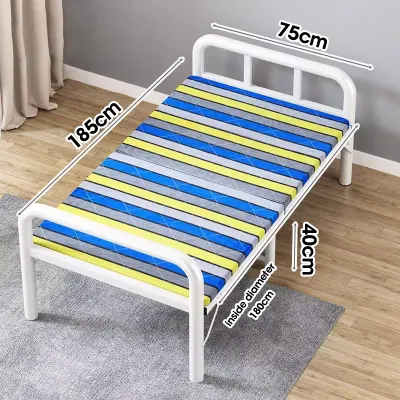
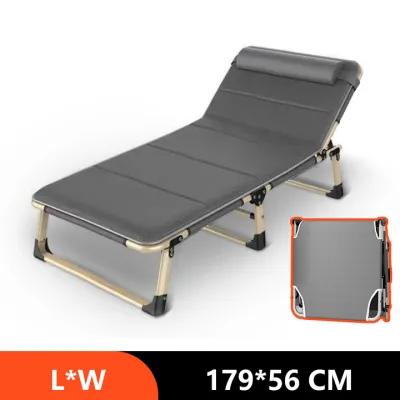
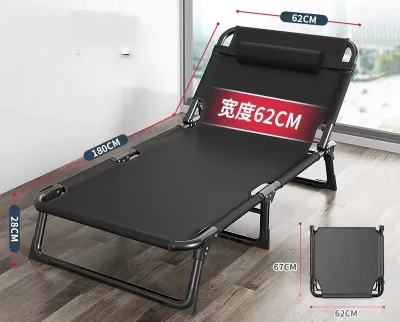
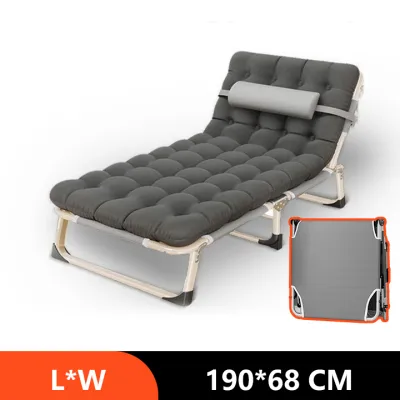
Prices are valid at publication and may change. Please refer to the product page for the latest price.
In the tropical climate of the Philippines, material selection plays a significant role in the longevity of your bed frame. High humidity levels can cause untreated wood frames to warp or expand, which can jam folding mechanisms. Similarly, low-grade metal frames may rust if they lack a proper protective coating. When shopping, prioritize materials with moisture-resistant finishes and check that all joints are reinforced with heavy-duty hardware rather than simple glue or light staples.
The longevity of a foldable bed relies heavily on its structural frame and joint quality. Look for powder-coated steel frames or reinforced solid wood supports rather than thin metal tubes. Check the manufacturer’s specified weight capacity, which must accommodate both the mattress and the sleepers. Smoothness in the folding mechanism—whether it uses gas struts, tension springs, or manual hinges—is crucial for daily ease of use and long-term stability.
Consider the installation complexity and your budget in Philippine Pesos (₱). While basic tri-fold mattresses are highly affordable and require zero assembly, wall-mounted beds represent a significant financial investment and require secure anchoring. Factor in potential professional installation fees, as improper mounting can lead to structural damage or safety hazards. Always verify the delivery conditions, as large frames may not fit into standard condo elevators.
Best Foldable Bed Types for Small Condos
Different folding mechanisms serve distinct spatial and lifestyle needs in compact residences. Some designs prioritize complete concealment to turn a bedroom into a home office during the day, while others focus on dual-purpose utility or quick, temporary setup for weekend guests. Understanding how each category functions allows you to match the bed’s mechanics to your specific daily routine and spatial constraints.

Murphy and Wall Beds
Murphy beds, also known as wall beds, fold vertically or horizontally into a dedicated cabinet mounted against the wall. This design is an excellent space-saver for studio apartments or multi-functional rooms, as it completely reclaims the bed’s footprint during daylight hours. When folded up, the cabinet can blend seamlessly with your wardrobe or feature integrated shelving and desks, making it ideal for residents who work from home.
However, Murphy beds require careful structural planning. They must be securely anchored to a solid concrete wall or heavy-duty studs to prevent tipping. You must verify that your ceiling height accommodates the vertical cabinet and that there is ample clearance for the bed’s downward swing. Because of the mechanical tension required to lift and lower the bed safely, these models carry a higher upfront cost and almost always require professional installation.
Rollaway and Trundle Beds
Rollaway and trundle beds offer practical horizontal space-saving solutions without requiring permanent wall modifications. Rollaway beds feature a folding metal frame on wheels that can be rolled into a closet or utility corner when not in use. Trundle beds, on the other hand, slide directly underneath a primary daybed or standard bed frame, pulling out only when an extra sleeping surface is needed.
When choosing these options, pay close attention to wheel locks and frame stability. Low-quality casters can scratch delicate laminate or vinyl condo flooring, so look for rubberized or polyurethane wheels. Ensure the trundle mechanism slides smoothly and that your room has enough clear floor space to pull the secondary bed out fully. Keep in mind that the mattress on a trundle or rollaway bed is typically thinner to allow it to slide or fold easily, which may limit long-term comfort.
Convertible Sofa Beds and Futons
Convertible sofa beds and futons are classic dual-purpose furniture pieces perfect for studio condos where the living room and bedroom share the same space. During the day, they provide comfortable seating for hosting guests or watching television, and at night, they easily transition into a sleeping surface. This eliminates the need for two separate bulky pieces of furniture in a single room.
When evaluating a sofa bed, test the folding mechanism to ensure you can operate it daily without excessive physical strain. It is important to balance seating comfort with sleeping support; some models have prominent gaps or bars in the frame that can be felt through the cushions. Additionally, sofa beds tend to be heavy and bulky even when folded. Before purchasing, carefully measure your condo building’s elevator doors, narrow hallways, and your unit’s entryway to ensure the delivery team can safely maneuver the piece into your home.
Tri-Fold and Floor Mattresses
For highly restricted spaces or tight budgets, tri-fold and floor mattresses offer a lightweight and ultra-compact alternative. These mattresses consist of high-density foam divided into three hinged sections, allowing them to fold into a compact block that can be stored in a wardrobe, under a raised bed, or against a wall. They are highly portable and require absolutely no assembly or structural modifications to your condo.
The primary drawback of floor mattresses is the lack of an elevated structural frame, which can make getting in and out of bed difficult for some users. Furthermore, placing a mattress directly on the floor in the humid tropical climate of the Philippines can trap moisture underneath. To prevent mold and mildew, you must regularly lift and air out the mattress, or place it on a low-profile, breathable slatted base. While highly convenient for occasional use or minimalist setups, they generally offer less orthopedic support for long-term daily sleeping compared to framed options.
Space Planning and Installation Checks
Before purchasing any foldable bed, precise measurements of your condo bedroom are essential to avoid costly delivery returns or installation failures. Start by measuring the room’s total floor area, ceiling height, and the specific wall space where the bed will be placed. Create a floor plan that accounts for the bed in both its fully folded and fully unfolded states, ensuring that open doors, wardrobe drawers, and walking paths remain completely unobstructed.
Do not overlook architectural details that can interfere with installation. Baseboards along the floor, electrical outlets, light switches, and window sills can prevent a wall bed cabinet from mounting flush against the wall. If an outlet is blocked, you may need to coordinate with an electrician to relocate it before installation. Additionally, check the swing path of ceiling fans and light fixtures to ensure they will not collide with a vertical Murphy bed during operation.
Do not forget to measure the entire delivery path from the building’s unloading bay to your bedroom door. Many modern condo developments in Manila have tight elevator dimensions, narrow stairwells, and sharp hallway corners. A large, fully assembled sofa bed or a one-piece Murphy bed frame might not clear these tight spaces. Always request the packaged dimensions from the retailer and compare them against your building’s service elevator height and width to avoid delivery day complications.
Finally, always consult your condo association’s property management office before proceeding with any installation that requires drilling. Many high-rise developments in the Philippines have strict guidelines regarding structural alterations, drilling into post-tension slabs, or mounting heavy furniture to shared partition walls. You may need to submit an engineering layout or secure a work permit before your delivery and installation team can enter the building.
Maintenance and Safety Guidelines
Proper maintenance is key to ensuring the longevity and safe operation of your foldable bed. For framed models, establish a routine of inspecting all moving parts, including hinges, springs, gas pistons, and locking pins, at least once every few months. Listen for any unusual squeaks or resistance when folding the bed, which can indicate misalignment. Tighten any loose bolts immediately to prevent uneven wear on the frame.
Strictly adhere to the manufacturer’s stated weight capacity limits. Overloading a foldable bed can warp the frame, strain the folding joints, or cause the lifting mechanisms to fail prematurely. When using wall beds, always ensure the safety locking pins or latches are fully engaged when the bed is folded up to prevent accidental deployment when the bed is not in use.
Keep the folding tracks and hinges completely clear of dust, lint, and debris, which can accumulate quickly in urban condo environments. If the manufacturer’s manual recommends lubrication, apply only the specified type of silicone or dry lubricant to the moving joints; avoid using heavy oils that can attract dust and clog the mechanism. For fabric-covered sofa beds and futons, vacuum the folding crevices regularly to prevent dirt from grinding into the mechanical parts.
Frequently Asked Questions (FAQ)
Can I use a regular mattress on a foldable bed frame?
In most cases, standard thick mattresses are not compatible with foldable bed frames. Traditional spring or thick foam mattresses often exceed the depth limits of folding cabinets or trundle compartments, preventing the bed from closing fully or putting excessive strain on the hinges. Additionally, heavy mattresses can overwhelm the tension springs or gas struts of a Murphy bed, making it difficult or unsafe to lift. Always check the manufacturer’s specifications for the maximum allowable mattress thickness and weight before attempting to use an existing mattress on a foldable frame.
Are foldable beds comfortable enough for everyday use?
Yes, high-quality foldable beds can provide excellent comfort for daily sleep, but this depends heavily on the specific type you choose. Murphy beds with slatted wooden bases and proper high-density foam or pocket spring mattresses offer support comparable to standard stationary beds. In contrast, rollaway beds and thin tri-fold floor mattresses are designed for temporary use and may lack the structural rigidity and cushioning required for long-term daily comfort. Investing in a sturdy frame and a supportive, compatible mattress is essential if the bed will be used every night.
How do I prevent mold under a floor folding mattress?
The humid tropical climate of the Philippines makes floor-resting mattresses highly susceptible to mold and mildew due to trapped body heat and floor condensation. To prevent this, never leave a tri-fold mattress flat on the floor permanently. Lift and prop the mattress open in a well-ventilated area with a fan or air conditioner running at least once a week. Using a breathable, low-profile slatted wooden floor grate underneath the mattress can also help create essential airflow, keeping the sleeping surface dry and hygienic.

Community discussion
Share your experience or ask a question. Comments are reviewed before publication.