
Living in a compact urban space in the Philippines, such as a studio condominium in Metro Manila or a cozy bedroom in a shared family home, requires smart furniture choices. When floor space is at a premium, traditional single-purpose furniture can quickly make a room feel cramped and cluttered. A chair bed foldable foam design is an exceptional solution to this common spatial dilemma. This versatile, dual-purpose furniture piece serves as a comfortable, space-saving armchair during the day and easily transitions into a supportive bed at night.
By eliminating the need for a bulky, permanent bed frame, a folding foam chair bed allows you to reclaim valuable floor area for daily activities, work, or exercise. Whether you are hosting occasional overnight guests, furnishing a rental property, or looking to maximize your own compact bedroom, understanding the different styles, materials, and maintenance needs of these folding beds will help you make an informed and practical investment.
Space-Saving Benefits of Foldable Foam Chair Beds
In modern Philippine real estate, residential units are increasingly designed with compact layouts. Studio apartments and micro-condos often range from 18 to 30 square meters, leaving very little room for traditional furniture arrangements. A standard twin bed frame permanently occupies a significant portion of a room’s footprint, leaving minimal space for a desk, wardrobe, or movement. A foldable foam chair bed directly addresses this challenge by offering high-utility dual functionality. During daytime hours, the unit folds neatly into a compact chair or lounge seat, providing a dedicated space to read, work from home, or relax. When night falls, or when a guest stays over, the chair unfolds smoothly into a flat sleeping surface, instantly transforming the room’s function without requiring heavy lifting or complex rearrangement.
Products mentioned in this guide
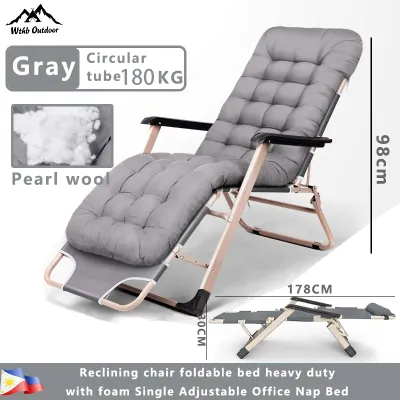
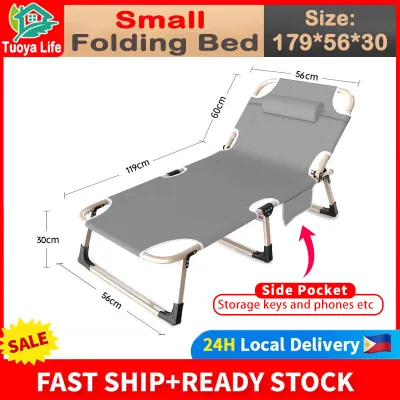
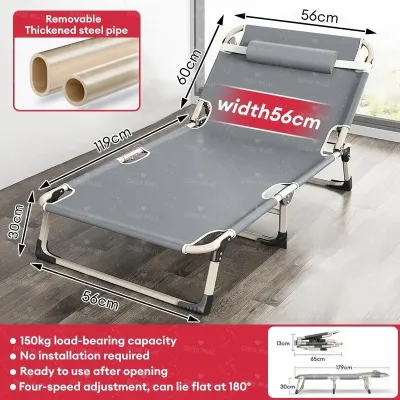
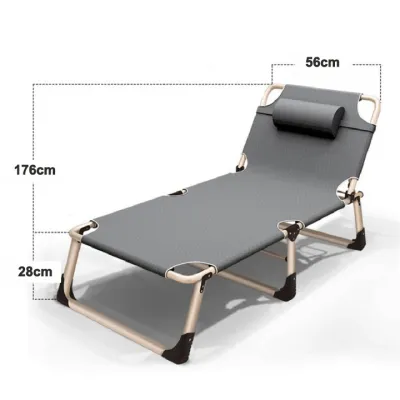
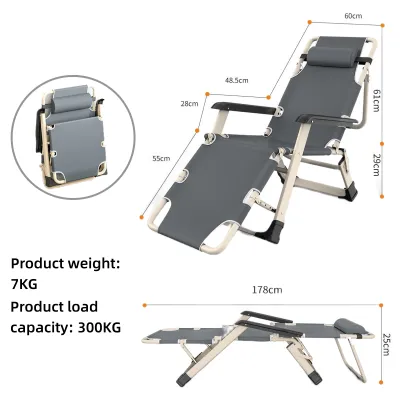
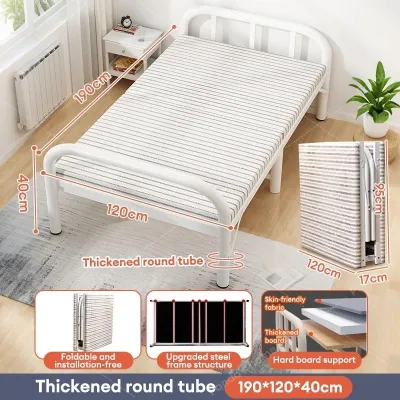
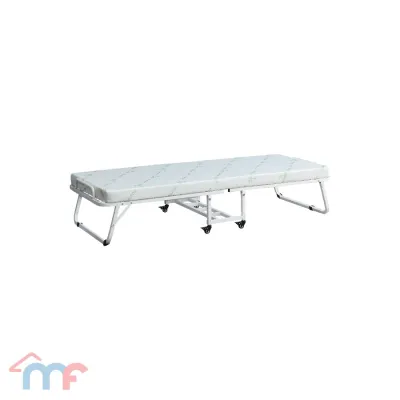
Prices are valid at publication and may change. Please refer to the product page for the latest price.
Beyond their dual-purpose nature, these folding beds offer significant advantages in terms of mobility and weight compared to traditional spring mattresses. Standard spring mattresses are heavy, rigid, and exceptionally difficult to maneuver through tight spaces. Moving a traditional mattress up narrow condo stairwells, into small service elevators, or through tight bedroom doorways can be an exhausting and stressful process. In contrast, foam construction is inherently lightweight and flexible. This makes it incredibly easy to reposition the furniture within your room, slide it out of the way for deep cleaning, or transport it to a different part of the home when needed.
Maximizing the usable floor area also has a profound psychological and environmental impact on a small bedroom. A cluttered, overcrowded room can feel hot, stuffy, and visually chaotic, which is particularly undesirable in a warm, tropical climate. By folding your bed away during the day, you open up the floor plan, allowing for better natural light distribution and improved air circulation. This open space creates a more serene, breathable environment that enhances your overall comfort and well-being in your home.
What to Check Before Buying a Foldable Foam Chair Bed
Investing in a folding chair bed requires careful consideration of several technical and physical specifications. Because this piece of furniture will serve both as seating and a sleeping surface, selecting a model based solely on appearance can lead to discomfort or premature wear. To ensure you choose a high-quality product that fits your lifestyle and physical space, you must evaluate three primary factors: foam density, structural durability, and precise spatial dimensions.

Foam Density and Support
When evaluating a folding foam bed, the quality of the foam core is the most critical factor determining your comfort and the product’s lifespan. You should always check the product labels or manufacturer specifications for foam density rather than assuming all foam materials perform the same. Look for high-density polyurethane foam (often referred to as HD foam) or resilient orthopedic foam. High-density foam features a compact cell structure that distributes body weight evenly, provides excellent spinal alignment, and prevents you from “bottoming out”—a common issue where the foam compresses so much under your weight that you can feel the hard floor or metal frame underneath. Standard or low-density foams may feel soft and inviting at first, but they tend to sag, lose their shape, and develop permanent indentations after only a few months of regular use. If you plan to use the chair bed frequently, prioritizing a firm, high-density foam core will ensure it remains supportive and comfortable for years to come.
Folding Mechanism and Frame Durability
For models that incorporate an integrated frame, the structural integrity of the conversion mechanism is vital for safety and ease of use. Inspect the frame materials listed by the manufacturer, looking for robust options such as powder-coated steel or reinforced aluminum. These metals offer the necessary strength to support daily use while remaining light enough to transition smoothly. Carefully examine the hinges, joints, and locking systems; they should operate quietly and seamlessly without requiring excessive force or presenting pinching hazards to your fingers. Always verify the manufacturer’s stated maximum weight capacity to ensure the frame can safely accommodate your weight or the weight of your guests. A well-constructed frame prevents the chair from wobbling when you sit on the edge and ensures a stable, squeak-free sleeping platform when fully extended.
Dimensions and Space Clearance
Before making any furniture purchase for a small bedroom, precise physical measurements are non-negotiable. You must measure your available floor space and compare it against two distinct sets of dimensions provided by the manufacturer: the folded chair footprint and the fully unfolded bed length. It is not enough for the bed to simply fit inside the room; you must also account for walking clearance around the perimeter of the bed when it is fully deployed. Ensure that unfolding the bed does not completely block access to your wardrobe doors, study desk, or the main bedroom entryway. Additionally, consider the height of the sleeping surface; some floor-style models sit very low, which may make standing up difficult for some users, while framed models offer a more natural, elevated bed height.
Choosing the Best Chair Bed Foldable Foam Styles for Compact Rooms
The Philippine market offers several distinct configurations of folding foam chair beds, each catering to different lifestyles, aesthetic preferences, and budget ranges. Understanding the structural differences between these styles will help you select the one that best aligns with your daily routine and space constraints.
Tri-Fold Floor Chair Beds
The tri-fold floor chair bed is the simplest, most lightweight, and highly portable option available. This design consists of three thick foam panels connected by a durable fabric cover, allowing the panels to stack neatly on top of one another to form a low-profile floor chair, or unfold flat to create a floor mattress. Because they completely lack a metal or wooden frame, tri-fold beds have no mechanical parts that can wear out or break over time. This simplicity makes them incredibly easy to fold, carry, and store inside a closet or slide under a larger bed frame when not in use.
While tri-fold floor beds are highly practical and generally the most budget-friendly option—making them excellent for students, renters, or occasional overnight guests—they do have some limitations. Because they sit directly on the floor, they do not benefit from the under-bed airflow that elevated frames provide, which can be a concern in humid tropical climates. Additionally, the very low sleeping position may be uncomfortable or physically challenging for older adults or individuals with mobility issues. However, if you need an affordable, highly flexible seating and sleeping solution that can be tucked away in seconds, the tri-fold floor design is an outstanding choice.
Convertible Foam Loungers with Metal Frames
Convertible foam loungers feature a high-density foam mattress mounted onto an adjustable metal chassis. This style is characterized by its multi-position reclining backrest, which utilizes a click-clack or ratchet mechanism to lock into various angles, transitioning from an upright reading chair to a relaxed lounger, and finally dropping completely flat into a single bed. The primary benefit of this design is elevation; keeping the sleeping surface raised off the floor protects the sleeper from floor-level dust, drafts, and moisture, while providing a much more traditional bed-like experience.
The adjustable backrest also offers superior ergonomic support for activities like reading, studying, or watching television in a small bedroom. However, the inclusion of a metal frame means these loungers are heavier and bulkier than frameless tri-fold options, making them more difficult to move between rooms or store in tight closets. The mechanical joints also require gentle, mindful operation to prevent damage to the locking teeth over time. This style is highly recommended for studio condo residents who intend to use the chair bed daily as their primary seating and sleeping furniture.
Futon-Style Foam Chair Beds
Futon-style foam chair beds represent a classic, sturdy approach to space-saving furniture. This design features a thick, resilient foam mattress paired with a hinged wooden or metal frame that easily slides or folds down to create a flat sleeping platform. Unlike standard sofas, a futon chair bed is specifically designed with a slatted base that supports the foam mattress evenly, mimicking the feel of a traditional bed frame.
The main advantage of a futon-style chair bed is its superior comfort and robust support, making it the closest alternative to a permanent bed. The thick foam mattress provides excellent pressure relief, and the elevated, solid frame offers outstanding stability. On the downside, futon chair beds tend to have a larger, heavier footprint, even when folded into a chair, and they require more physical effort to convert from seating to sleeping mode. They are best suited for small bedrooms or guest rooms where the furniture will remain in a fixed position and where sleeping comfort is the absolute highest priority.
Caring for Foam Furniture in Humid Climates
The tropical climate of the Philippines, characterized by high temperatures and high relative humidity, requires proactive care to maintain the integrity of foam furniture. Polyurethane foam is a porous material that naturally absorbs moisture from the air, as well as sweat and body oils from daily use. If moisture becomes trapped within the foam core without proper ventilation, it can lead to musty odors, fiber degradation, and the development of mold or mildew.
To protect your investment and ensure a hygienic sleeping environment, establish a consistent maintenance routine. Regularly air out your folding foam bed by fully unfolding it in a well-ventilated area. Opening your bedroom windows, running a ceiling fan, or utilizing an air conditioner or home dehumidifier will help draw out trapped moisture from the foam. Always use a high-quality, breathable, and washable mattress protector or removable cover. This protective layer acts as a barrier against sweat, spills, and dust mites, and can be easily laundered to keep your sleeping surface fresh.
When positioning your chair bed in your room, try to avoid placing it directly flush against exterior concrete walls. In humid climates, exterior walls can experience temperature variations that lead to condensation building up on the inside surface, which can quickly transfer to your furniture and cause mold growth. Leave a gap of at least two to three inches between the wall and the chair to facilitate continuous airflow. When cleaning spills, always refer to the manufacturer’s care instructions first. Avoid soaking the foam core with water or using harsh chemical solvents, as excess liquid trapped deep inside the foam can cause it to break down and crumble. Instead, spot-clean stains gently with a damp cloth and a mild soap solution, ensuring the area is completely dry before folding the bed back up.
Frequently Asked Questions (FAQ)
Can a foam chair bed replace a regular mattress for daily sleeping?
While a high-quality, high-density foam chair bed can provide excellent support for short-to-medium-term use, it may not offer the same level of long-term ergonomic comfort as a premium, full-sized daily mattress. The seams between the folding panels can sometimes be felt over time, and the thinner profile of portable foam beds offers less overall cushioning depth for spinal alignment. If you plan to use a folding foam bed as your primary nightly sleeping surface, it is highly recommended to invest in a model with the highest density foam available, consider adding a thin, seamless mattress topper to bridge the folding joints, and rotate the mattress regularly to ensure even wear and prevent sag.
How do I prevent mold on a foam chair bed in a small, unventilated room?
Preventing mold in a compact, poorly ventilated bedroom requires active humidity control and mindful daily habits. Avoid folding the chair bed immediately after waking up; instead, leave it unfolded for at least 15 to 30 minutes to allow body heat and moisture to evaporate completely. Use a moisture-wicking or water-resistant mattress protector under your bed sheets to shield the foam from sweat. If your room lacks natural cross-ventilation, consider using a compact electronic dehumidifier or keeping a stand fan running to promote air circulation. Additionally, periodically lift the foam off the floor or frame to check for any signs of dampness and allow the underside to dry completely in a well-ventilated space.

Community discussion
Share your experience or ask a question. Comments are reviewed before publication.