
Finding the right bed for a compact bedroom or a studio condo in the Philippines requires balancing sleeping comfort with daytime floor space. A foldable wooden bed offers a practical solution to this challenge, allowing you to reclaim valuable square footage when the bed is not in use while retaining the warm, inviting aesthetic of natural wood. However, selecting the right model involves more than just picking a style that matches your decor. Because Philippine homes often face high relative humidity, tight condo elevator dimensions, and varied wall structures, you must carefully evaluate the folding mechanism, wood treatment, and installation requirements. By focusing on precise measurements, structural integrity, and verified seller specifications, you can find a space-saving bed that remains safe, stable, and comfortable for years to come.
Measure Your Space: Clearances for Folded and Unfolded States
Before browsing online marketplaces, establish the exact physical limits of your room. A foldable wooden bed operates in two distinct states, and both require dedicated clearance. Start by measuring the footprint of the bed when fully unfolded. To ensure comfortable daily use, leave a clearance of at least 50 to 60 centimeters on at least two sides of the bed. This open space is essential for getting in and out of bed and for the daily task of changing bedsheets.
Next, measure the folded depth. When the bed is folded up against the wall or stored in a corner, its depth still occupies physical space. Ensure this folded depth does not block high-traffic pathways, entry doors, or wardrobe cabinets. In tight studio layouts, even a few centimeters of protrusion can prevent a closet door from opening fully. If you are considering a vertically folding wall bed, measure your floor-to-ceiling height accurately. Many standard Philippine condos have drop ceilings, low-hanging beams, or light fixtures that can obstruct a tall wooden frame during deployment.
Products mentioned in this guide
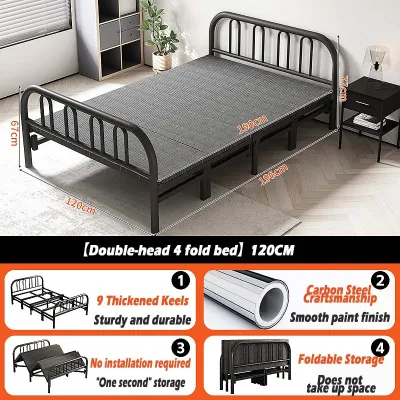

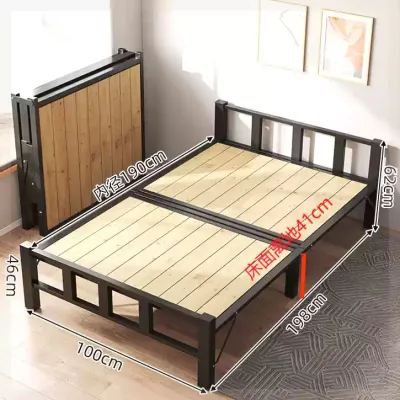
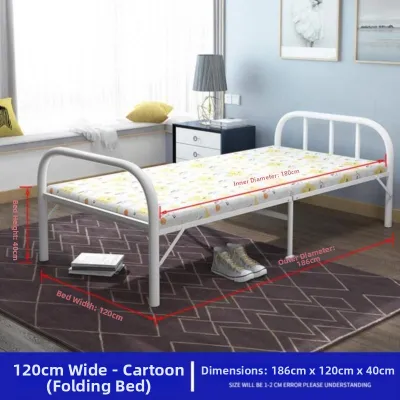


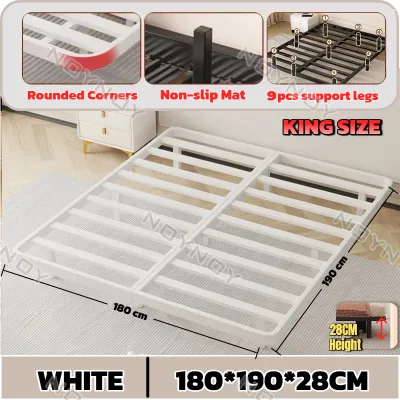
Prices are valid at publication and may change. Please refer to the product page for the latest price.
Additionally, look closely at the wall where you plan to install the bed. Take note of any wall outlets, light switches, or air conditioning vents. A folding bed that blocks an outlet restricts your ability to charge devices, while blocking an air conditioning vent can disrupt airflow and cause condensation to build up on the wooden frame.
Finally, measure the journey the bed must take to reach your bedroom. Many multi-story residential buildings and condominiums in urban areas have strict elevator weight limits and narrow stairwells. Before finalizing any purchase, measure the height, width, and depth of your building’s service elevator, as well as the clearance of your front door frame. Heavy, pre-assembled wooden headboards or long side rails can easily become wedged in tight corridors, turning a delivery into an expensive logistical headache.
Match the Mechanism: Types of Foldable Wooden Beds for Small Layouts
Foldable wooden beds come in several distinct structural designs, each suited to different room layouts, usage frequencies, and installation capabilities.

Wall-mounted Murphy beds are an excellent space-saving option for studio apartments or single-room living spaces. These beds fold flat against the wall when not in use, completely freeing up the floor area below. They are available in both vertical and horizontal orientations. Vertical configurations are ideal for rooms with high ceilings and sufficient depth, mimicking the layout of a traditional bed. Horizontal configurations fold along the longer side of the frame, making them excellent for narrow rooms, low ceilings, or spaces where a vertical bed would block a window or an air conditioning unit. This flexibility is highly beneficial for remote workers who need to convert their bedroom into a professional home office during the day.
If you rent your home or prefer not to drill into the walls, freestanding bi-fold or Z-fold wooden frames offer a highly flexible alternative. These frames do not require permanent wall anchoring and can be folded in half or thirds to be tucked into a closet or placed against a wall during the day. While they do not fold completely flush like a Murphy bed, their portability makes them highly versatile. You can easily move them between rooms or pack them up when relocating.
For multi-purpose rooms or guest spaces, rollaway wooden beds equipped with locking casters provide temporary sleeping arrangements that can be deployed in seconds. These beds typically feature a lightweight wooden slat frame that folds in the center. The integrated wheels allow you to roll the bed from a storage closet directly to the living room or study. When choosing this type, ensure the casters feature robust locking mechanisms to prevent the bed from shifting or rolling while you sleep.
Check the Specs: Wood Types, Hinges, and Weight Limits
The durability and safety of a foldable wooden bed depend heavily on its material composition and the quality of its moving parts. Because folding beds undergo regular mechanical stress, you must look closely at the structural specifications before making a decision.
When evaluating the frame material, compare the characteristics of solid wood versus engineered wood, such as plywood or medium-density fiberboard (MDF). Solid wood frames, such as those made from sustainably sourced local hardwoods or imported pine, offer high structural rigidity and long-term durability, but they are significantly heavier and more expensive. Engineered wood options are lighter and often more budget-friendly, but they can be more susceptible to sagging under heavy loads. In the humid climate of the Philippines, untreated engineered wood can absorb moisture from the air, leading to swelling, structural weakening, or mold growth. If choosing engineered wood, verify that it features a high-quality, moisture-resistant laminate or veneer finish, and check if the wood has been treated with a protective sealant to withstand seasonal humidity changes.
The folding joints themselves are the most common failure points on these beds. Wooden joints alone cannot safely withstand the dynamic stress of daily folding and unfolding. Look for models that utilize heavy-duty metal hinges, steel brackets, or pneumatic gas pistons to assist with the lifting and lowering process. These metal components should be securely bolted through the wooden frame rather than held by simple wood screws, which can strip over time.
Additionally, always review the manufacturer’s stated maximum weight capacity. This limit must accommodate the combined weight of the mattress, the pillows, the bedding, and the sleepers themselves. Underestimating this capacity can lead to structural failure, warped slats, or damaged hinges, compromising both your safety and your investment.
Plan the Setup: Installation, Anchoring, and Safety Locks
A foldable wooden bed is a dynamic piece of furniture with moving parts, meaning proper installation and safety precautions are non-negotiable. This is especially true for wall-mounted units, which carry a risk of tipping if not secured correctly.
If you select a wall-mounted Murphy bed, you must plan the anchoring method based on your wall structure. These beds exert significant leverage on the wall when being pulled down. In the Philippines, condo walls are commonly constructed from either hollow concrete blocks (CHB) or lightweight drywall over metal studs. Anchoring a heavy wooden bed directly into drywall without locating the metal studs is highly dangerous. For concrete walls, you will need heavy-duty masonry expansion bolts to ensure a secure hold. If you are renting, always consult your building administration or landlord before drilling into the walls, as structural modifications may be restricted.
Another critical installation detail is the presence of baseboards along the floor. Many wall beds cannot sit flush against the wall because of thick baseboards, which can prevent the frame from being anchored securely. Check if the bed frame features a pre-cut baseboard notch at the back, or plan to use spacers to bridge the gap without compromising the stability of the anchors.
Safety locking mechanisms are another critical feature to evaluate. High-quality foldable beds should include automatic or manual locks that keep the bed securely in its upright, folded position. This prevents the bed from accidentally deploying due to gravity, vibrations, or accidental pulling. Similarly, when the bed is unfolded, look for safety latches that lock the legs in place to prevent the frame from collapsing unexpectedly if someone sits near the edge.
Finally, assess your bedroom’s floor surface. If you choose a rollaway bed or a folding frame with legs that contact the floor, ensure the feet are equipped with protective rubber pads or non-marking casters. Repeatedly dragging or rolling a heavy wooden frame across vinyl planks, laminate flooring, or polished tiles can cause deep scratches and wear down the floor finish. If your room has thick rugs or carpets, verify that the wheels or legs have enough clearance to glide smoothly without catching or bunching the fabric.
Verify the Listing: What to Confirm Before Checkout
Shopping for furniture on online marketplaces requires a diligent approach to avoid purchasing a bed that does not match your expectations. Because product photos can be misleading, you must verify the exact specifications with the seller before clicking the checkout button.
Do not rely solely on generalized size categories like “Single,” “Double,” or “Queen,” as these standards can vary significantly between manufacturers and regions. Request an exact dimensional diagram from the seller showing the precise measurements of the bed in both its folded and unfolded states. This diagram should include the height of the platform, the thickness of the frame, and the clearance underneath.
Next, clarify the delivery and assembly terms. Foldable wooden beds, particularly wall-mounted Murphy designs, are heavy and arrive in multiple flat-packed boxes. Ask the seller if the listed price includes delivery to your doorstep or if there are additional fees in ₱ for high-rise delivery without a service elevator. Because proper assembly is crucial for safety, inquire if the seller offers professional installation services in your area and what the associated fees in ₱ will be. Investing in professional assembly ensures that wall anchors and lifting pistons are calibrated correctly.
Additionally, take time to review customer-uploaded photos in the review section of the listing. These photos provide a more realistic view of the wood grain, color, and overall build quality under normal home lighting, which often differs from the highly edited studio photos used in product listings.
Lastly, review the seller’s return policy and warranty coverage. A reliable manufacturer should offer a clear warranty that specifically covers the mechanical parts, such as the hinges, springs, or gas pistons, for a reasonable period. Avoid listings that offer no warranty or those that place the entire burden of return shipping costs on the buyer, as returning a heavy wooden bed can be prohibitively expensive.
Frequently Asked Questions (FAQ)
Can I use a standard spring mattress on a foldable wooden bed?
Most foldable wooden beds are designed with specific mattress thickness and weight limitations to ensure the folding mechanism operates smoothly and safely. Standard spring mattresses are often too thick, rigid, or heavy for folding frames. If a mattress is too thick, it can prevent a wall bed from closing completely or put excessive strain on the locking latches. Additionally, keeping a traditional spring mattress in a vertical position for extended periods can cause the internal coils and padding to shift downward, leading to lumps and uneven support. Before purchasing, check the manufacturer’s specifications for the maximum allowable mattress thickness—typically between 15 to 20 centimeters—and consider using a high-density foam or latex mattress, which is more flexible and resilient to vertical storage.
How do I maintain the wooden hinges and folding joints?
Maintaining the moving parts of your foldable wooden bed is essential for ensuring smooth operation and preventing premature wear. Periodically perform a visual inspection of all screws, bolts, and brackets. The repeated motion of folding and unfolding can cause fasteners to loosen over time; gently tighten them with a screwdriver or wrench if you notice any play. To protect the wood itself, keep the bed frame away from direct sunlight and areas of high humidity, such as directly adjacent to a bathroom door or an uninsulated wall. High moisture levels can cause wood to warp or swell, which can misalign the hinges and put dangerous stress on the folding mechanism. If the metal hinges or pistons begin to squeak, apply a small amount of silicone-based lubricant, wiping away any excess to prevent it from staining the wood or mattress.

Community discussion
Share your experience or ask a question. Comments are reviewed before publication.