
Optimizing a compact condominium in Metro Manila requires a deliberate approach to furniture selection, particularly when balancing daytime productivity with nighttime rest. When choosing a space-saving foldingbed solution, there is no single superior option. The ideal choice depends on your specific wall structure, available floor space, and how frequently you intend to transition the room between sleeping and living modes.
By mapping your daily routine to your layout, you can quickly identify the most compatible option:
- Wall-Mounted Beds (Murphy Beds) are best suited for dedicated sleeping zones with sufficient vertical clearance. They offer a traditional, full-thickness mattress experience while completely clearing the floor during the day, making them excellent for studio owners who want a clean, uncluttered aesthetic.
- Foldable Mattresses are ideal for multi-purpose floors requiring quick, drill-free storage. They are highly portable, budget-friendly, and perfect for renters who face strict building regulations or those who need a flexible guest setup.
- Sofa Beds excel in studio layouts that demand permanent, comfortable daytime seating. They combine a couch and a bed into a single footprint, making them the standard choice for living areas that double as occasional guest rooms or primary sleeping spaces.
Comparing the Mechanisms: How Each Foldingbed Works
To make an informed decision, it is essential to understand the physical operation, structural demands, and spatial footprints of these three distinct bedding systems. Each mechanism utilizes space differently, requiring unique physical efforts and room configurations to operate effectively.
Products mentioned in this guide
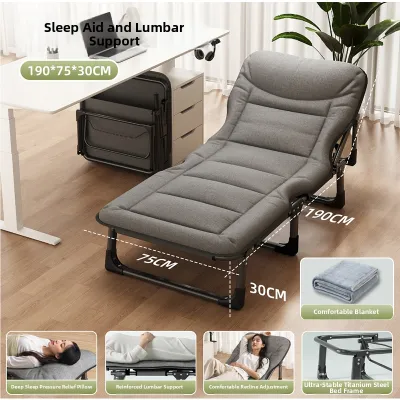
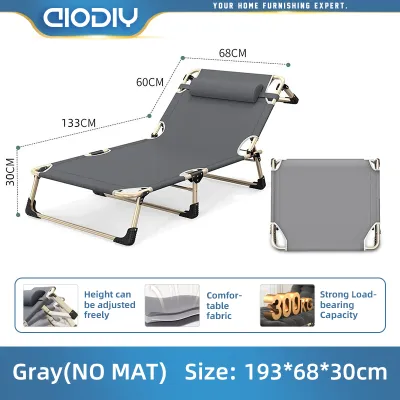
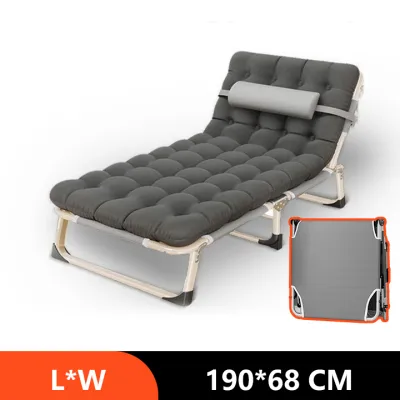

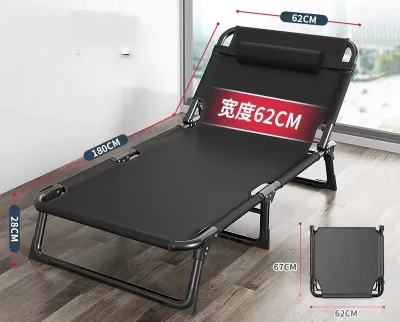
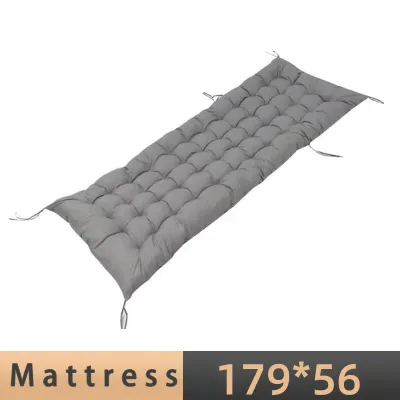
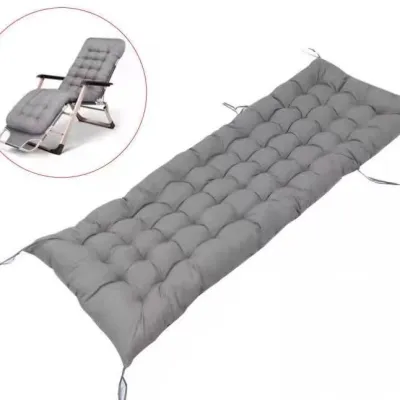
Prices are valid at publication and may change. Please refer to the product page for the latest price.
Wall-Mounted Beds (Murphy Beds)
A wall-mounted bed, commonly known as a Murphy bed, operates on a vertical or horizontal pivot system. The bed frame is secured inside a wooden or metal cabinet that is anchored directly to the wall. When you need to sleep, you pull the frame down from the top or side, and a counterbalancing piston or spring system assists in lowering the mattress smoothly to the floor.
Because the entire weight of the bed frame and mattress rotates outward, the cabinet must be anchored securely to a load-bearing wall or solid structural studs. Without proper anchoring, the force of pulling the bed down can pull the cabinet away from the wall, posing a significant safety hazard. When folded up, the bed disappears entirely into the cabinet, leaving only the depth of the cabinet—typically 40 to 50 centimeters—protruding into the room.
Foldable Mattresses
Foldable mattresses utilize a low-tech, floor-level design that relies on segmented foam panels. Most models feature a tri-fold or bi-fold structure, though some roll up into a cylindrical shape. Because they do not require a frame or mechanical parts, they are completely manual and require zero installation or assembly.
To use a foldable mattress, you simply lay it directly on the floor and unfold the segments. When morning comes, you fold the panels back together and store the unit in a closet, under a raised platform bed, or in a corner of the room. This design is highly lightweight, making it easy to move from room to room, but it offers no elevated frame, meaning you sleep at floor level.
Sofa Beds
Sofa beds serve a dual purpose by integrating a sleeping surface directly into a standard living room couch. These units generally fall into two mechanical categories: pull-out designs and fold-flat (click-clack) designs. Pull-out models house a folded metal or wooden frame and a thin mattress beneath the seat cushions, which you pull forward and unfold.
Click-clack models use a hinge mechanism where the backrest of the sofa folds downward to align flat with the seat cushion, creating a unified sleeping platform. Unlike wall beds or foldable mattresses, a sofa bed maintains a permanent footprint in your condo. Even when folded into sofa mode, it occupies the same amount of floor space against the wall, requiring you to clear any coffee tables or rug space in front of the sofa every night.
Key Decision Dimensions for Small Bedrooms
Selecting the right foldingbed for your condominium involves evaluating several practical metrics that directly influence your daily comfort, space utilization, and financial planning.

Floor Space and Clearance Requirements
The spatial dynamics of a small bedroom or studio condo require careful measurement of both ‘in-use’ and ‘stored’ footprints. A wall-mounted bed requires significant vertical clearance and a clear swing radius. You must ensure that no ceiling fans, light fixtures, or low-hanging beams obstruct the bed as it pivots downward. Additionally, the floor space directly in front of the cabinet must be completely clear of heavy furniture when the bed is deployed.
In contrast, a sofa bed has a permanent footprint that cannot be reclaimed for other activities during the day. When converted to a bed, it extends forward, meaning you must have a clear path that does not block access to your bathroom, balcony, or kitchen. Foldable mattresses require the least amount of storage space—often slipping into a wardrobe or utility closet—but they demand a fully cleared floor area when laid out, as they sit directly on the floor without any elevated boundary.
Daily Setup Effort and Routine
The physical effort required to transition your bed each day can quickly become a chore if it does not align with your lifestyle. Wall-mounted beds are designed for daily use, featuring gas pistons or spring-loaded mechanisms that offset the weight of the mattress. This allows almost anyone to raise or lower the bed with minimal physical exertion. Furthermore, many modern wall beds include straps that secure your pillows and sheets in place, eliminating the need to remake the bed every morning.
Sofa beds, particularly heavy pull-out models, require more physical effort. You must remove the loose seat cushions, pull a heavy metal frame upward and outward, and then make the bed with sheets and pillows from scratch, as these cannot be stored inside the folded mechanism. Foldable mattresses are lightweight but require you to bend down to the floor to fold, carry, and store them. If you prefer a low-effort morning routine, the repetitive bending and lifting of a floor mattress or the heavy pulling of a sofa bed may become tiresome over time.
Sleep Comfort and Mattress Support
Long-term sleep quality depends heavily on the support and thickness of your mattress. Wall-mounted beds offer the closest experience to a traditional bed because they can accommodate standard, high-quality inner-spring or memory foam mattresses. However, you must check the manufacturer’s maximum thickness specifications; most cabinets can only accommodate mattresses up to 25 to 30 centimeters thick to ensure the unit closes properly.
Foldable mattresses are typically made of high-density polyurethane foam. While convenient, thin foam layers (often 5 to 10 centimeters) can bottom out under adult body weight, leading to pressure points and back discomfort over extended periods. Sofa beds face similar comfort challenges. Pull-out sofa mattresses must be thin and flexible enough to fold in three sections, which often results in a thin mattress where you can feel the metal support bars underneath. Click-clack sofa beds avoid the folding mattress issue but present an uneven surface where the seat and backrest cushions meet, which can disrupt sleep for sensitive sleepers.
Installation, Structural Limits, and Costs
The upfront requirements and structural constraints of your condo building can dictate which bedding option is legally and physically viable. Wall-mounted beds are a significant investment, often costing from tens of thousands of pesos (₱) to premium custom installations. They require professional assembly and secure mounting into solid concrete walls or structural metal studs.
In the Philippines, many modern high-rise condos use lightweight drywall or hollow concrete blocks for partition walls between rooms, which are structurally inadequate for supporting a heavy wall bed without additional reinforcement. You must consult your condo’s property management office (PMO) and obtain a work permit before drilling or mounting heavy fixtures.
Sofa beds are plug-and-play solutions that require no wall installation, though they can be exceptionally heavy and difficult to maneuver through narrow condo hallways, tight elevator doors, and small entryways. You should always measure your condo’s access points before ordering. Foldable mattresses represent the most accessible, budget-friendly option. They require zero installation, cost a fraction of the price of the other two options, and can be purchased and used immediately without any building permits or structural worries.
Side-by-Side Comparison Matrix
To help you visualize how these three space-saving options compare, the table below outlines their key characteristics across essential decision factors.
| Feature | Wall-Mounted Bed (Murphy Bed) | Foldable Mattress | Sofa Bed |
|---|---|---|---|
| Stored Footprint | Minimal (Cabinet depth of 40–50 cm) | Zero (Stored away in a closet or corner) | Permanent (Occupies standard sofa space) |
| In-Use Footprint | Moderate to High (Extends fully into room) | Moderate (Occupies floor space only) | High (Extends forward from sofa base) |
| Daily Setup Effort | Low (Piston-assisted, sheets stay strapped) | Moderate (Manual folding and floor lifting) | High (Removing cushions, pulling heavy frame) |
| Installation Required | High (Professional wall anchoring required) | None (Ready to use out of the box) | None (May require basic sofa leg assembly) |
| Best Condo Layout | Studio or 1-BR with solid concrete walls | Multi-purpose rooms, rentals, guest spaces | Studio living rooms or shared entertainment zones |
| Mattress Quality | High (Accommodates standard mattresses) | Low to Moderate (Thin high-density foam) | Moderate (Thin folding mattress or split cushions) |
Decision Framework: Choose the Right Folding Bed for Your Routine
To narrow down your choice, evaluate your daily routine, your physical space, and the structural limitations of your condominium. Use the following profiles to determine which foldingbed setup fits your life best.
Choose a Wall-Mounted Bed if:
- You own your condo or have long-term lease permissions that allow structural wall drilling and permanent modifications.
- You want a dedicated, high-quality sleeping experience every night without compromising your daytime living space for work, exercise, or hosting.
- Your condo features solid concrete walls or structural columns capable of safely bearing the weight of a heavy pivoting cabinet.
- You prefer a fast, seamless morning routine where you can simply strap the bedding down and fold the entire bed away in under a minute.
Choose a Foldable Mattress if:
- You are renting a condo with strict no-drill policies and cannot make any structural changes to the walls.
- You are working with a tight budget and want a functional sleeping solution without a major financial investment.
- You need a highly flexible, temporary bed for occasional guests, children, or multi-use rooms that serve as a home office or yoga space during the day.
- You do not mind sleeping close to the floor and are physically comfortable lifting and folding the mattress daily.
Choose a Sofa Bed if:
- Your condo is a studio layout where your primary sleeping area must also serve as your main living and socializing space during the day.
- You prioritize having permanent, comfortable seating for watching television, working, or hosting friends over a dedicated bed frame.
- You want a dual-purpose furniture piece that does not require wall mounting, making it easy to rearrange or take with you if you move to a new condo.
- You have sufficient clearance in front of your sofa to easily slide out the bed mechanism without blocking essential pathways.
Verify First before Deciding:
Before committing to any purchase, check the structural composition of your condo walls. If your walls are made of hollow block, light drywall, or double-gypsum partitions, they cannot safely support a wall-mounted bed without professional reinforcement. Always consult your condo’s building administration or a qualified structural engineer to inspect your walls. If you cannot verify the structural integrity of your wall, stop and choose a non-mounted option like a sofa bed or a foldable mattress to ensure your safety.
Frequently Asked Questions (FAQ)
Do I need to reinforce my condo wall for a wall-mounted bed?
Yes, in most cases, you must verify and potentially reinforce your wall. Wall-mounted beds exert significant leverage and pulling force on the wall frame when they are lowered and raised. Standard drywall partitions or lightweight hollow concrete blocks common in newer Philippine condominiums are not strong enough to hold these anchors securely.
You must anchor the bed frame directly into solid concrete walls, structural columns, or heavy-duty metal studs. Before purchasing a wall bed, request the structural layout or house rules from your condo’s property management office (PMO) and hire a professional installer to assess whether your wall can safely support the unit.
Can a foldable mattress be used as a permanent everyday bed?
While a foldable mattress is highly convenient, using it as a permanent, everyday bed is generally not recommended for long-term spinal health. The thin foam layers can compress over time, leading to a lack of ergonomic support that may cause back and neck pain.
Furthermore, the tropical climate and high humidity of the Philippines present a unique challenge. Laying a mattress directly on the floor traps body heat and sweat, creating a damp environment underneath. To prevent moisture buildup, mold, and mildew, you must regularly lift the mattress to let it air out. If you must use one daily, place a breathable rug, a slatted wooden floor mat, or a low-profile folding pallet underneath to promote airflow.
Are sofa beds too heavy to move in a small condo?
Yes, sofa beds are notoriously heavy due to their dual-purpose construction. They combine a dense wooden or steel sofa frame with internal metal folding mechanisms, springs, and a mattress. A typical pull-out sofa bed can weigh significantly more than a standard couch, making it difficult to lift and maneuver.
Before purchasing, you must measure the width and height of your condo’s doorways, elevator doors, and tight hallway corners. Many high-rise developments in Manila have strict elevator weight and size limits, and attempting to carry a heavy sofa bed up several flights of stairs can be extremely challenging. Always check the manufacturer’s product weight and delivery dimensions to ensure the unit can safely reach your unit.

Community discussion
Share your experience or ask a question. Comments are reviewed before publication.