
Selecting the right folding bed with a foam mattress can transform a cramped Philippine bedroom or studio condo into a highly functional, comfortable living space. The ideal choice depends on your daily routine, how often the bed will be used, and the specific layout of your room. By balancing space-saving design with supportive foam, you can achieve a comfortable night’s sleep without permanently sacrificing valuable floor space.
To make an informed decision, you must evaluate how different folding mechanisms fit your floor plan and storage capacity. Whether you opt for a floor-based tri-fold mattress, a mobile rollaway frame, or a dual-purpose sofa bed, understanding the structural and material differences will help you find a durable solution that withstands both daily wear and the local tropical climate.
Why Choose a Folding Bed With a Foam Mattress for Small Spaces?
Space Efficiency
Maximizing floor space is the primary challenge in modern urban housing, where studio apartments and compact bedrooms are common. A traditional fixed bed occupies a large, permanent footprint that limits your ability to use the room for other activities during the day. Folding beds solve this issue by reclaiming up to 80 percent of that floor space when folded, allowing a single room to serve as a bedroom by night and a home office, exercise area, or living room by day.
Products mentioned in this guide
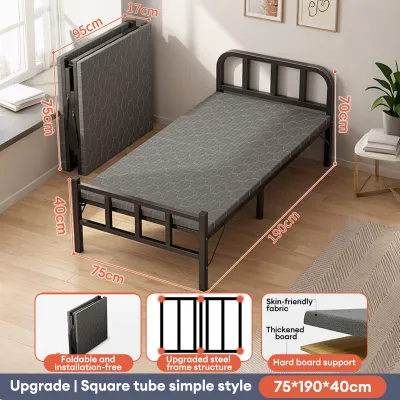
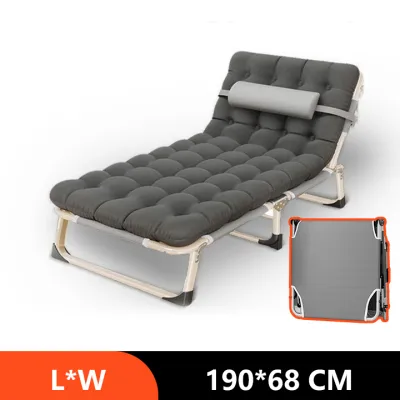
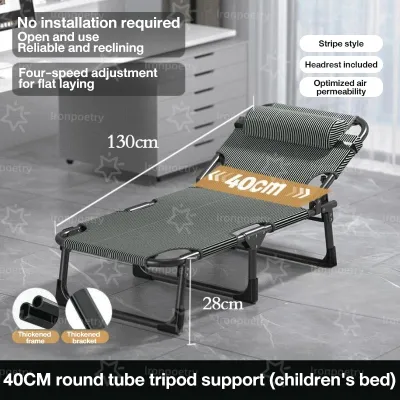
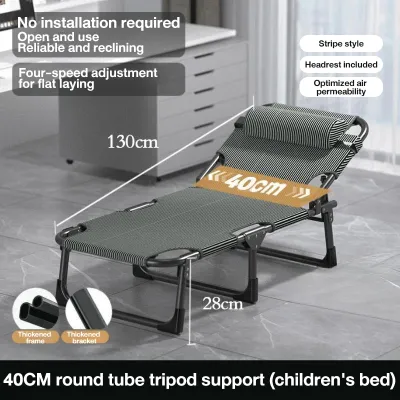
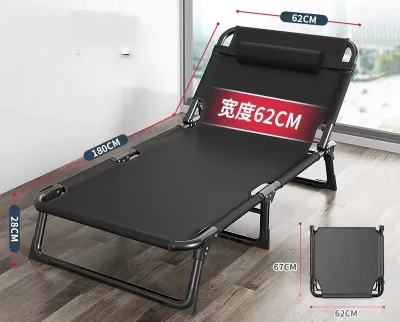
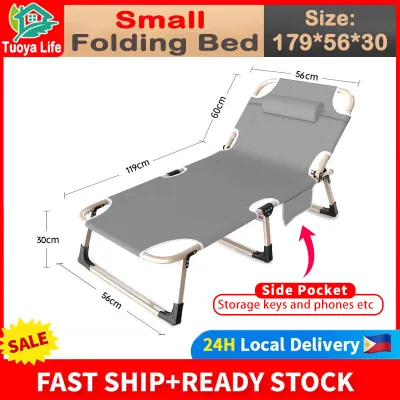
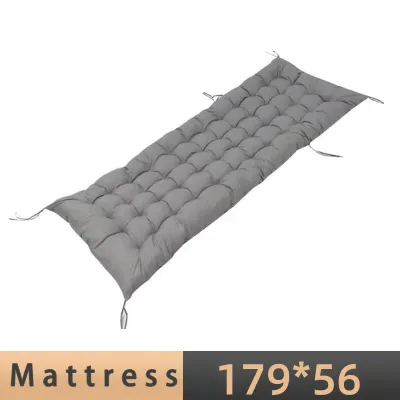
Prices are valid at publication and may change. Please refer to the product page for the latest price.
Comfort vs. Portability
While air mattresses and thin camping pads offer portability, they often fail to provide the physical support necessary for restful sleep. Air beds are prone to stretching, temperature-induced pressure changes, and punctures, which often leave sleepers resting on the floor by morning. High-density foam mattresses, on the other hand, offer consistent contouring and spinal alignment. They distribute body weight evenly and maintain their supportive structure over years of folding and unfolding, making them a much more reliable option for regular use.
Urban Housing Context
In major metropolitan areas across the Philippines, such as Metro Manila and Cebu, residential units are increasingly compact. Many condominium layouts range from 18 to 30 square meters, making bulky, traditional furniture highly impractical. A folding bed with a foam mattress adapts perfectly to these tight spaces, providing a comfortable sleeping surface that can be easily tucked away to maintain an open, uncluttered, and breathable indoor environment.
Key Features to Evaluate Before Buying
Folded vs. Unfolded Dimensions
Before purchasing any folding bed, you must measure your available floor space in both its fully extended and fully folded states. Ensure there is enough clearance to walk around the bed when it is open, and verify that the folded unit fits comfortably inside your designated storage area, closet, or corner. Additionally, check the dimensions of your doorways, narrow hallways, and condominium elevators to ensure the delivery and daily transport of the bed will not be obstructed.

Foam Density and Thickness
To ensure comfortable sleep, pay close attention to the foam’s density and overall thickness. High-density polyurethane foam offers superior support and longevity compared to low-density alternatives, which tend to sag quickly under body weight. For floor-based folding beds, a minimum thickness of 2 to 3 inches is recommended to prevent your body from bottoming out. For frame-mounted folding beds, look for a mattress thickness of at least 3 to 5 inches to ensure you do not feel the underlying metal support bars or wooden slats.
Frame Material and Stability
If you choose a folding bed with an integrated frame, the structural integrity of the support system is critical for safety. Look for frames constructed from powder-coated steel or reinforced iron, which offer excellent resistance to bending and joint wear. Check the manufacturer’s specified weight capacity limits to ensure the frame can safely support the intended user. Additionally, verify that the frame features robust locking hinges, secure wheel locks on casters, and non-slip rubber feet to prevent the bed from sliding or shifting on polished tile or wood laminate floors.
Cover and Maintenance
Living in a tropical climate with high humidity means your bedding is naturally exposed to sweat and moisture. To maintain proper hygiene and protect the inner foam, prioritize folding beds that come with removable, machine-washable covers. Look for breathable cover fabrics, such as cotton blends or bamboo-derived knits, which facilitate airflow and help regulate temperature during warm tropical nights.
Best Types of Folding Foam Beds for Compact Rooms
Tri-Fold Foam Floor Beds
Tri-fold foam floor beds consist of three hinged foam panels that rest directly on the floor without any metal frame.
- Ideal Scenario: These beds are best suited for ultra-compact bedrooms, children's play areas, shared dorm rooms, or as an emergency sleeping option for guests. Because they lack a heavy metal frame, they are exceptionally lightweight and easy to move around.
- Space and Storage: When folded, a tri-fold mattress compresses into a neat, block-like shape. You can easily slide it under an existing bed frame, tuck it inside a standard wardrobe, or even stack it in a corner to use as a temporary low floor seat or ottoman during the day.
- Limitations and Considerations: Resting directly on the floor means there is no elevation, which can make getting up difficult for older adults or individuals with joint pain. Additionally, placing foam directly on tiled or wooden floors blocks airflow. This lack of ventilation can trap rising moisture and sweat, making regular flipping and airing essential to prevent mold growth on the bottom of the mattress.
Rollaway Beds With Built-In Foam Mattresses
Rollaway beds feature a metal frame that folds in half, complete with caster wheels for easy mobility and a built-in foam mattress.
- Ideal Scenario: This type is ideal for home offices that double as guest rooms, or for residents who prefer the elevated feel of a traditional bed but still need to clear the room during daytime hours.
- Space and Storage: Rollaway beds require a dedicated storage nook, a deep closet, or a designated corner of the room. Because they stand upright when folded, it is crucial to measure both the folded height (which often exceeds one meter) and the folded depth to ensure the unit fits your intended storage space without blocking pathways.
- Limitations and Considerations: Always inspect the quality of the caster wheels and ensure at least two of them have reliable locking mechanisms to prevent the bed from rolling when you move in your sleep. Examine the frame's folding hinges carefully; low-quality hinges can create uncomfortable pressure points through the foam or cause the bed to sag in the middle. Additionally, check that the joints are securely fastened and silent, as cheap metal frames are prone to squeaking over time.
Convertible Folding Sofa Beds With Foam Cushions
Convertible sofa beds, or futon-style chairs, use structured foam cushions that fold out directly from a seating configuration into a flat bed.
- Ideal Scenario: This dual-purpose design is perfect for studio condos and living rooms that must transition into sleeping quarters at night. It eliminates the need for separate seating and sleeping furniture, making it a highly efficient choice for single professionals or couples.
- Space and Storage: Unlike tri-fold or rollaway beds, a convertible sofa bed remains visible in the room at all times. Because of this, you must evaluate its footprint in both configurations. Ensure there is ample clearance in front of the sofa to fully extend the bed without hitting other furniture, blocking doors, or obstructing access to balconies.
- Limitations and Considerations: Sofa bed cushions are generally engineered to be firmer than dedicated mattresses to withstand the weight of daily sitting. This extra firmness may feel too rigid for some sleepers, potentially requiring a separate soft mattress topper. Furthermore, check the durability of the folding or sliding mechanism, and be mindful of potential pinch points that could catch fingers or bedding during the daily conversion process.
Space Planning, Assembly, and Care in a Tropical Climate
Clearance and Pathways
When planning your room layout, ensure there is at least 50 to 60 centimeters of open walking space around the sides of the unfolded bed. This clearance prevents you from blocking critical pathways, emergency exits, or wardrobe doors. Additionally, verify that the bed’s position does not place the sleeper directly under a low-hanging ceiling fan or obstruct light fixtures, which can pose safety hazards when standing up in the dark.
Assembly and Stability Checks
If your folding bed requires assembly, carefully follow the manufacturer’s instructions and use the provided hardware. Ensure all bolts, screws, and joint pins are fully tightened before the first use, and inspect them periodically, as regular folding and unfolding can loosen connections over time. Always respect the manufacturer’s stated weight limits; overloading a folding frame can bend the support bars, damage the locking mechanisms, and lead to sudden structural failure.
Humidity and Foam Care
Managing moisture is essential for preserving foam mattresses in the humid climate of the Philippines. To prevent mold, mildew, and musty odors, never leave a floor-based tri-fold bed flat on the floor for weeks at a time; instead, prop it up in an A-frame shape regularly to allow air to circulate around all sides. Use a room dehumidifier or run an air conditioner periodically to keep indoor humidity levels low.
When cleaning is required, follow the manufacturer’s care labels strictly. If the cover is removable, wash it in cold water and dry it completely before putting it back on. For the inner foam core, spot-clean only with a damp cloth and mild detergent, ensuring the foam is entirely dry before use. Avoid exposing polyurethane foam to direct, intense midday sunlight, as extreme heat can degrade the foam’s cellular structure and cause it to crumble.
Frequently Asked Questions (FAQ)
Can I put a separate foam mattress on a standard metal folding frame?
Using a separate, third-party foam mattress on a folding frame is generally not recommended unless the frame manufacturer explicitly states it is compatible. A mattress that is too thick or heavy can strain the folding hinges, prevent the frame from closing securely, and potentially void your warranty. Conversely, a mattress that is too thin or soft may slide off the frame during use or fail to protect you from feeling the hard metal support bars underneath. Always check the frame’s specifications for maximum mattress thickness, dimensions, and weight limits before attempting to mix components.
How do I store a folding foam bed when not in use for long periods?
Before storing your folding bed for an extended period, ensure both the frame and the foam mattress are completely clean and dry. Store the bed in a dry, well-ventilated area away from direct sunlight and damp walls, which can foster mold growth. Use a breathable cotton or canvas storage cover to protect the bed from dust while allowing air circulation; avoid sealing the bed in airtight plastic bags, as these can trap residual tropical humidity and ruin the foam. Finally, never stack heavy boxes or other furniture on top of the stored bed, as prolonged pressure can permanently compress the foam’s cellular structure and leave lasting dips.

Community discussion
Share your experience or ask a question. Comments are reviewed before publication.