
Maximizing sleeping comfort while minimizing floor space is a primary challenge when furnishing small bedrooms, studio apartments, or modern condominiums in the Philippines. A high-quality folding bed with pad offers an adaptable, space-saving solution that can transform a tight home office or living area into a cozy guest room within minutes. However, finding the right balance between supportive cushioning, structural frame stability, and precise spatial dimensions requires looking beyond basic aesthetics.
By focusing on how the frame folds, how the mattress supports your body, and how the unit fits into your specific room layout, you can secure a reliable sleeping setup that does not compromise your daily living space. Evaluating these factors systematically ensures that your investment provides long-term utility and comfort without cluttering your home.
Key Features to Evaluate in a Folding Bed with Pad
When evaluating a folding bed with pad, the mattress or pad itself is your primary point of contact and the most critical factor for a good night’s sleep. Standard options typically feature either memory foam or high-density polyurethane foam. Memory foam excels at contouring to the body and relieving pressure points, making it highly comfortable for side sleepers. However, it tends to retain body heat, which can be a significant drawback in warm, tropical climates. High-density polyurethane foam offers a firmer, more supportive feel that keeps the sleeper positioned on top of the mattress rather than sinking into it, promoting better airflow and structural longevity. You should check the manufacturer’s specifications for the exact density and thickness of the pad, as options under five centimeters may bottom out under adult weight.
Products mentioned in this guide
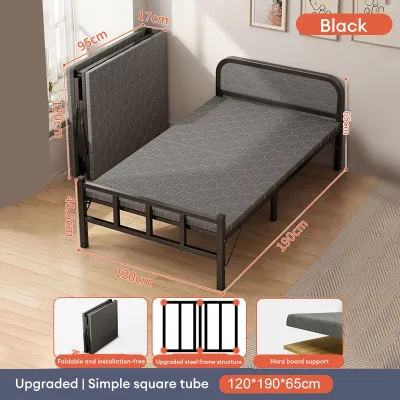
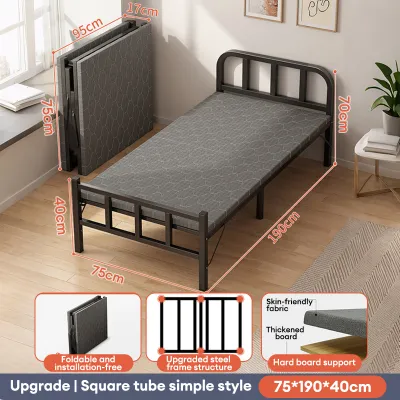
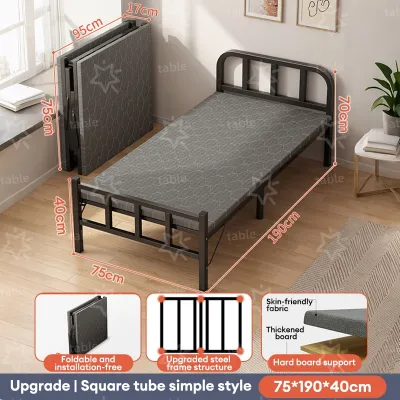
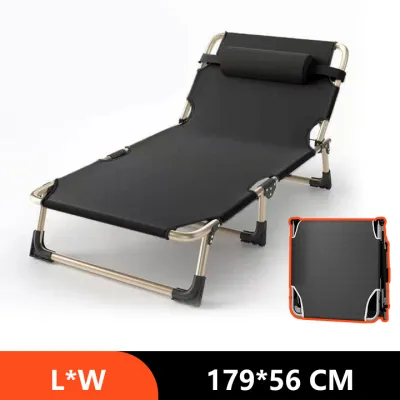
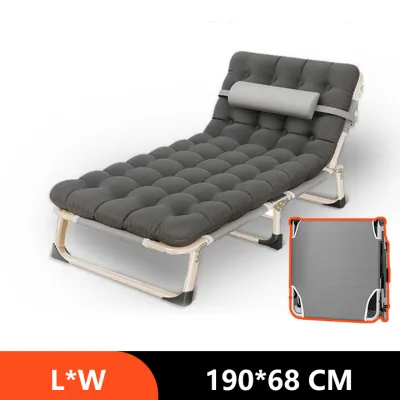
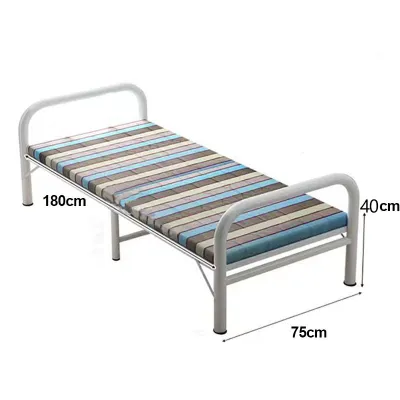
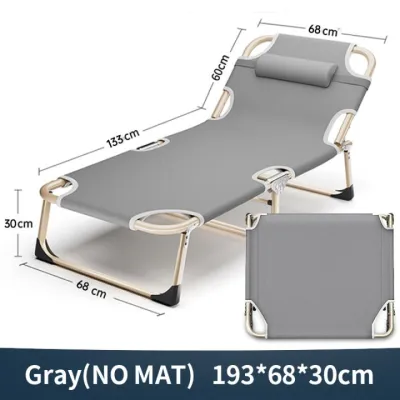
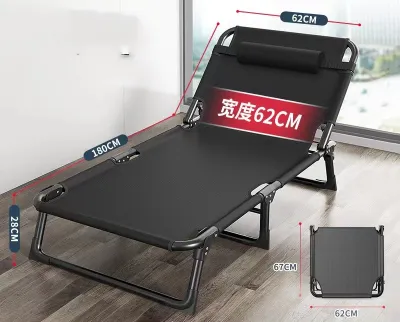
Prices are valid at publication and may change. Please refer to the product page for the latest price.
The structural integrity of the frame determines both safety and durability. Look for frames constructed from powder-coated steel or heavy-duty metal alloys, which resist bending and structural fatigue over time. Pay close attention to the joints, hinges, and connection points; these are the areas subjected to the highest stress during folding and unfolding. High-quality models feature reinforced brackets and secure welding rather than thin rivets. Always verify the manufacturer-stated weight capacity limit before purchasing. A frame designed with a lower weight limit may sag or warp, compromising both the mattress support and the safety of the user.
Finally, assess the folding mechanism and locking systems. A reliable folding bed should be easy for a single person to operate without straining. Look for designs that incorporate smooth-gliding hinges, automatic leg deployments, and robust locking pins or straps that keep the bed securely closed when stored. If the bed features wheels, ensure they roll smoothly and lock tightly when the bed is deployed to prevent unexpected movement during the night.
Space Planning and Dimensions for Small Bedrooms
In tight Philippine living spaces, such as high-rise condominiums or compact townhouses, every centimeter counts. Before purchasing a folding bed with pad, you must measure both the deployed footprint and the surrounding clearance. A bed that fits perfectly on paper might block essential walking paths, wardrobe doors, or bedroom entryways when fully opened. Ensure there is at least 60 centimeters of clearance around the sides and foot of the bed to allow for comfortable movement and safe exit. If the bed is positioned near a swing-out door or a low-profile window, verify that the frame and mattress height will not obstruct their operation.

Equally important are the folded dimensions of the unit. When the bed is not in use, it must disappear into your storage routine without causing clutter. Measure the exact folded thickness, height, and width of the bed, including the compressed pad. Compare these measurements against your intended storage location, whether that is a dedicated closet, a utility nook, or the gap beneath an existing main bed frame. Some folding beds fold completely flat, while others retain a slight A-frame profile that requires more depth. Knowing these dimensions beforehand prevents the frustration of owning a “space-saving” bed that permanently sits in the middle of your room because it cannot fit into your closet.
Do not overlook the transit path from your building’s entrance to your bedroom. Bulky furniture items must navigate narrow hallways, tight stairwell turns, and standard door frames. If you live in a multi-story condominium, measure the height, width, and depth of the service elevator or passenger lift to ensure the packaged bed can be transported to your floor. Check your front door and bedroom door clearances as well. Verifying these transit dimensions prior to delivery saves you from the logistical headache of a delivery that cannot physically enter your home.
Comparing Pad Types and Comfort Trade-offs
Selecting the right pad type involves balancing personal comfort preferences with the realities of your local environment. Memory foam, latex, and standard polyurethane foam each offer distinct physical properties. Memory foam provides excellent pressure relief by conforming to your body shape, which can alleviate joint pain. However, its dense structure tends to trap heat, which can lead to uncomfortable, sweaty nights in humid tropical climates. Natural or synthetic latex offers a more responsive, bouncy feel that keeps you lifted, allowing air to circulate more freely around your body. Standard polyurethane foam is lightweight and budget-friendly, but you must check its density rating to ensure it will not flatten permanently after a few weeks of use.
In the Philippines, where high humidity and warm temperatures are constant factors, breathability is a paramount consideration for bedding. A mattress pad that traps moisture can quickly become a breeding ground for dust mites, mold, and mildew. Look for pads that feature open-cell foam structures or specialized cooling gel infusions designed to dissipate heat. The cover material also plays a crucial role; breathable fabrics like bamboo-derived rayon, cotton blends, or open-weave polyester help wick away sweat and keep the sleeping surface cool and dry throughout the night.
Hygiene maintenance is another critical trade-off to consider. Some folding beds come with fixed upholstery that cannot be removed for cleaning, requiring spot-cleaning with specialized fabric cleaners. For long-term hygiene, prioritize pads with removable, zippered covers that are machine-washable. This allows you to easily wash away sweat, dust, and spills, extending the lifespan of the foam core. If a removable cover is not available, you will need to invest in a separate, compatible mattress protector to shield the pad from moisture and wear.
Safety, Stability, and Assembly Checks
A folding bed must be inherently stable to ensure a safe night’s sleep. When evaluating different models, look closely at the anti-tip design and the distribution of the center of gravity. Frames with a wider base and low-slung support bars are less likely to tip over if a sleeper rolls close to the edge. Leg locking mechanisms are vital; they prevent the frame from accidentally folding or collapsing under sudden movement. Ensure that the legs lock firmly into place with a satisfying click or a manual pin, and check that these locks remain rigid when lateral force is applied to the frame.
Floor protection is another essential safety and maintenance feature. Metal legs and hard plastic wheels can easily scratch, dent, or scuff delicate flooring materials like hardwood, laminate, or vinyl tiles common in modern apartments. Look for folding beds equipped with non-marking rubberized feet or soft polyurethane casters. If the bed relies on wheels for portability, ensure they feature reliable locking brakes that prevent the bed from sliding across the floor when you get in or out of it.
Before using your new folding bed, perform a thorough assembly and structural check. Carefully cross-reference the included assembly instructions to ensure every bolt, washer, and brace is installed in its correct position. If you notice any conflicting components, misaligned pre-drilled holes, or structural defects during assembly, stop immediately and contact the manufacturer. Attempting to force misaligned parts together can compromise the structural integrity of the frame, leading to sudden failure or injury during use.
Your Pre-Purchase Checklist for Online Retailers
Purchasing a folding bed with pad from an online marketplace requires a diligent approach to verify product details before finalizing your order. Marketing images can often be misleading, using forced perspectives to make a compact bed look spacious or a thin pad look plush. Always scroll down to the technical specifications section to cross-check the exact dimensions, weight limits, and pad thickness. Verify that these numbers align with your physical space measurements and your personal support requirements rather than relying on stylized photos.
Next, carefully review the retailer’s return policies, warranty coverage, and shipping fees. Because folding beds are bulky and heavy items, shipping costs in ₱ can vary significantly depending on your location. Ensure you understand who covers the return shipping costs if the product arrives damaged or does not match the description. Look for sellers that offer a clear warranty on the frame and the folding mechanism, which provides peace of mind regarding the manufacturer’s confidence in their product’s durability.
Finally, spend time analyzing verified buyer reviews, paying close attention to feedback written after several months of use. Look for specific mentions of long-term durability, pad sagging, and frame squeaking. Squeaking joints can quickly ruin your sleep quality, while rapid pad sagging indicates low-density foam that will require early replacement. Reviews that include real-life photos or videos of the bed being folded and unfolded are particularly valuable for assessing the ease of single-person operation in a real home environment.
Frequently Asked Questions (FAQ)
Can a folding bed with a pad replace a traditional mattress for daily use?
While a folding bed with pad is an excellent solution for temporary guests or occasional overnight stays, it is generally not recommended as a permanent replacement for a traditional mattress. The structural hinges and folding joints of the frame are subjected to concentrated stress under daily weight loads, which can lead to premature wear, sagging, or squeaking over time. Furthermore, the thinner pads typically included with folding beds do not offer the same level of multi-layered spinal alignment and pressure relief as a standard, full-thickness mattress. Continuous daily use can lead to physical discomfort or back strain. If you must use a folding bed daily, check the manufacturer’s guidelines to ensure the model is rated for continuous use, and consider upgrading to a high-density foam or latex pad to better support your body.
How do I prevent the folding bed pad from sliding or losing shape?
To keep your folding bed pad in optimal condition, start by checking if the pad features a non-slip base fabric or integrated velcro straps designed to secure it to the metal frame. If it lacks these features, you can place a compatible rubberized mattress gripper or a sheet of non-slip rug underlay between the frame and the pad to prevent sliding during the night. To preserve the pad’s shape, always follow the manufacturer’s folding instructions carefully; folding the bed with sheets or heavy blankets still inside can compress the foam unevenly and cause permanent creases. Regularly rotate the pad head-to-toe every few weeks, and flip it over if the design allows, to distribute wear evenly and prevent localized sagging.

Community discussion
Share your experience or ask a question. Comments are reviewed before publication.